 EN
EN
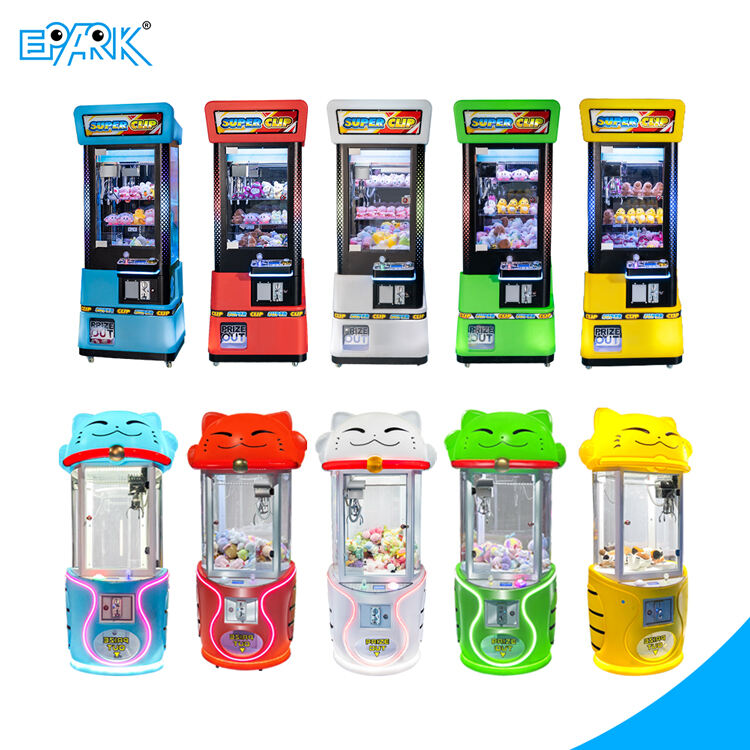
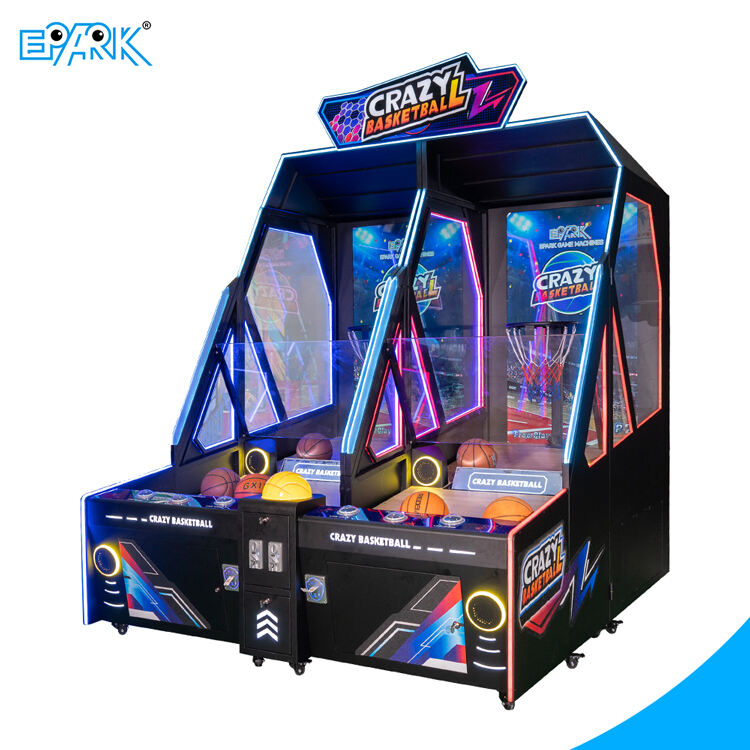
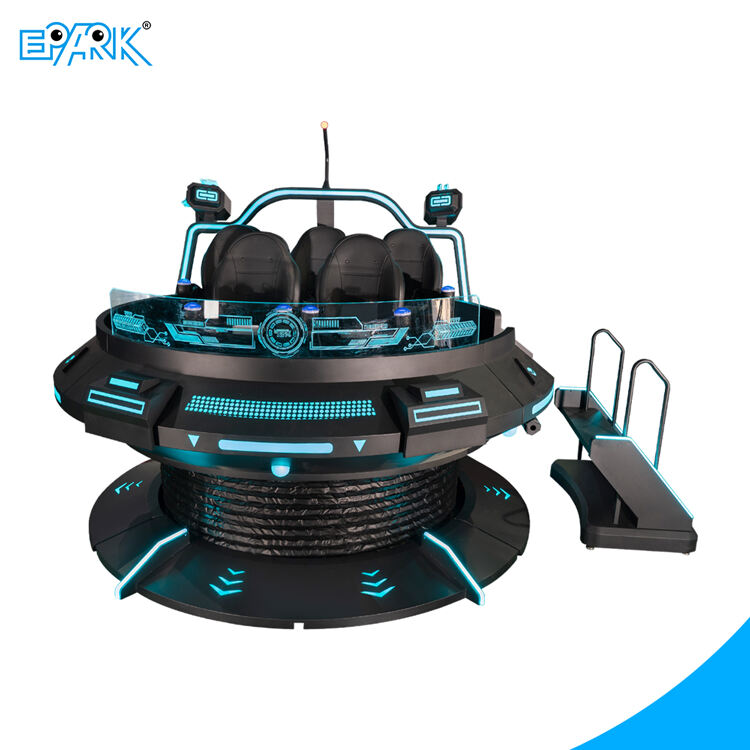


Investing in commercial arcade machines is a major decision for family entertainment center (FEC) owners, arcade operators, distributors, and amusement investors. The right equipment can generate consistent revenue, attract repeat customers, and deliver years of reliable performance. The wrong purchase can result in frequent breakdowns, poor customer experiences, and disappointing returns on investment.
Unfortunately, many buyers focus almost entirely on price when comparing arcade machine suppliers. While cost is important, experienced operators understand that product quality, factory strength, after-sales support, and long-term profitability are far more valuable than a lower initial quotation.
Whether you are opening a new arcade, expanding an existing FEC, or sourcing machines for distribution, asking the right questions before purchasing can help you avoid costly mistakes and maximize ROI.
This commercial arcade machine buying guide covers the 10 most important questions every buyer should ask before placing an order.
Why Buying the Right Arcade Machines Matters
Commercial arcade equipment is not simply a product purchase—it is a long-term business investment.
A well-selected machine can:
Generate stable daily revenue
Increase customer retention
Improve venue attractiveness
Reduce maintenance costs
Deliver a faster payback period
A poor purchasing decision can lead to:
Frequent machine downtime
Expensive repairs
Customer dissatisfaction
Lower profitability
The goal is not to buy the cheapest machine. The goal is to buy the most profitable machine.
Question #1: Is the Supplier a Manufacturer or a Trading Company?
This is one of the first questions every buyer should ask.
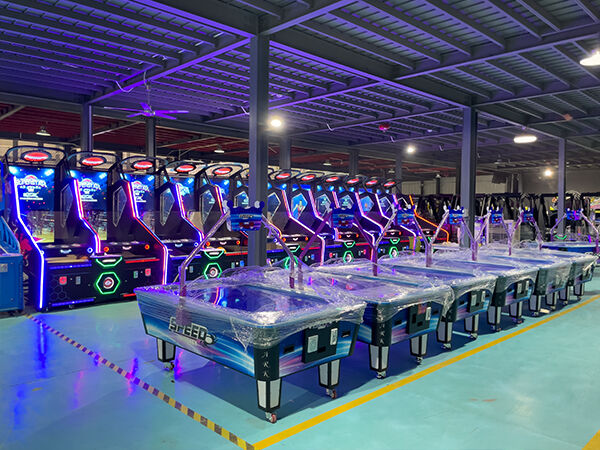
A genuine arcade game machine manufacturer controls production, quality control, and technical support directly. Trading companies often act as intermediaries and may have limited control over manufacturing quality.
Why Buying Directly from a Factory Matters
Benefits include:
Factory-direct pricing
Faster communication
Better customization options
Stronger quality control
More reliable after-sales support
How to Verify a Manufacturer
Ask for:
Factory videos
Workshop photos
Production line images
Company certifications
Factory visit opportunities
A reliable arcade machine factory should be transparent about its facilities and production processes.
Question #2: What Certifications Do the Machines Have?
Certifications help verify product safety, quality, and compliance.
Important Certifications
| Certification | Purpose |
| CE | European market compliance |
| RoHS | Environmental compliance |
| ISO | Quality management systems |
Certified products are easier to import and often reflect higher manufacturing standards.
Question #3: What Is the Expected ROI of This Machine?
One of the biggest mistakes buyers make is purchasing machines without evaluating revenue potential.
Before investing, ask suppliers:
What is the average daily earning potential?
What venues are these machines best suited for?
What is the estimated payback period?
Simple Arcade Machine ROI Formula
Before buying commercial arcade machines, operators should estimate potential monthly revenue.
Monthly Revenue Formula
Monthly Revenue = Daily Plays × Price Per Play × Operating Days
Example
100 Plays Per Day
× $1 Per Play
× 30 Days
= $3,000 Monthly Revenue
If the machine costs $6,000, the estimated payback period may be approximately two months under ideal operating conditions.
Factors That Affect Arcade Machine ROI
Venue traffic
Customer demographics
Local competition
Pricing strategy
Machine popularity
Understanding arcade machine profit potential helps buyers make smarter investment decisions.
Question #4: How Reliable Is the Machine?
Machine reliability directly impacts profitability.
Frequent breakdowns lead to:
Lost revenue
Customer complaints
Increased maintenance expenses
Negative player experiences
Ask About Quality Control
Professional manufacturers should have documented testing procedures.
| Production Stage | Inspection Process |
| Raw Materials | Component inspection |
| Assembly | Hardware testing |
| Software | Stability testing |
| Final Inspection | Full gameplay testing |
A strong quality control system is one of the best indicators of a reliable arcade machine supplier.
Question #5: What After-Sales Support Is Available?
Many buyers overlook after-sales support until problems arise.
Ask suppliers:
What warranty is included?
How are technical issues handled?
Are spare parts readily available?
What is the average response time?
Why After-Sales Support Matters
Strong support helps reduce:
Machine downtime
Revenue loss
Maintenance challenges
A professional manufacturer should provide remote technical assistance, spare parts support, troubleshooting guides, and software updates.
Question #6: Can the Machine Be Customized?
Customization is increasingly important for distributors and entertainment venues.
OEM Customization
OEM services may include:
Custom logos
Cabinet colors
Branding graphics
Venue-specific designs
ODM Services
ODM capabilities may include:
Software modifications
New themes
Language localization
Market-specific gameplay
Choosing a manufacturer with OEM/ODM capabilities creates greater flexibility and differentiation.
Question #7: What Is the Production and Delivery Time?
Delays can significantly affect project schedules and opening dates.
Before placing an order, ask:
What is the production lead time?
How are bulk orders managed?
What packaging methods are used?
How long does shipping take?
Reliable manufacturers provide realistic production schedules and regular project updates.
Question #8: Has the Supplier Exported to My Market Before?
Export experience can significantly reduce purchasing risks.
Experienced suppliers understand:
Customs requirements
Packaging standards
Local voltage compatibility
Import documentation
Ask for:
Export country lists
Customer references
Installation photos
Project case studies
A supplier with global experience is generally more prepared to support international buyers.
Question #9: What Types of Venues Is This Machine Suitable For?
Not every machine fits every business model.
| Venue Type | Recommended Machine Types |
| Family Entertainment Centers | Redemption games, multiplayer games |
| Arcades | Skill-based attractions |
| Shopping Malls | Claw machines, kiddie rides |
| Indoor Playgrounds | Family-focused attractions |
| Theme Parks | Large-scale interactive experiences |
Understanding venue compatibility improves machine performance and ROI.
Question #10: Will This Machine Still Be Popular in 3–5 Years?
Long-term demand is often overlooked during the buying process.
The best investments typically offer:
Strong replay value
Broad customer appeal
Social interaction
Consistent revenue generation
Best Long-Term Investment Categories
5 Common Mistakes When Buying Arcade Machines
Many first-time buyers focus on price while overlooking factors that determine long-term success.
Mistake #1: Buying Based Only on Price
The cheapest machine often becomes the most expensive machine over time due to repairs and downtime.
Mistake #2: Ignoring After-Sales Support
Without technical assistance and spare parts support, even minor problems can become major operational issues.
Mistake #3: Choosing Unproven Machines
Always ask for customer references, installation cases, and performance records before investing.
Mistake #4: Not Checking Spare Parts Availability
A reliable supplier should maintain spare parts inventory for long-term support.
Mistake #5: Failing to Calculate ROI
Purchasing decisions should be based on profitability, not just purchase price.
Why EPARK Is a Trusted Arcade Machine Manufacturer
EPARK helps buyers reduce procurement risks and maximize long-term ROI through:
14+ years of manufacturing experience
Factory-direct commercial arcade machines
OEM/ODM customization services
CE-certified equipment
Global export experience
Professional quality control systems
One-stop FEC equipment solutions
Spare parts support
Technical after-sales service
Whether you are sourcing a single machine or building a complete entertainment venue, EPARK provides reliable solutions tailored to commercial operations.
Request a Factory Direct Arcade Machine Quotation
EPARK can help global buyers with:
Product selection consultation
OEM/ODM customization
Factory-direct pricing
Bulk order planning
Export packaging
Spare parts support
Technical after-sales service
Recommended CTA Buttons
Get Factory Direct Price
Request Product Catalog
Book a Factory Visit
Talk to an EPARK Sales Engineer
FAQ
Is it better to buy arcade machines directly from a factory?
Yes. Buying directly from a manufacturer usually provides better pricing, stronger quality control, and more customization options.
What is the average lifespan of commercial arcade machines?
High-quality commercial arcade machines can operate for 5–10 years or longer with proper maintenance.
How much maintenance do arcade machines require?
Most machines require routine cleaning, inspections, software updates, and occasional replacement parts.
What are the most profitable arcade machines?
Redemption games, claw machines, interactive sports games, and VR attractions are among the highest-performing categories.
Can arcade machines be customized?
Yes. Many manufacturers offer OEM and ODM services, including logo branding, cabinet design, language localization, and software customization.
What certifications should arcade machines have?
CE, RoHS, and ISO certifications are among the most important for commercial equipment.
How do I evaluate an arcade machine supplier?
Assess factory strength, product quality, export experience, after-sales support, customization capability, and customer references.
Why is spare parts availability important?
Fast access to spare parts minimizes downtime and helps maintain consistent revenue generation.