
 EN


The Ultimate Guide to Choosing Durable Commercial Bowling Alley Equipment
Investing in commercial bowling alley equipment is a major financial step for family entertainment centers, urban arcades, and resort destinations worldwide. Facility profitability heavily depends on how smoothly equipment runs day after day. When lane mechanisms or ball returns break down during peak weekend hours, venue owners lose more than just immediate revenue—they risk their brand reputation. Selecting durable, high-performance bowling setups means looking beyond basic price tags and carefully evaluating engineering standards, material quality, and dependable supply chain partners.
Focus on Heavy-Duty Lane Materials and Strong Foundation Engineering
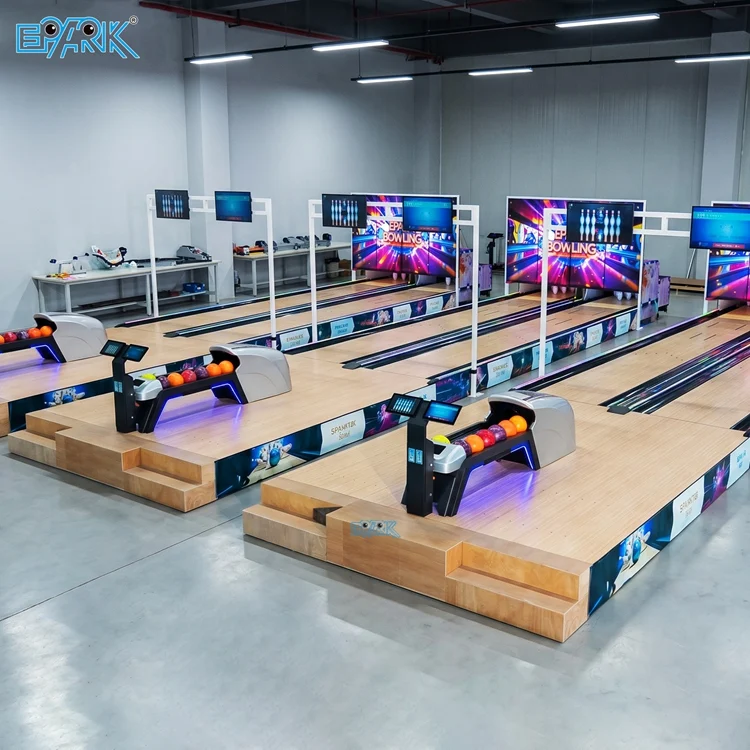
The backbone of any successful commercial bowling venue starts right at the lane bed and its underlying support system. High-pressure laminate synthetic lanes have largely replaced old-fashioned wood in modern commercial spaces because they stand up better to constant wear, require much lower upkeep, and hold oil consistently across countless games.
When reviewing equipment options, facility planners should inspect the exact thickness and structural core of these synthetic panels. Top-tier commercial bowling lanes usually feature panels at least three-eighths to one-half of an inch thick, supported by precise leveling systems designed to handle natural building shifts and heavy foot traffic. Industry guidelines from bowling equipment specialists emphasize that a rigid, vibration-absorbing sub-floor is vital to prevent panel warping, eliminate dead spots, and guarantee a smooth, predictable roll. Getting this foundation right from the start reduces repair headaches and ensures an incredible player experience.
Evaluate Pinsetter Mechanics for Long-Term Reliability
The pinsetter acts as the complex mechanical heartbeat of the entire bowling alley. Frequent jams, electrical glitches, and fragile gears can quickly drive up daily operating costs and frustrate eager guests. Modern commercial venues generally choose between string pinsetters and traditional free-fall setups depending on their specific business goals.
String pinsetters have grown tremendously popular in family entertainment centers thanks to their energy efficiency, fewer moving parts, and simpler maintenance routines. On the other hand, traditional pinsetters remain the go-to benchmark for serious sports leagues. No matter which style you pick, equipment built from aerospace-grade aluminum, tough nylon, and hardened steel will always outperform cheap plastics. Choosing pinsetters backed by solid factory stress testing and proven reliability ratings helps venue operators avoid frustrating service calls during peak business seasons.
Integrate Smart Scoring Systems and Smooth User Experience
Today's players expect far more than just a standard mechanical game; they want a fully immersive, interactive digital entertainment experience. Durable bowling alley equipment needs to integrate smoothly with modern scoring software and central management tools.
When choosing a scoring package, look for responsive touch terminals, high-contrast displays, and cloud-based management dashboards that track lane usage and player stats easily. From a business perspective, reliable scoring electronics should feature tidy internal wiring, strong surge protection, and dust-resistant housings built to handle active entertainment environments. Software equipped with smart diagnostic tools allows your team to spot sensor alignment issues or minor glitches before they interrupt a customer's game, keeping the venue running efficiently.
Optimize Ball Return Systems and Meet Safety Standards
The ball return is easily one of the hardest-working parts of any bowling venue, absorbing constant high-speed impacts from heavy polyurethane and polyester balls. Durable ball returns rely on heavy-duty steel frames, shock-absorbing cushions, and safe, enclosed lifting mechanisms to prevent jams and keep equipment safe from cosmetic damage.
Additionally, strict safety compliance is an absolute must. Venue operators should verify that all electrical parts, motors, and moving components meet recognized international safety standards. Investment in certified, ergonomically sound ball returns protects both customers and staff from accidental injuries while guaranteeing years of trouble-free operation under heavy commercial use.
Partner with Established Manufacturers and Reliable Supply Chains
Even the highest-quality bowling equipment requires long-term manufacturer support, readily available spare parts, and responsive technical help throughout the venue's lifecycle. Sourcing commercial bowling systems means partnering with trusted global manufacturers who maintain strict control over their entire production process, from raw material selection to final quality checks.
Working directly with established industry leaders like EPARK gives venue investors a distinct competitive edge. EPARK brings extensive manufacturing experience, strict quality control protocols, and dependable global logistics to deliver custom-engineered bowling solutions built for international markets. By combining precision-crafted lane machinery and smart scoring technology with comprehensive after-sales support, EPARK helps entertainment venues maintain maximum uptime, fast return on investment, and an exceptional reputation for quality among visiting guests.
Table of Contents
- The Ultimate Guide to Choosing Durable Commercial Bowling Alley Equipment
- Focus on Heavy-Duty Lane Materials and Strong Foundation Engineering
- Evaluate Pinsetter Mechanics for Long-Term Reliability
- Integrate Smart Scoring Systems and Smooth User Experience
- Optimize Ball Return Systems and Meet Safety Standards
- Partner with Established Manufacturers and Reliable Supply Chains