
 EN
EN


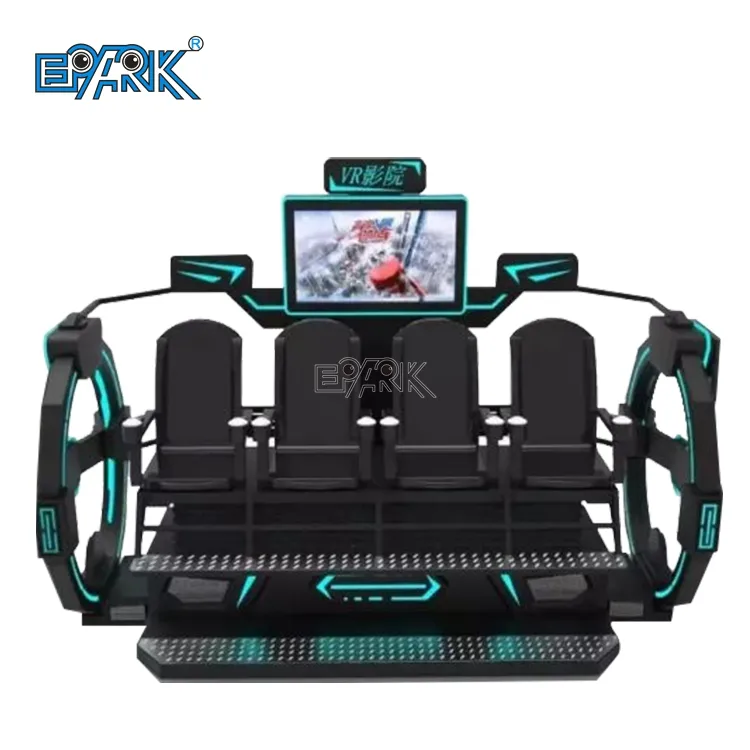
The Proactive Philosophy of VR Venue Management
Stepping into the world of commercial virtual reality requires more than just high-quality hardware; it demands a shift in operational philosophy. Many venue owners view their equipment as a static asset, but the reality is that a virtual reality machine functions as a high-performance system that thrives on consistent, proactive care. The most successful operators in the amusement space have long moved past the reactive, "fix-it-when-it-breaks" mentality. Instead, they treat maintenance as a core component of the guest experience. When a simulator operates with flawless precision, it builds a reputation for reliability that keeps patrons returning. Conversely, even minor technical glitches can shatter the sense of immersion, turning a premium attraction into a source of frustration. Adopting a structured, preventive maintenance schedule is the definitive way to safeguard this investment and ensure that the digital environment remains as compelling as intended.
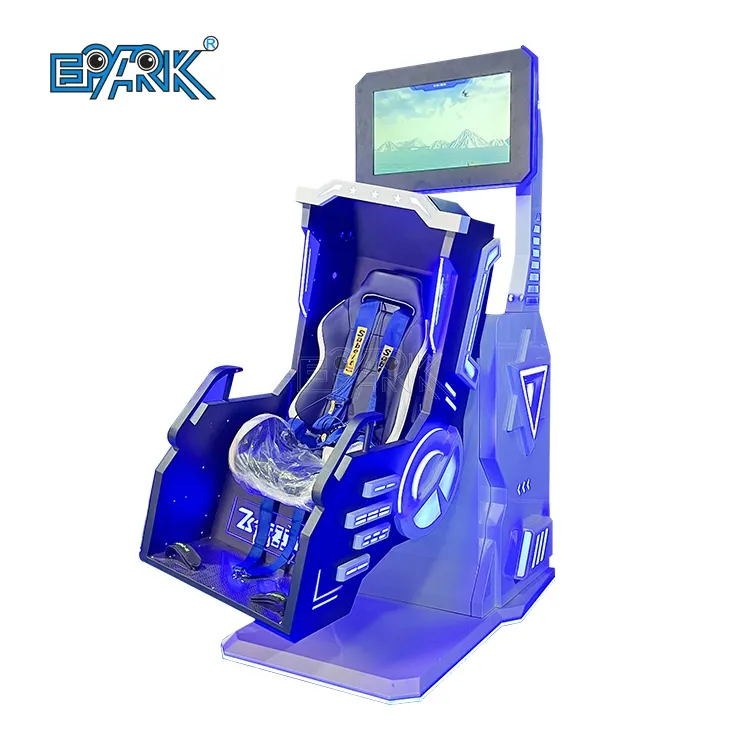
Physical Integrity and Component Longevity
The physical components of a virtual reality machine—particularly the headsets, controllers, and motion actuators—are subject to significant daily stress. Maintaining these assets requires a blend of rigorous hygiene protocols and mechanical oversight. High-touch surfaces must be cleaned with non-abrasive, skin-safe solutions that sanitize without damaging the sensitive polymers or padding of the gear. It is a common mistake to use harsh chemicals that might appear to clean effectively but degrade materials over time, leading to unnecessary replacements. Furthermore, the motion platforms themselves are marvels of mechanical engineering that require periodic inspection. Checking for optimal lubrication at pivot points and verifying that actuators are free from debris is critical. Cable management is another silent killer; ensuring that signal and power cables are routed to minimize tension and prevent tangling is a simple yet effective way to eliminate the most common points of hardware failure.
The Digital Ecosystem: Stability and Performance
Hardware is only half the battle; the digital health of a virtual reality machine determines the fidelity of the experience. Modern simulation software is resource-intensive and relies on a clean, optimized operating environment to deliver high frame rates and precise tracking. Neglecting the backend is a recipe for performance stuttering and system instability. Successful maintenance involves routine tasks such as clearing temporary cache files, managing background processes that might hog system resources, and performing scheduled system reboots to clear memory leaks. Keeping the system firmware and drivers updated is equally non-negotiable. Manufacturers regularly release patches that not only fix bugs but also improve compatibility with newer software titles and tracking sensors. Maintaining a clean digital environment prevents the gradual accumulation of minor errors, ensuring the simulation remains smooth, responsive, and fully immersive for every single user.
Building a Culture of Operational Vigilance
Effective maintenance is rarely a solo endeavor; it becomes truly powerful when it is woven into the daily rhythm of the entire venue team. Training staff to act as the "first line of defense" is a strategy used by top-tier entertainment centers globally. This involves simple, actionable tasks: checking for cable integrity, verifying visual clarity in the headsets, and ensuring controllers are docked correctly for charging before the doors open. Establishing a digital maintenance log—or even a simple physical checklist—ensures that these tasks are not just performed, but tracked over time. This historical data provides invaluable insights into hardware health, allowing operators to spot trends, such as a specific button on a controller that seems to require more frequent attention. When every team member understands their role in the upkeep of the equipment, the venue benefits from a collective vigilance that keeps the hardware in peak condition, fostering a culture centered on operational excellence.
Strategic Support and the Role of Manufacturing Partners
The long-term viability of a venue is inextricably linked to the support structure provided by the original equipment manufacturer. The amusement industry is dynamic, and hardware is only as good as the serviceability it offers. Epark Game Machines provides a full-service approach, bridging the gap between high-performance manufacturing and the daily operational needs of modern entertainment centers. Their focus on modular component design ensures that when maintenance is required, it can be performed swiftly and effectively. Partnering with a specialist like Epark Game Machines offers the peace of mind that comes from knowing the infrastructure is built to endure, supported by a team that understands the importance of system integrity. Accessing genuine components and receiving timely, expert technical guidance is the most effective way to protect a venue’s commercial trajectory and ensure that hardware investments yield positive returns for years.
Future-Proofing Your Investment
Ultimately, the commitment to maintaining a virtual reality machine is a direct reflection of an operator’s commitment to their brand. Whether an establishment is a boutique family center or a large-scale international entertainment complex, the hardware serves as the evidence of operational quality. By aligning with robust manufacturing standards and leveraging the technical expertise of established suppliers such as Epark Game Machines, business owners place themselves in a position of lasting strength. This proactive strategy—combining high-tech, reliable infrastructure with a disciplined approach to maintenance—creates a legacy of quality. For those looking to excel in the competitive entertainment market, the path is clear: prioritize quality engineering, embrace consistent upkeep, and secure the future of the venue with equipment built to the highest possible standards. Consistent, high-performance maintenance is the ultimate driver of long-term revenue growth and operational stability.