
 EN
EN


The Evolution of Immersive Entertainment
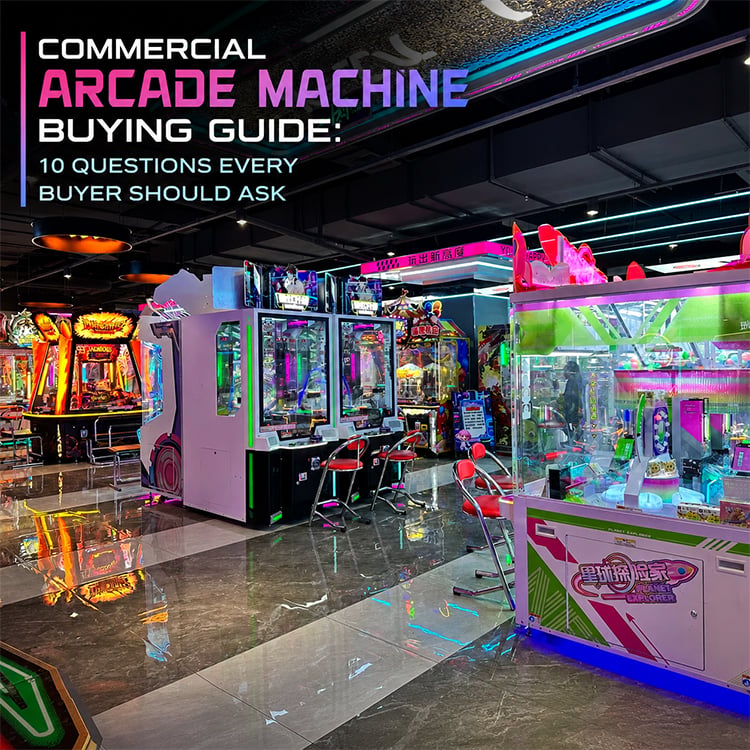
The rapid transition of virtual reality from a niche curiosity to a defining element of modern leisure centers has fundamentally altered consumer expectations. For venue owners, this presents a significant opportunity, provided the approach moves beyond viewing a vr simulator as a passive piece of hardware. True success in this competitive space requires a strategic shift: viewing the simulator as a core component of a high-impact, curated digital ecosystem. Revenue optimization begins with the selection of content that offers substantial replayability and broad appeal, ensuring the attraction remains a consistent draw for a wide demographic. When every session is curated to deliver a high-quality experience, the perceived worth of the technology increases, leading to higher customer satisfaction and improved financial stability.
Engineering the Guest Journey Beyond Traditional Operations
Maximizing the profitability of a vr simulator hinges on the smoothness of the user journey, from the moment a ticket is purchased to the conclusion of the session. A common oversight in venue management is neglecting the time consumed by hardware sanitization, gear adjustments, and content briefings. Professional operators streamline these touchpoints by utilizing organized staging areas that allow one user to prepare while another finishes, significantly minimizing idle time. By implementing a structured rotation system, throughput increases without sacrificing the quality of the immersive experience. Reducing bottlenecks in the user cycle allows for a higher volume of sessions per hour, directly impacting the bottom line through better asset utilization. This precise orchestration of the user experience ensures that the equipment is utilized to its full capacity, keeping the revenue stream constant throughout peak hours.
The Science of Atmosphere Driving Perceived Value
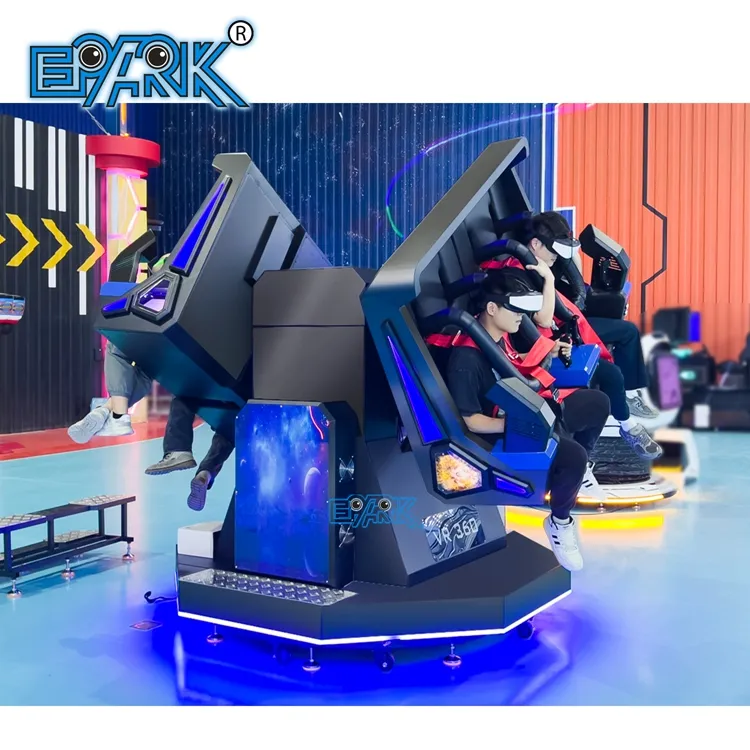
The value of a vr simulator is heavily influenced by the environment in which it is presented. Modern VR experiences are rarely judged on technical specifications alone; they are evaluated based on the total atmosphere, including lighting, acoustic design, and the physical comfort of the station. Creating a premium, semi-private zone for the simulator elevates the experience from a standard activity to a sophisticated event. This environmental staging provides a strong justification for premium pricing, allowing operators to capture higher margins. By focusing on the visual impact of the installation—ensuring the hardware looks pristine and the surrounding area is inviting—a venue establishes a sense of authority and quality that attracts tech-savvy demographics willing to pay for superior entertainment. An inviting, well-lit, and professionally branded space acts as a visual advertisement for the quality of the experience on offer.
Building a Community-Centric Entertainment Hub
VR entertainment is increasingly social, even when the experience itself is individual. Successful operators capitalize on this by integrating features that allow spectators to view the active gameplay on secondary monitors or large screens. This transparency turns a vr simulator into a social spectacle, encouraging crowds to gather and driving curiosity among passersby. Additionally, hosting localized tournaments or leaderboard challenges incentivizes return visits, fostering a sense of community around the venue. When guests feel they are part of a competitive league or a broader social circle, the engagement levels rise, and the venue becomes more than just a place to play—it becomes a hub for social connection. This community-driven approach creates a loyal user base that provides stable, predictable revenue growth over time.
Sustainable Infrastructure and the Backbone of Revenue
Long-term profitability in the VR market is strictly tied to the reliability of the underlying hardware. Frequent downtime is the enemy of revenue, as it frustrates guests and discourages staff from recommending the attraction. Epark Game Machines bridges this gap by providing robust, high-performance hardware solutions designed to handle the intensity of public use. Partnering with a specialist like Epark Game Machines ensures that operators are not just deploying a piece of technology, but a fully supported entertainment system. Their deep manufacturing expertise and commitment to supply chain consistency allow venue owners to focus on day-to-day operations with the peace of mind that their equipment is engineered to withstand the rigorous demands of a high-traffic environment. This reliability is critical for maintaining a seamless and profitable amusement operation.
Future-Proofing through Data and Proactive Management
To maintain a competitive edge, operators must treat a vr simulator as a dynamic asset that requires constant monitoring and adaptation. Tracking session analytics, peak usage hours, and popular content choices provides the insights needed to refine marketing strategies and scheduling. Adapting the attraction to seasonal shifts or local trends ensures that the offering remains fresh and relevant to repeat visitors. By leveraging professional-grade hardware from suppliers such as Epark Game Machines, venue owners gain the flexibility to adapt their configurations to shifting market demands. Proactive management—combined with the backing of reliable, high-performance hardware—secures the long-term commercial growth of the business in an increasingly digital world. This strategic focus ensures that the investment in VR technology continues to yield high returns as the entertainment landscape evolves.
Commitment to Operational Excellence
Ultimately, the commitment to professional-grade equipment is a commitment to the brand itself. Whether an establishment is a standalone arcade or part of a larger multi-entertainment facility, the underlying hardware serves as the evidence of operational quality. By aligning with robust manufacturing standards and leveraging the expertise of established suppliers such as Epark Game Machines, business owners place themselves in a position of strength. This proactive strategy—combining high-tech, reliable infrastructure with a customer-centric focus—creates a lasting legacy. For those looking to dominate the competitive entertainment market, the choice is clear: prioritize quality engineering, embrace innovation, and secure the future of the venue with equipment built to last. Consistent quality is the ultimate driver of long-term commercial growth and operational sustainability.
Table of Contents
- The Evolution of Immersive Entertainment
- Engineering the Guest Journey Beyond Traditional Operations
- The Science of Atmosphere Driving Perceived Value
- Building a Community-Centric Entertainment Hub
- Sustainable Infrastructure and the Backbone of Revenue
- Future-Proofing through Data and Proactive Management
- Commitment to Operational Excellence