
 EN


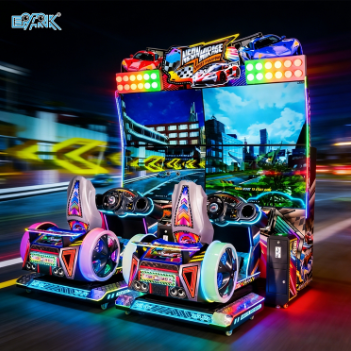
Pre-Update System Diagnostics and Hardware Compatibility Assessment
Before kicking off any software updates on a commercial arcade cabinet, technicians and arcade operators need to run a thorough check on the hardware and existing firmware setup. A racing arcade machine is a complex entertainment system driven by specialized motherboards, multi-axis motion boards, and powerful graphics processing units. Jumping straight into a firmware patch without double-checking motherboard compatibility can easily lead to a bricked system or permanent controller desynchronization. Seasoned arcade maintenance pros always inspect the current BIOS version, review peripheral driver mappings, and create a full backup of the system drive. This careful prep work ensures that any hidden hardware bottlenecks or outdated driver clashes are caught and ironed out before the flashing procedure actually starts.
The Technical Mechanics of Firmware Flashing and Checksum Verification
The heart of any successful software upgrade involves transferring fresh operating files, track packs, or physics engines onto the internal storage drive of the machine. Modern racing arcade machine setups usually rely on industrial solid-state drives or secure USB storage devices formatted to exact file-system standards. During the transfer process, making sure data integrity remains intact is absolutely vital. Professional technicians utilize cryptographic checksum algorithms, such as MD5 or SHA-256 verification, to double-check that every single byte of the update package moves across without corruption. Any unexpected interruption or dropped data stream during this critical window can ruin game executable files, triggering endless boot loops, graphic rendering errors, or completely unresponsive force-feedback steering wheels.
Managing Data Backups and Protecting Proprietary License Keys
One of the most common headaches during arcade software maintenance is accidentally wiping out custom operator settings, high-score records, and digital licensing keys. Commercial racing simulators generally run on heavily secured platforms protected by hardware security dongles or digital rights management software that tie the game license directly to the unique motherboard serial number of the unit. Before launching any upgrade utility, experienced operators must export existing configuration profiles and secure all license activation files safely. Skipping this important step can knock out online multiplayer networking features or delete player progress data, leading to unnecessary arcade downtime and lost daily revenue for the entertainment center.
Post-Update Calibration and Rigorous Stress Testing
Once the new software package finishes installing and the system wraps up its initial boot sequence, the upgrade job is only halfway done. The final validation phase demands comprehensive hardware calibration and aggressive stress testing. A modern racing arcade machine depends heavily on precise analog signals coming from optical steering encoders, magnetic pedal assemblies, and multi-stage force-feedback motors. Technicians must dive into the operator menu to recalibrate steering limits, pedal deadzones, and actuator responses. After finishing the calibration, running extended diagnostic loops helps confirm thermal stability, steady frame rates under heavy graphical stress, and flawless peripheral communication before unlocking the machine for eager players on the gaming floor.
Maximizing Arcade Revenue Through EPARK Manufacturing and Technical Support
Keeping arcade attractions fresh, competitive, and technically optimized is the true secret to long-term profitability in the location-based entertainment business. Whether updating existing floor inventory or outfitting an entire commercial entertainment venue with brand-new simulators, teaming up with an industry leader sets the foundation for operational success. As a globally trusted manufacturer and comprehensive entertainment solution provider boasting cutting-edge production lines and dependable technical supply chain networks, EPARK specializes in engineering high-performance amusement machines backed by robust software ecosystems and expert customer care. By blending strict manufacturing standards with reliable global parts delivery, EPARK empowers operators everywhere to maximize machine uptime, boost player immersion, and secure lasting business growth.
Table of Contents
- Pre-Update System Diagnostics and Hardware Compatibility Assessment
- The Technical Mechanics of Firmware Flashing and Checksum Verification
- Managing Data Backups and Protecting Proprietary License Keys
- Post-Update Calibration and Rigorous Stress Testing
- Maximizing Arcade Revenue Through EPARK Manufacturing and Technical Support