
 EN
EN


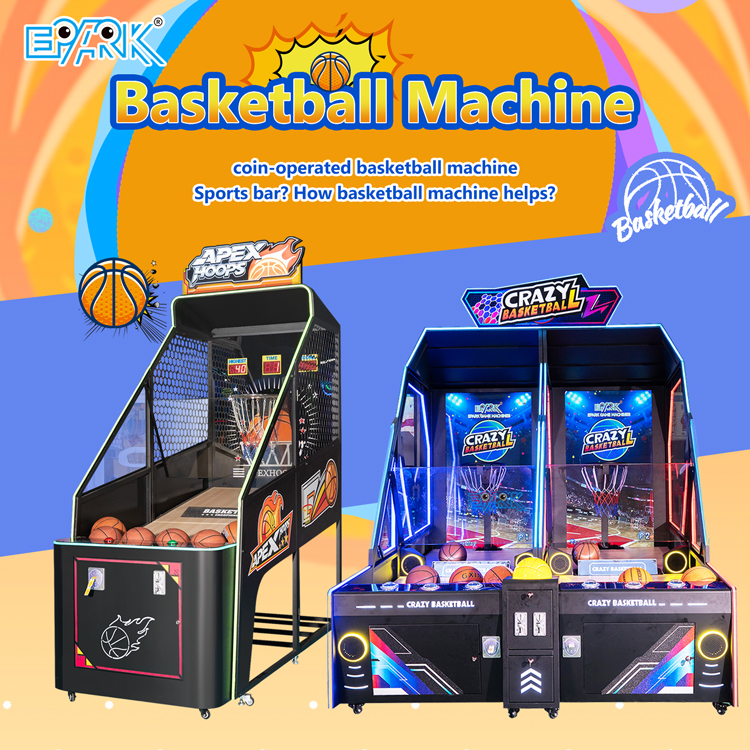
The Evolution of Basketball Training Technology
From manual drills to automated basketball shooting machines
Back in the day, basketball drills meant coaches tossing balls around while players scrambled for rebounds after every shot. The problem was obvious really - human arms get tired, and no two throws are exactly alike. Enter automated shooting machines that changed everything for serious players. These devices can fire off over 500 shots each hour straight through without breaking a sweat, way more than what manual sessions manage at around 150 to maybe 200 at best. Now players don't waste energy chasing down loose balls between attempts. They stay focused on their form, their follow through, all those little details that make or break a good shot. And let's face it, when someone can take hundreds of identical shots in a row, they start seeing real improvements faster than ever before.
Key functionalities of modern basketball machines
Modern equipment comes with adjustable shot angles ranging from around 38 degrees up to 55 degrees, plus variable ball return speeds between 5 and 15 miles per hour. Many can handle different sports too, making them great for both volleyball drills and handball practice sessions. The better versions connect to smartphones through apps that keep count of successful shots versus missed ones in specific areas of the court. These apps also provide instant feedback about how balls are launched into the air and where they actually go. Coaches at gyms that have started using this tech say kids improve their skills about 28 percent quicker than those sticking to old school methods according to recent research findings published last year.
Integration of smart technology in sports training facilities
The best basketball training setups are starting to combine traditional machines with AI systems that look at shooting stats next to how players move their bodies. These new tech systems actually spot potential injuries before they happen by noticing when someone lands unevenly after jumping, thanks to special sensors built into the floors. Colleges across the country have been getting serious about this stuff since around mid-2023. Schools that invested in these smart gyms report cutting down on repetitive strain injuries by almost a third, while shooters are hitting their marks consistently about 19% more often because the AI suggests drills tailored specifically for each player's needs.
Improving Shooting Accuracy Through High-Volume Repetition
The Role of Repetition in Developing Muscle Memory for Shooters
Studies in neuroscience show that muscle memory develops when athletes practice movements repeatedly at high frequency. Most shooters need somewhere between 300 and 500 repetitions for those neural connections to really stick, according to research from Vekeda Sports last year. Standard drills usually cap off around 300 shots per hour for basketball players, but new machines on the market now can push that number three times higher thanks to their automatic ball return features. With so many more attempts possible, skills tend to stick better over time. Plus, coaches don't waste precious minutes chasing after loose balls anymore and can focus entirely on fixing technique issues as they happen during practice sessions.
How Basketball Machines Increase Shot Volume and Consistency
These advanced training gadgets can fire off around 1500 shots every hour, programmed to different angles and speeds that mimic actual gameplay situations pretty accurately. The motion sensors pick up on how the ball leaves the hand, tracking things like arc height and backspin, while smart software spots when someone's form starts to drift off track during practice sessions. According to research published last year from SportsTech Journal, players who trained with these systems saw their shot accuracy jump about 20 percent over half a year, beating out traditional practice methods hands down. What makes them really effective though is the feedback system that automatically tweaks workout difficulty depending on body signals such as changes in heart rate, so nobody pushes too hard when they're getting tired.
Case Study: NCAA Teams Boosting Free-Throw Performance With Machine-Assisted Training
During the 2022-23 season, four college basketball teams started using those fancy shooting machines in their regular practices, especially for working on free throws while simulating game conditions with crowd noise. The players who managed to get around 700 shots per week through these machines saw their free throw percentages jump by about 7.3% come playoff time, which made all the difference in tight games where every point counts. Coaches have been pretty impressed actually, noticing that combining those 30 minute machine sessions with real defense drills later on helped the skills stick better than just practicing alone against nothing.
Data-Driven Development: Analytics and Performance Tracking
Modern basketball machines function as analytics hubs, tracking over 15 performance metrics—including release angle consistency (ideal: 70–75 °) and optimal shot arc peaks (120–140 cm)—with 98% sensor accuracy (2023 sports technology review). These systems generate dynamic player profiles updated in real time, enabling coaches to design adaptive training protocols targeting specific weaknesses.
Using data analytics to measure player progress and technique
Cameras embedded in shoes and various IoT sensors track biomechanical information including how much pressure is distributed across the bottom of the foot (around 55 to 60 percent on the front part works best when shooting hoops) plus how fast the elbows extend during motion (the sweet spot seems to be between 4.2 and 4.8 meters per second). These machine learning systems then look at this data alongside past NBA draft combine measurements to spot small differences that might matter. For instance, if someone bends their knees just 2.7 degrees differently than what's considered standard, it could actually impact how well they shoot the ball. Coaches and scouts are starting to pay attention to these kinds of details because even tiny changes can make a big difference in performance over time.
AI and machine learning in basketball performance optimization
Convolutional neural networks analyze over 120 hours of court footage to generate personalized drill sequences. A 2024 University of Michigan study showed these AI-designed regimens improved collegiate players’ catch-and-shoot percentages by 19.3% compared to traditional coaching methods alone.
Smart feedback systems: Predicting fatigue and injury risk
Biometric sensors monitor workload thresholds and trigger cooldown protocols when detecting:
- Heart rate variability drops exceeding 12%
- Ground reaction force asymmetry surpassing 15%
- Shot velocity decline patterns correlating at 89% with hamstring strain risks
According to the 2024 Sports Science Institute Report, this predictive approach reduces overuse injuries by 37% in machine-assisted programs versus unsupervised practice.
Integrating Basketball Machines Into Effective Training Programs
Best practices for incorporating basketball machines in team and individual workouts
Effective integration requires strategic planning. For team sessions, allocate 20–30% of practice time to machine-assisted drills focused on high-volume shooting (200–300 shots/session). Individual workouts should target specific skill gaps using customizable arc and speed settings—63% of coaches in a 2025 facility survey reported better skill retention with personalized machine regimens.
| Training Type | Recommended Parameters | Key Metrics Tracked |
|---|---|---|
| Team Drills | 5–7 shooting stations 5-second intervals |
Shot accuracy % Rotation efficiency |
| Individual | Custom arc/speed profiles Fatigue detection alerts |
Release consistency Power variance |
Balancing machine-assisted drills with real-game scenarios
Machines can handle those 500 plus reps needed to really ingrain muscle memory, but nobody gets better just sitting there cranking out motions without context. The top training setups actually stick to something like three days on the machines and then throw in one day where players face real defenders. Makes sense when you think about it this way: all that repetition builds solid technique, sure, but nothing prepares someone for how unpredictable actual games get when passes start coming from unexpected angles and defenders are breathing down their necks during competition. That's why most coaches swear by mixing both approaches.
Addressing the controversy: Over-reliance vs. skill transfer to live play
According to SportsTech Analytics from 2025, around one third of players who train primarily with machines have trouble handling contested shots during actual games. But interestingly enough, research tracking 120 college athletes over nine months showed something different happening when coaches mixed machine-based training with real game situations. Teams that did this saw their shooting accuracy jump about 15% in competition settings, while those sticking strictly to machine drills only managed around 9% improvement. What seems to work best? Looking at player stats closely to spot when progress starts slowing down usually around week six or seven and then shifting focus toward real match play before skills begin to plateau. This approach keeps development moving forward instead of getting stuck in repetitive patterns.
FAQs
What is the primary advantage of using automated basketball shooting machines?
Automated basketball shooting machines allow players to take high volumes of shots consistently without the need for manual rebounds, focusing more on form and follow-through and achieving faster improvement in shooting accuracy.
How do basketball training machines help in reducing injuries?
Basketball training machines integrated with AI systems track shooting stats alongside body movement, spotting potential injuries before they happen by analyzing landing patterns and other biomechanical data.
Can these machines track and provide feedback on player performance?
Yes, modern basketball machines are equipped with apps that count successful versus missed shots, provide instant feedback on shot launch data, and help improve skill retention with personalized training regimens.
How do basketball machines boost free-throw performance?
By simulating game conditions and providing consistent shooting opportunities, basketball machines help players improve their free-throw percentages significantly under pressure situations.
Is there a downside to relying heavily on machine-based training?
Excessive reliance on machine-based training can lead to difficulties in handling contested shots during actual games, emphasizing the need for balancing machine drills with real game scenarios.
Table of Contents
- The Evolution of Basketball Training Technology
- Improving Shooting Accuracy Through High-Volume Repetition
- Data-Driven Development: Analytics and Performance Tracking
- Integrating Basketball Machines Into Effective Training Programs
-
FAQs
- What is the primary advantage of using automated basketball shooting machines?
- How do basketball training machines help in reducing injuries?
- Can these machines track and provide feedback on player performance?
- How do basketball machines boost free-throw performance?
- Is there a downside to relying heavily on machine-based training?