
 EN
EN


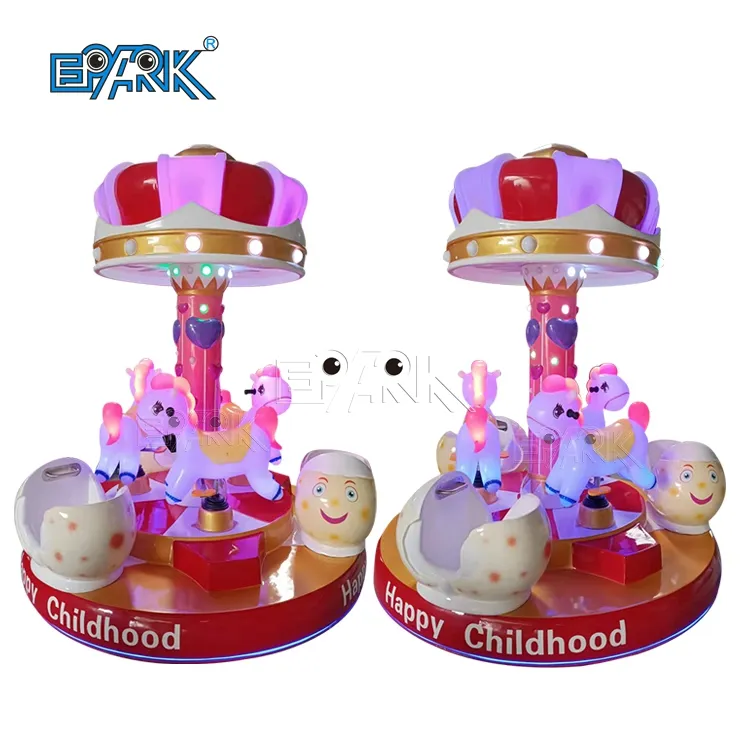
Neurodevelopmental and Emotional Appeal of Carousel Rides for Children
Sensory Integration and Predictable Motion: Why Kids Are Naturally Drawn to Carousel Rides
The gentle, repeating rotation of carousel rides directly stimulates a child’s vestibular system—the inner-ear network responsible for balance and spatial awareness. With typical speeds under 3 RPM, this controlled, rhythmic motion provides safe, predictable sensory input that helps children organize their responses. For those with sensory processing sensitivities or ADHD, such movement can reduce anxiety and support emotional regulation by encouraging neuroplastic adaptations in key brain regions. The low platform height and minimal centrifugal force make carousels especially appropriate for toddlers and preschoolers, offering a secure setting to develop coordination and confidence. Unlike high-intensity attractions, the carousel’s steady pace allows children to anticipate each turn—fostering a sense of mastery that satisfies their dual need for novelty and structure.
Emotional Safety and Joyful Repetition: The Psychological Comfort of Carousel Rides
Repetitive motion on carousel rides builds emotional security through consistent, positive engagement. The familiar rise-and-fall of the horses, paired with cheerful music, creates eustress—a beneficial form of stress that strengthens resilience over time. Successfully completing a ride delivers a tangible sense of accomplishment, reinforcing self-esteem and motivating children to explore other park experiences. Many modern carousels feature tandem seating, enabling parents to sit beside their child—a design choice that reassures first-time riders and deepens shared joy. This blend of joyful repetition and adult proximity transforms the carousel into a psychological comfort zone, making it the ideal first ride for young children. That early sense of safety doesn’t just encourage repeat visits—it cultivates lifelong positive associations with amusement parks.
Intergenerational Accessibility and Shared Experience in Carousel Rides
Low Physical Barrier, High Engagement: How Carousel Rides Unite All Ages
Carousel rides uniquely bridge generational gaps because they’re accessible to nearly everyone—regardless of age or mobility level. Their low boarding platforms and slow rotation speeds (typically under 6 RPM, per ASTM F2291 safety standards) eliminate the height and physical thresholds common on roller coasters, while secure seated positions minimize strain. When families share these gentle rotations and whimsical music, natural connection follows: grandparents wave from ornate chariots, parents smile from side-by-side seats, and children point excitedly across the ring. This shared delight goes beyond physical accessibility—it models intergenerational joy and creates collective memories where children see unguarded happiness on adult faces. For park operators, this inclusive appeal translates directly into higher guest satisfaction scores and stronger community loyalty, elevating the carousel from nostalgic relic to essential amenity.
Historical Legacy and Brand Identity: Carousel Rides as Cultural Anchors
From Hand-Carved Tradition to Themed Modern Attractions: Evolution of Carousel Rides
Carousel rides trace their origins to centuries-old hand-carved wooden figures, crafted by artisans who treated each horse as both functional ride and public artwork. These early installations offered accessible entertainment while showcasing regional craftsmanship and communal pride. Today’s carousels honor that legacy through innovation—combining precision engineering with customizable themes, from classic fairy tales to licensed cinematic universes. Parks that integrate culturally resonant designs report measurable impact: one installation featuring locally significant motifs increased repeat family attendance by 30%, according to a 2022 IAAPA benchmark study. This evolution preserves emotional resonance while expanding relevance—transforming heritage icons into dynamic components of modern entertainment ecosystems.
Nostalgia, Continuity, and Park Identity: Why Carousel Rides Strengthen Family Park Branding
Preserved vintage carousels function as powerful cultural touchstones—communities restoring historic examples report an average $1.2 million annual tourism boost, per data from the National Park Service’s Heritage Tourism Initiative. The National Endowment for the Arts notes that 70% of Americans prioritize preserving nostalgic artifacts like historic carousels, which serve as tangible links to shared memory. As emotional landmarks, these rides anchor family park identities by delivering consistent, cross-generational experiences. Their continuity transforms mechanical function into narrative power: themed designs reflect local stories and values, inviting visitors to photograph, share, and remember—not just the ride, but what it represents. In doing so, parks position themselves not merely as destinations, but as custodians of tradition where family memories crystallize across decades.
FAQ
Why are carousel rides beneficial for children?
Carousel rides stimulate the vestibular system, support emotional regulation, and help children develop balance and coordination in a safe and predictable environment.
What makes carousel rides emotionally comforting for young children?
The repetitive motion, cheerful music, and opportunity for parent-child tandem seating build emotional security and help reduce anxiety for first-time riders.
Who can ride carousels?
Carousel rides are accessible to nearly everyone, regardless of age or mobility level, thanks to their low physical thresholds and gentle rotation speeds.
How do carousel rides contribute to family park branding?
Carousel rides serve as cultural anchors, creating positive memories and a sense of continuity, which strengthens a park’s identity and enhances visitor satisfaction.
What is the historical significance of carousel rides?
Carousel rides originated from hand-carved traditions and have evolved to represent both artistic craftsmanship and modern entertainment, serving as valuable cultural touchstones.