
 EN
EN




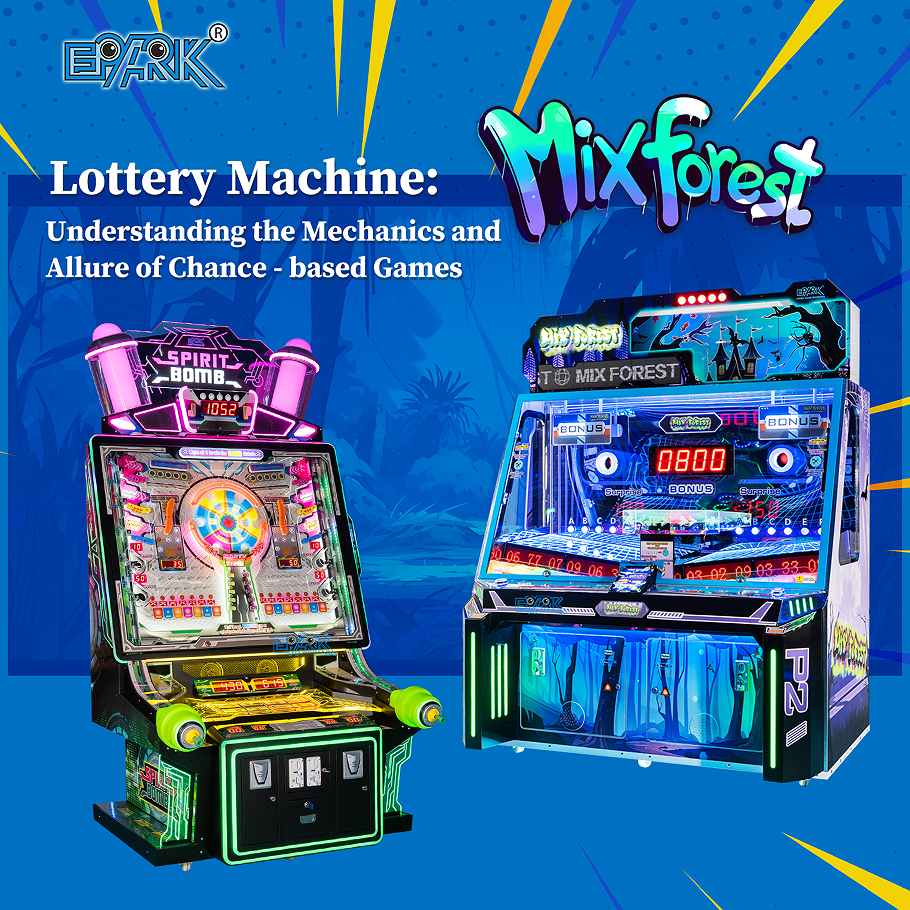
The Allure of Chance: Why Lottery Machines Captivate Us
Psychology of Uncertainty and Reward
Lotteries machines hold our attention, because of the principles of cognitive psychology, because they show us that it is uncertainty that keeps a person playing. According to experts in behavioral economics, the uncertainty of lottery games also satisfies a human craving for risk and reward. This desire ultimately boils down to our brains, as psychological research shows how dopamine plays the primary role in gambling. Really what’s happening there is that the dopamine’s been released through [the anticipation of a possible win] and a reward has occurred.” Unlike arcade machines, or air hockey games, which are more about skill, lottery machines are designed to create a different kind of psychological thrill, dependent purely on luck. The magic is in the surprise and the lure of immediate gratification, and they’re actually an interesting study in human psychology.
Parallels with Arcade Chance Games
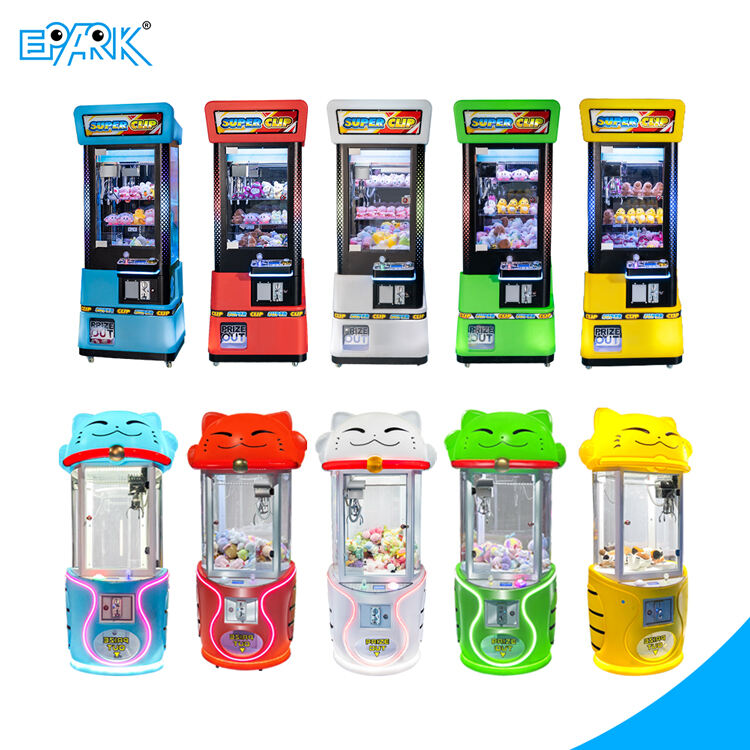
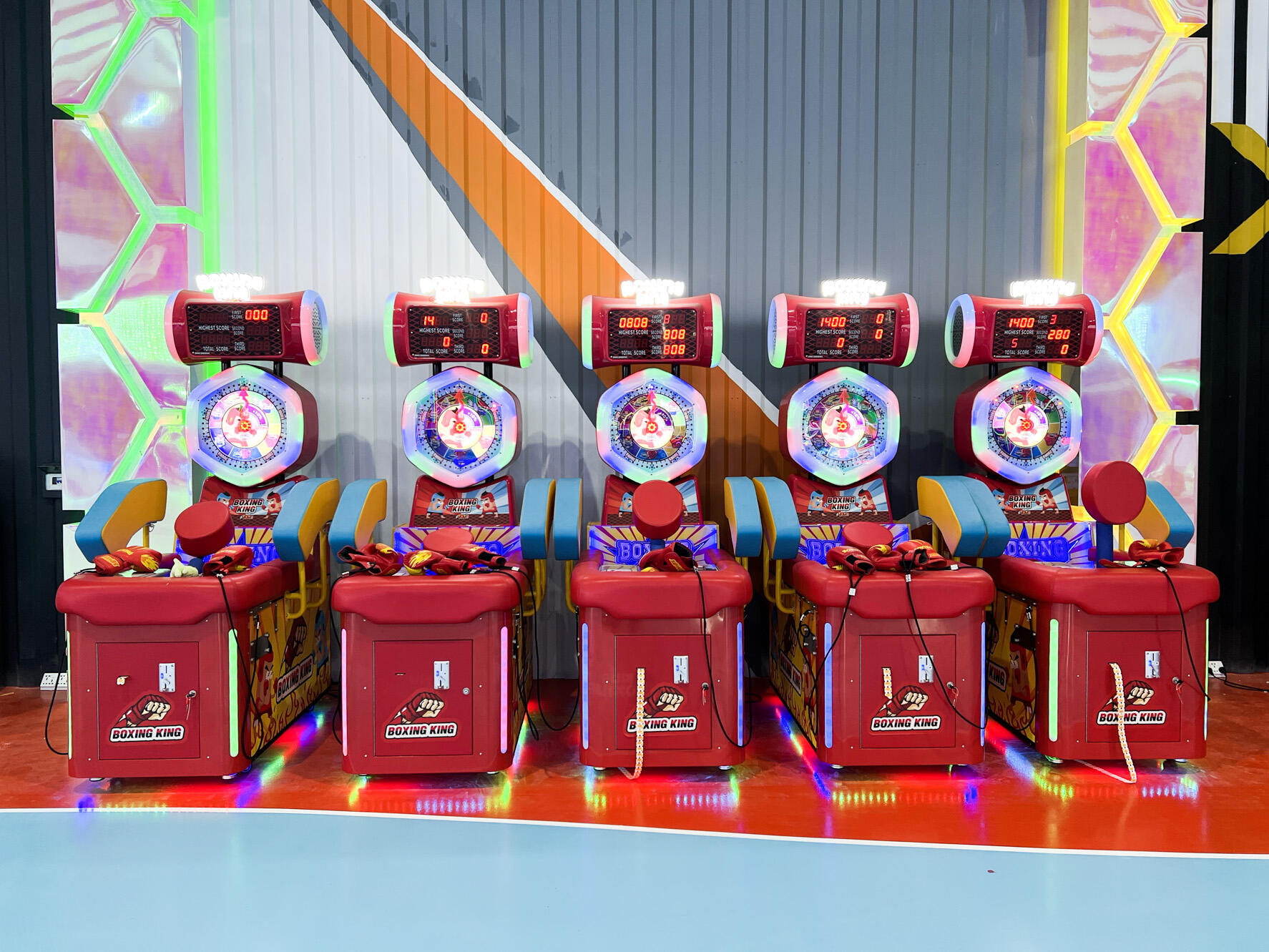
Lottery machines are very similar to claw machines for sale and boxing arcade games, at least in terms of how they keep you playing. And they both generate the same atmosphere of confrontation and excitement by combining elements of the arbitrary and those of skill. Recreation games in arcades frequently allow players to test skill, thus making a win more satisfying, but lottery machines present us with a luck-based test of our proclivity for vagaries. It's just a machine gun, and statistics show arcade games are popular enough to be compared to lottery machines, with the added bonus that a number of different customer bases between both game machines are attracted to the similarities in lucky-sock like gambling appeal. The kick and randomness is what makes these gaming communities such a dynamic, stimulating place for players.
Cultural Fascination with Instant Fortunes
Much of our fixation on lottery machines is due to public perception and myths about the lottery jackpot. Tales of the lottery celebrities, who suddenly found themselves wealthy, fascinate the masses and inspire imaginations of instant riches. Relatively mundane stories like these have a tendency to spark portrayals on big and small screens, dangled before potential players in the forms of luxury and effortless success. Lottery ticket sales numbers further confirm this high aggregate demand at every level of income and age and point to a strong underlying cultural thirst for getting rich quickly. The fantasy of being able to turn one's life around overnight retains a strong hold on the public imagination, as demonstrated by continued high sales and high participation rates for lottery games.
Mechanics of Lottery Machines: How Chance is Engineered
RNG Systems: The Digital Heartbeat
Digital logic governance by Random Number Generators (RNG) is used in order to constitute the electronic body of lottery machines so that fair and unpredictable results are rewarded. These ingeniously designed algorithms created a random number sequence that was vital to keeping trust with talented players in the game rooms of the past. Multiple algorithms, among them Mersenne Twister and various cryptographic protocols, are used to address the general requirements of randomness some gaming function tend to have. Academic analysis by gaming bodies has established that RNG is fair and random resulting in RNG becoming the industry standard for the gaming market.
Draw Processes: From Physical Drums to Digital Systems
The process of lottery draws has actually evolved considerably from those old-style old-boye drums. In the beginning, lottery draws were operated manually and were not necessarily the safest form of game, now with the latest technology in place draws are shared live and on websites 24 hours a day and offer drawers more fun than ever before. Digitalization provides higher grades of accuracy with audit trails and eliminates the prospect of operating error out of human error. Experts concurred that while digital systems offer immense benefits, they have their hazards too, including cyber threats, and it's important to put security rules in place. And as more and more tattoos go digital, there is still a balance to strike between efficiency and security.
Ticket Validation and Payout Mechanisms
Ticket validation and payout processes are important lottery system features that make sure that winners are successfully validated and paid. And can help with future-proofing with digital validation techniques like QR codes or digital scanners that establish a baseline of trust and prevent fraud. Payout dynamics influence player perception through the way earnings are paid out and their effects on trust in the system. Figures indicate a higher participation rate for a see-through payout process, indicating that the more certain the players are they are being treated fairly, the more they are likely to participate. Strong and secure validation systems also ensure the lottery games are run with integrity— and that is crucial to continued prosperity of the games.
The Allure of Chance: Why Lottery Machines Captivate Us
Psychology of Uncertainty and Reward
Our minds are held in thrall by the lottery machine, the superstitions surrounding the 7, and the cognitive-psychological principles that coordinate our relationship with chance. The pros on behavioral economics tell us that unpredictability provides a sort of psychological rush that fulfills our basic need for risk and reward. Research like that explaining how human brains get an extra dopamine rush while gambling speaks to the pull of chance that separates [arcade machine](#) from other slot machines on the market, which are often as similar to arcade games as not. With arcade games the challenges are often skill based and the risk and reward isn’t typically as unpredictable or satisfying as the mind games that lottery machines play.
Parallels with Arcade Chance Games
There are some intriguing parallels between lottery machines and arcade games, both of which create an environment which is very competitive and action packed. Both have elements of chance and uncertainty which ensure that the players continue to find them interesting, and which emphasizes different aspects of skill. Lotteries are designed for randomness, whereas arcade games also mix skill with chance. According to statistics, there is rapid growth of interest in arcade chance games. It also shows interesting differences in the age of the players of this type of games in contrast with age of players of lottery machines. This is consistent with a universal cultural appeal for games of chance and emphasizes the thrill-inducing potential of these games.
Cultural Fascination with Instant Fortunes
It's no mystery as to what makes lottery wins so attractive; Their allure is embedded deep within the social and cultural fabric, depicted time and again in the form of high-profile individuals and their miraculous turn of fortunes. That fascination is exacerbated by media depictions in films and shows that make sudden wealth feel accessible. Such representations increase player interest, sparking hopes of overnight wealth. Lotto ticket sale numbers provide a statistical demonstration of interest in this obsession, it’s particularly obvious in demographics more likely to covet quick money. The story of the culture in which quick riches are available has maintained participation by reiterating the exciting possibility of a life change.
Decoding the Odds: Probability in Lottery vs. Arcade Games
Calculating Lottery Win Probabilities
When playing the lottery, it is vital to know the maths behind the chances of winning, and for those who are eyeing to play lotto games, it is important to understand basics of how to play and win lotteries. There are various mathematical equations each version of the lottery is based on, be it scratchoffs or a multi-state game like Powerball. For example, you have only a 1 in 292 million chance of winning the Powerball lottery, just to illustrate how difficult it is to match five white balls chosen from 69, plus one red Powerball chosen from 26. Different types of lottery games present different odds; some scratch-off games have better odds of small wins, but the odds of a big win are lower. Comparative statistical analysis through the years has revealed that the odds seem to be the result of weighting for jackpots in a way which favours less frequent payouts and life changing potential winnings – you know, to keep things interesting and the punters coming back.
Comparative Odds: Air Hockey vs. Jackpots
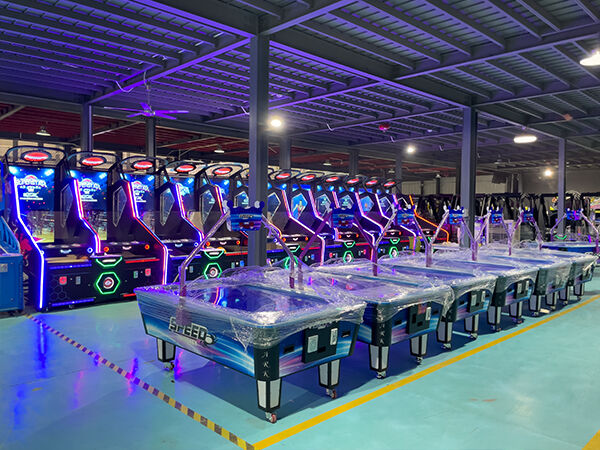
When considering the odds of winning arcade games such as air hockey compared to lottery jackpots it’s important to bear in mind the level of skill involved versus pure luck. Games one would find in an arcade, like air hockey, are based mostly on skill, there's a greater likelihood of coming out on top just by practicing and being good at them. Unlike, lotteries that are chance, so, the odds are therefore much smaller as with lotteries you decide on a set of numbers and hope they drop! That probability gap is explainable at a more meaningful level of analysis: "the? "psychological" level For players, the difference in probability here has a dramatic impact on their attitudes toward fair play: arcade games seem more? "fair" because they require a degree of skill, while the lottery seems more fair despite its massive long odds because of its huge potential winnings. Research on player behavior has shown that, while those who play arcade games tend to play repeatedly and practice to develop skills, lottery shoppers tend to buy tickets on a whim, hoping for a big payday.
The House Edge in Chance-Based Systems
House edge also influences player outcomes and expectations in the lottery and arcade games. In the case of lotteries, the house edge comes from the discrepancy between ticket sales and the amount that is paid out in prizes, which in many cases can be an enormous portion retained by whoever is organizing the lotteries. This will ensure a large winner or winners, but that operations as a whole are making money. Arcade games even have a house edge; games of chance like claw machines are programmed to remain profitable in the long run. Industry insiders claim that the knowledge of house edge helps casino enthusiasts to set realistic expectations and better control their involvement. The house edge on lotto games can reach up to 50% arcade games can vary wildly in potential depending on the game’s mechanics and design.
By comparing these elements, players can make informed decisions about engaging with either form of entertainment, balancing the thrill of skill-based challenges or the dream of random substantial wins.
Responsible Play: Strategies and Realistic Expectations
Myth-Busting Common 'Systems'
There are all sorts of myths in the gambling world, and these also apply to lottery playing and lottery systems people claim work. Despite the attraction of such systems, it’s important to note that the vast majority of them have no statistical bearing on improving your odds. Those suggestions are generally technically true but not helpful, I’ve heard it all.” — Larry Lesser, professor of mathematics What is really interesting is that psychology can help us understand why people are attracted to the fact that these myths are true, and in part, it is because these myths quite nicely align with the biases we are already comfortable with when it comes to gambling and probability. In addition, math supports this as well, as no matter how you pick your numbers, the odds of winning do not change.
Budgeting for Entertainment Value
Playing the lottery should generally be considered an ‘entertainment only’ option and not a way to make money; unless you plan to make a business of it playing zero-hole roulette, poker or the slot machines. (Also if you play lotto make sure you set an entertainment budget for it and don't spend more than you can comfortably afford) Responsible gambling is primarily about establishing clear limits and discipline around gambling habits. Keep an eye out for such problem gambling warnings as chasing losses, or letting your financial responsibilities become secondary. Lotteries as entertainment take fun over money, a place from which we all can gamble without taking financial losses.
Recognizing Gambling Harm Safeguards
''There are, of course, protections against problem gambling that have been implemented. Enrollment in self-exclusion programs and access to counseling are needed to assist people who wish to reduce or stop gambling on their own. Responsible gaming initiatives conducted by both industry and government seek to reduce harm and damage associated with gambling through education and dissemination. Research indicates such measures can be effective in encouraging healthier gambling. One such initiative has been self-exclusion programs, which have allowed people to take control of their gambling and created a safe gaming landscape for everyone.