 EN
EN



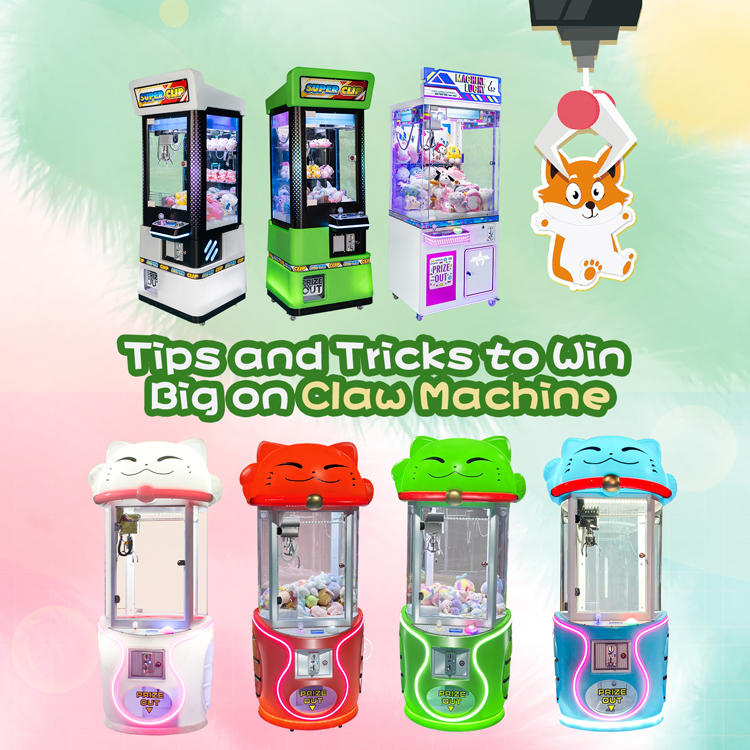
Understanding Claw Machine Mechanics
How Claw Machines Work: The Science Behind the Game
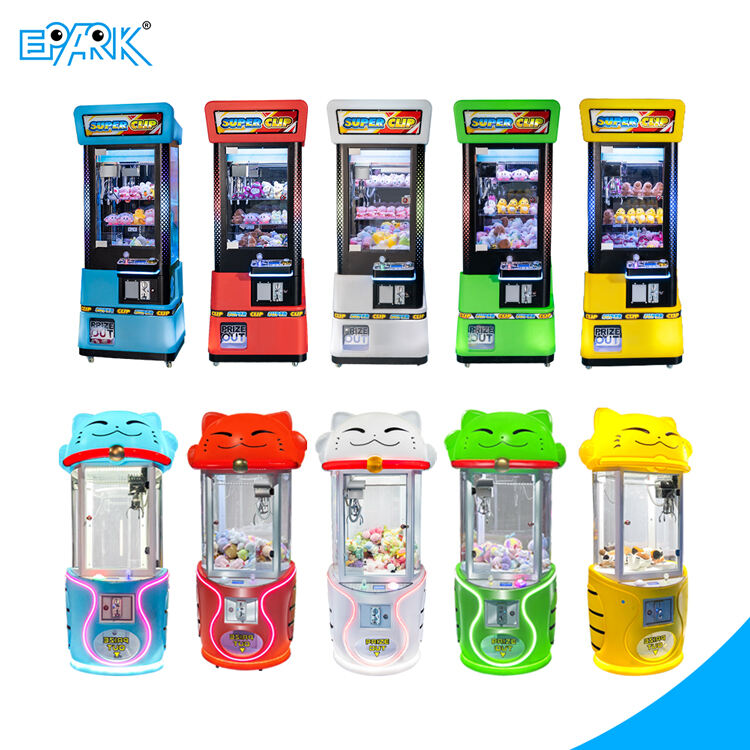
Arcade claw machines really grab people's attention because they mix science with fun gameplay. What makes them work? Well, the claw itself is pretty complex stuff. It needs just the right amount of pressure to hold onto toys without crushing them. Manufacturers play around with different materials and how tight the grip should be so the claw can pick up various sized prizes. But it's not just about metal parts. These machines also have computer brains inside that tell the claw exactly when to move and where. Programmers set everything up so the claw looks like it works normally but actually controls how often someone wins something. Players get hooked trying to figure out what makes each machine tick differently from others. Some folks spend hours watching patterns and learning tricks that might give them better odds at grabbing that coveted stuffed animal or action figure.
Key Components That Influence Success Rates
A claw machine has multiple key parts that really influence whether someone walks away with a prize or not. The actual claw is super important here. Its size matters a lot, along with how tight it grips things and what kind of material makes up the fingers themselves. These factors all play into whether or not something gets picked up successfully. Behind the scenes, there are motors and sensors working together pretty well most of the time. They control where the claw moves and help it grab onto prizes when possible. Different arcade claw machines aren't exactly alike either. Some have tighter settings than others, which means some games just plain give better odds than others. Manufacturers say most claw machines only let people win about 10% of the time on average. That number alone shows why knowing how these machines work inside out gives players an edge. Looking closely at each component helps figure out better ways to approach playing these games and maybe walk away with that coveted stuffed animal after all.
Home vs. Arcade Models: What 'Claw Machine for Sale' Really Means
Home and arcade claw machines differ quite a bit when it comes to design and how they work. Arcade versions tend to be bigger overall with all sorts of fancy mechanical bits inside since they need to handle lots of players throughout the day. Home units on the other hand are built smaller so they fit into living rooms and apartments, plus they're generally easier to operate for folks who just want some fun at home. Some people think home machines must be easier to win on too, but that's not necessarily true either. Gamers actually love home arcade setups because they can tweak almost everything about them to match what feels good personally. Market research shows these home models are selling better lately as more folks get into customizing their own entertainment spaces. Knowing what separates these options and keeping an eye on what's trending helps anyone shopping around pick out something that really works for their situation.
Analyzing Prize Placement Patterns
Getting a handle on how prize placement affects psychology matters a lot for anyone wanting to do better at claw machines. Arcade folks know this stuff inside out and arrange the prizes in ways that steer what people go after. Some items look easier to reach than others because of where they're put. Take edge prizes for instance they tend to be harder grabs since the claw doesn't really stretch all the way there plus it lacks grip power. Central ones usually seem within reach even if they aren't always the easiest catch. Operators play games with our expectations too. They'll bunch up those fancy expensive toys together to make them stand out more. And then there are those little trinkets right in front everyone sees them first so we keep trying again and again hoping maybe this time will work.
Positioning Techniques for Different Machine Types
Knowing what sets different claw machines apart really makes a difference in how often someone wins. Some models are trickier than others, so where a person stands matters quite a bit. At amusement parks, these machines tend to be pretty complicated setups with flashy lights and colors meant to catch attention. But when we look at dedicated arcades, they usually have simpler prize arrangements that make it easier for folks to grab things. Getting good at this game means changing tactics depending on what kind of machine it is. Players should try moving around carefully to get better angles and control over the claw. Line up the crane right above the prize whenever possible, and don't forget those rotating features some machines have. Serious gamers will tell anyone who'll listen that figuring out each machine's quirks is half the battle. Observation counts for a lot too – watching how other people play can give hints about what works best in certain situations.
Perfecting the Drop Moment for Precision Grabs
Getting the timing right when dropping the claw makes all the difference if someone wants to actually win something from those machines. The second the claw lets go matters a lot for whether it sticks or not. Every machine works differently too - some have faster drops while others seem to drag out the action. Most people just keep trying again and again until they get lucky, but there's definitely a pattern to figure out here. Experts say matching what the machine does with what the player does at just the right time creates better results. And folks who watch these games closely notice winners tend to hit that sweet spot more often than random guessers do, making their casual plays turn into actual prizes way more regularly.
Avoiding Premature Release Mistakes
Too many people lose games because they hit the drop button too early. This premature release problem keeps players from actually winning those prizes they want so badly. Most folks just get impatient and let go before the right time. Keeping eyes locked on that button matters a lot if someone wants to avoid making this costly error. Some good advice? Keep hands steady, take deep breaths between tries, and really pay attention until it feels absolutely right to press down. Look at what top players do when they play claw machines all day long every week. They've mastered the art of waiting for that perfect second. The numbers back this up too. People who wait patiently tend to win about twice as often as those rushing through their attempts. With practice, even total beginners can become pretty decent at figuring out when exactly to let go of that lever.
Assessing Payout Rates and Difficulty Levels
Picking out a claw machine where winning feels possible starts with looking at how often it pays out and how hard it actually is to grab prizes. These payout rates get shaped by laws that differ from place to place across the country, which means knowing what's allowed locally matters a lot if someone wants to walk away with something most of the time. Before diving in, creating a simple list helps track down machines worth trying based on their actual performance history rather than just guessing.
- Review the machine's label or description for details on payout frequency.
- Research regulations that limit payout adjustments by machine operators.
Looking at stats across different slot machine brands shows there's quite a range in how often people actually win. Big name manufacturers usually publish info on their websites about how frequently certain machines payout, so gamblers can check this before playing. The difficulty level matters too - some slots just plain work harder against players with trickier mechanics or really tight claw systems. A good idea before dropping coins into any machine is to watch it run for a bit or even try pulling levers yourself to see if it responds well and what kind of grip power it has. Most seasoned players will tell anyone willing to listen that going for machines which seem to hit regularly or have slightly looser grabs tends to give better returns over time. While no strategy guarantees wins, understanding these factors definitely helps when picking out potentially profitable machines at casinos.
How Claw Machines Compare to Air Hockey & Boxing Arcade Games
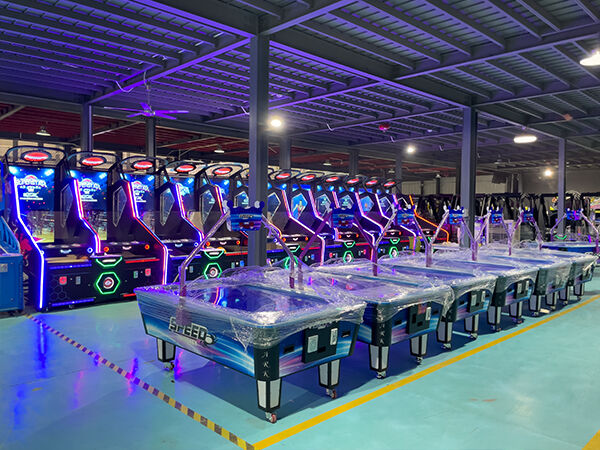
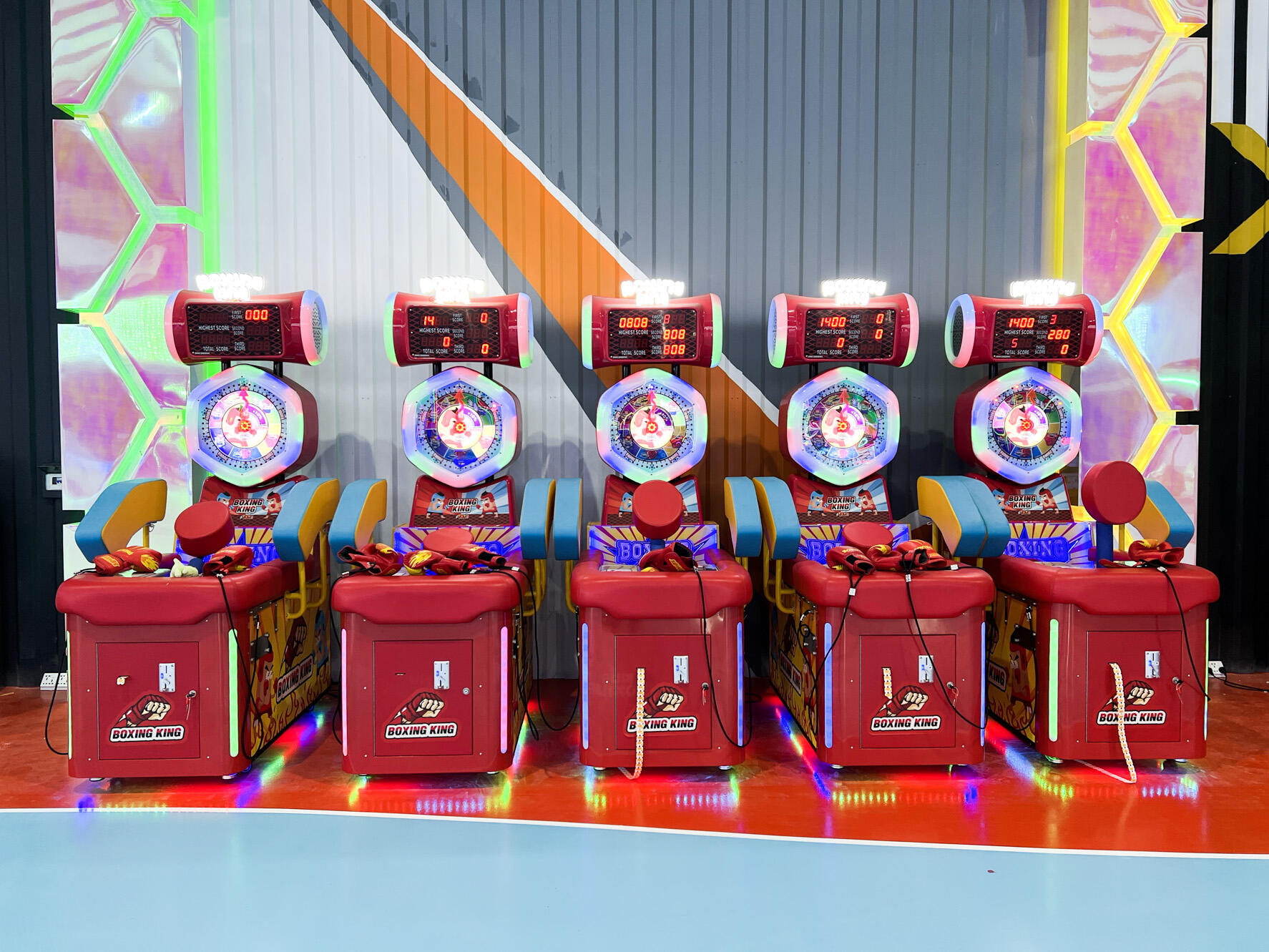
Arcade claw machines stand apart from games such as air hockey tables or boxing simulators when it comes to how players actually interact with them. Traditional arcade games give folks something physical to do with their hands while claw machines are all about figuring out just the right moment to let that metal grabber descend. What makes these coin operated beasts so addictive? Well for starters, nobody really knows what their chances are of winning anything. Some days they work great, other times not so much. Getting good at timing those drops takes practice though, which is part of what keeps people coming back again and again despite the odds stacked against them.
Looking at return on investment, claw machines stand out as something special when compared to other options available. Air hockey tables and those boxing games definitely need some skill and physical effort from players, but claw machines are different. They promise big payouts without seeming too risky to most people who try them out. The fact that these machines are generally easy to play and accessible makes them popular throughout various arcades. Arcade owners often put claw machines where lots of foot traffic happens naturally, which means they tend to draw in more casual gamers than some of the other attractions.
What people like when they play games at arcades often depends on how often they win and what kind of fun they're looking for. Some folks who want something slow but still satisfying tend to go for claw machines where they try to grab prizes. Others get excited about quick games like air hockey or even the old school boxing machines that require some real effort from players. Getting to know these differences helps gamers pick out machines that actually match what they enjoy most. A lot of regulars will tell you this makes all the difference between walking away happy or feeling frustrated after spending time at the arcade.
Observing Machine Cycles Like a Pro
Getting good at winning on those claw machines isn't just luck. The pros know all about machine cycles and how they work. They watch for things like when the claw gets weaker or stronger, or notice if there's a pattern to when prizes drop out. Some folks spend hours just sitting there watching one machine until they figure out its rhythm. Many serious players keep notes somewhere, maybe even in old fashioned notebooks instead of fancy spreadsheets, tracking which settings work best for different games. There have been studies done on this stuff too, showing that yes, there really are patterns people can learn to beat the odds. What starts as simple fun becomes something more calculated over time, similar to learning how to play air hockey strategically or getting better at timing punches in boxing games.
Budget Management Strategies for Arcade Enthusiasts
Arcade fans know that keeping track of money matters makes all the difference between fun times and empty pockets down the road. When people set aside cash specifically for claw machine attempts, they get more bang for their buck without going broke trying to grab that plush toy. Some folks download budget tracking apps on their phones, others team up with buddies and split costs so everyone gets extra turns. The real pros tell tales about how sticking to strict spending rules works wonders, kind of like managing household finances but with fewer spreadsheets. Most advice circles back to the same thing though: figure out what's affordable before heading to the arcade. After all, nobody wants to miss out on the excitement because they spent too much last week. Good budget habits matter just as much as learning when to pull that lever at exactly the right moment.
Table of Contents
-
Understanding Claw Machine Mechanics
- How Claw Machines Work: The Science Behind the Game
- Key Components That Influence Success Rates
- Home vs. Arcade Models: What 'Claw Machine for Sale' Really Means
- Analyzing Prize Placement Patterns
- Positioning Techniques for Different Machine Types
- Perfecting the Drop Moment for Precision Grabs
- Avoiding Premature Release Mistakes
- Assessing Payout Rates and Difficulty Levels
- How Claw Machines Compare to Air Hockey & Boxing Arcade Games
- Observing Machine Cycles Like a Pro
- Budget Management Strategies for Arcade Enthusiasts