
 EN
EN


Key Factors When Choosing Arcade Machines for Small Venues
Space Requirements and Machine Dimensions
Space considerations are key when choosing arcade machines for smaller locations. Before making any purchases, it helps to figure out exactly how many units fit comfortably while still leaving room for players to move around. Most common arcade games measure between 24 and 30 inches wide, standing anywhere from 6 feet to nearly 6 feet tall. These basic size ranges give operators a good starting point for their layout plans. Safety matters too, so don't forget about walkways and emergency access points. Local fire codes often require minimum clearances between equipment and walls, plus enough space between machines so people aren't bumping into each other mid-game. A well thought out arrangement makes everyone happier and keeps potential hazards at bay.
Popularity vs. Niche Appeal: Balancing Player Preferences
Finding the right mix between big name games and those offbeat titles matters a lot when trying to draw different kinds of people into arcades. First thing to do? Figure out who actually comes through the doors most often. Are they teenagers looking for fast action or older folks nostalgic for classic coin ops? Surveys work okay, but sometimes just talking to regulars gives better insight than any poll ever could. Watch what's happening across the industry too because things change fast these days. Retro consoles are making a comeback while motion controlled games keep getting better each year. Mix it all together and what we get is an arcade floor that keeps everyone coming back for more instead of turning them away disappointed.
Durability and Maintenance Needs for High-Traffic Areas
When picking out arcade machines for places where people come often, durability should be at the top of the list. Look for units built to handle all that action without breaking down or losing quality over time. Check what kind of upkeep each model needs too. Some popular brands stand out because they're easier to fix and get back online fast after problems occur. Manufacturers usually provide stats on how long their machines typically last before needing major work, plus typical repair bills. These numbers matter a lot when figuring out if an investment makes sense financially in the long run. A good approach saves money down the road by avoiding surprise breakdowns while keeping games running smoothly for customers day after day.
Top Arcade Machine Types for Compact Entertainment Spaces
Claw Machine for Sale: Crowd-Pleasing Classic
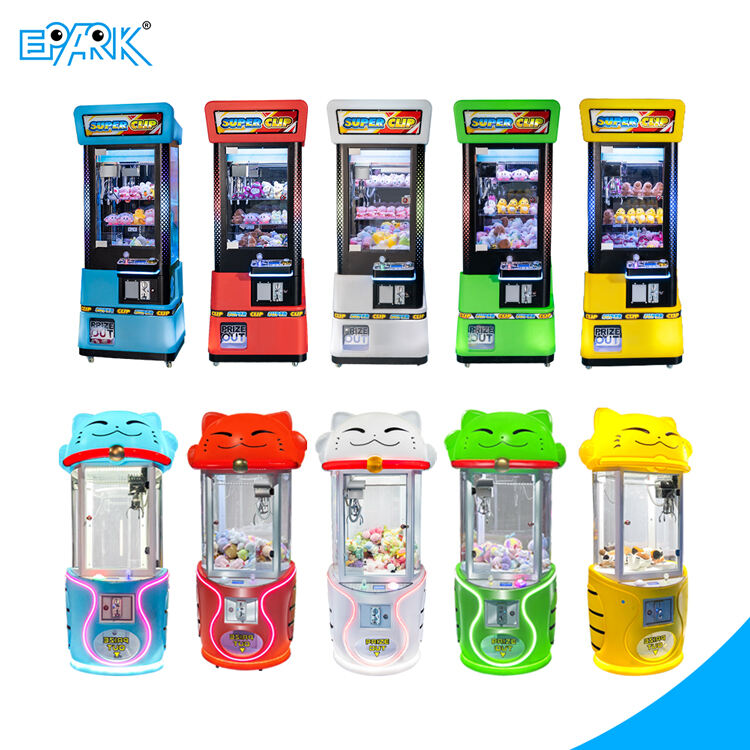
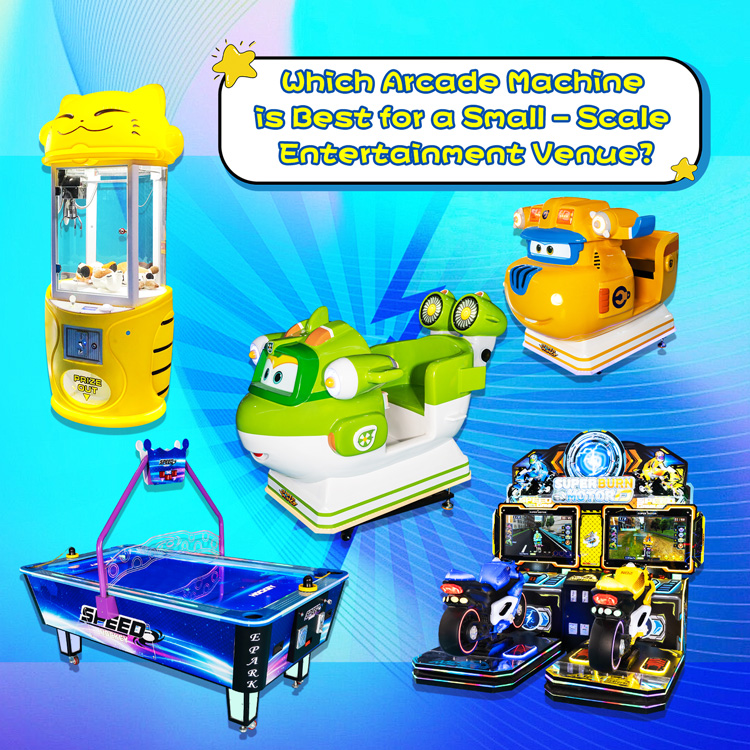
Claw machines have become pretty much standard fare at arcades everywhere, mostly because people love the thrill of trying to grab that prize right away. They really bring folks in too since kids and adults alike get hooked on the challenge. Operators often set up ticket deals that make customers want to play again and again, which naturally boosts what comes out of the cash register at the end of the day. There's also something special about how these machines can be dressed up to match whatever look an arcade wants. Some places put holiday themes on theirs during Christmas time while others go all out with superhero motifs. This customization means claw machines aren't just fun for players but actually help promote the business itself when done right.
Air Hockey Tables: Interactive Social Gaming
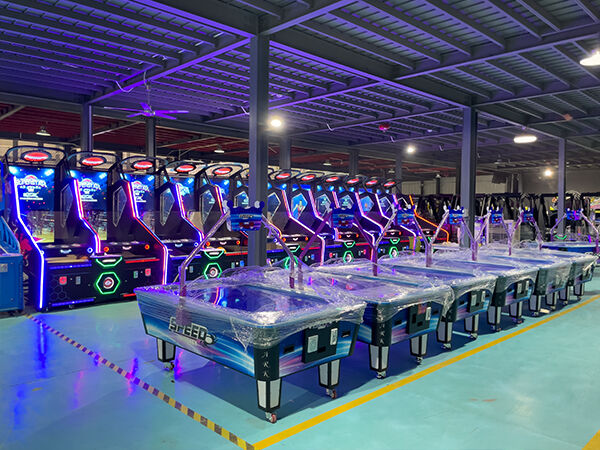
Air hockey tables offer some serious fun with their fast-paced action that gets people talking and laughing together while they play against each other. No wonder they're so loved by big groups and family gatherings wanting something entertaining to do. Getting one installed requires some room though usually around 7x4 feet plus extra space where folks stand to hit the puck. Bars and game centers often run special events too like weekend tournaments offering cool prizes which keeps regulars coming back week after week. These kinds of promotions really boost repeat business because once someone wins something nice, they tend to want another shot at beating their previous score.
Boxing Arcade Machine: High-Energy Attraction
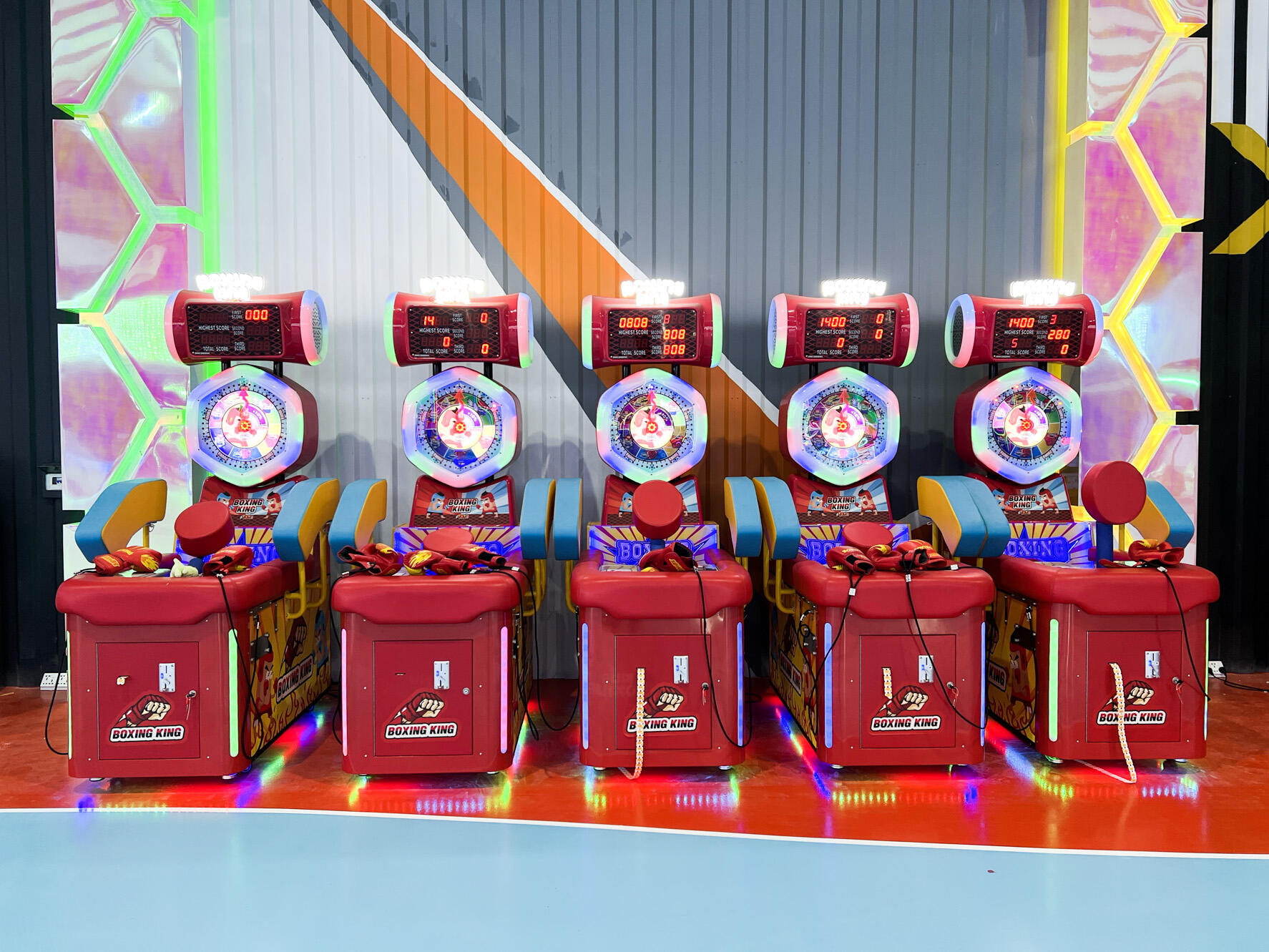
Boxing arcade games really grab people's attention because they deliver that intense, action-packed fun everyone loves when looking for something exciting to play. Even though these machines come in different sizes, finding the right spot still matters a lot, especially making sure there's enough headroom so nobody hits their forehead during those wild punches. If places want to get more customers interested, teaming up with big name boxing brands or major fights makes sense. When a venue partners with recognizable names from the ring, it naturally pulls in fans who already follow those fighters. This kind of collaboration just makes everything stand out more in whatever entertainment area it sits in.
Maximizing Revenue in Limited Spaces
Strategic Layout Design for Traffic Flow
Maximizing revenue from small spaces starts with creating layouts that pull people in and keep them around. When patrons can see all the games at once, they're more likely to give something a shot, which naturally leads to longer stays at the venue. Good floor plans pay attention to how folks actually move around. We've seen places where customers get stuck between machines because someone didn't think about real world movement patterns. Getting entry and exit right matters too many arcades waste space by making exits feel cramped or hidden. Visual guides work wonders for navigation. Bright signs pointing toward popular games or special promotions help visitors find their way without feeling lost, and this kind of subtle direction keeps people exploring longer than they otherwise would.
Combining Skill-Based and Chance-Based Games
A good blend of games that require skill and those based on luck works wonders when trying to draw in different crowds and increase profits. Games where people can show off their skills, think of air hockey for instance, tend to attract folks who love competing and getting better at something. On the flip side, games of chance like claw machines offer quick wins that hook a wider variety of players. Looking at what brings in the money helps spot which combinations work best for specific groups of customers. Getting input from regulars about what they want to see is smart too. Adjusting game selections based on what people actually prefer keeps them coming back, especially when seasonal trends change throughout the year.
Maintenance and ROI Considerations
Cost vs. Profit Potential Analysis
Figuring out whether arcade machines will actually make money or just drain cash is essential before anyone invests serious capital. The first thing to do is figure out how much each machine will set someone back upfront. Boxing games tend to be pricier while claw machines usually come at a lower price point but have different earning potentials. Looking at what other arcades in the area are pulling in gives a rough idea of what kind of money might flow in. Don't forget to factor in regular maintenance expenses too since these things need constant attention over time. Machines typically last around 5-7 years with proper care, so this affects overall returns. Seasonal fluctuations matter a lot too. Summer months often see higher foot traffic compared to winter, and holidays bring extra crowds looking for entertainment. Smart operators track these patterns and adjust their machine mix accordingly based on actual performance data rather than hopeful guesswork.
Service Plans for Boxing Arcade Game Maintenance
Keeping boxing arcade games running smoothly means avoiding downtime and keeping money coming in. Look around at different service options out there, focusing on ones that actually care about getting machines back online fast when they break down. When weighing contract vs spot fixes, think about how busy the location gets and what kind of wear and tear happens daily. Most businesses find that regular maintenance agreements work best because they come with set checkups and faster fixes when something goes wrong. Arcade owners who have been through this before swear by these contracts after seeing their machines stay in good shape longer. Checking out what others in the industry have done with their maintenance routines also helps a lot, especially for those fancy high-end games people love playing. All these approaches help keep the place buzzing with customers instead of sitting empty while technicians fix broken equipment.