
 EN


Introduction
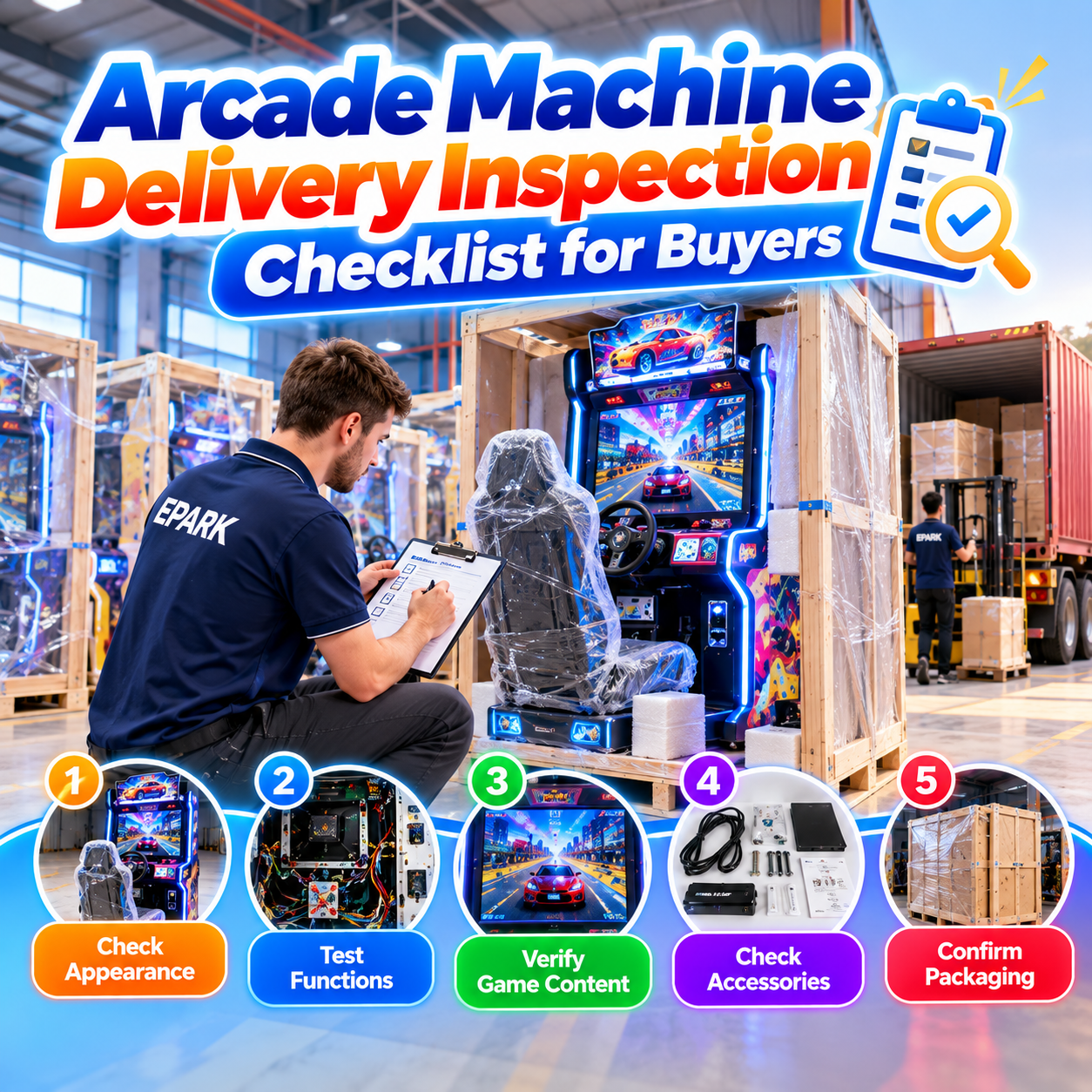
Importing commercial arcade machines is an important investment for family entertainment centers (FECs), amusement operators, and arcade equipment distributors. After selecting a manufacturer, confirming specifications, and arranging international shipping, the next critical step is inspecting the equipment when it arrives.
Although manufacturers normally conduct quality checks before shipment, international transportation involves multiple handling stages. Containers may be loaded, transferred, unloaded, and transported to warehouses or entertainment venues.
These processes can occasionally result in packaging damage, loose components, or other issues that require attention before installation.
A structured arcade machine delivery inspection helps buyers identify potential problems, document equipment condition, and prepare machines for safe operation.
This guide explains the essential steps for checking imported arcade machines after delivery.
1. Prepare an Inspection Checklist Before Delivery
An effective inspection begins before the shipment arrives.
Buyers should collect the relevant purchasing and shipping documents so that the delivered equipment can be compared with the original order.
Important documents include the commercial invoice, packing list, purchase agreement, product specifications, and any available pre-shipment inspection records.
If the manufacturer provides equipment testing videos or packing photographs, keep these files available for comparison.
For projects involving multiple machines, prepare an equipment checklist showing model names, quantities, and expected configurations.
This makes it easier to identify missing items or discrepancies during unloading.
2. Check the Shipping Container and External Packaging
Before opening the equipment packaging, inspect the condition of the shipment.
Look for visible signs of damage, including crushed corners, broken wooden supports, torn protective materials, or signs of water exposure.
If the shipment arrives in a container, check its condition before unloading where it is safe and practical to do so.
Take photographs of any visible damage and record the condition on the appropriate delivery documents.
For serious damage, follow the carrier's reporting procedures and contact the relevant logistics provider.
Do not discard damaged packaging until the issue has been documented and any applicable inspection requirements have been addressed.
3. Verify Machine Quantity and Model Information
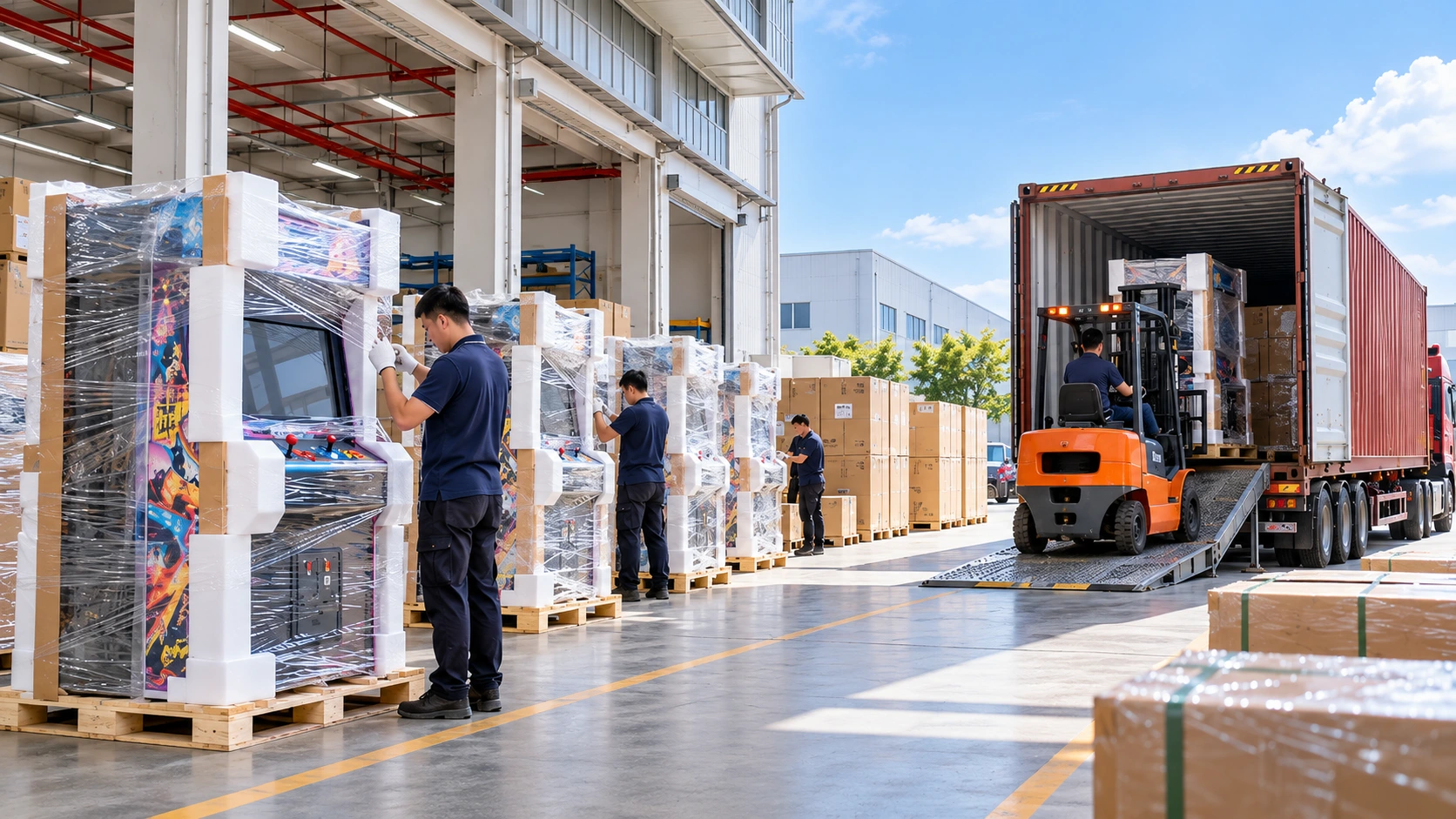
After unloading, compare the delivered equipment with the packing list.
Check that the number of machines matches the confirmed order.
For each unit, verify the model identification and any available serial numbers.
If the order includes different game categories, organize the machines by model to simplify the inspection process.
For example, an FEC shipment may include claw machines, racing simulators, basketball games, and redemption equipment.
Confirming quantities early helps buyers identify shortages before equipment is distributed throughout the venue.
4. Inspect Arcade Machine Cabinets and Exterior Components
Once the packaging is safely removed, examine each machine's exterior.
Commercial arcade cabinets may include metal structures, fiberglass panels, acrylic components, decorative lighting, and electronic displays.
Check for scratches, cracks, dents, loose panels, and other visible damage.
Pay particular attention to vulnerable areas such as cabinet corners, display surfaces, control panels, and decorative components.
Minor cosmetic issues should be photographed and recorded.
If structural damage is discovered, avoid operating the machine until its condition has been assessed.
5. Check Screens, Controls, and Player Accessories
Arcade machines often include components that require careful handling during transportation.
Before powering on the equipment, inspect accessible screens, control devices, and player accessories.
For racing arcade machines, check steering wheels, pedals, seats, and display assemblies.
For basketball machines, inspect the basket structure, scoring area, and ball return components.
For claw machines, examine the control panel, prize compartment, and visible mechanical assemblies.
Ensure that removable accessories listed in the packing documents are present.
Do not force components into position if they appear damaged or incorrectly aligned.
6. Verify Electrical Specifications Before Powering On
Electrical compatibility must be confirmed before connecting imported arcade machines to a power supply.
Different countries use different electrical systems, and equipment configurations may vary according to the destination market.
Check the machine's rating label and technical documentation for voltage, frequency, and power requirements.
Confirm that these specifications match the installation site's electrical supply.
If the equipment requires assembly, grounding, or dedicated electrical connections, follow the manufacturer's installation instructions.
Electrical installation and internal electrical checks should be performed by qualified personnel.
Never power on a machine with exposed wiring, suspected electrical damage, or unresolved voltage compatibility problems.
7. Test Basic Arcade Machine Functions
After the equipment has been safely installed and electrical requirements have been verified, perform an initial functional test.
Start the machine according to the manufacturer's operating instructions.
Check whether the system starts normally and whether the display, lighting, and sound functions operate as expected.
Test the primary gameplay controls, including buttons, joysticks, steering wheels, pedals, or other input devices.
Observe whether the machine responds correctly during gameplay.
If the equipment displays error messages or behaves unexpectedly, record the details and consult the manufacturer before attempting internal repairs.
8. Inspect Payment and Redemption Functions
Payment systems are essential for commercial arcade operations.
Depending on the configuration, machines may use coin acceptors, token systems, card readers, or other compatible payment devices.
Test the installed payment method and confirm that the machine registers game credits correctly.
For redemption equipment, verify ticket dispensing or prize delivery functions according to the manufacturer's instructions.
Claw machine operators should also test the movement mechanism and prize release process.
For machines connected to a centralized payment platform, confirm communication with the management system before opening the venue.
These checks help identify payment-related problems before customers begin using the equipment.
9. Document Problems With Photos and Videos
Clear documentation is important when reporting delivery or equipment issues.
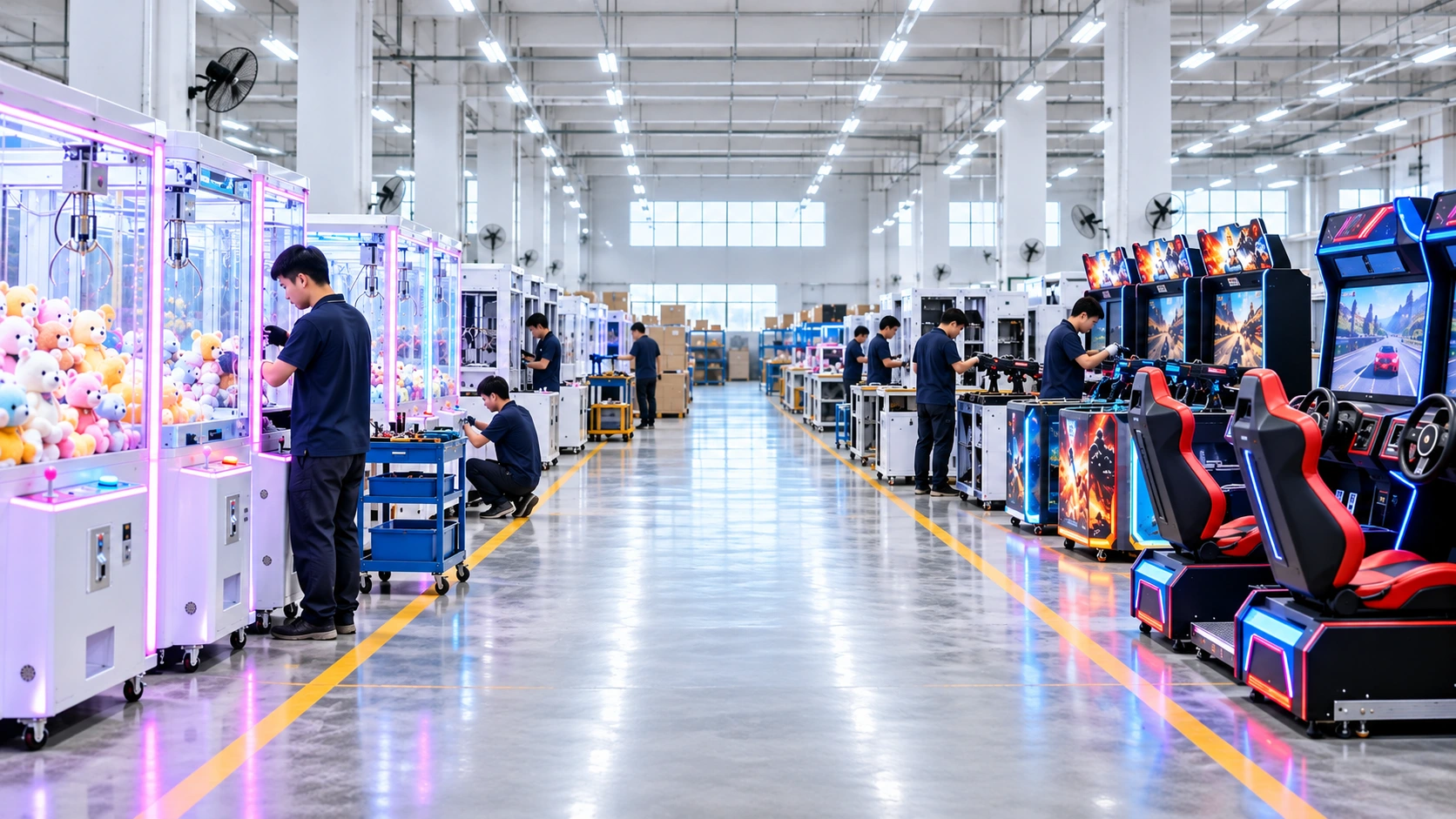
If a problem is discovered, photograph the affected area and record a short video showing the issue when it is safe to do so.
Include the machine model, identification number if available, and a description of the problem.
For example, if a racing machine display fails to start, record the startup behavior and any visible error messages.
If a cabinet panel is damaged, photograph both the damaged component and the surrounding area.
Accurate documentation helps the manufacturer understand the situation and may simplify technical troubleshooting.
It can also support communication with shipping companies or insurers when transportation damage is involved.
10. Contact the Manufacturer for Technical Assistance
If equipment does not operate correctly after delivery, contact the supplier with the inspection records.
Provide the order information, machine identification, photographs, and relevant videos.
Avoid modifying electronic systems or replacing components without appropriate technical guidance.
A professional arcade machine manufacturer should be able to explain troubleshooting procedures, identify compatible spare parts, and clarify available warranty support.
For international buyers, remote technical assistance can be particularly useful when immediate on-site service is unavailable.
Before purchasing equipment, buyers should confirm the manufacturer's warranty terms and after-sales procedures.
11. Complete a Final Inspection Before Opening
After installation and any necessary adjustments, perform a final operational review.
Test each machine under normal operating conditions and confirm that gameplay, payment, sound, lighting, and other relevant functions work correctly.
Check that cabinets are stable, accessible service panels are secured, and customer circulation areas remain clear.
Ensure that staff understand basic operating procedures and know how to report equipment problems.
For large FEC projects, a machine-by-machine acceptance record can help management track installation progress.
The venue should only open equipment for customer use after relevant safety and operational requirements have been satisfied.
12. How EPARK Supports International Arcade Equipment Buyers
Working with an experienced manufacturer can help simplify international equipment purchasing and delivery preparation.
EPARK is a professional commercial arcade machine manufacturer based in Guangzhou, China, with over 14 years of manufacturing experience.
Our product range includes claw machines, racing arcade games, redemption machines, basketball machines, boxing machines, VR equipment, and other commercial amusement attractions.
EPARK provides equipment customization, production quality inspection, protective packaging, and after-sales assistance for international customers.
Before shipment, our team can provide product inspection information and equipment testing videos to help buyers understand the condition of their machines.
For customers receiving equipment overseas, we also offer technical guidance and spare parts support according to the applicable service arrangements.
Explore commercial arcade equipment and project solutions at EPARK Game Machine Factory.
Frequently Asked Questions
What Should I Check First When Arcade Machines Arrive?
Start by checking the shipping documents, machine quantities, and external packaging condition.
Photograph visible damage before unpacking and compare the delivered equipment with the original order.
Should I Test Arcade Machines Immediately After Unpacking?
Machines should only be powered on after installation requirements and electrical compatibility have been verified.
If damage is suspected, contact qualified personnel or the manufacturer before testing.
What Should I Do If an Imported Arcade Machine Is Damaged?
Document the damage with photographs and videos, preserve relevant packaging, and notify the appropriate supplier or shipping provider promptly.
Follow the applicable warranty, freight claim, and insurance procedures.
Conclusion
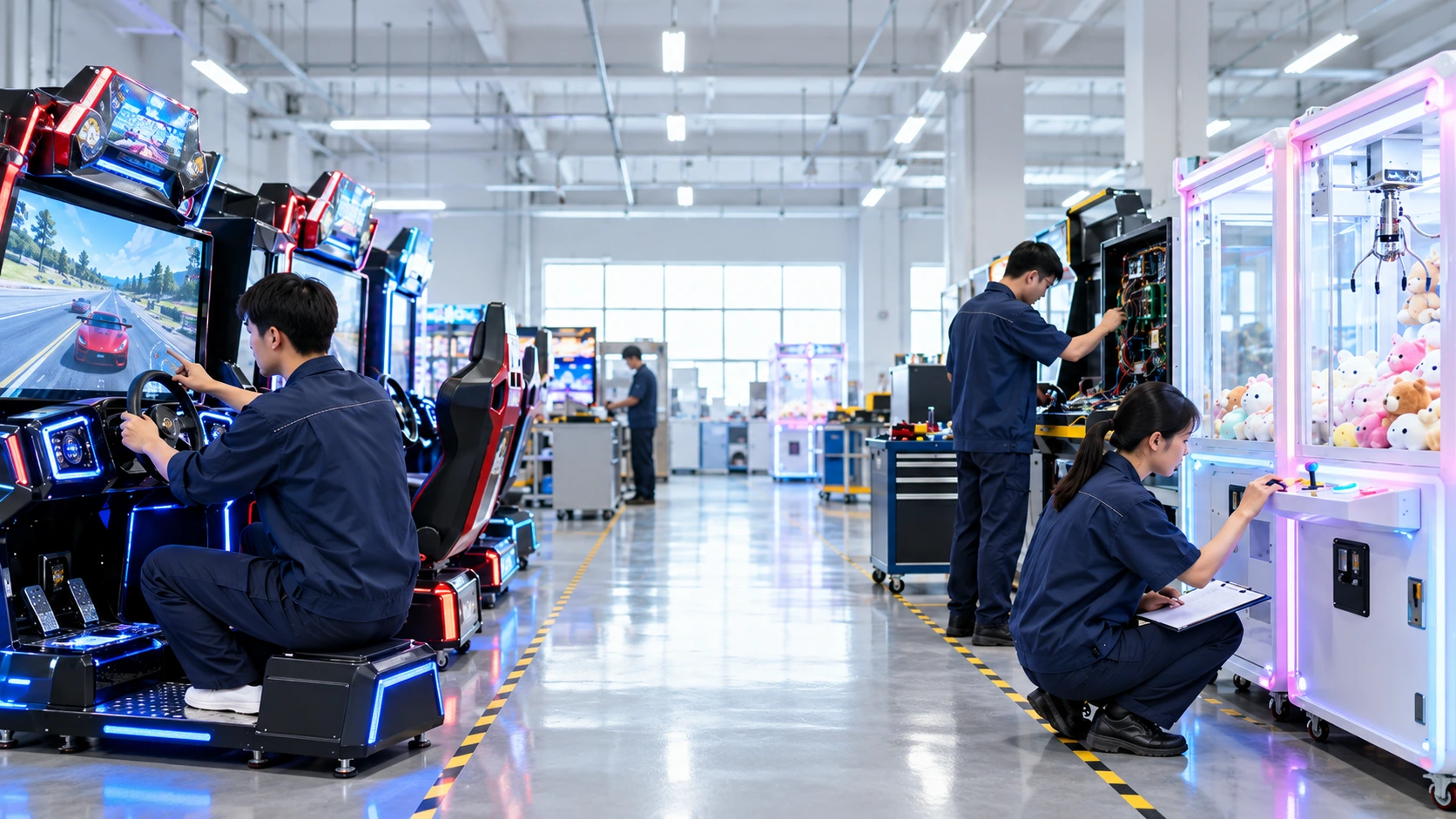
Inspecting arcade machines after delivery is an important step in protecting your equipment investment.
By reviewing shipping documents, checking packaging, examining machine components, verifying electrical requirements, and testing essential functions, buyers can identify potential issues before opening their entertainment venues.
For FEC operators, arcade distributors, and international importers, a structured inspection process also improves communication with manufacturers and logistics providers.
Working with an experienced supplier that offers quality inspection and after-sales support can make international arcade equipment purchasing more manageable.
Visit EPARK Game Machine Factory to explore commercial arcade machines and contact our team for equipment specifications, project planning, and purchasing assistance.
Table of Contents
- Introduction
- 1. Prepare an Inspection Checklist Before Delivery
- 2. Check the Shipping Container and External Packaging
- 3. Verify Machine Quantity and Model Information
- 4. Inspect Arcade Machine Cabinets and Exterior Components
- 5. Check Screens, Controls, and Player Accessories
- 6. Verify Electrical Specifications Before Powering On
- 7. Test Basic Arcade Machine Functions
- 8. Inspect Payment and Redemption Functions
- 9. Document Problems With Photos and Videos
- 10. Contact the Manufacturer for Technical Assistance
- 11. Complete a Final Inspection Before Opening
- 12. How EPARK Supports International Arcade Equipment Buyers
- Frequently Asked Questions
- Conclusion