
 EN


Introduction
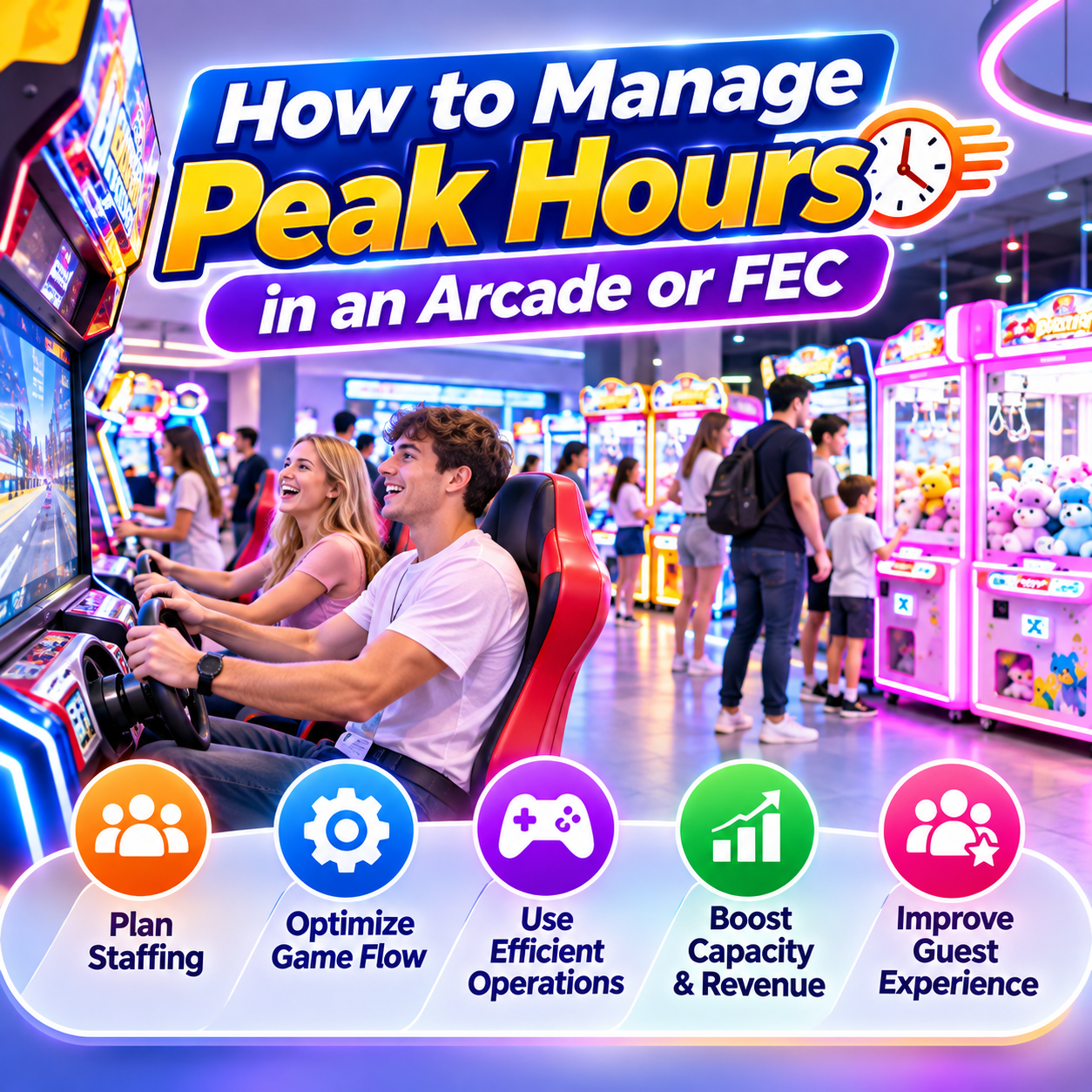
Weekends, public holidays, and school vacation periods are often among the busiest times for commercial arcades and family entertainment centers (FECs). While increased customer traffic creates more revenue opportunities, it can also place additional pressure on equipment, employees, and venue operations.
Long waiting times, crowded gaming areas, unavailable machines, and slow payment processes can negatively affect the customer experience.
For arcade owners and FEC operators, managing peak hours effectively means balancing customer demand with equipment availability, staff efficiency, and safe venue operations.
A well-organized peak-hour management strategy can help reduce unnecessary delays, improve customer satisfaction, and make better use of existing arcade machines.
This guide explains practical ways to prepare your entertainment venue for busy operating periods.
1. Identify Your Arcade's Busiest Operating Hours
The first step in managing peak periods is understanding when customer demand is highest.
Traffic patterns vary depending on venue location, target audience, and local entertainment habits.
Shopping mall arcades may experience increased activity during weekends and public holidays, while entertainment centers near schools may see stronger demand after school hours.
Operators should review historical visitor numbers, payment transactions, and machine usage records to identify recurring patterns.
Important information includes:
Daily customer traffic
Peak arrival times
Most frequently used machines
Average customer waiting times
Staff workload during busy periods
Analyzing this information helps operators prepare staffing schedules and equipment availability before demand increases.
2. Keep Popular Arcade Machines Ready for Use
During peak hours, popular arcade machines may operate continuously.
A malfunctioning machine can create longer queues and reduce the number of available attractions.
Before busy periods begin, staff should inspect frequently used equipment and confirm that essential functions operate correctly.
For example, racing arcade machines should have responsive steering controls and working displays.
Basketball machines should register scores accurately, while claw machines should operate according to their configured gameplay settings.
Payment systems and ticket dispensers should also be checked.
Preventive inspections can reduce avoidable interruptions, although they cannot eliminate every equipment failure.
3. Organize Arcade Machines Into Clear Gaming Zones
A well-organized arcade layout can make busy periods easier to manage.
Grouping similar machines helps customers identify the activities they want to play without moving unnecessarily throughout the venue.
For example, operators may create separate areas for:
Racing arcade games
Claw machines and prize games
Basketball and sports machines
Redemption games
VR entertainment equipment
Children's amusement attractions
Clear signs and visible pathways can help visitors navigate between these areas.
Operators should ensure that queues and spectators do not block emergency exits, accessible routes, or other required circulation spaces.
4. Reduce Waiting Times at Popular Attractions
Long queues are common when several customers want to use the same machine.
While some waiting is unavoidable, operators can take practical steps to improve the experience.
Provide Clear Game Instructions
Customers who understand the gameplay and payment process can begin playing more efficiently.
Display simple instructions near machines when appropriate.
Use Queue Management Where Necessary
For high-demand attractions, designated waiting areas can help organize customer movement.
Staff may also provide estimated waiting information when reliable operational data is available.
Offer Alternative Games
When a popular machine is occupied, employees can recommend similar attractions.
For example, customers waiting for a multiplayer racing game may be interested in another driving machine or competitive sports game.
The goal is to provide entertainment choices without pressuring customers into unwanted purchases.
5. Schedule Employees According to Customer Demand
Staff availability is particularly important during busy operating periods.
A venue that operates efficiently during quiet hours may require additional employees on weekends or holidays.
Operators should identify which activities require the most staff attention.
These may include payment assistance, prize redemption, machine troubleshooting, cleaning, and customer support.
Assign Clear Responsibilities
Employees should understand their assigned tasks and know who to contact when problems occur.
Position Staff Near High-Traffic Areas
Popular gaming zones and redemption counters may require more frequent supervision.
Prepare for Unexpected Issues
Staff should know how to respond to equipment faults, customer complaints, and safety concerns.
Clear communication and appropriate training help teams manage busy periods more consistently.
6. Improve Payment and Recharge Efficiency
Payment delays can create congestion, especially in venues where customers purchase credits before playing.
Arcade operators should review how customers pay for games and whether the payment process remains convenient during peak periods.
Coin-operated machines may require regular coin collection and acceptor maintenance.
Cashless systems may allow customers to use rechargeable cards or other supported payment methods across compatible machines.
For venues using centralized payment systems, additional recharge points may help distribute customer demand.
However, payment infrastructure should be selected according to actual traffic, operating costs, and system compatibility.
7. Prepare Prize Redemption Areas for Busy Periods
Redemption counters can become crowded when many customers finish playing games around the same time.
Operators should ensure that popular prizes are adequately stocked and clearly displayed.
Prize labels and ticket requirements should be easy to understand.
For venues using electronic redemption systems, staff should confirm that the equipment and management platform function correctly.
Organizing prizes by category or redemption level can make customer assistance more efficient.
Regular stock reviews also help reduce the risk of running out of popular rewards during busy periods.
8. Maintain Cleanliness and Customer Comfort
High customer traffic can increase cleaning and maintenance requirements.
Control panels, frequently touched surfaces, and shared gaming areas may need additional attention throughout the day.
Operators should also monitor ventilation, temperature, and general venue cleanliness.
Waste bins should be emptied when necessary, and spills should be addressed promptly.
Comfortable customer circulation and clearly maintained public areas contribute to a more positive entertainment experience.
For family-oriented venues, staff should pay particular attention to areas used by younger visitors and accompanying adults.
9. Monitor Machine Utilization During Peak Hours
Understanding how frequently machines are used can help operators improve equipment management.
Machine utilization can be assessed using play counts, transaction records, and operating time.
For example, a machine receiving continuous customer demand may justify additional equipment capacity in the future.
However, high utilization does not automatically mean that purchasing another identical machine will be profitable.
Operators should consider equipment cost, available space, customer demand, and expected operating expenses.
Regular performance reviews help identify which attractions contribute most effectively to the venue's business model.
10. Plan Promotions Without Creating Operational Problems
Promotional events can attract additional customers, but poorly timed promotions may create excessive congestion.
Before launching special offers, operators should consider available equipment capacity and staffing resources.
For example, a weekend racing competition may attract groups of players to one gaming area.
The event should have clear participation rules, suitable supervision, and a practical schedule.
Promotions during quieter periods may also help distribute customer demand more evenly.
Operators should evaluate the results of each promotion and adjust future activities according to actual performance.
11. Prepare for Equipment Problems During Busy Hours
Even well-maintained arcade machines can occasionally experience technical problems.
During peak periods, quick identification and appropriate response are important.
Staff should know how to recognize common faults and report them to the responsible technician or manager.
Where practical, operators may keep compatible spare parts for frequently serviced components.
If a machine cannot be repaired safely and promptly, it should remain unavailable until the problem is resolved.
Clear communication helps prevent customers from repeatedly attempting to use equipment that is not functioning.
12. Use Peak-Hour Data to Improve Future Planning
Peak-hour management should be an ongoing process.
After busy periods, operators can review customer traffic, machine performance, staff workload, and reported problems.
Useful questions include:
Which machines experienced the highest demand?
Where did customers wait the longest?
Were payment and redemption services efficient?
Did any equipment experience repeated faults?
Were staffing levels appropriate?
Which operational changes could improve the next busy period?
These reviews help operators make evidence-based decisions about staffing, equipment placement, and future purchases.
13. Choose Reliable Arcade Equipment for Commercial Operations
Equipment reliability plays an important role in busy entertainment environments.
For FEC operators and arcade investors, choosing machines designed for commercial use can support more consistent daily operations.
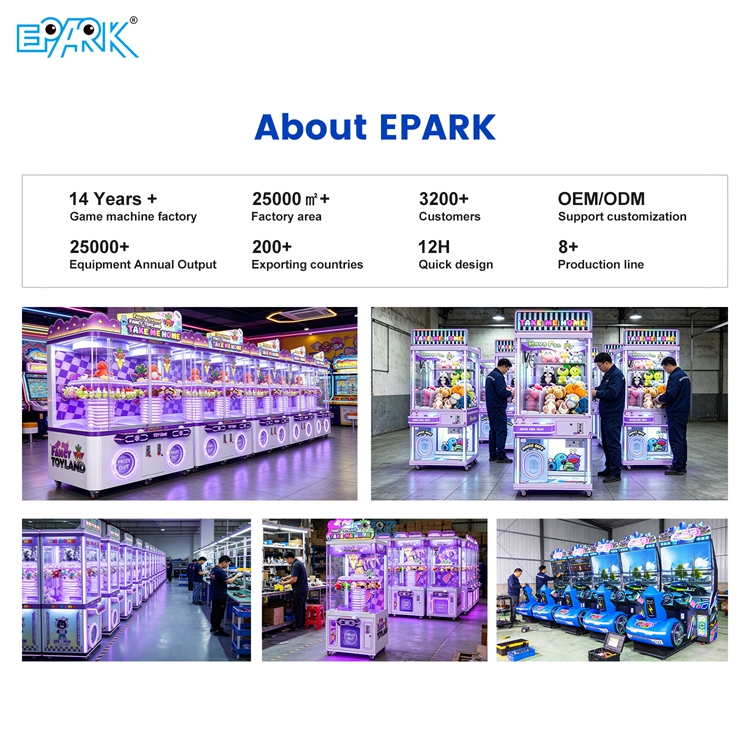
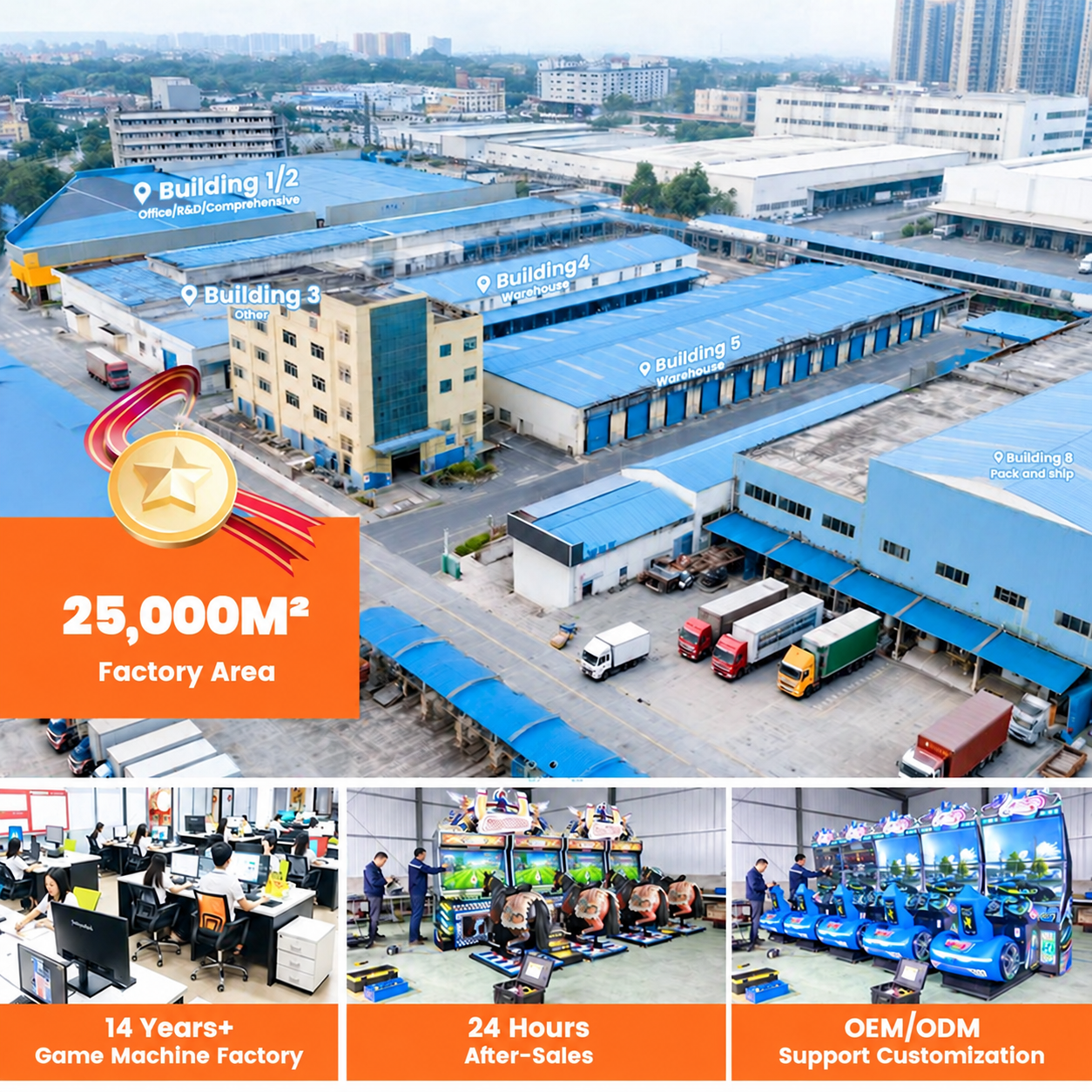
EPARK is a professional amusement equipment manufacturer based in Guangzhou, China, with over 14 years of manufacturing experience.
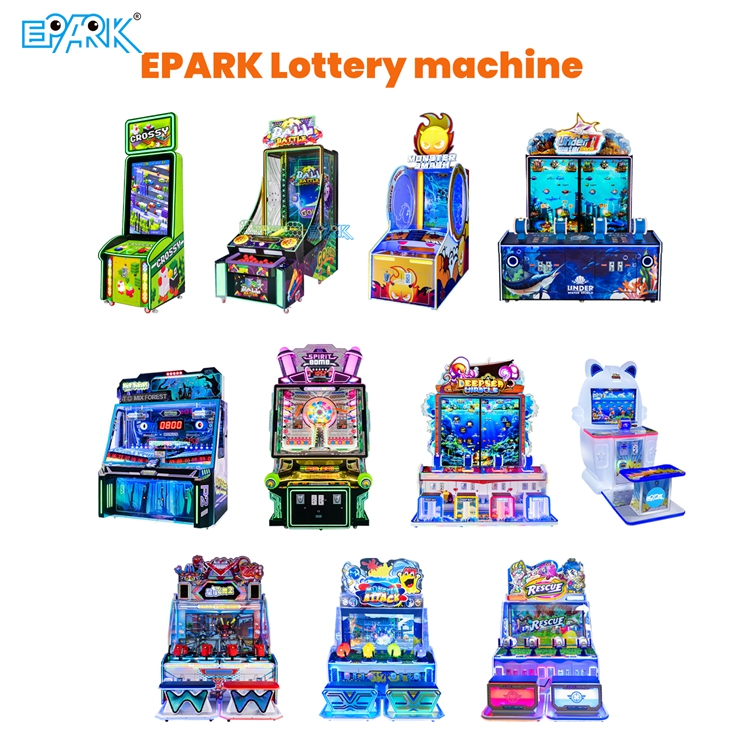
Our product range includes claw machines, racing arcade games, redemption machines, basketball machines, boxing machines, shooting arcade games, VR equipment, and other commercial entertainment attractions.
EPARK supports international arcade operators, distributors, and entertainment investors with equipment selection, customization, venue planning, quality inspection, and after-sales assistance.
For businesses planning new entertainment venues or expanding existing operations, suitable equipment selection can help create a balanced gaming environment.
Explore commercial arcade machines and project solutions at EPARK Game Machine Factory.
Frequently Asked Questions
How Can Arcade Owners Reduce Waiting Times During Peak Hours?
Operators can improve queue organization, provide clear game instructions, maintain machine availability, and recommend alternative attractions.
Staff scheduling and suitable equipment placement can also help reduce unnecessary congestion.
Should FEC Operators Purchase More Machines for Busy Weekends?
Additional equipment may be useful when demand consistently exceeds available capacity.
However, operators should review machine utilization, purchase costs, available space, and expected revenue before expanding.
How Can Arcades Prepare for Holiday Customer Traffic?
Preparation should include equipment inspections, appropriate staffing, prize inventory checks, payment system testing, and clear customer circulation plans.
Reviewing previous holiday performance can help operators anticipate demand.
Conclusion
Managing peak hours effectively is essential for commercial arcade and FEC operations.
By understanding customer traffic patterns, maintaining equipment availability, organizing gaming zones, and preparing employees for busy periods, operators can create a smoother entertainment experience.
Regular performance reviews also help businesses identify opportunities to improve operations and make more informed equipment investment decisions.
For FEC owners, arcade operators, and entertainment investors, peak-hour planning should be part of a broader strategy focused on reliable equipment, customer satisfaction, and sustainable business growth.
Visit EPARK Game Machine Factory to explore commercial arcade machines and discuss suitable entertainment equipment solutions for your project.
Table of Contents
- Introduction
- 1. Identify Your Arcade's Busiest Operating Hours
- 2. Keep Popular Arcade Machines Ready for Use
- 3. Organize Arcade Machines Into Clear Gaming Zones
- 4. Reduce Waiting Times at Popular Attractions
- 5. Schedule Employees According to Customer Demand
- 6. Improve Payment and Recharge Efficiency
- 7. Prepare Prize Redemption Areas for Busy Periods
- 8. Maintain Cleanliness and Customer Comfort
- 9. Monitor Machine Utilization During Peak Hours
- 10. Plan Promotions Without Creating Operational Problems
- 11. Prepare for Equipment Problems During Busy Hours
- 12. Use Peak-Hour Data to Improve Future Planning
- 13. Choose Reliable Arcade Equipment for Commercial Operations
- Frequently Asked Questions
- Conclusion