
 EN


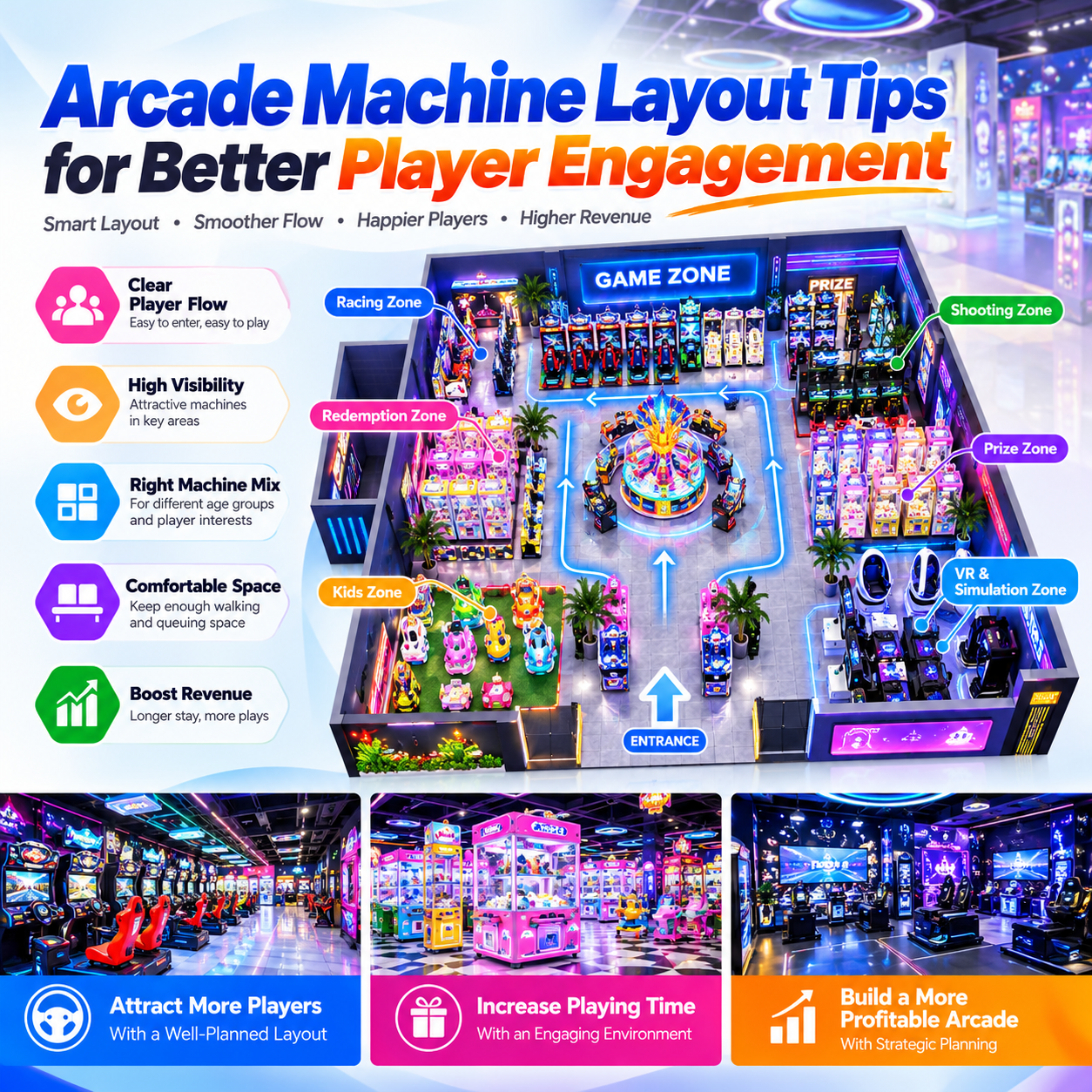
Arcade Machine Layout Tips for Better Player Engagement
A successful arcade business depends on more than purchasing popular game machines. The way equipment is arranged throughout a venue can significantly influence customer movement, gameplay experiences, and overall operating efficiency.
For family entertainment center (FEC) operators, arcade owners, and indoor amusement investors, an effective arcade machine layout helps customers discover different attractions, navigate the venue comfortably, and enjoy more entertainment opportunities.
However, placing too many machines in a limited space can create overcrowded areas, reduce accessibility, and make the venue less attractive.
A well-designed arcade floor plan should balance entertainment variety, available space, customer circulation, operational requirements, and future expansion.
This guide explores practical arcade machine layout strategies to help operators create a more engaging and commercially efficient entertainment environment.
Why Arcade Machine Layout Matters for Your Business
Arcade machine placement affects how visitors interact with the entire entertainment venue.
When customers enter an arcade, they often notice the lighting, equipment arrangement, visual displays, and available activities before deciding which games to play.
A clear and organized layout helps customers understand the venue and find attractions suited to their interests.
Improve Customer Movement
An effective layout provides convenient routes between different game areas, reducing unnecessary congestion and helping visitors explore the venue.
Increase Equipment Visibility
Machines positioned in visible locations may attract attention more easily than equipment hidden behind large cabinets or obstructed pathways.
Create a Better Customer Experience
Adequate playing space, comfortable movement, and clearly defined entertainment zones help customers enjoy their visit.
Support Daily Operations
Thoughtful equipment placement also helps employees monitor machines, refill prizes, perform cleaning, and carry out routine maintenance.
For arcade investors, these factors make venue layout an important part of business planning rather than simply an interior design decision.
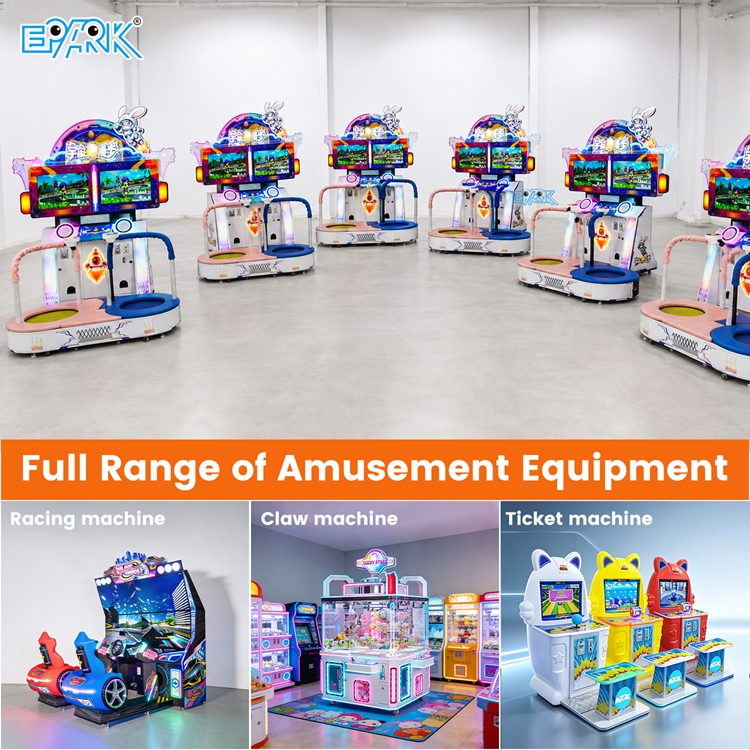
1. Understand Your Target Customers Before Planning the Layout
Before determining where arcade machines should be installed, operators need to understand who will visit the venue.
Different customer groups have different entertainment preferences and movement patterns.
A family-oriented arcade in a shopping mall may attract parents with young children, while a gaming center near a university may serve more teenagers and young adults.
Family-Focused Entertainment Centers
Family entertainment centers often benefit from dedicated areas for kiddie rides, redemption games, claw machines, and interactive attractions.
These categories provide entertainment options for visitors with different interests and abilities.
Teenager and Young Adult Arcades
Venues targeting younger gaming enthusiasts may prioritize racing simulators, shooting arcade games, rhythm games, and competitive sports machines.
These machines can create a more energetic gaming atmosphere.
Mixed-Audience Arcades
For venues serving a broad audience, dividing the available space into entertainment zones can help customers find suitable attractions.
Operators should use market research, customer demographics, and competitor observations to determine the most appropriate equipment combination.
2. Place Visually Attractive Machines Near the Entrance
The entrance is one of the most important areas of an arcade.
Customers passing the venue may decide whether to enter based on what they can see from outside.
Placing visually engaging machines near the entrance can help communicate the entertainment experience available inside.
Suitable options may include:
Large-screen racing arcade machines
Colorful claw machines
Interactive sports arcade games
Selected multiplayer attractions
Machines with distinctive cabinet designs
For example, a racing machine with a large display can demonstrate the venue's interactive entertainment offerings.
A well-arranged claw machine area may also attract attention through colorful prize displays.
However, entrance attractions should never obstruct required exits, pedestrian routes, or accessible circulation.
The goal is to create an inviting first impression while maintaining comfortable access.
3. Divide the Arcade Into Different Gaming Zones
Organizing arcade machines into categories can make the entertainment center easier to navigate.
Instead of randomly distributing machines, operators can create zones based on gameplay type, target audience, or entertainment experience.
Racing Game Zone
A racing area can feature single-player and multiplayer driving machines.
Grouping racing cabinets creates a recognizable entertainment section and can support competitive experiences between friends.
Operators should allow adequate space for seats, player movement, spectators, and maintenance access.
Claw Machine and Prize Game Zone
Claw machines can be arranged together to create a visually consistent prize entertainment area.
Different cabinet sizes and prize themes may provide variety.
Operators should consider prize visibility, machine access, and convenient restocking procedures.
Redemption Game Zone
Redemption machines can be grouped near a ticket redemption counter when appropriate for the venue design.
This arrangement may make the prize collection process more convenient for customers and staff.
Sports Arcade Zone
Basketball machines, boxing games, and air hockey tables can form an interactive sports area.
Because these games involve physical movement, their layout should allow suitable playing space and safe circulation.
Children's Entertainment Zone
Kiddie rides and age-appropriate interactive equipment can be placed in a dedicated family area.
Operators should consider visibility for accompanying adults, manufacturer age restrictions, and applicable safety requirements.
Clearly defined zones make the venue easier to understand and provide a more organized customer experience.
4. Design Comfortable Customer Flow Between Machines
Customer circulation is a fundamental part of arcade floor planning.
An attractive venue can still feel uncomfortable when machines are installed too close together.
Operators should identify the main pathways connecting the entrance, gaming zones, payment or recharge areas, restrooms, and exits.
Keep Main Walkways Clear
Main circulation routes should allow customers to move comfortably without interfering with active players.
Walkway dimensions must comply with applicable building, accessibility, and fire safety requirements.
Consider Player and Spectator Space
Some arcade games require more than the physical space occupied by the cabinet.
For example, basketball machines need room for throwing movements, while racing machines require space for entering and exiting the seats.
Spectators may also gather around popular multiplayer games.
Avoid Congested Corners
Installing several high-demand machines in one narrow area may create crowding.
Distributing attractions appropriately can help improve movement throughout the venue.
A practical arcade layout should consider how customers use the equipment, not just whether the machines physically fit.
5. Select the Right Machine Mix for Your Available Space
Every arcade project has different floor dimensions and operational requirements.
For smaller venues, equipment selection becomes especially important because each machine occupies valuable commercial space.
Large entertainment centers may have more flexibility to include multiple game categories and dedicated activity areas.
The following table provides a general layout reference.
| Arcade Machine Category | Placement Considerations | Suitable Areas |
|---|---|---|
| Claw Machines | Prize visibility, front access, restocking | Prize zones, visible retail areas |
| Racing Machines | Seat clearance, player access, spectators | Racing and simulation zones |
| Basketball Machines | Throwing space, ball return access | Sports gaming areas |
| Air Hockey Tables | Clearance around playing surfaces | Multiplayer activity zones |
| Redemption Machines | Ticket or prize collection flow | Redemption gaming zones |
| Kiddie Rides | Supervision, age suitability, accessibility | Family entertainment areas |
| VR Equipment | Safe operating space, staff supervision | Dedicated interactive zones |
This table is a planning reference rather than a fixed installation standard.
Final placement should follow each model's actual dimensions and operating requirements.
6. Use Lighting and Visual Design to Improve Game Visibility
Lighting contributes significantly to the atmosphere of an arcade.
Commercial arcade machines often feature LED decorations, illuminated cabinets, and large electronic displays.
When combined with suitable environmental lighting, these features can create an attractive entertainment space.
However, excessive lighting can produce glare, distract players, and make the venue uncomfortable.
Balance Ambient Lighting and Machine Effects
Operators should avoid environments that are either excessively dark or unnecessarily bright.
Customers need sufficient visibility to move safely while still enjoying the visual effects of the games.
Highlight Important Entertainment Areas
Thoughtful lighting can help distinguish racing zones, prize areas, and multiplayer gaming sections.
Maintain a Consistent Visual Theme
Wall graphics, signage, flooring, and equipment colors should work together to create a recognizable venue identity.
A cohesive design helps the arcade appear organized and professional.
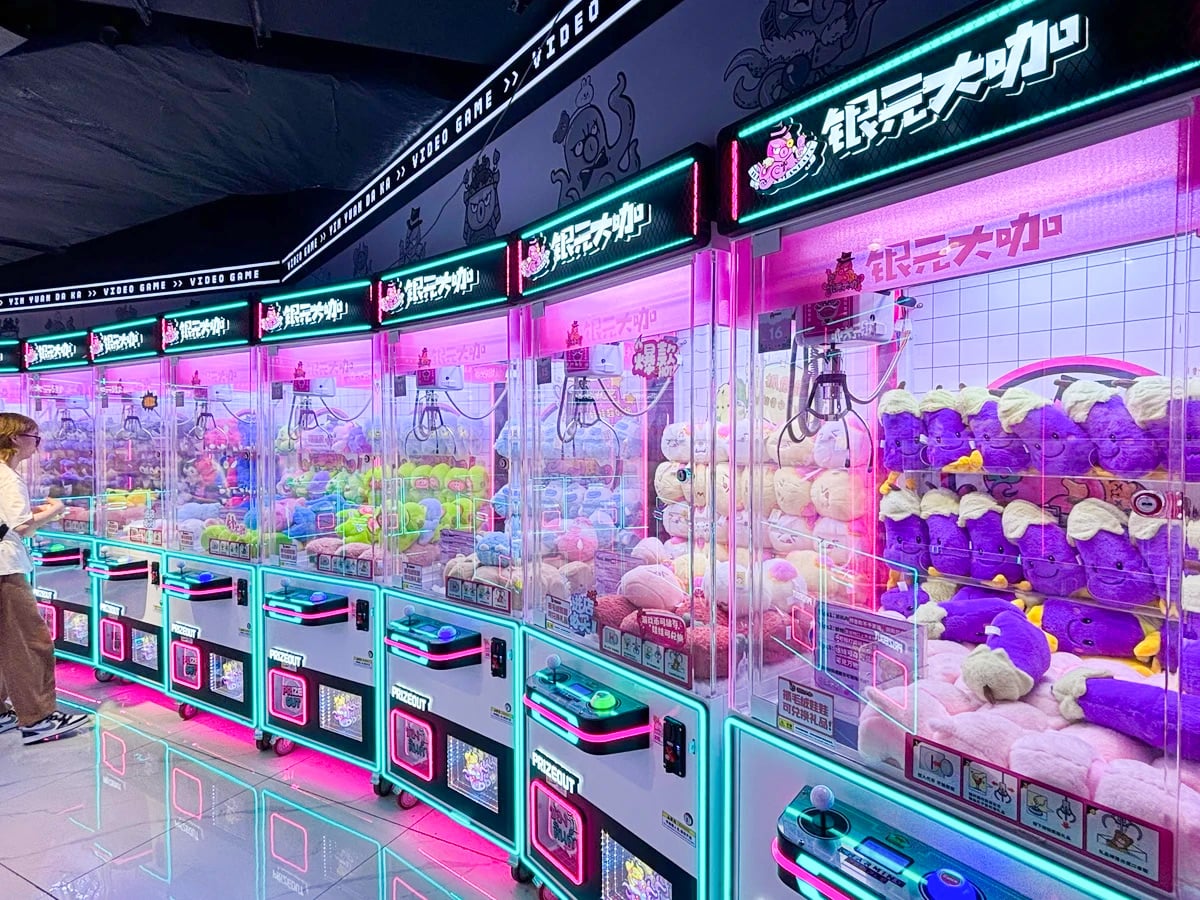
7. Position Claw Machines Where Customers Can See the Prizes
Claw machines are frequently used in shopping malls, commercial arcades, and family entertainment centers.
Their transparent cabinets and visible prizes make them suitable for locations where customers can easily see the contents.
Depending on the venue, possible placement options include:
Near the entrance without blocking circulation
Along suitable high-visibility walkways
Beside compatible prize entertainment machines
Within dedicated claw machine sections
Operators should avoid positioning machines where structural columns, large cabinets, or decorations obstruct the prize displays.
Prize presentation also matters.
Clean windows, organized merchandise, and suitable internal lighting help customers understand the rewards available.
Machine layout should also allow staff to open cabinets and restock prizes conveniently.
8. Consider Noise Levels and Gameplay Interference
Commercial arcades often combine music, sound effects, player conversations, and mechanical game sounds.
Without proper planning, the combined noise level can become uncomfortable.
Operators should evaluate the sound characteristics of different machine categories.
For example, energetic racing and shooting games may produce more noticeable sound effects than certain prize machines.
Where practical, operators can separate louder attractions from quieter family activities.
Machine volume settings should follow manufacturer instructions and applicable venue noise requirements.
Acoustic finishes and appropriate equipment spacing may also help manage the overall environment.
Sound planning is particularly relevant for shopping mall arcades located near neighboring retail businesses.
9. Make Maintenance and Staff Operations Easier
A successful arcade layout should support both customers and employees.
Machines need sufficient access for routine inspections, cleaning, component replacement, and occasional repairs.
Placing cabinets too close to walls or neighboring machines can make servicing difficult.
Allow Access to Service Panels
Before finalizing equipment placement, operators should identify cabinet doors, electrical service areas, and other access points.
Simplify Prize Restocking
Claw machines and redemption equipment may require regular prize replacement or replenishment.
Accessible placement can reduce unnecessary work for staff.
Improve Equipment Monitoring
Staff should be able to observe important gaming areas and respond when customers need assistance.
Clear sightlines can also support general venue supervision.
These considerations may reduce operational inconvenience and make daily equipment management more efficient.
10. Evaluate Machine Performance and Adjust the Layout
An arcade floor plan does not need to remain unchanged forever.
Customer preferences, machine popularity, and entertainment trends can evolve.
Operators should review equipment performance regularly and consider layout adjustments when necessary.
Useful information includes:
Machine revenue and play counts
Customer movement patterns
Frequently used gaming zones
Equipment downtime
Customer feedback
Prize redemption activity
For example, if a machine receives limited attention because of poor visibility, relocating it may be worth testing.
However, operators should avoid assuming that placement alone determines revenue performance.
Game popularity, pricing, maintenance condition, customer demographics, and local competition also influence results.
Changes should be evaluated using actual business data whenever possible.
11. Work With an Experienced Arcade Equipment Manufacturer
Planning an arcade layout becomes easier when operators have accurate product information and suitable equipment recommendations.
Before purchasing commercial gaming equipment, international buyers should confirm machine dimensions, electrical requirements, installation conditions, and service access.
Working with an experienced manufacturer can help streamline equipment selection and venue planning.
EPARK One-Stop Arcade Project Solutions
EPARK is a professional amusement equipment manufacturer based in Guangzhou, China, with over 14 years of manufacturing experience.
Our manufacturing facility covers approximately 25,000 square meters, supported by a 3,000-square-meter showroom featuring different commercial amusement machines.
EPARK supplies equipment for a wide range of entertainment projects, including:
Commercial arcade centers
Family entertainment centers
Claw machine stores
Shopping mall entertainment areas
Indoor playground projects
Mixed amusement venues
Our product range includes claw machines, racing arcade games, shooting machines, redemption equipment, basketball games, air hockey tables, kiddie rides, and VR entertainment systems.
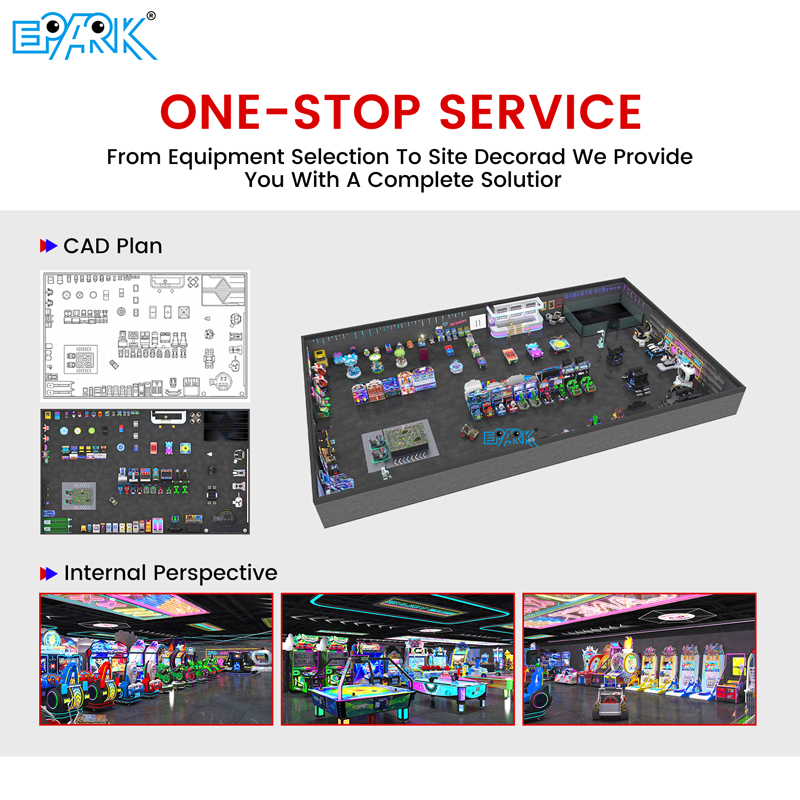
For international customers, EPARK provides equipment selection assistance, 2D and 3D layout design, customized product solutions, manufacturing, quality inspection, and after-sales support.
These services help operators plan equipment purchases according to their actual project requirements.
Frequently Asked Questions About Arcade Machine Layout
1. What Is the Best Layout for a Small Arcade?
A small arcade should prioritize suitable equipment dimensions, comfortable circulation, and a balanced selection of attractions.
Compact machines and carefully arranged gaming zones can help operators use limited floor space efficiently.
The final layout should consider exits, accessibility, electrical requirements, and manufacturer-recommended clearances.
2. Where Should Popular Arcade Machines Be Placed?
Popular or visually attractive machines can be positioned in visible locations that customers naturally encounter.
However, placement should not interfere with pedestrian circulation, emergency exits, or access to other equipment.
Operators should evaluate customer behavior and machine performance before making permanent placement decisions.
3. Can Arcade Machine Layout Affect Business Revenue?
Yes. Layout may influence machine visibility, customer movement, equipment accessibility, and the overall entertainment experience.
However, revenue also depends on factors such as local demand, pricing, machine selection, operating costs, and customer satisfaction.
Operators should use performance data to evaluate the impact of layout changes.
Conclusion
An effective arcade machine layout combines attractive equipment placement with practical customer circulation and efficient business operations.
By understanding target customers, organizing gaming zones, improving machine visibility, and allowing appropriate playing space, arcade operators can create a more comfortable and engaging entertainment environment.
For FEC investors and arcade business owners, layout planning should be considered before purchasing equipment rather than after machines arrive.
A well-planned venue also provides flexibility for maintenance, future equipment updates, and business expansion.
Planning a new arcade or upgrading an existing entertainment center?
Explore the commercial arcade machines and project solutions available from EPARK Game Machine Factory.
Contact EPARK for equipment catalogs, arcade layout planning assistance, and a customized project quotation.
Table of Contents
- Arcade Machine Layout Tips for Better Player Engagement
- Why Arcade Machine Layout Matters for Your Business
- 1. Understand Your Target Customers Before Planning the Layout
- 2. Place Visually Attractive Machines Near the Entrance
- 3. Divide the Arcade Into Different Gaming Zones
- 4. Design Comfortable Customer Flow Between Machines
- 5. Select the Right Machine Mix for Your Available Space
- 6. Use Lighting and Visual Design to Improve Game Visibility
- 7. Position Claw Machines Where Customers Can See the Prizes
- 8. Consider Noise Levels and Gameplay Interference
- 9. Make Maintenance and Staff Operations Easier
- 10. Evaluate Machine Performance and Adjust the Layout
- 11. Work With an Experienced Arcade Equipment Manufacturer
- Frequently Asked Questions About Arcade Machine Layout
- Conclusion