
 EN
EN
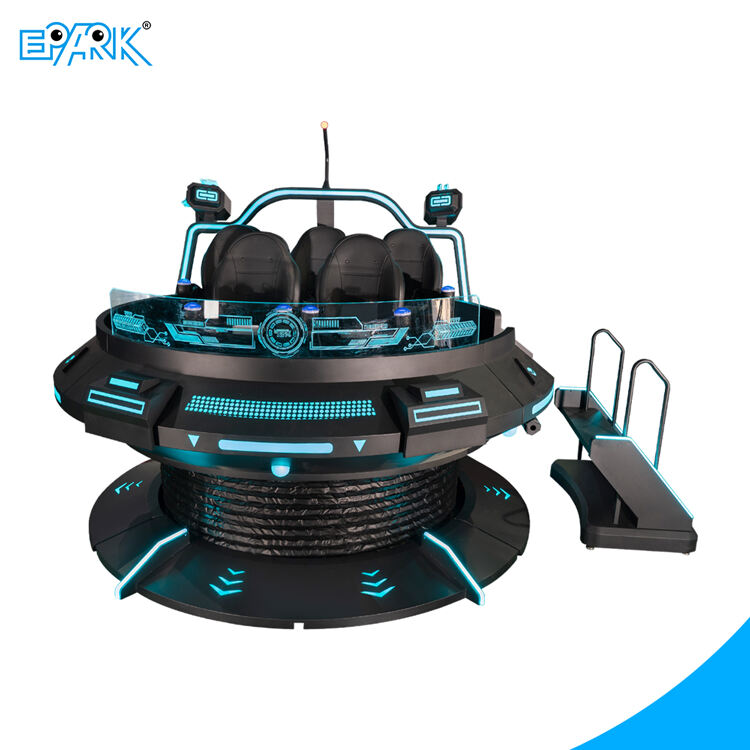


Understanding the Financial ROI of Virtual Reality Machines
VR Machine ROI and Financial Returns
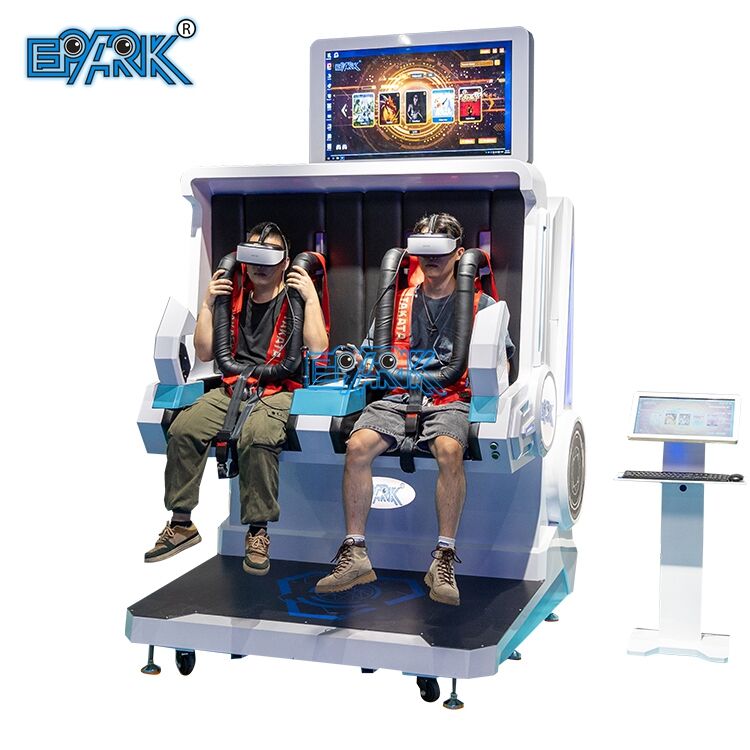
Most arcade owners find that their top-notch VR machines typically pay for themselves within around 12 to maybe 18 months according to recent market reports from last year. To get the most out of these systems, operators need to strike a good balance between how much they actually use the machines each day and what price point works best for customers. The sweet spot seems to be keeping utilization rates somewhere between 60% and 75%. For example, a commercial quality VR setup that runs roughly 8 to 12 sessions per day charging anywhere from $25 up to about $40 per person could bring in anywhere between $65k and nearly $140k annually. Of course, this varies quite a bit depending on where the arcade is located and what kind of games or experiences are available to play.
Key Metrics for Measuring Profitability in VR Arcades
Three critical benchmarks determine success:
- Hourly Revenue Per Machine: Top performers exceed $85/hr
- Customer Retention Rate: 35-45% repeat visitors indicate sustainable demand
- Content Refresh Cycle: Arcades updating experiences quarterly see 22% higher margins (Entertainment Software Association, 2023)
Case Study: Break-Even Analysis of a Mid-Sized VR Arcade
A 10-machine venue with a $220,000 startup investment reached profitability in 14 months using this model:
| Metric | Value | Impact on ROI |
|---|---|---|
| Avg. Daily Sessions | 9.2 | 68% utilization |
| Monthly Maintenance | $1,750 | 8% of revenue |
| Content Licensing | $2,300/mo | Per-machine basis |
By prioritizing multiplayer experiences and weekday corporate bookings, this arcade achieved 19% net margins—6% above the industry average for location-based VR entertainment.
Comparing VR Systems: Cost, Performance, and Total Ownership
Cost comparison of leading VR systems (HTC Vive, Meta Quest 3, Varjo VR-3)
When it comes to enterprise virtual reality setups, there's quite a range when looking at what they cost initially and whether businesses can actually justify spending on them. Take the Meta Quest 3 for instance, which sits at just $499 as the most affordable option out there. But wait! Companies wanting to use this device commercially will need to shell out extra cash for proper licensing agreements. On the flip side, the HTC Vive Enterprise model comes in around $1,200 and already has all those business features built in including solid customer support and official durability ratings from manufacturers. For folks needing top-notch performance, the Varjo VR-3 stands out because it tracks users' eyes for super accurate interactions. However, nobody really knows exactly how much this beast costs since companies have to contact Varjo directly about pricing details.
| System | Base Cost | Commercial License | Key Strength |
|---|---|---|---|
| HTC Vive Enterprise | $1,200 | Included | Industrial-grade durability |
| Meta Quest 3 | $499 | $299/license | Wireless convenience |
| Varjo VR-3 | $3,490+ | Included | 115° field of view |
Performance vs. price: Enterprise vs consumer-grade virtual reality machines
Regular consumer VR headsets actually get around 70 percent of what enterprise systems can do, but they only cost about 40 percent as much. The real problem comes when these devices are used heavily day after day. Take a look at how long they hold up: enterprise-grade VR gear typically lasts well over 8,000 hours before breaking down, while most consumer models start failing after just about 1,200 hours according to the VR Hardware Institute report from last year. For places like busy gaming arcades where equipment gets constant action, this matters a lot. That's why many operators have switched to the HTC Vive Enterprise version. Its modular build means repairs aren't so costly either. We're talking about cutting maintenance expenses by nearly two thirds over a three-year period, which makes all the difference for businesses running multiple units.
Total cost of ownership over 3 years: Depreciation, upgrades, and hidden fees
A 2024 VR arcade cost analysis found enterprise systems have 35% lower total ownership costs than consumer-grade alternatives when factoring in depreciation, maintenance, software updates, and labor. Annual expenses include:
- 15-20% hardware depreciation
- $200-$500 per unit in maintenance
- $150-$300 per unit for mandatory software updates
- $90/hour technician labor for consumer device repairs
Arcades using enterprise systems report 22% less downtime, preserving $18,000-$25,000 in annual revenue per machine.
Budget Planning and Phased Scaling for VR Arcade Startups
VR Arcade Business Startup Costs and Investment Range ($50,000-$250,000)
Launching a VR arcade requires an initial investment between $50,000 and $250,000, with costs varying by scale, location, and hardware type. Enterprise-grade virtual reality machines account for 30-40% of startup budgets, while mid-range systems reduce equipment costs by 35% without compromising durability. Key expenses include:
| Expense Category | Typical Cost Range |
|---|---|
| VR Equipment (5-10 units) | $15,000 - $50,000 |
| Software Licensing | $5,000 - $20,000 |
| Location Renovation | $20,000 - $80,000 |
| Operational Insurance | $1,500 - $3,000/year |
High-traffic venues should allocate 25-35% more for commercial tracking systems, as consumer-grade VR machines require replacement 18 months faster according to 2024 wear analysis reports.
Phased Rollout Strategies to Manage Budget Constraints
68% of profitable VR arcades start with 3-5 stations before expanding. Begin with wired PC-connected systems in a single themed zone, then add wireless platforms as revenue grows. Reserve 10-15% of initial capital for software updates and emergency repairs—a practice that reduces downtime costs by 52% during peak periods.
Managing Operational Costs: Maintenance, Downtime, and Support
Operational and Maintenance Costs of VR Equipment
The average arcade spends $6,000-$18,000 annually maintaining a 10-machine setup. Major cost drivers include:
- Thermal management systems for VR PCs ($1,200/year in filter replacements)
- Sanitization supplies for shared headsets ($80-$120/week)
- Software updates requiring specialized technicians ($95-$150/hour)
High-usage virtual reality machines need quarterly hardware recalibration ($120-$250/service) and annual component replacements such as haptic gloves ($800/pair) and headset cables ($45/unit). Proactive maintenance planning reduces repair costs by 35-50% compared to reactive approaches.
Track sensor degradation rates—VR treadmill surfaces lose 12-18% responsiveness after 5,000 user sessions according to industry maintenance logs.
Downtime and Technical Issues: How to Reduce These Hidden Costs
Implement predictive maintenance strategies using IoT-enabled equipment monitors that alert technicians 72+ hours before likely failures. Cross-train staff to handle 65% of software crashes internally, reducing third-party support costs by $4,000-$7,000 annually. Successful arcades cut downtime-related revenue loss by 55% through:
- Nightly system diagnostics
- Dual-redundant gaming PCs
- Pre-loaded backup content libraries
Maintenance Planning and Backup Equipment Needs
Maintain one backup headset per eight active units and keep critical spares like tracking sensors, which show a 35% failure rate within 18 months. Use modular VR configurations that allow quick swaps of worn components instead of full system replacements. Partner with suppliers offering 4-hour emergency response SLAs for high-traffic locations.
Aligning VR Machine Choice with Audience and Experience Goals
Choosing Virtual Reality Machines Based on Target Audience Demographics
The bottom line for making money with VR machines comes down to pairing the right tech specs with what different customers actually want. Kids and teens tend to go crazy for those fast-paced action titles that need fancy motion tracking headsets plus those vibrating vests that make them feel every explosion. Family arcades meanwhile do better when they have those plug-and-play systems where multiple people can jump in for quick sessions together. Then there are businesses looking for team building exercises who usually ask for top shelf equipment with super accurate tracking systems so everyone can work through challenges as a group. Industry reports back this up too showing places that sort out their VR options based on who walks through the door see about 23 percent more return customers than spots that just throw everything together without thinking about who might be interested.
Types of VR Arcade Machines: All-in-One, PC-Connected, and Interactive Platforms
Modern systems fall into three categories:
- All-in-one headsets (e.g., Meta Quest 3) minimize setup costs but limit graphical fidelity
- PC-connected systems (HTC Vive Pro 2) deliver premium visuals at higher operational complexity
- Interactive platforms (full-body motion rigs) command premium pricing but enable differentiated experiences
A 2023 VR Arcade Hardware Report found interactive platforms generate 34% higher per-session revenue than standalone headsets in high-traffic urban locations, offsetting their $18,000-$45,000 upfront costs through extended customer dwell times.
Matching Hardware Durability to Customer Usage Intensity
Budget-friendly consumer headsets last 300-500 hours before requiring controller or lens replacements in commercial settings, while industrial-grade machines withstand 1,200+ hours of continuous operation. High-volume venues serving over 200 daily users should prioritize systems with IPD auto-adjustment and antimicrobial face gaskets to reduce maintenance costs by 17-22% annually.
FAQ
How long does it typically take for VR machines to pay for themselves?
According to market reports, most VR machines pay for themselves within 12 to 18 months.
What utilization rate is ideal for VR machines?
Utilization rates between 60% and 75% are considered ideal for maximizing profitability.
What are the main costs associated with running a VR arcade?
The main costs include VR equipment, software licensing, location renovation, and operational insurance, among others.
How does VR equipment depreciation affect operational costs?
VR equipment typically experiences 15-20% hardware depreciation, impacting total operational costs.
Table of Contents
- Understanding the Financial ROI of Virtual Reality Machines
- Comparing VR Systems: Cost, Performance, and Total Ownership
- Budget Planning and Phased Scaling for VR Arcade Startups
- Managing Operational Costs: Maintenance, Downtime, and Support
- Aligning VR Machine Choice with Audience and Experience Goals
- FAQ