
 EN


How to Choose Prizes for a Commercial Arcade
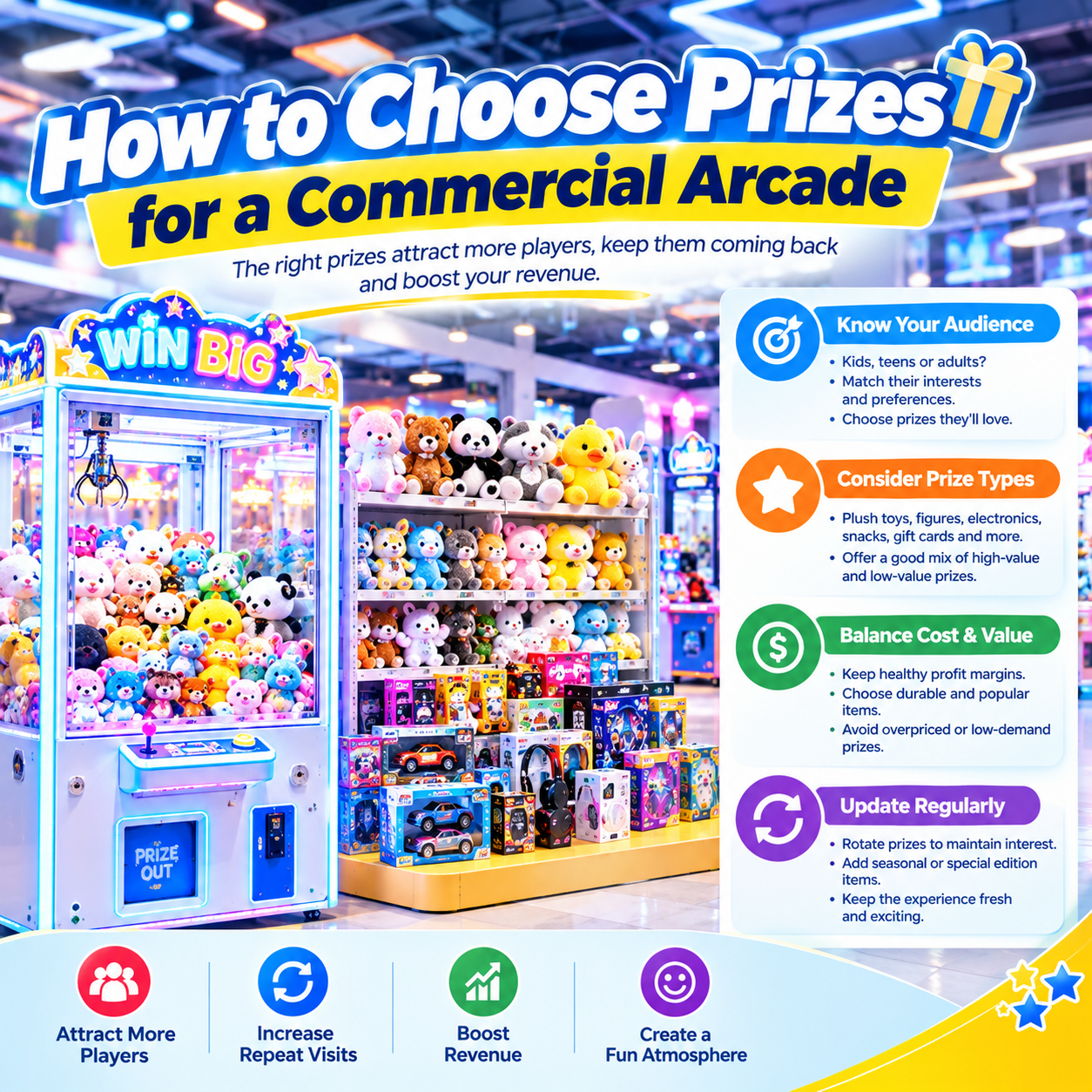
Prizes are an important part of the customer experience in many commercial arcades and family entertainment centers (FECs). For redemption game operators, the right prize selection can encourage participation, create excitement, and give players an additional reason to return.
However, choosing prizes involves more than purchasing popular toys or attractive gifts. Operators must consider their target audience, budget, storage capacity, prize costs, and the types of games available in their venues.
A well-planned prize strategy helps balance customer satisfaction with daily operating expenses. Whether you operate a small arcade, a shopping mall entertainment center, or a large FEC, understanding how to manage prizes can help you create a more engaging and organized redemption experience.
Understand Your Target Audience
Before purchasing prizes, identify the customers who visit your arcade most frequently.
Family entertainment centers may serve young children, teenagers, adults, and families. Each group can have different interests and spending preferences.
For younger visitors, colorful toys, plush animals, and small collectibles may be attractive options. Teenagers may prefer trendy accessories, character merchandise, or novelty gifts. Family-oriented venues can offer a broader selection to appeal to different age groups.
Local preferences also matter. A prize that performs well in one market may not attract the same interest elsewhere. Consider popular product styles, local shopping habits, cultural preferences, and customer feedback before placing large orders.
If your venue attracts a mixed audience, avoid relying on a single prize category. A varied selection gives customers more opportunities to find something they like.
Offer Prizes at Different Point Levels
A balanced prize counter should provide options for players with different numbers of tickets or points.
Small prizes give players achievable rewards, while medium and premium items create longer-term goals. This range can help accommodate both occasional visitors and regular players.
Consider organizing prizes into three categories:
Low-point prizes: Stickers, keychains, small toys, and simple novelty items.
Mid-range prizes: Plush toys, accessories, stationery, and themed gifts.
Premium prizes: Larger plush products, selected electronics, or higher-value merchandise.
The exact point requirements should reflect prize costs, game settings, and your venue's redemption policy.
Display ticket or point requirements clearly so customers can compare rewards and understand how to redeem them. Review the range periodically to ensure that smaller rewards remain accessible and premium items remain appropriate for your business model.
Match Prizes With Your Arcade Game Categories
Different games can attract different types of customers, so prize planning should reflect the overall entertainment concept.
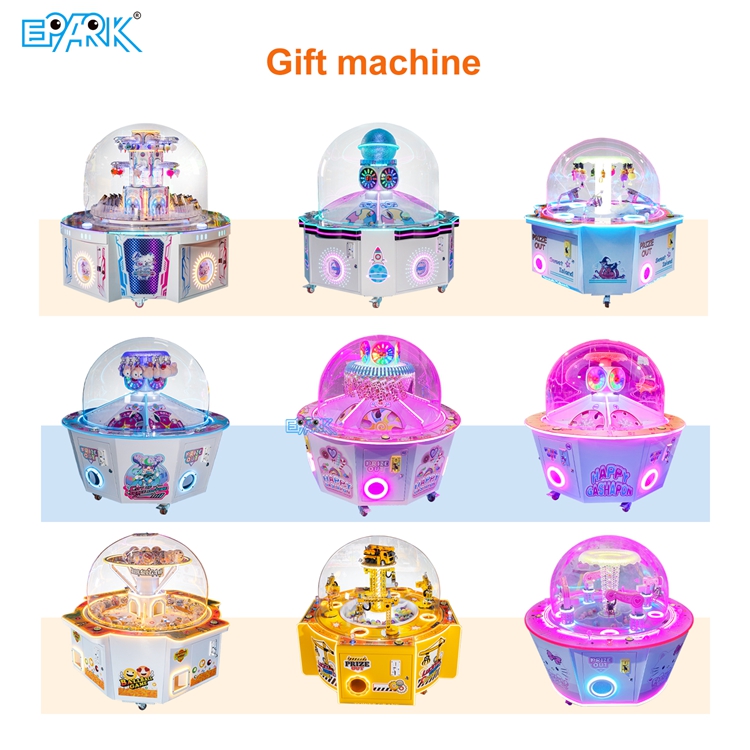
Redemption games often work well with a varied prize counter, while claw machines rely heavily on the appeal and visibility of the prizes displayed inside their cabinets.
For claw machines, consider plush toys, small collectibles, and products that fit the cabinet dimensions and gripping mechanism. The size, shape, and arrangement of prizes can influence how clearly customers see the products and how the machine operates.
For ticket-based games, a wider range of prize sizes and values can provide more redemption choices.
Operators should also confirm that prizes fit the equipment correctly and comply with applicable product safety requirements. Selecting appropriate prizes helps create a consistent experience between gameplay and rewards.
Calculate Prize Costs and Set a Budget
Prize selection affects operating expenses, particularly in venues where redemption games are a major attraction.
When evaluating a prize, consider more than its supplier price. Shipping, import duties, storage, damaged stock, and replenishment costs may also affect the total expense.
For ticket redemption games, operators should understand how ticket issuance relates to game settings and prize costs.
A practical approach is to estimate the total cost of each prize, review expected redemption activity, and compare these figures with revenue and other operating expenses. Keep in mind that actual profitability depends on game pricing, player behavior, utilization, rent, labor, and other business costs.
Avoid choosing prizes based on purchase price alone. A low-cost product that customers rarely want may be less useful than a moderately priced item with stronger demand.
Review your prize budget regularly and adjust purchasing decisions according to actual business performance.
Keep Prize Displays Attractive and Organized
A well-organized prize counter makes it easier for customers to discover available rewards.
Group prizes by category, size, or point level. Keep popular products visible and ensure that ticket labels and redemption instructions are easy to understand.
For claw machines, arrange prizes so that customers can see the available selection through the cabinet window. Avoid overcrowding the cabinet, as poor arrangement may reduce visibility or interfere with the machine's mechanism.
Regularly remove damaged, faded, or unsuitable merchandise. Keep display areas clean and replenish products before shelves appear empty.
An attractive prize display can improve the overall impression of your entertainment venue and make the redemption process more convenient.
Manage Inventory and Restocking Efficiently
Running out of popular prizes can disappoint customers, while purchasing too much slow-moving stock ties up working capital and storage space.
Track which products are redeemed most frequently, how quickly inventory moves, and which items remain unused for long periods. Use these records to guide future purchasing decisions.
It is helpful to establish minimum stock levels for frequently requested prizes and identify reliable suppliers who can replenish products when needed.
For venues with multiple locations, centralized inventory tracking can make it easier to compare demand and distribute stock where it is most needed.
Seasonal merchandise should be ordered carefully. Holiday-themed products may attract attention during a specific period but become harder to use once the season ends.
A simple inventory record that includes purchase costs, stock levels, and replenishment dates can help operators make more informed decisions.
Refresh Prizes to Encourage Repeat Visits
A prize selection that never changes may gradually lose its appeal.
Introduce new items periodically and consider seasonal themes, school holidays, local events, and emerging product trends when planning purchases.
You do not need to replace every prize at once. Rotating selected products can create a sense of novelty while keeping inventory expenses manageable.
Customer feedback is particularly useful. Employees can record which prizes customers ask about, which products attract attention, and which items remain unpopular.
Combine these observations with redemption records to identify products worth retaining or replacing. This approach helps keep the prize selection relevant without relying entirely on guesswork.
Work With Reliable Arcade Equipment Suppliers
Prize strategy is only one part of running a successful redemption area. The machines themselves must also provide consistent gameplay and reliable ticket or prize delivery.
When purchasing equipment, operators should consider machine functionality, maintenance requirements, spare parts availability, and after-sales support.
EPARK is a commercial amusement equipment manufacturer based in Guangzhou, China, supplying claw machines, redemption games, sports arcade machines, racing games, and other entertainment equipment.
For FEC operators, distributors, and entertainment investors, selecting equipment that matches the intended prize strategy can help create a more cohesive arcade experience.
Explore the product range at EPARK Game Machine Factory to learn more about commercial arcade equipment and entertainment project solutions.
Frequently Asked Questions
What Are the Best Prizes for a Commercial Arcade?
Suitable prizes depend on the target audience, local preferences, budget, and game format. Plush toys, small collectibles, accessories, and selected premium gifts are common options. Reviewing customer feedback and redemption records helps identify the most suitable products for your venue.
How Often Should Arcade Prizes Be Replaced?
There is no universal replacement schedule. Review inventory and customer feedback regularly, then refresh products based on demand, stock levels, and seasonal opportunities. Popular items may need frequent replenishment, while slower-moving products may require a different purchasing strategy.
How Can Arcade Operators Control Prize Costs?
Track purchase costs, shipping expenses, redemption activity, and inventory turnover. Compare prize expenses with overall operating performance and adjust product selection or ticket settings when necessary. Avoid making decisions based only on the initial purchase price.
Conclusion
Choosing prizes for a commercial arcade requires a balance between customer appeal and operating costs. By understanding player preferences, offering different reward levels, managing inventory, and refreshing displays regularly, operators can create a more engaging redemption experience.
For FEC owners and arcade operators, prize planning works best when it is part of a broader strategy that includes suitable equipment, reliable operations, and ongoing customer feedback.
Explore EPARK Game Machine Factory for commercial arcade machines and equipment solutions designed for entertainment venues, distributors, and amusement projects.
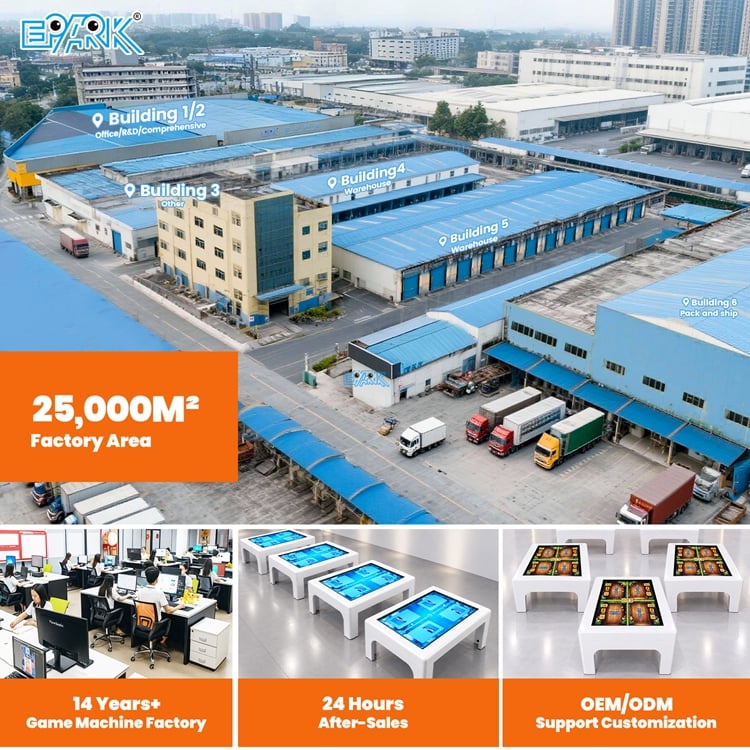
Table of Contents
- How to Choose Prizes for a Commercial Arcade
- Understand Your Target Audience
- Offer Prizes at Different Point Levels
- Match Prizes With Your Arcade Game Categories
- Calculate Prize Costs and Set a Budget
- Keep Prize Displays Attractive and Organized
- Manage Inventory and Restocking Efficiently
- Refresh Prizes to Encourage Repeat Visits
- Work With Reliable Arcade Equipment Suppliers
- Frequently Asked Questions
- Conclusion