
 EN
EN



Understanding Competitive Air Hockey Dynamics
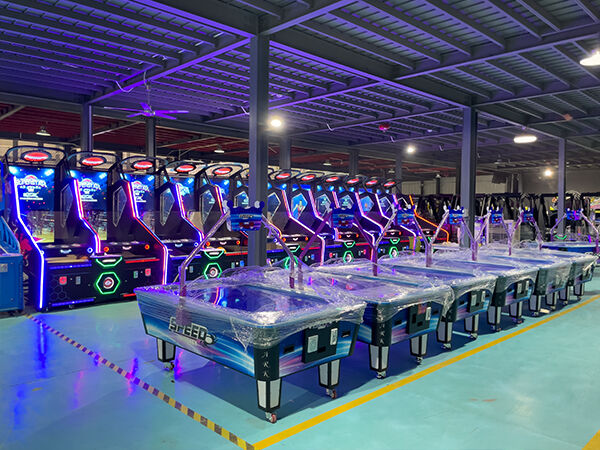
Key Elements of Arcade-Style Competition
Air hockey in arcades really depends on how good people are at reacting fast, thinking ahead, and working together as a team. Good reflexes let players keep up with how the puck moves all over the table, sometimes bouncing crazy directions. Smart planning helps folks figure out what opponents might do next and come up with ways to stop them. When teams play against other teams, everyone needs to communicate well and stick to a game plan if they want to win. Tournaments have grown quite a bit lately, bringing lots of fans together around those big tables. More people showing up at events means manufacturers keep putting air hockey machines in places where people hang out for fun. The rules matter too because they make sure nobody gets an unfair advantage, so everyone can actually compete fairly and show off their real talent without any tricks or cheating messing things up.
Market Trends Driving Competitive Play Growth
Air hockey tables are suddenly everywhere, and there's good reason for it. The market for these games is expected to jump from around $272 million last year to nearly $335 million by 2031, growing at roughly 3% annually according to recent industry numbers. What's really interesting though isn't just the money aspect. Platforms like TikTok and YouTube have turned competitive air hockey into something people actually watch for fun. Influencers play matches live while millions tune in, making what was once a bar staple now part of mainstream entertainment. Younger folks especially seem hooked on this trend, probably because they grew up playing video games rather than pinball machines. Manufacturers are responding too with fancy upgrades like LED lights, touch screens, and even augmented reality overlays during gameplay. As a result, we're seeing more people picking up paddles than ever before, whether at local arcades or in home basements across the country.
Essential Features for Tournament-Ready Tables
High-velocity Blower Motor Requirements
The heart of any good air hockey table lies in its high-speed blower motor. Without this component, players would struggle to enjoy those fast moving games we all love so much. These motors basically keep the puck gliding smoothly over the table surface, making each shot feel just right when it comes off the stick. Serious tournament tables need much more powerful blowers than what comes standard on regular recreational models. The difference matters a lot because stronger airflow means faster puck speeds and better consistency throughout long matches where every second counts.
Regular blower motors work okay for just messing around at home, but they really struggle during serious competition where every second counts and accuracy matters most. Serious tournament tables require heavy duty motors capable of running nonstop through those long matches without slowing down or overheating. When folks drop serious cash on tournament quality equipment, they want to make sure their table keeps up with fast paced action throughout entire events. A good high speed motor makes all the difference in creating that authentic tournament feel everyone looks forward to when stepping onto the competition floor.
Professional-grade Surface Slickness Standards
How slippery the table surface is makes all the difference in serious air hockey matches. When players have access to a properly maintained smooth surface, the puck glides predictably across the board, making for fair competition between opponents. The key here is reducing friction so the game stays fast paced and exciting to watch. Tournament organizers typically go for either polished wooden surfaces, polycarbonate coatings, or laminates since these materials create less drag on the puck. Most experienced players will tell anyone who asks that getting this right separates amateur setups from those worthy of competition standards.
Keeping surfaces smooth through proper maintenance really matters if we want them to stay in good shape over time. Most folks find that regular cleanups along with some resurfacing work every now and then helps stop those little cracks and scratches from forming, which can totally change how the game plays out. For serious competitions where fairness counts, maintaining consistent slickness isn't just important it's absolutely essential. When everyone has the same playing conditions, athletes actually get a fair shot at showing off what they're capable of doing on the field or court.
Optimizing Layout for Intense Matches
Space Configuration for Tournament Play
Setting up an air hockey tournament requires careful thought about how the tables are arranged in the space. Getting the layout right makes all the difference for player safety and keeping the game flowing smoothly. Good spacing between tables prevents accidental collisions during those fast-paced moments when players get too caught up in their strategies. Most organizers go with at least five feet of open space around each table based on what works best in practice. That extra room lets players move freely without feeling cramped while still leaving enough space for things like scoreboards and officials watching over the action. Tournament veterans know this setup isn't just random advice either it comes straight from experience at big events like the World Air Hockey Championships where they've seen firsthand how proper spacing keeps everyone focused on the game rather than worrying about tripping over someone else's stick.
Lighting and Flooring Considerations
Good lighting makes all the difference when it comes to creating the right vibe and keeping concentration high during those intense air hockey battles. The best setups cut down on annoying glare from the glass while spreading light evenly throughout the whole table area. Most people swear by LED lighting these days because they save energy and give off that nice daylight feel that doesn't strain eyes after hours of play. What most folks forget about though is how important floor choice really is. Rubber or vinyl surfaces work wonders for preventing slips and falls, especially when players are zipping around at full speed. A solid non-slip floor lets everyone move freely without worrying about losing balance mid-game, which honestly transforms the entire playing experience from frustrating to fun.
Implementing League Structures & Rankings
Creating competitive ladder systems
Establishing a competitive ladder system for air hockey tournaments requires a structured approach. Here's a foundational framework to get started:
- Define Tournament Goals: Determine the main objectives, whether improving skills, enhancing recognition, or fostering community engagement.
- Design Ranking Criteria: Establish clear criteria such as points scored, matches won, or technical excellence to rank players effectively.
- Player Classification: Separate players into divisions or categories based on skill levels, ages, or prior performances.
- Scheduling: Create a round-robin or elimination format that ensures fair opportunity and competitive balance.
- Award System: Implement a system for recognizing top performers with trophies, titles, or other incentives.
A good ranking system really boosts how engaged players get because it gives them something concrete to work toward. When someone knows every game could move them up or down the list, they tend to put in more effort. We've seen this create a whole different vibe around the table, where people actually start showing up regularly just to keep improving. Think about how pro sports work this way too. Air hockey isn't so different from ice hockey in that regard. The way leagues structure rankings keeps fans coming back for more action. And honestly, look at all those new sticks and pucks selling online these days. There's definitely money in keeping players hooked on climbing those ranks.
Digital scorekeeping integration strategies
Integrating digital scorekeeping systems into air hockey tournaments enhances the competitive experience significantly. With real-time updates and accurate tracking, these systems provide numerous benefits:
- Instant Feedback: Digital scoreboards offer immediate performance results, allowing players and audiences to stay informed throughout the game.
- Efficiency: Automated systems reduce human error, ensuring precise scoring and seamless operation.
- Analytics: Digital integration allows for detailed performance analysis, offering insights into player strengths and weaknesses for coaches and training staff.
There are plenty of tech tools out there for keeping scores efficiently during games. The ones that work with phones and tablets stand out because they make it so much easier for everyone involved, from people running events to players themselves who want to check standings on the fly. We've seen something similar happen across different sports over time, just like how ice hockey gear got way better with those fancy new materials and improved safety stuff. When tournament organizers adopt these digital scoring solutions, air hockey gets a real boost in visibility too. Spectators get a much better experience watching matches unfold in real time through these modern systems.
Advanced Training Techniques for Champions
Precision Deflection Drills
Deflection drills with pinpoint accuracy matter a lot for anyone serious about competing at the top level in air hockey. They help players get better at reading where the puck will go next and reacting fast when opponents try something tricky. When players work on being precise, they actually improve both defense and offense during matches. Take one popular exercise: coaches set up scenarios where the puck suddenly changes direction, forcing players to sharpen those hand-eye skills while adjusting body position quickly. There's also another good technique where players copy what their opponent does shot after shot, which trains them to predict moves before they happen. Regular practice with these methods really does give competitors an advantage on the table, especially against skilled opponents who know all the usual tricks.
Bank Shot Mastery Methods
Bank shots are probably one of the most important skills for anyone serious about winning at air hockey tournaments. The whole idea revolves around bouncing the puck off the sides of the table to get it past opponents who think they've got things figured out. Most players spend hours drilling these shots from different spots around the table just to get better control over where the puck goes after it hits those metal walls. When someone really gets how angle and speed work together, they start making moves that leave defenders scrambling because nobody expects the puck to come back at them from some weird direction. Good bank shot technique doesn't just mean more goals scored though it also throws off what the other team is trying to do defensively. That's why top players always work on their bank shots first thing during practice sessions before moving onto anything else.
---
Transitional exploration into advanced techniques empowers players to refine their performance continuously. In building on precision and strategy, air hockey enthusiasts can ensure they remain top contenders in any competition setting.