
 EN
EN


The Role of Arcade Machines in Modern Customer Retention Strategies
Blending Nostalgia with Modern Gaming Trends
Arcade cabinets still matter a lot when it comes to keeping customers coming back because they mix old school fun with what gamers want today. Classic arcade setups bring in folks who remember hitting quarters on Pac-Man and dodging those pixelated invaders in Space Invaders. At the same time, newer arcades are getting fancy with better visuals and game mechanics that hook younger crowds. Take Street Fighter as an example these days you see the same characters but with slicker graphics and online fighting modes that didn't exist back in the day. The real magic happens though when people connect emotionally with games they played as kids. Business owners know this well since tapping into those childhood memories creates loyal customers who keep returning year after year.
Creating Social Hubs Through Multiplayer Experiences
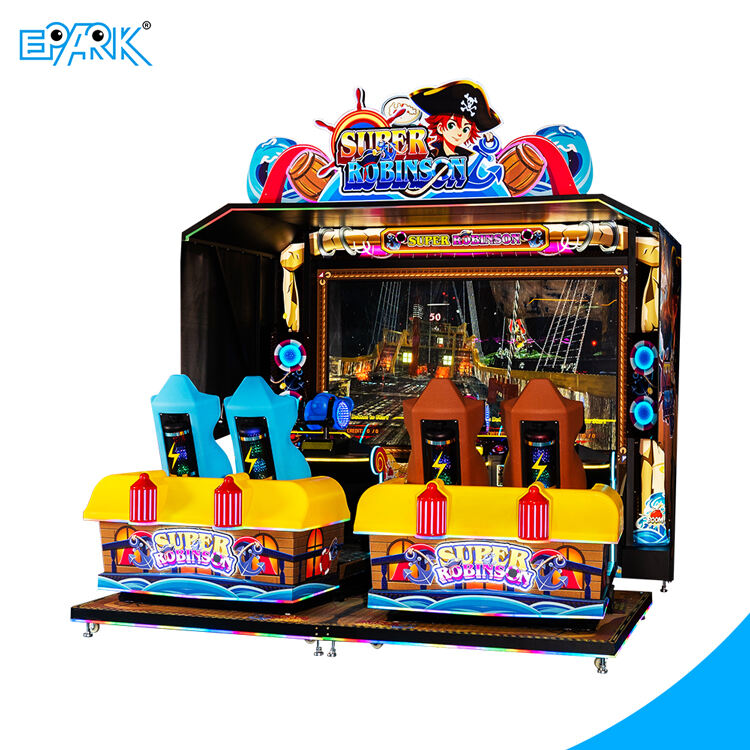
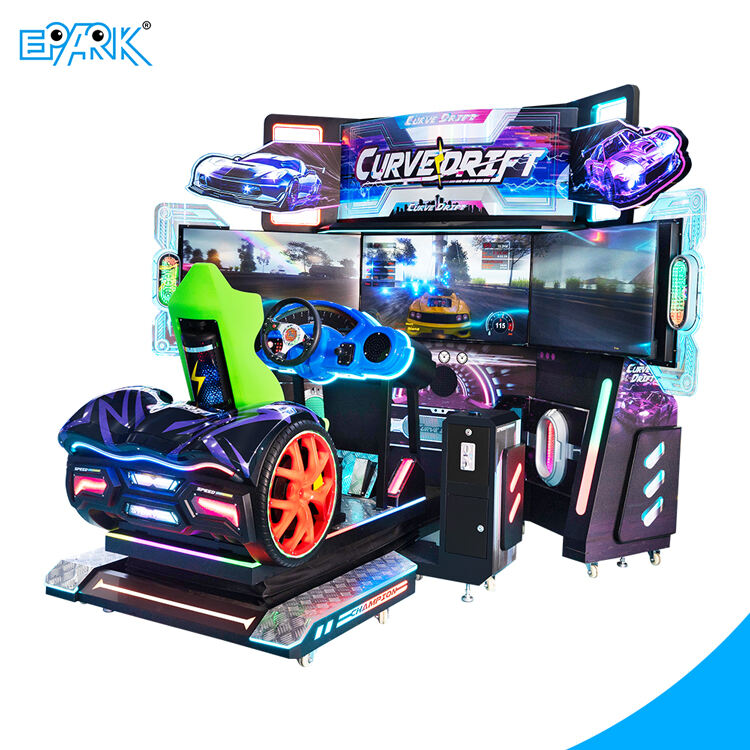
Arcade machines today are great at bringing people together through multiplayer games, creating communities that keep folks coming back again and again. Take Mario Kart for instance – when arcades started offering this game, it really kicked off some serious social bonding between players. People love hanging out with friends while racing against them, which makes them want to visit the same spot week after week. According to recent data from the gaming industry, places that set up multiple player stations tend to see more visitors walking through their doors. Patrons start making regular groups who play together every Saturday night or something like that. Arcade owners know this works because they're seeing repeat business from customers who form friendships over these shared gaming moments.
Encouraging Repeat Business with Prize Redemption Systems
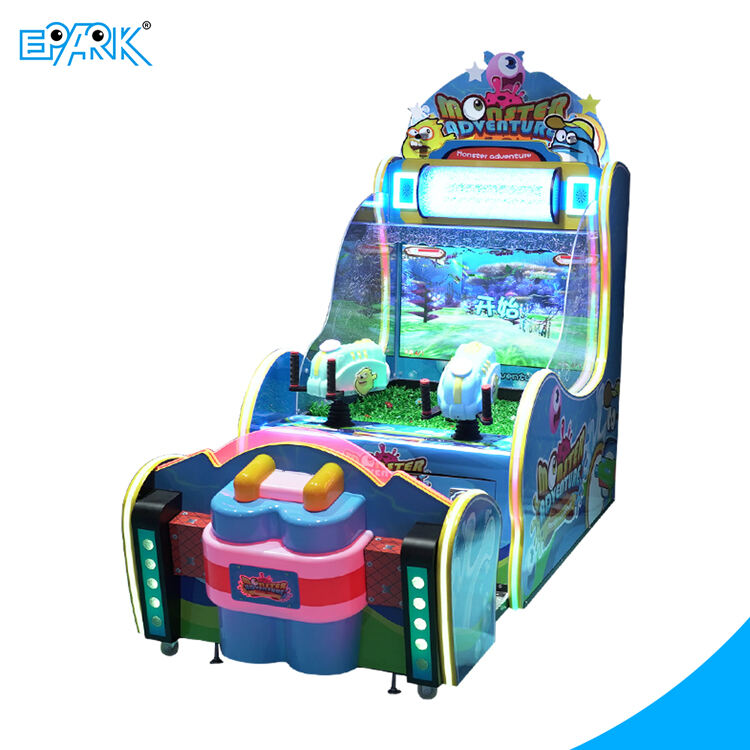
Arcade game redemption systems work really well at getting people back through the doors again and again. The whole point is to get folks coming back because they want those tickets or points that turn into something cool later on. Places that offer these kinds of reward systems tend to see their regulars sticking around longer too. There's all sorts of stuff people can win - think plush animals, little gadgets, sometimes even special passes to events or VIP treatment at local happenings. This range means there's something for everyone no matter what age group they fall into. When arcades give out real prizes after playing games, it creates this loop where customers keep coming back just to collect more rewards, which builds that sense of loyalty over time.
Psychological Appeal of Arcade Games in Driving Repeat Visits
The Dopamine Effect of Skill-Based Challenges
Skill based arcade games work their magic on our brains because they hook into that reward system we all have, which is why people just can't seem to stop playing them. When someone plays one of these games, their brain starts pumping out dopamine, that chemical responsible for making us feel good and want to do things again and again. Research from neuroscience tells us that this so called "feel good" chemical actually helps reinforce certain behaviors, making folks come back time after time. Take pinball machines or those tricky puzzle games at arcades, they're designed specifically to give instant feedback whenever something goes right. Players get points, hear sounds, maybe even see lights flash, all of which makes them want to try one more round, then another, always chasing that next high score.
Competitive Thrills in Boxing and Sports Simulators
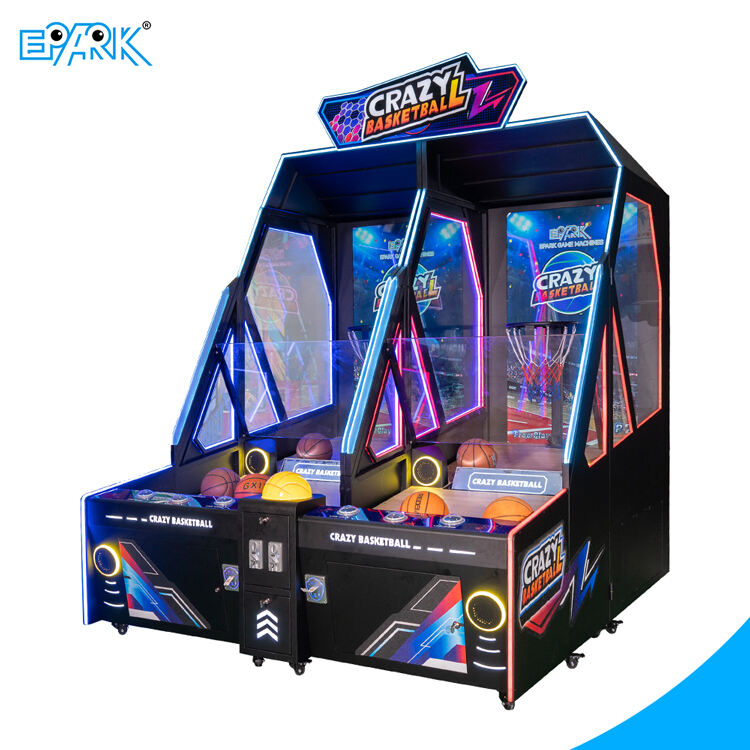
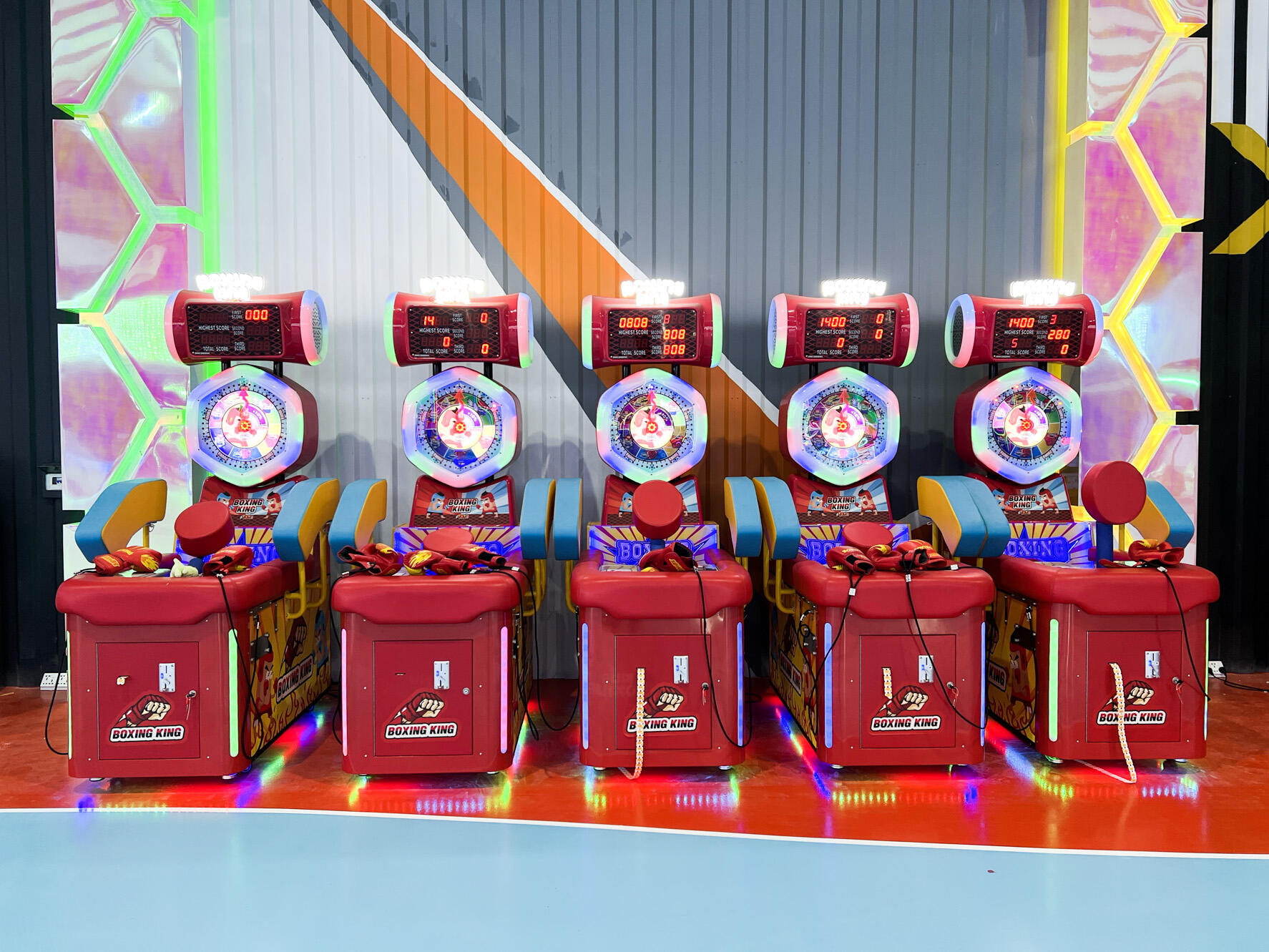
Arcade games that involve competition, think boxing simulations or sports titles, really crank up the emotions and keep people coming back for more. When someone gets into these games, they feel that rush from competing against others or trying to get better at something. Many arcades see regulars who stick around because games like Street Fighter or NBA Jam create those intense moments where winning feels awesome. People love beating high scores or outsmarting opponents. Game designers know this works psychologically too competition taps into our basic need to master challenges and show off achievements to friends. That's why so many folks become hooked on these machines year after year.
Reward Anticipation in Ticket and Prize Games
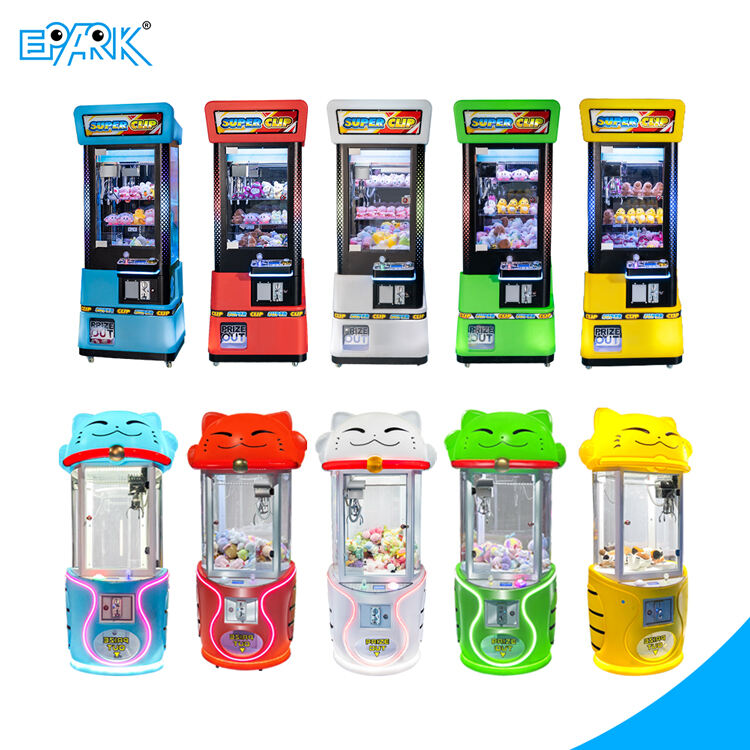
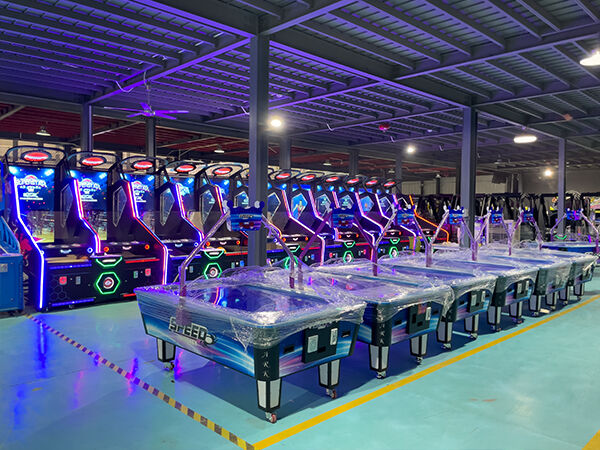
Ticket and prize games really get people excited and curious about what they might win next. This kind of thrill keeps folks coming back again and again. Most of these games are designed to make players wait just long enough to want more, which gets them hooked on earning those tickets and collecting prizes. Looking at the numbers shows something interesting too many people actually cash in their tickets, and this tends to mean they come back more often than not. Claw machines sitting in arcades or even available for purchase, along with games like air hockey, bring in all sorts of different customers because anyone can pick them up quickly and enjoy the challenge. People love knowing there's something real waiting for them at the end of their efforts, whether it's a small toy or maybe an unusual experience they didn't expect. This promise of getting something concrete out of their time spent playing definitely makes businesses see repeat customers and builds brand loyalty over time.
Key Features of High-Retention Arcade Machines
Adaptive Difficulty Settings for Broad Appeal
The way arcade games adjust their difficulty based on what players can handle makes a big difference when it comes to keeping people coming back no matter their skill level. When a game gets harder or easier depending on how someone is doing during play, everyone from beginners to experts tends to enjoy themselves more. Research from Frontiers in Psychology suggests there's actually a connection between these adjustable difficulties and better engagement overall. Take Guitar Hero for instance - many gamers loved how the game would ramp up the challenge just enough without becoming frustrating. Some versions of Tetris also use similar techniques where blocks fall faster as players improve. What we see here is pretty clear: games that adapt to individual performance keep folks interested longer and bring them back again and again for new experiences.
Maintenance Strategies for Optimal Machine Performance
Keeping arcade machines running smoothly through regular maintenance really makes a difference in how they perform and what customers think of them. Machines that get good care tend to work better overall and just plain last longer, which means operators get their money's worth over time. Industry numbers show something interesting too: machines maintained properly often stick around twice as long compared to neglected ones. For day to day upkeep, most operators find value in checking for mechanical issues once a week, giving parts a thorough cleaning every month, and keeping software updated when needed. All this preventative work pays off because it means fewer breakdowns during peak hours. Arcade goers notice these differences and come back again and again when games run reliably without unexpected glitches or delays.
Incorporating Popular Franchises and Branded Content
Arcade games that feature popular franchises and branded content tend to get people excited and bring in all sorts of different folks. When arcades tap into those big fan bases from beloved series, they naturally pull in gamers looking for something familiar. Take Star Wars and Marvel themed machines for instance these have been cash cows for operators because fans just love seeing their favorite characters come to life. Recent surveys point to an interesting shift too more consumers are willing to drop extra bucks on games tied to their favorite brands. Smart arcade owners know this stuff works. They're creating experiences that keep regulars coming back while also drawing in newcomers who might not otherwise step foot inside.
Implementing Gamification Techniques Through Arcade Experiences
Progress Tracking Through Player Profiles
When game developers create player profiles, they're actually adding something really special to the mix that makes people come back again and again. Profiles let folks keep tabs on where they stand, see what badges they've earned so far, and even dream up new challenges for themselves. This whole setup is basically what gamification is all about. The tech behind this stuff has gotten pretty smart too. Things like those little RFID cards we swipe at arcades or cloud storage solutions make it super easy to pick up right where we left off last time. Most gamers love this stuff. A bunch of studies have shown that when games remember who we are and our preferences, it just feels better overall. People stick around longer because they feel connected to their progress, and companies benefit from having happier customers who don't switch to other games so quickly.
Limited-Time Events and Seasonal Content Updates
When games introduce limited time events or seasonal content updates, they tap into something pretty powerful for keeping players interested. These kinds of promotions work because people want what others might miss out on, especially when there are cool rewards involved. Many game companies schedule their biggest events right around major holidays or other notable dates throughout the year. This approach tends to bring in both fresh faces and old friends who remember having fun with similar events before. Take Halloween and Christmas themed events for instance. Arcade operators report seeing noticeable jumps in foot traffic and spending whenever these happen. The numbers don't lie either about how effective these tactics really are at generating excitement among customers and getting them back through the doors again and again.
Cross-Promotions with Other Business Offerings
When arcades team up their games with other local businesses, they actually get more people noticing them and remembering where they are. Arcade owners work together with different companies or even expand what they already offer, which brings in all sorts of new customers. We've seen real results from these kinds of deals. For instance, some places partner with nearby restaurants so folks get discount coupons for games when they eat there. Others set up mini arcades inside shops to give shoppers something fun while they browse. The numbers don't lie either sales really take off when these promotions happen. That's why many business owners now see cross promotion not just as an extra thing to do, but almost essential for growing their customer base and keeping things interesting for regulars too.
Analyzing Player Session Frequency Metrics
Knowing how frequently players show up at arcades gives valuable clues about their habits and whether they stick around or not. When arcade owners track when people come back to play those machines, they start seeing trends in who keeps coming back week after week and what makes customers happy. Looking at things like how long someone plays each time, how much time passes between visits, and just how many times a person plays overall helps paint a clearer picture. Research published in a hospitality management journal actually shows there's a clear link between folks who keep playing regularly and those who stay loyal customers for years. Arcade operators who watch these numbers closely can then adjust their promotions and special events to better connect with regulars while also attracting new faces, ultimately building stronger relationships with their core audience over time.
Calculating ROI on Arcade Machine Investments
Calculating return on investment for arcade machines matters a lot for business success. Store owners need to figure out if they're actually making money from their arcade investments or just losing cash. When looking at finances, it makes sense to consider all the expenses first the price tag when buying machines plus ongoing maintenance costs. Then there's income coming in from people playing games, special events hosted at the location, and promotional activities too. Some actual examples show that stores which carefully select both old school classics and newer models tend to see good returns on their money according to research published recently. By taking all these numbers into account, arcade operators can decide smarter about what kind of machines to invest in next and avoid wasting resources on poor choices.
Benchmarking Against Industry Retention Standards
Looking at how well an arcade stacks up against industry norms helps keep it competitive when it comes to holding onto customers. The main numbers people track are things like how many regulars come back week after week and how much money each visit brings in. Most business publications point out that matching up these stats with what others in the sector are doing really helps shape better plans for running the place. People who know arcades inside out always talk about checking these comparison points both to see where things stand right now and spot areas that need fixing. Sticking with retention measurements lets owners grow their business over time without falling behind what everyone else expects from modern arcades.