 EN
EN
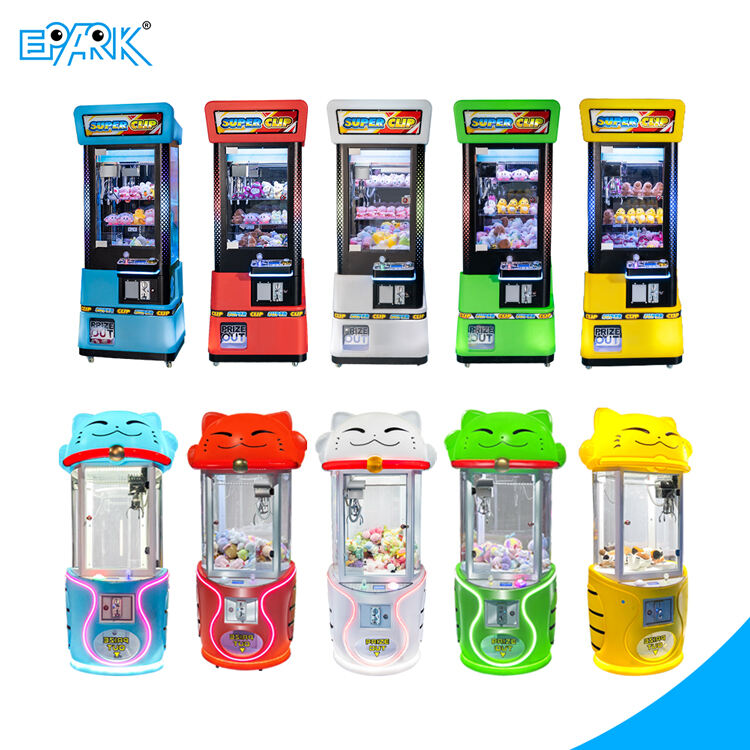
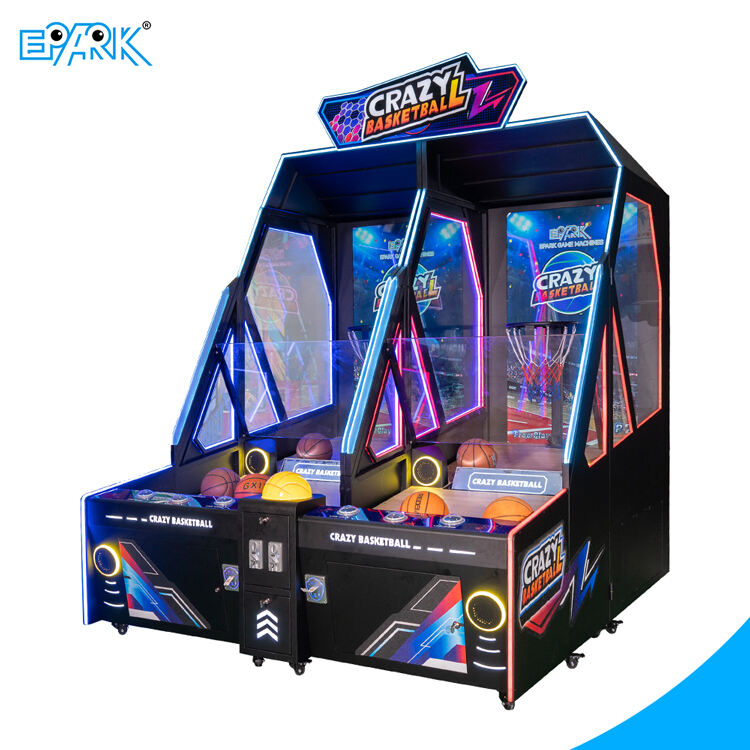
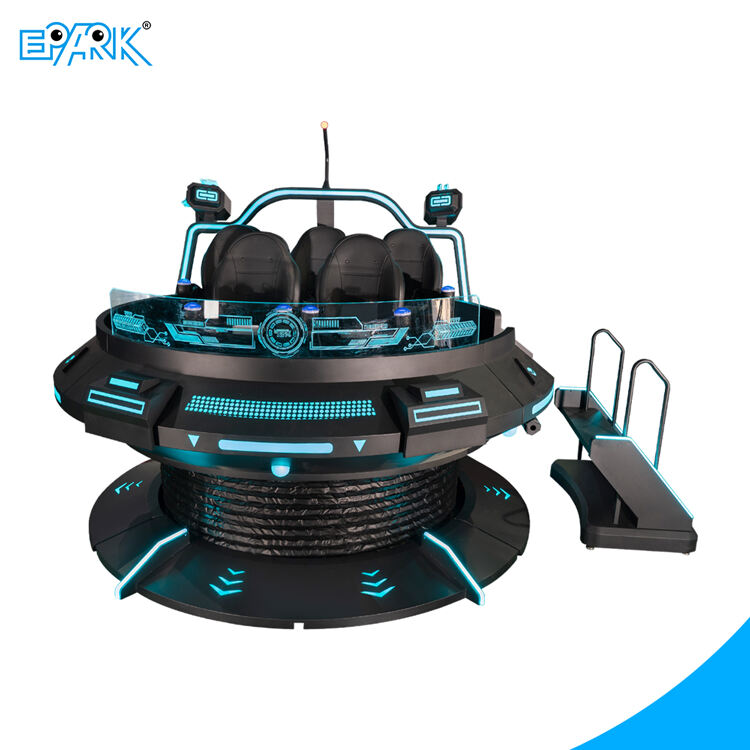
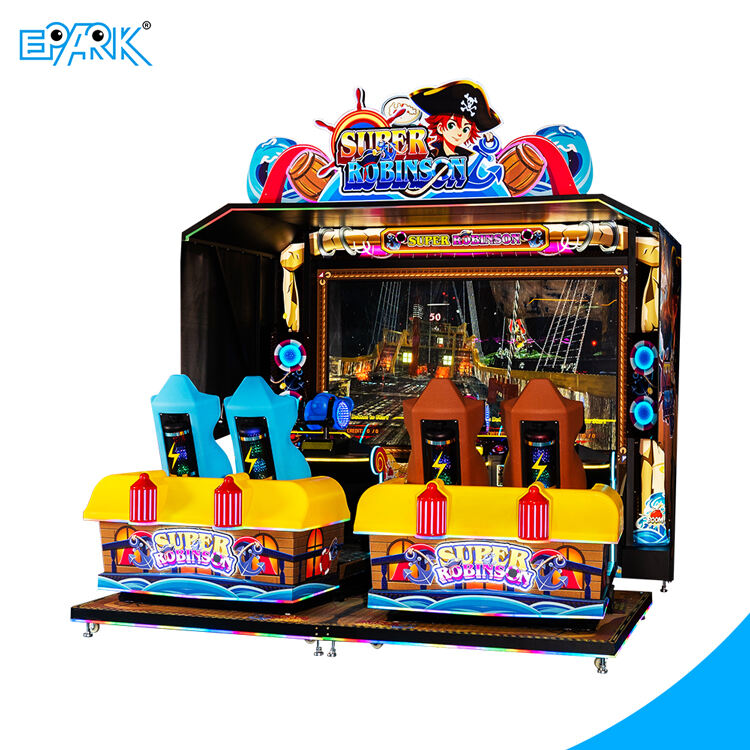
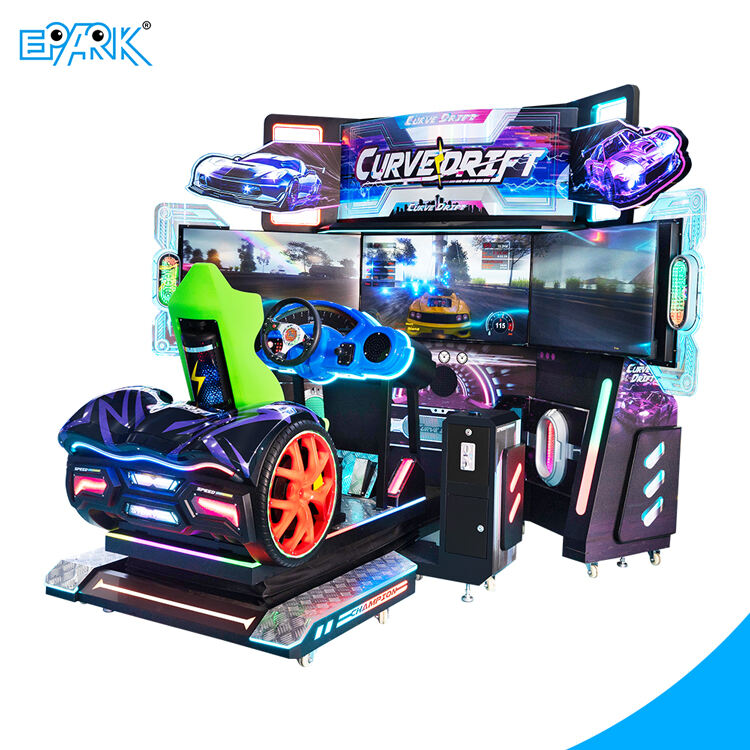
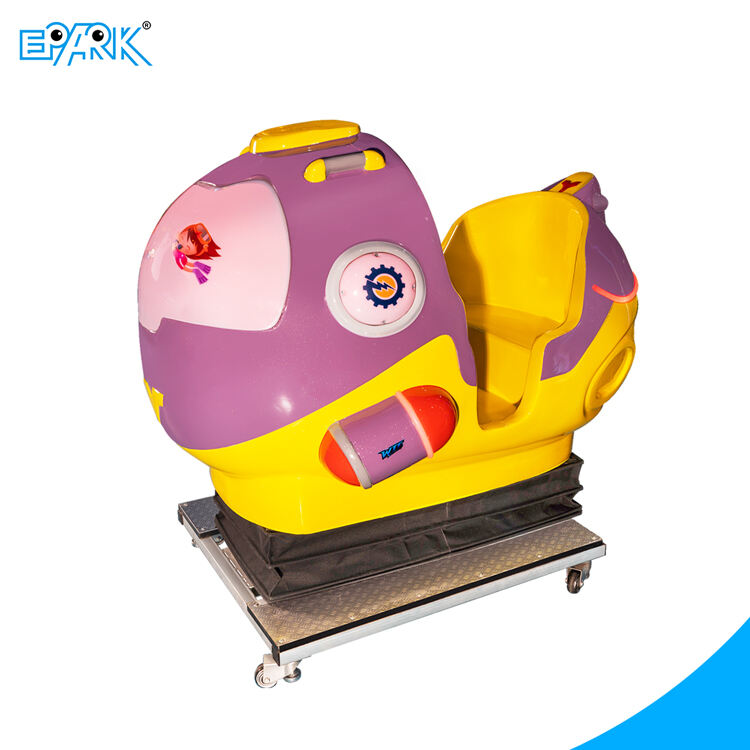

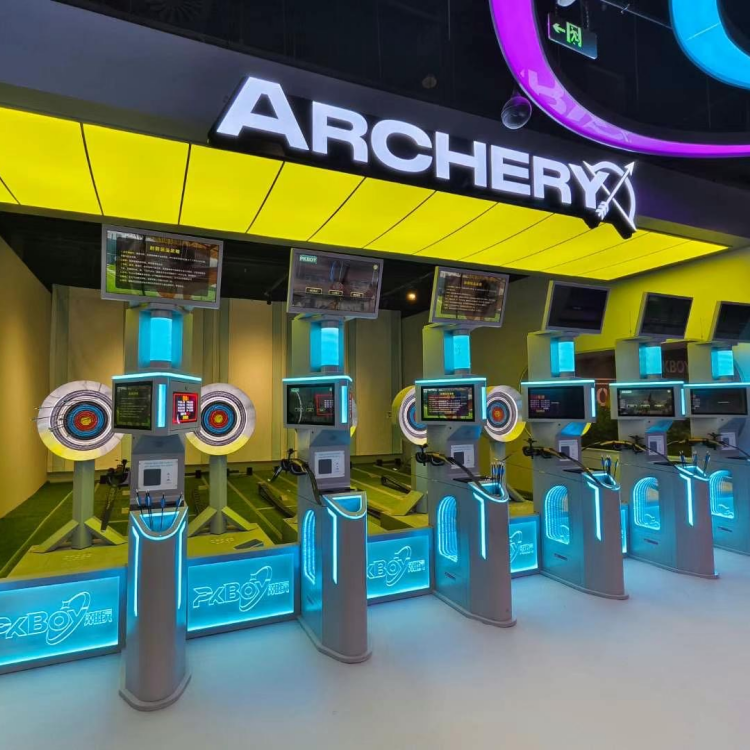

The arcade and Family Entertainment Center (FEC) industry continues to grow rapidly in 2026 as more investors enter the market looking for profitable entertainment business opportunities. Modern arcades are no longer limited to traditional game centers. Today’s successful venues combine interactive attractions, redemption systems, sports arcade games, and immersive customer experiences to increase engagement and maximize long-term profitability.
However, despite strong market demand, many arcade businesses still struggle to achieve stable revenue growth. In most cases, the problem is not the industry itself, but rather poor planning, weak operational strategy, or incorrect investment decisions.
Many new operators underestimate how important factors such as machine selection, layout planning, customer behavior, and replay value are to long-term profitability. Others focus too heavily on reducing startup costs while ignoring the importance of customer experience and machine quality.
Understanding the most common arcade business mistakes can help operators avoid unnecessary losses, improve customer retention, and build more profitable entertainment venues. This guide explores the biggest mistakes arcade operators make in 2026 and explains how successful FECs avoid them.
Choosing Machines Based Only on Price
One of the biggest mistakes new arcade investors make is selecting machines purely based on low purchase cost. While reducing startup investment may seem attractive initially, cheaper machines often create long-term operational problems that negatively affect profitability.
Low-quality machines frequently lead to:
- Higher maintenance costs
- More downtime
- Poor customer experience
- Weak replay value
- Shorter machine lifespan
In modern FEC environments, customers expect arcade machines to feel visually exciting, responsive, and professionally designed. Outdated or poorly built equipment can reduce the overall quality perception of the venue.
Successful operators focus on:
- Long-term ROI
- Machine durability
- Gameplay quality
- Customer engagement
- Supplier reliability
Instead of simply choosing the lowest price available.
Installing Too Many Similar Machines
Another common mistake is filling the venue with too many machines from the same category. While certain attractions such as claw machines or redemption games may perform well individually, overloading the venue with repetitive gameplay can reduce customer interest over time.
Modern arcade visitors generally prefer a balanced mix of:
- Redemption games
- Sports arcade attractions
- Racing simulators
- Interactive multiplayer games
- Family-friendly experiences
A diverse machine mix creates stronger customer engagement because visitors are encouraged to explore different attractions throughout the venue.
Successful FECs focus on building complementary entertainment zones rather than simply maximizing machine quantity.
Ignoring Replay Value
Replay value is one of the most important drivers of arcade profitability, yet many operators fail to evaluate whether machines encourage repeated gameplay.
Machines with low replay value often experience:
- Short customer engagement
- Lower daily revenue
- Faster decline in popularity
Modern high-performing arcade machines usually include:
- Competitive gameplay
- Multiplayer interaction
- Ticket redemption systems
- Progressive challenges
- Social gameplay experiences
These features motivate players to continue playing and return for future visits.
Operators who prioritize replay value generally achieve stronger long-term revenue performance than venues focused only on visual appearance or novelty.
Poor Arcade Layout Planning
Even high-quality arcade machines can underperform when placed inside a poorly designed venue.
Common layout mistakes include:
- Narrow walkways
- Hidden machines
- Weak traffic flow
- Poor lighting
- Overcrowded spaces
A bad layout reduces:
- Machine visibility
- Customer comfort
- Dwell time
- Social interaction
Modern FECs should create open and visually engaging environments where visitors can move naturally between attractions.
Successful operators carefully design:
- Sports zones
- Redemption areas
- Family sections
- Multiplayer attraction spaces
To improve immersion and maximize revenue per square meter.
Failing to Understand Customer Demographics
Many arcade businesses fail because operators do not fully understand who their target customers are.
Different age groups are attracted to different gameplay experiences:
- Young children prefer simple interactive and redemption games
- Teenagers often prefer competitive and sports attractions
- Families are attracted to multiplayer and group entertainment experiences
Installing machines that do not match the venue’s primary audience can significantly reduce engagement and profitability.
Successful FEC operators carefully analyze:
- Customer age groups
- Spending behavior
- Visit patterns
- Entertainment preferences
Before selecting machine categories.
Neglecting Social Media Appeal
In 2026, social media exposure has become one of the most important factors driving arcade traffic. Many operators still underestimate how strongly visual attraction influences customer behavior.
Modern arcade machines with:
- Bright LED lighting
- Interactive gameplay
- Large displays
- Competitive moments
Frequently generate user-created content on:
- TikTok
- Instagram Reels
- YouTube Shorts
Venues with outdated layouts and visually weak machines are less likely to attract online attention.
Successful operators increasingly invest in attractions that are both profitable and visually shareable.
Ignoring Maintenance and Downtime
Machine downtime directly reduces revenue. Every inactive machine represents lost income and weakens the customer experience.
Some operators delay maintenance in order to reduce short-term operational costs, but this often creates larger problems later.
Poor maintenance can lead to:
- Lower customer trust
- Negative reviews
- Higher repair expenses
- Reduced replay activity
Professional FEC operators prioritize:
- Preventive maintenance
- Daily inspections
- Spare parts preparation
- Technical support systems
Reliable machine operation is essential for maintaining long-term profitability.
Focusing Only on Short-Term Revenue
Another major mistake is focusing only on immediate earnings while ignoring long-term customer retention.
Successful arcades do not simply maximize short-term spending. Instead, they focus on:
- Customer satisfaction
- Repeat visits
- Social engagement
- Venue atmosphere
- Long-term loyalty
Customers are more likely to revisit venues that:
- Introduce new attractions regularly
- Maintain clean environments
- Offer strong redemption systems
- Create memorable experiences
Long-term profitability depends heavily on customer retention rather than only one-time traffic.
Underestimating Industry Competition
The arcade industry is more competitive than ever in 2026. Modern customers have many entertainment alternatives, including:
- Mobile gaming
- Online multiplayer games
- VR experiences
- Social entertainment venues
Arcades that fail to evolve often struggle to remain relevant.
Successful operators continuously improve:
- Machine selection
- Venue design
- Interactive experiences
- Social media visibility
- Customer engagement strategies
Remaining competitive requires ongoing investment in both equipment and customer experience.
Why Avoiding These Mistakes Matters
Avoiding common arcade business mistakes helps operators:
- Improve ROI
- Increase customer retention
- Reduce operational risk
- Maximize revenue per square meter
- Build stronger long-term businesses
The most successful FECs in 2026 are not necessarily the largest venues. Instead, they are the operators who understand customer behavior, maintain strong machine quality, and continuously optimize the entertainment experience.
Conclusion
Running a successful arcade business in 2026 requires much more than simply purchasing machines and opening a venue. Operators must carefully consider machine quality, replay value, customer demographics, layout design, and long-term operational strategy.
Mistakes such as choosing machines based only on price, ignoring replay value, overcrowding the venue, or neglecting customer experience can significantly reduce profitability over time.
Successful FEC operators focus on creating engaging, visually exciting, and interactive entertainment environments that encourage customers to stay longer, replay attractions, and return regularly.
By avoiding these common mistakes and focusing on long-term operational quality, arcade businesses can achieve stronger revenue growth and sustainable profitability in today’s highly competitive entertainment market.
FAQ
What is the biggest mistake in arcade business operation?
Choosing machines based only on low price without considering replay value and long-term reliability is one of the biggest mistakes.
Why is replay value important for arcade profitability?
Machines with strong replay value encourage customers to play repeatedly, increasing daily revenue and customer retention.
How does arcade layout affect revenue?
Good layout design improves traffic flow, machine visibility, and customer engagement, all of which increase profitability.
Should arcades target multiple customer age groups?
Yes. Balanced machine selection helps attract families, teenagers, children, and group visitors simultaneously.
How important is social media for modern arcades?
Very important. Visually engaging machines and interactive gameplay often generate organic exposure through short-form video platforms.
Table of Contents
- Choosing Machines Based Only on Price
- Installing Too Many Similar Machines
- Ignoring Replay Value
- Poor Arcade Layout Planning
- Failing to Understand Customer Demographics
- Neglecting Social Media Appeal
- Ignoring Maintenance and Downtime
- Focusing Only on Short-Term Revenue
- Underestimating Industry Competition
- Why Avoiding These Mistakes Matters
- Conclusion
- FAQ