
 EN
EN
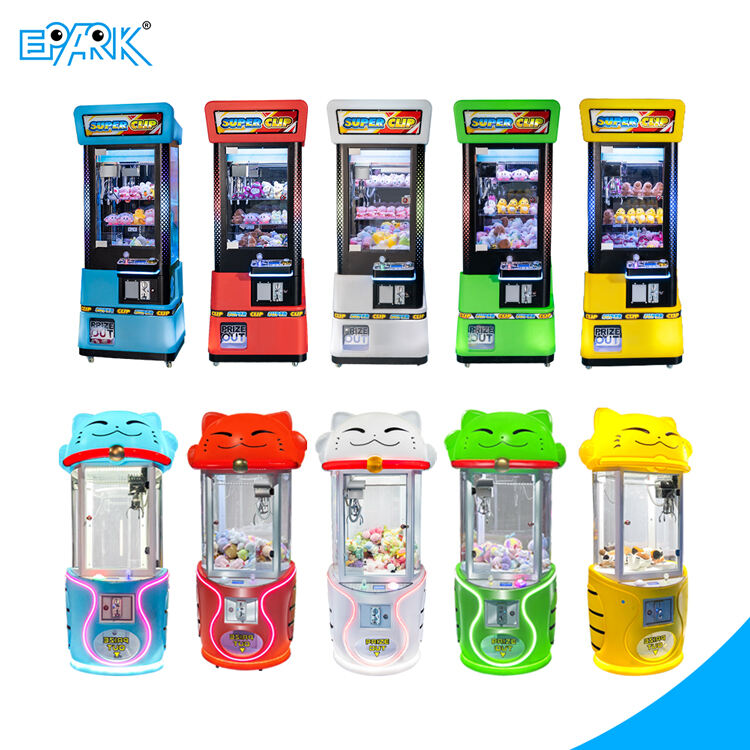
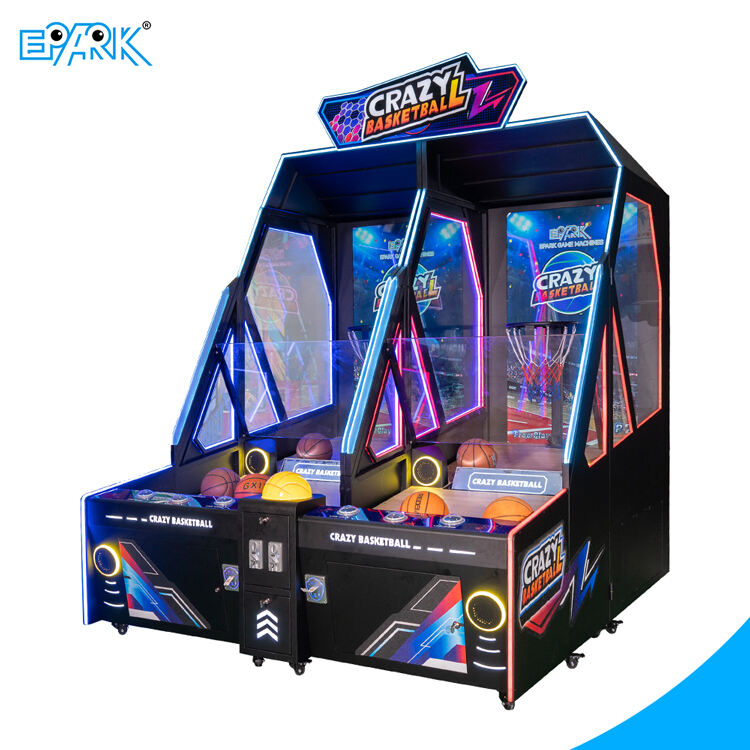
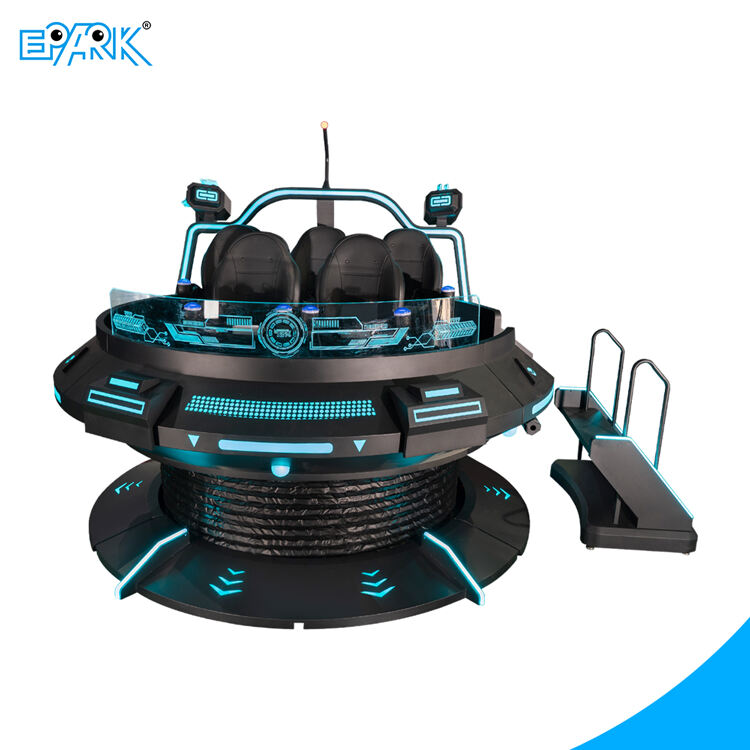
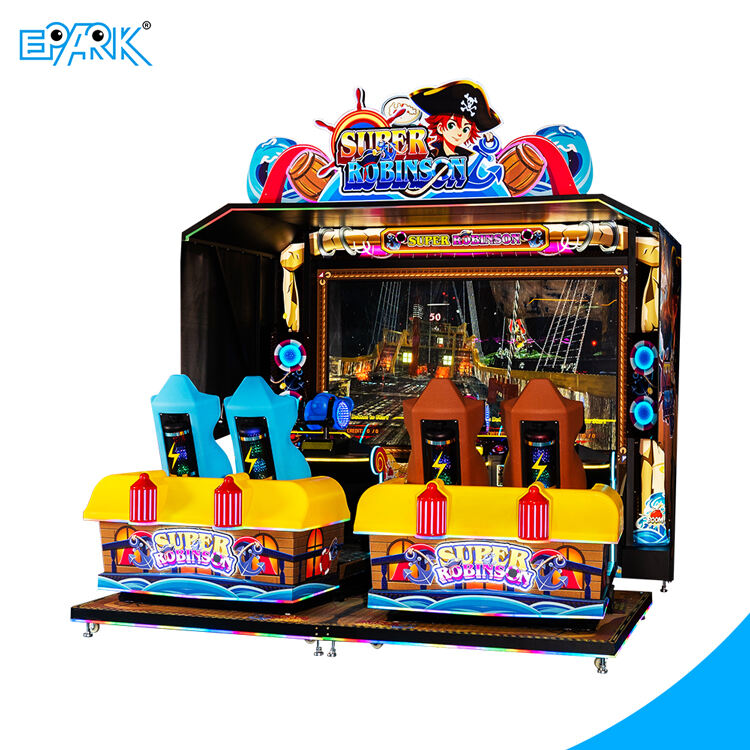



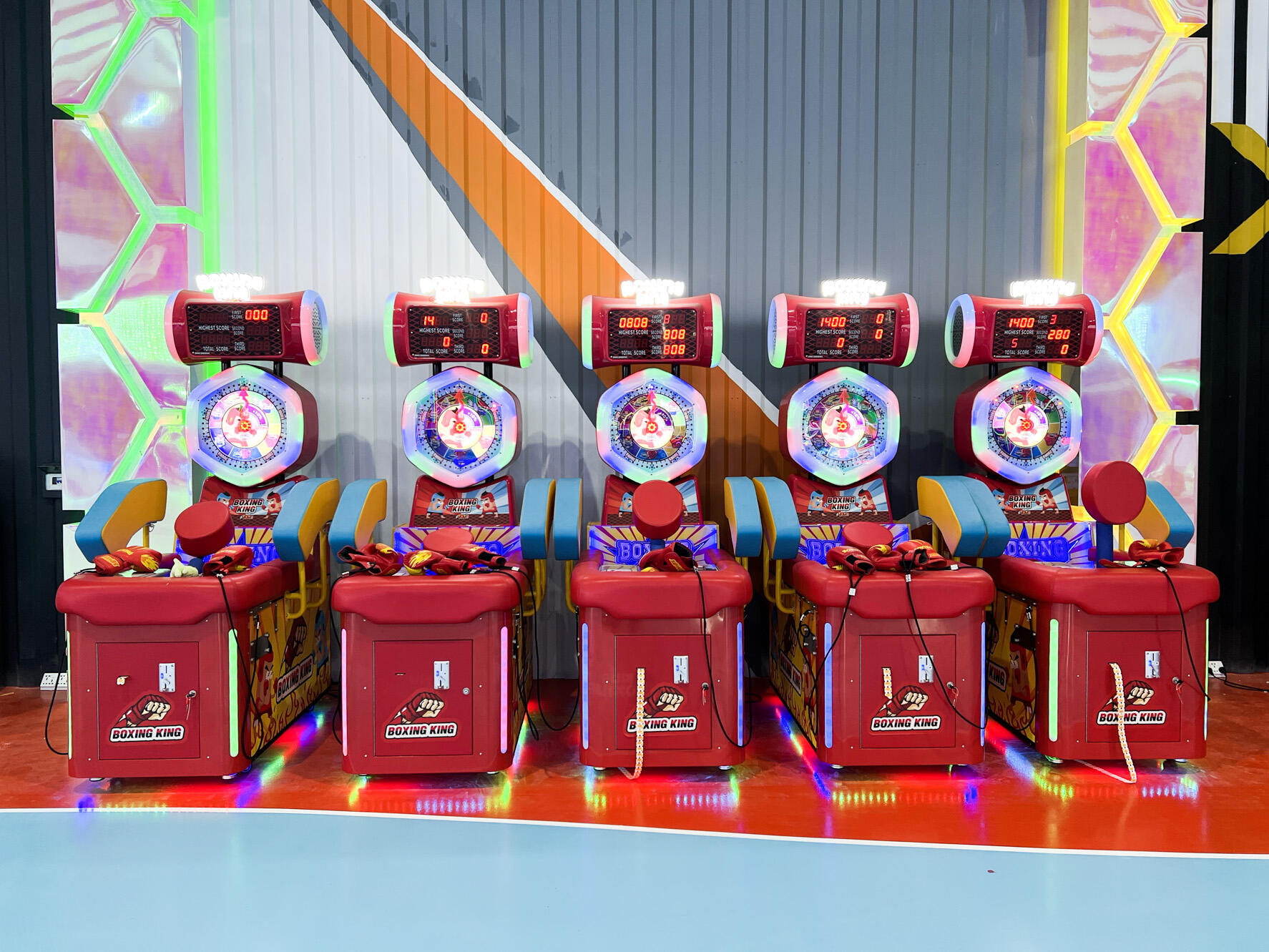
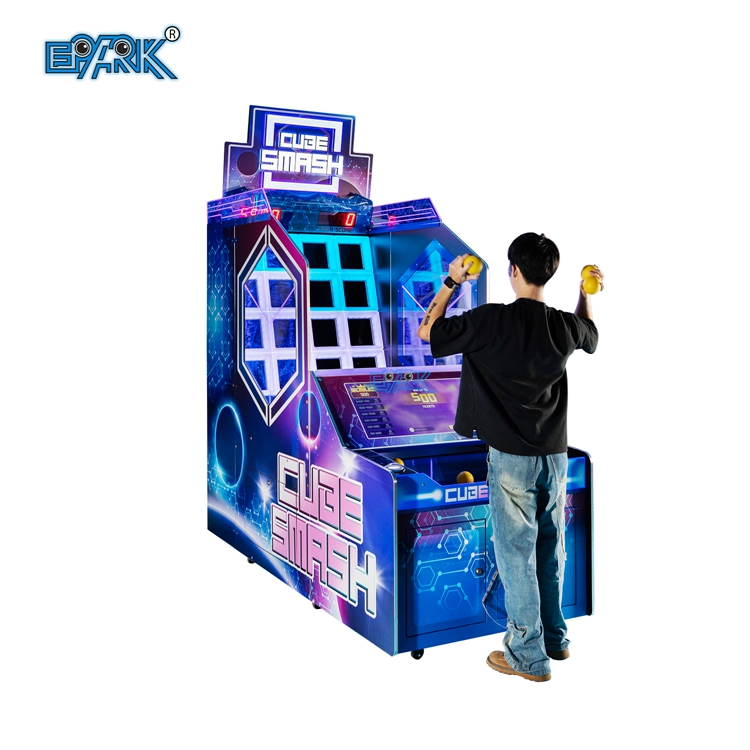
Boosting Player Engagement and Retention with Redemption Game Machines
How Variable Ratio Reinforcement Drives Repeat Play
Redemption game machines harness variable ratio reinforcement—a well-documented behavioral principle where rewards are delivered after an unpredictable number of responses—to create compelling, repeatable gameplay loops. Unlike fixed-ratio systems (e.g., “win every 10 plays”), this unpredictability triggers dopamine release during near-misses and small wins, reinforcing continued play even without immediate payoff. Behavioral studies show players spend 30% more time per session on redemption games compared to non-redemption alternatives. When placed near entrances or high-traffic zones, these machines act as psychological anchors—drawing in new guests and encouraging return visits by embedding play into habit-forming routines.
Tangible Rewards and the Psychology of Ticket Currency
The ticket-based system converts abstract effort into physical, countable value—functioning as a behavioral “currency” that leverages two key cognitive biases: effort justification (players assign higher value to prizes earned through sustained play) and the endowment effect (accumulated tickets feel personally owned and harder to abandon). Modern venues reinforce this by curating tiered prize catalogs—from low-cost novelties to premium electronics—ensuring relevance across age groups and spending levels. Facilities with optimized redemption counters report 25% longer dwell times (ResearchReportsWorld), as players linger to strategize redemptions, compare options, or save toward aspirational items. This transforms short bursts of gameplay into sustained engagement cycles, where returning to “complete a set” or upgrade a reward becomes a self-reinforcing driver of retention.
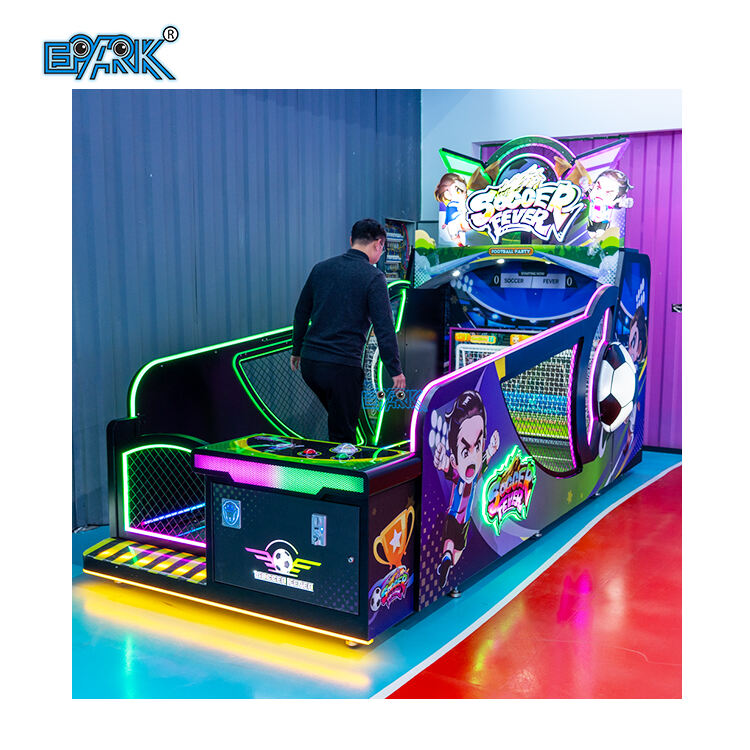
Maximizing Profitability Through Redemption Game Machine Economics
Payout Control, Prize Markup, and Margin Optimization
Profitability in redemption gaming stems from deliberate calibration—not just of win rates, but of the perceived versus actual value exchange. Operators maintain healthy margins (60–75%) by adjusting ticket payout ratios and applying strategic markup to prizes, keeping prize costs at just 18–25% of total revenue (Startup Financial Projection). Crucially, players consistently spend far more than the wholesale cost of redeemed items—driven by the psychological weight of accumulated tickets and the emotional payoff of redemption. Real-time analytics and programmable firmware now allow operators to fine-tune win probabilities and ticket yields based on performance data, ensuring consistent returns without compromising player satisfaction.
| Revenue Factor | Typical Range | Impact on Profitability |
|---|---|---|
| Machine Revenue | $300 – $1,500/month | Primary income driver |
| Prize Cost | 18% – 25% of revenue | Controllable expense |
| Profit Margin | 60% – 75% | Industry benchmark |
Diversifying Revenue: Tickets, Prizes, and Upsell Opportunities
Redemption machines generate income across three interconnected layers: gameplay, prize markup, and adjacent upsells. The ticket system functions as an internal retail channel—prizes are marked up 40–60% over cost, turning redemption into a high-margin secondary revenue stream. Equally important, the redemption counter acts as a natural traffic hub: its visibility, wait times, and curated displays encourage impulse purchases and extend guest presence. This environment significantly boosts cross-selling—particularly food and beverage, which carry 60–80% margins. Market data confirms the economic advantage: redemption games contributed 29.2% of total arcade revenue in 2023 (Grandview Research), outperforming pure-video formats due to this multi-tiered, experience-driven model.
Streamlining Operations with Modern Redemption Game Machine Technology
Today’s redemption machines eliminate manual bottlenecks through integrated digital infrastructure. Automated ticket dispensing, cloud-connected performance dashboards, and real-time payout tracking remove the need for daily ticket counts, balance reconciliations, or paper-based logs. Predictive maintenance alerts reduce unplanned downtime, while simplified hardware—replacing coin mechanisms and paper-ticket paths with contactless or QR-based systems—cuts wiring complexity and jam-related service calls. Seamless integration with POS and inventory platforms allows staff to update prize values, disable out-of-stock items, or run promotions remotely via tablet. As a result, operational overhead declines meaningfully—and frontline staff shift focus from machine troubleshooting to guest engagement, directly improving service quality and labor efficiency.
Enhancing the Guest Experience via the Redemption Counter and Prize Ecosystem
Extending Dwell Time and Increasing Overall FEC Spend
The redemption counter is not a transactional endpoint—it’s the experiential climax of the visit. Well-designed prize ecosystems leverage aspiration, visibility, and choice: illuminated displays of high-value items serve as tangible goals, while tiered pricing and “limited edition” labels encourage strategic saving and return visits. Data shows such environments extend average dwell time by 25% (Industry Analysis 2024), and guests who spend more time on-site are 68% more likely to purchase F&B or add-on attractions. Digital enhancements—including loyalty-linked redemption histories and AI-powered prize recommendations—further personalize the experience; venues using these tools report up to a 30% lift in average spend-per-visit. By treating redemption as a curated, emotionally resonant moment—not just a payout—operators strengthen memory encoding, increase social sharing, and build long-term brand affinity.
FAQ
What is variable ratio reinforcement in redemption game machines?
Variable ratio reinforcement is a psychological principle where rewards are given after an unpredictable number of actions. In redemption game machines, this unpredictability keeps players engaged and encourages repeat gameplay.
How do redemption counters increase player engagement?
Redemption counters provide a strategic and visually appealing space for players to redeem tickets, compare prize options, and strategize savings. This boosts dwell time and encourages return visits.
What is the typical profit margin for redemption game machines?
The typical profit margin ranges from 60% to 75%, due to strategic control of ticket payouts, markup on prizes, and operational efficiencies.
What role does modern technology play in redemption game machines?
Modern technology streamlines redemption machine operations through features like real-time analytics, integrated POS systems, and predictive maintenance, which lower operational costs and improve customer service.
How can operators enhance the guest experience with redemption games?
Operators can enhance the guest experience by offering tiered prize catalogs, loyalty-linked redemption options, and curated prize displays, encouraging longer stays and higher overall spending.
Table of Contents
- Boosting Player Engagement and Retention with Redemption Game Machines
- Maximizing Profitability Through Redemption Game Machine Economics
- Streamlining Operations with Modern Redemption Game Machine Technology
- Enhancing the Guest Experience via the Redemption Counter and Prize Ecosystem
-
FAQ
- What is variable ratio reinforcement in redemption game machines?
- How do redemption counters increase player engagement?
- What is the typical profit margin for redemption game machines?
- What role does modern technology play in redemption game machines?
- How can operators enhance the guest experience with redemption games?