
 EN
EN


Revving Up: The Evolution of Racing Arcade Machines
From Analog to Immersive: Tracing Arcade Machine Trends
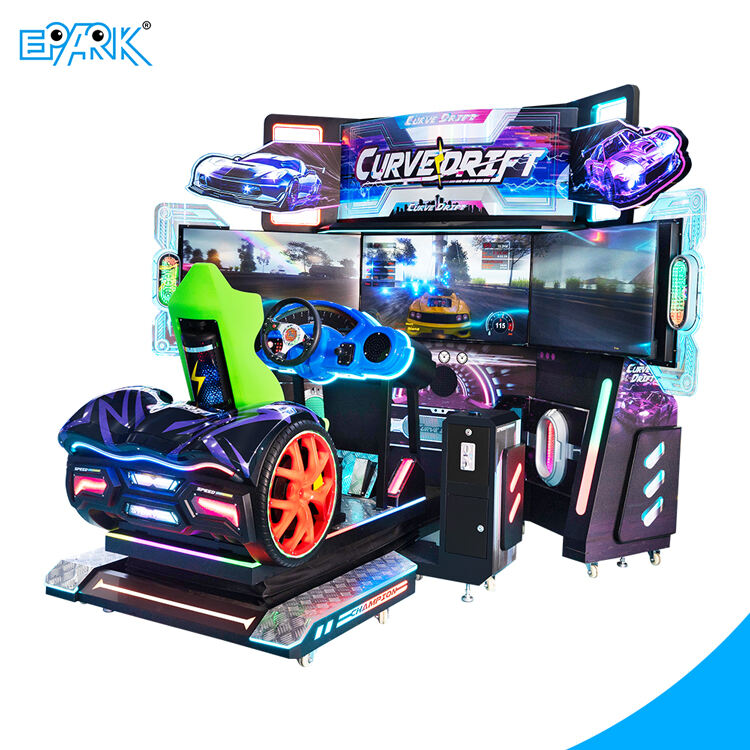
Arcade racing machines have come a long way since their days as basic analog contraptions. Back in the day, most arcade games had simple mechanical controls and didn't really pull players into the action much at all. Market data shows technology has changed everything though. We've seen 3D graphics pop up, gameplay get way more realistic, and control panels become super advanced over time. All this tech makes people want to keep playing longer than ever before. Take Cruis'n Blast and Daytona USA for instance. These classic cabinets were basically game changers when they hit arcades. The way those machines made drivers feel like they were actually tearing through streets or racetracks? That's what kept crowds coming back week after week and helped define what arcade entertainment could be.
LSI Integration: Racing Among Air Hockey and Claw Machines
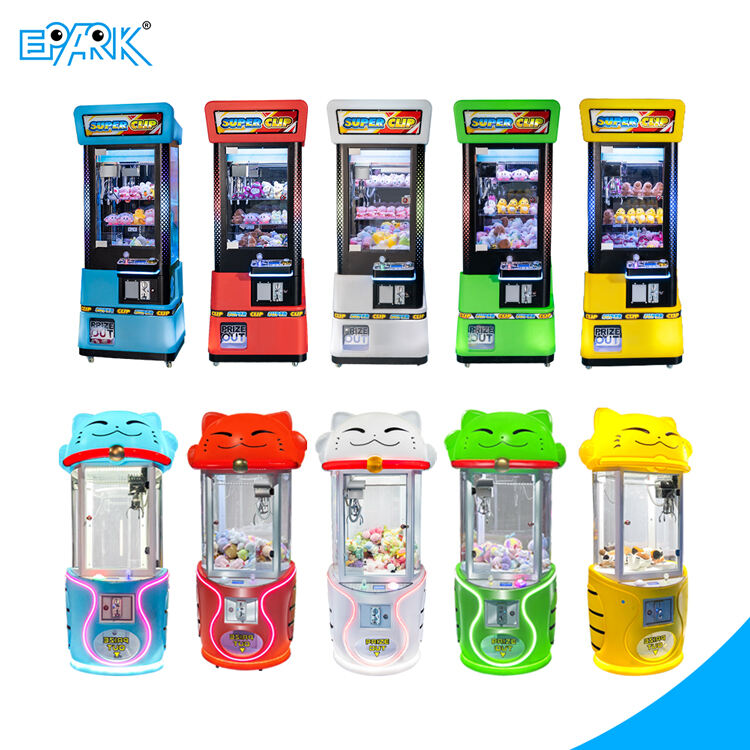
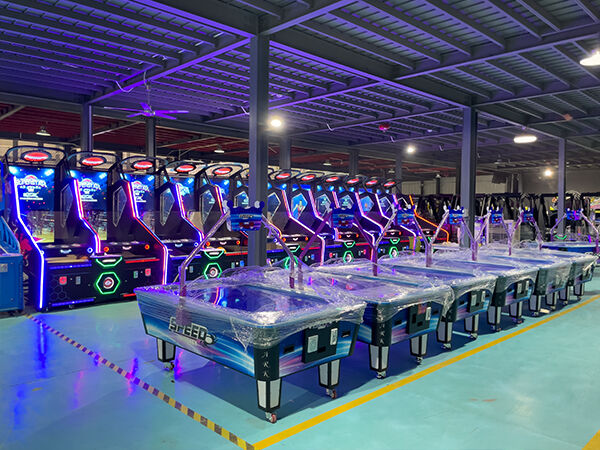
Arcade racing machines stand out in the crowded world of coin operated attractions, competing with classics like air hockey tables and claw grabbers for player dollars. Market studies show these speed-focused games pull in all sorts of folks, from teens looking for fast action to adults reminiscing about childhood memories. The battle isn't just about what games get installed though. Smart arcade owners know their websites need good search engine love too. Sprinkling terms like "arcade machine" and "used claw machine" throughout web content makes these businesses pop up higher when potential customers search online. Getting found matters because people won't spend money on something they can't even find first.
The Driving Force Behind Speed-Themed Entertainment
People love speed-based entertainment, especially those old school racing arcade machines that still draw crowds today. What really draws folks in isn't just how fast they can go, but the whole competitive aspect too. Research shows when people race against others, their brains light up differently, making them want to keep playing longer. That rush from beating someone else creates bonds between players who might otherwise never speak. Arcades create this special space where strangers become temporary teammates during intense races, sharing moments of triumph and frustration together. These shared experiences often leave lasting impressions, turning one-time visitors into regulars who come back week after week for another round.
Core Thrills: Key Features Redefining Modern Racing Arcades
Hyper-Realistic Simulation and Motion Technology
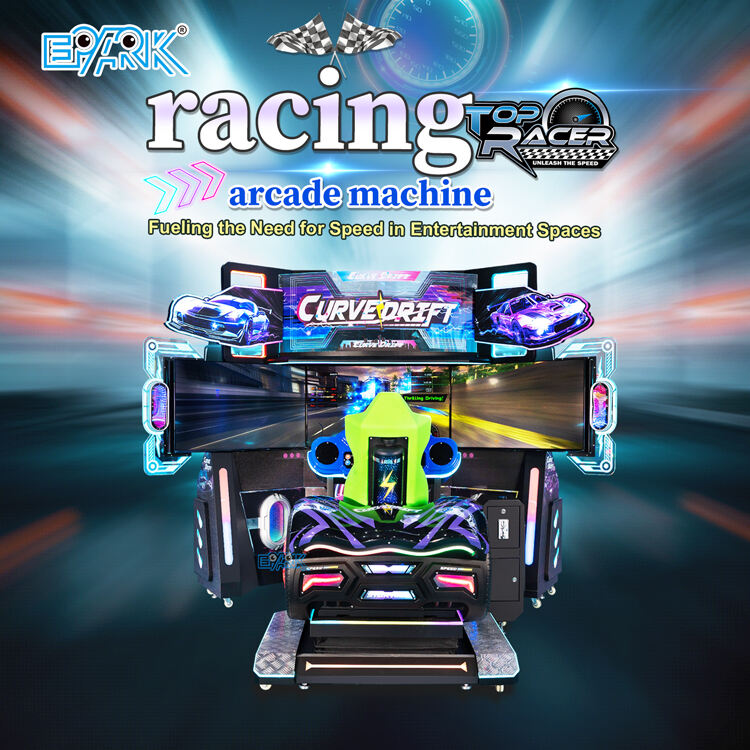
The biggest thrill in recent years for racing arcades has definitely been the arrival of super realistic simulators with motion tech that makes gamers feel like they're actually out there on the track instead of just sitting in front of a screen. Arcade owners report that these new systems really bring the action home, with players getting so wrapped up in the experience they forget they're not behind the wheel of a real race car. Tech publications keep talking about how motion sensors let people interact with games in ways that almost mimic actual driving sensations, from acceleration to cornering forces. Traditional arcade setups just can't compete anymore because modern machines respond so well to every little movement, which keeps players coming back for more fun time after time.
Multiplayer Dynamics and Competitive Leaderboards
These days, racing arcades really depend on multiplayer action to keep people coming back. When folks can race against others, whether they know them or not, it makes hanging out at the arcade way more fun. Look at any popular spot these days, and you'll see why leaderboards matter so much. People get super motivated when they can see where they stand compared to others around the world. And let's face it, most arcades now have some kind of social media link built in. Players love posting their high scores online, showing off to friends who might be miles away. This connects the local arcade scene with the bigger gaming world out there, making those few hours spent racing feel part of something bigger than just one room full of machines.
Sensory Integration: Audio-Visual Intensity
When it comes to modern racing arcades, combining sights and sounds really matters for creating an awesome experience that keeps people coming back. Top games in this space know how to mix stunning visuals with powerful audio systems so players feel like they're actually behind the wheel. Arcade designers who get this right see better results at their locations. The best ones understand that when customers are fully immersed in the action, they spend more time there and tell others about it too. Operators who invest in quality audiovisual setups often report higher customer satisfaction rates and longer stays during peak hours.
Strategic Placement: Maximizing Revenue in Entertainment Spaces
Venue-Specific Machine Selection Strategies
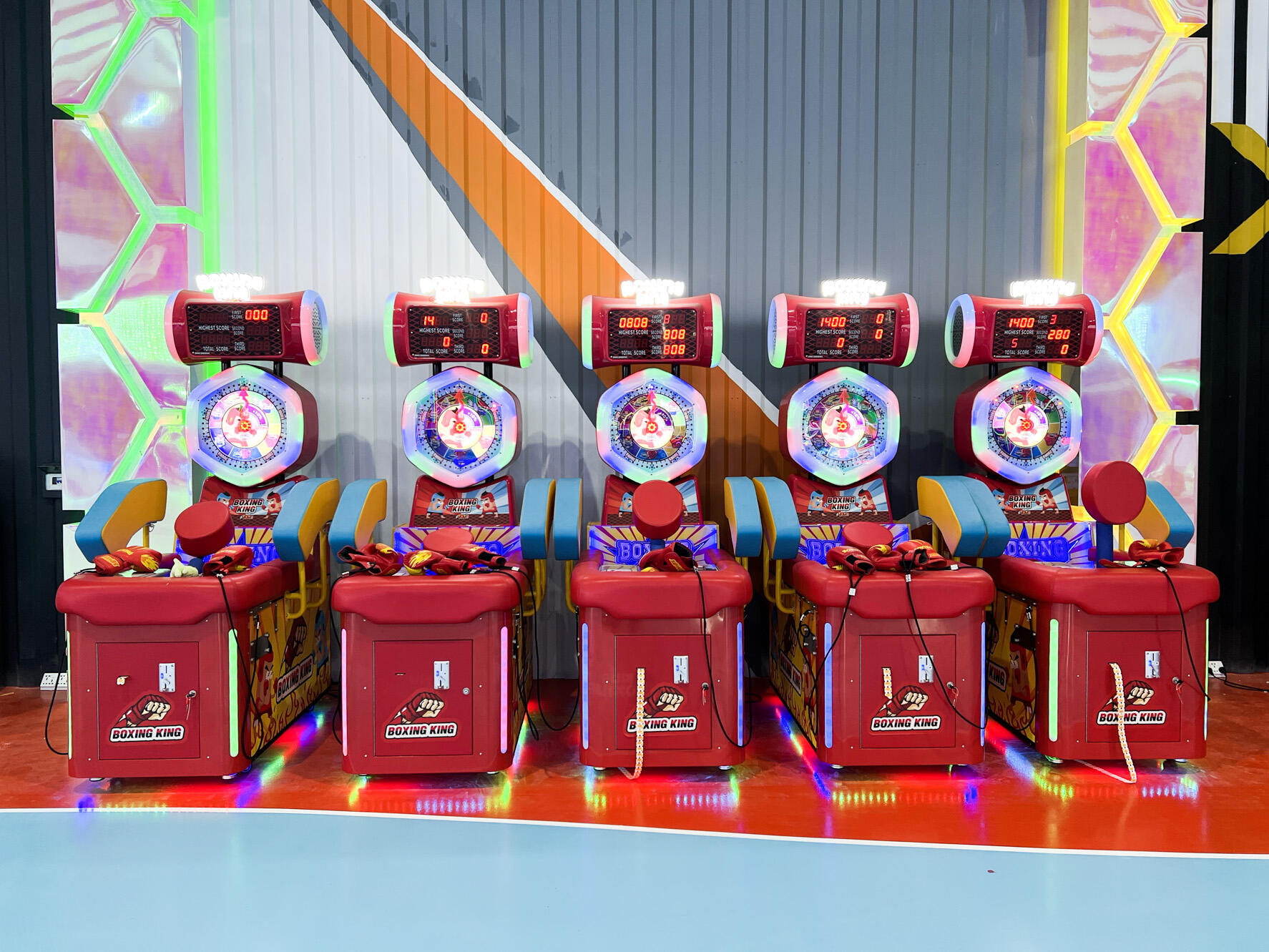
Picking out the right arcade games for a place really comes down to knowing who will be playing them and where they'll be set up. Family friendly spots tend to go for those old school classics most people remember from their childhood days. But when it comes to places aimed at younger folks, something more engaging works better. Think about those high energy racing games or even boxing machines that get people moving around. Marketing matters a lot too when matching games to locations. Look at how some arcades blast ads all over town whenever they bring in fresh games just to get butts in seats. And keeping an eye on what kinds of games are popping up everywhere else gives clues about what customers want next since their tastes usually follow bigger changes happening in the world of video games overall.
Maintenance Models and Operational Efficiency
Keeping arcade machines running at their best matters a lot for how well operations run day to day. There are several ways to handle maintenance work these days, from basic weekly inspections to fancy systems that watch machine status in real time. All this helps keep games working so people aren't left hanging around waiting for fixes, which obviously affects both money made and whether customers come back again. When arcades manage to cut down on unexpected shutdowns, they protect their income while building loyalty among players who want reliable entertainment. Industry data shows that sticking with regular maintenance routines cuts down on sudden failures by roughly 40 percent according to recent studies we've seen. Take a look at any successful gaming center and chances are good they spend time on preventive care instead of waiting until something breaks down completely. Regular cleaning, component replacements, and software updates might seem small things, but together they create a much better environment where patrons enjoy themselves without frustration over broken attractions.
Data Analytics for Player Retention
When arcades start using data analytics, they get a much better understanding of what players actually want and need, which helps keep customers coming back week after week. Venues that track player activity can design loyalty rewards and special offers tailored specifically to their regulars. Take for example when an arcade notices certain games are getting played more often during specific times of day. They might run limited time discounts on those machines or offer bonus points for completing challenges. Real world examples show arcades implementing these kinds of smart strategies see明显 improvements in customer engagement. Players feel recognized and valued, so they stick around longer. The bottom line is that good analytics help arcades stock the right games at the right times while building stronger relationships with their core audience base. This ultimately means happier customers and healthier profits for business owners.
Future Gears: Innovations Fueling Arcade Racing Evolution
VR Integration and Next-Gen Interactivity
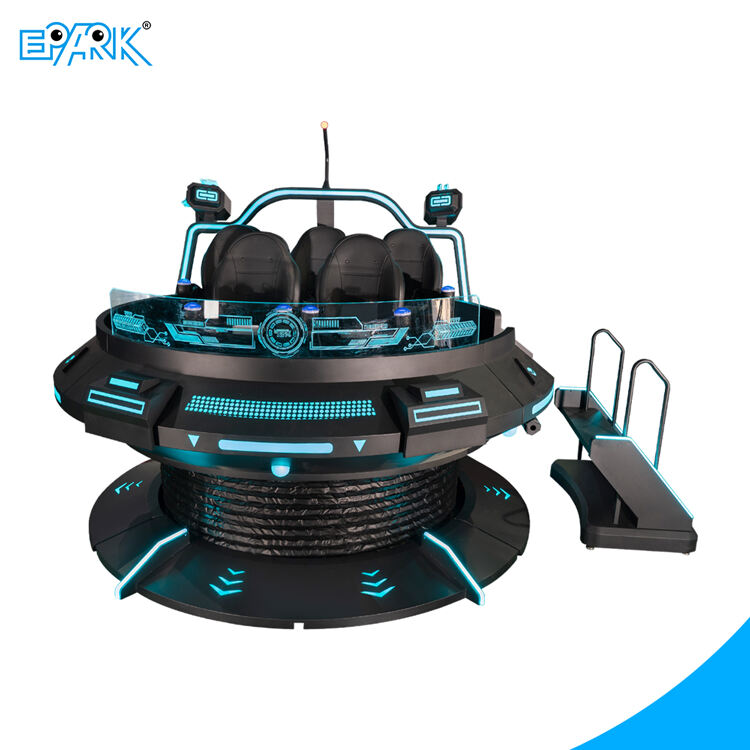
Virtual reality or VR as it's commonly called stands ready to completely change how people experience racing games at arcades through amazing immersion and interactive features. When integrated into arcade machines, VR gives gamers that genuine sensation of sitting in a real race car cockpit, which makes them stay engaged longer and enjoy themselves more. With VR headsets, players actually see the track from their own eyes while feeling vibrations and G-forces similar to what happens during actual races something old school arcade cabinets just cant replicate. Market research shows that VR usage across all gaming platforms keeps rising steadily, and arcades are definitely going to benefit from this trend. Looking ahead, we might see arcades combining real physical movements with virtual environments so players can lean, steer, and react just like they would in a real racing situation, making the whole experience even more realistic and captivating for everyone involved.
Adapting to Consumer Demand for Immersive Experiences
People are getting really into immersive gaming these days, which has forced arcades to rethink their whole approach. What we're seeing isn't just a passing fancy either—it's becoming pretty standard across all types of gamers, from hardcore competitors to weekend warriors. The research backs this up too, showing folks want entertainment that gets them involved in stories while they play around with different tech. Arcades are responding by throwing in all sorts of themed nights and interactive stuff that makes players feel like they're part of something bigger than just pressing buttons. Some places are even mixing in cool new tech like mixed reality systems, creating experiences where the digital world actually merges with real space. This helps keep arcades relevant when everyone's used to playing games on their phones or consoles at home.
Sustainability in Gaming Hardware Design
Arcade machine designers are putting sustainability front and center these days, focusing on green materials and tech that cuts down on power consumption. This move toward greener gaming tackles environmental issues while giving companies a leg up in the marketplace. When manufacturers start using stuff that can be recycled or comes from renewable sources, they cut down on waste from old arcade cabinets and appeal to players who care about their carbon footprint. Energy efficient components mean arcade owners save money month after month too. For businesses looking to stand out, going green isn't just good for Mother Earth it actually helps build a stronger brand identity and draws in customers who want to support companies making real environmental commitments.