 EN
EN
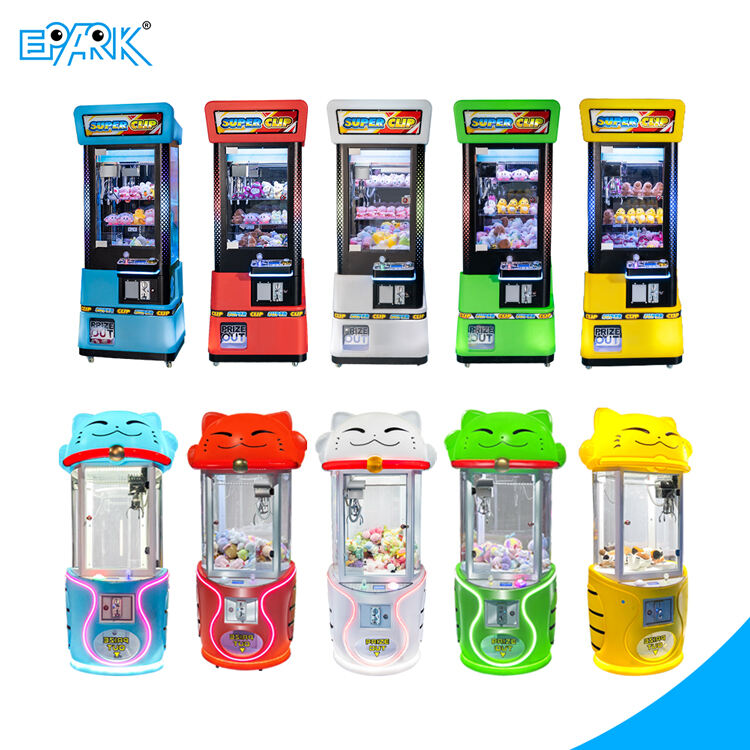





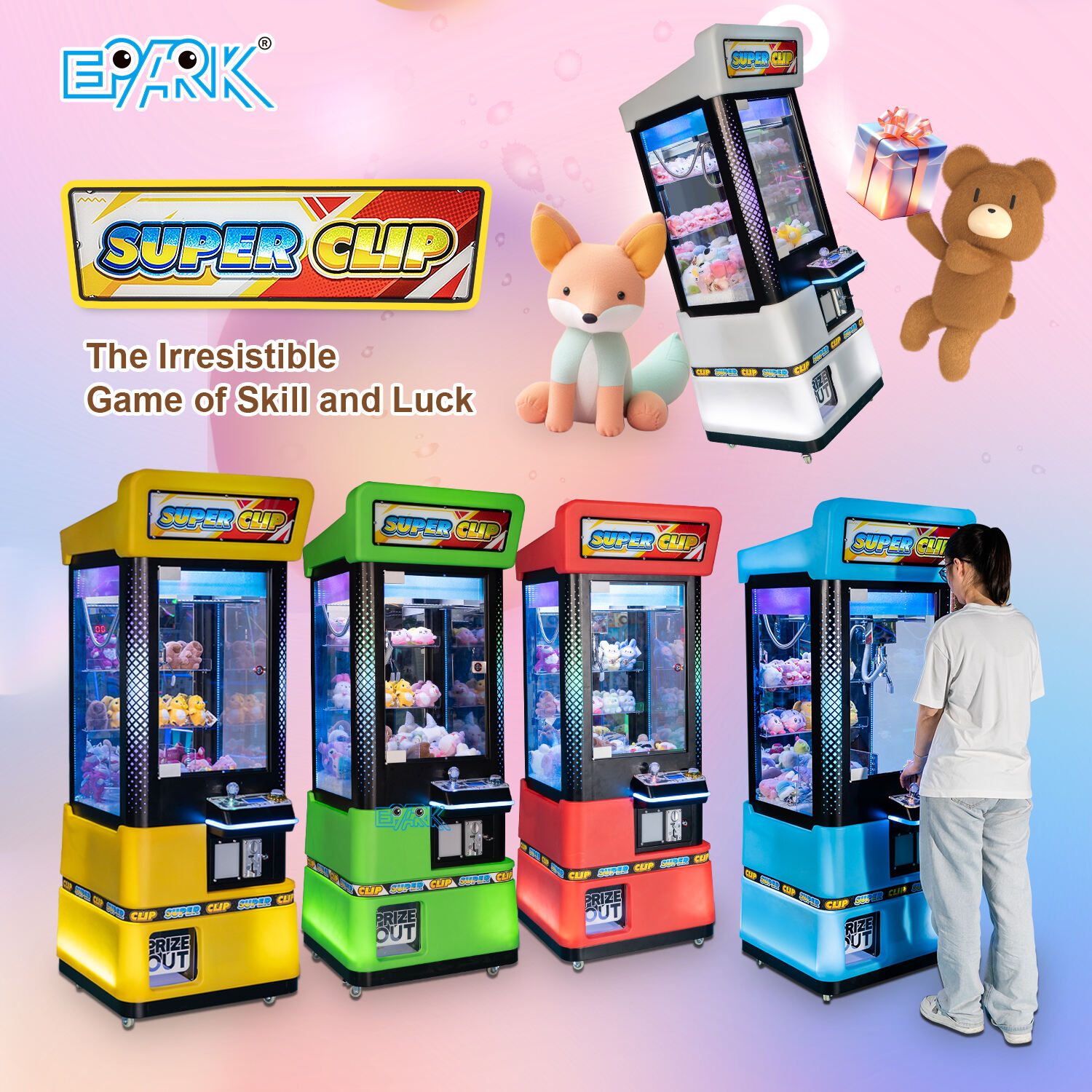
The Mechanics Behind Claw Machines
Voltage-Controlled Grab Strength Explained
What makes claw machines work at their heart is all about controlling grab strength through voltage adjustments, something that really impacts how people play these games. When there's more voltage running through the system, the claw gets much stronger and can actually hold onto prizes better. Basically, electricity gets turned into physical movement inside those machines, with solenoids doing most of the heavy lifting to give the claw its gripping power. Most arcade operators know this well enough to tweak voltage settings depending on what they want from their machines. Some industry insiders have looked into common voltage setups used across different models, showing how operators strike a balance between making games challenging enough to keep players coming back but not so tough that nobody wins anything. Getting this right matters a lot for both keeping customers happy and ensuring decent profits over time.
Strategic Prize Placement Techniques
People who run those claw machines know all about where to put the prizes to make the game more fun for customers while also boosting their bottom line. The way they arrange stuff inside really affects how folks play with the machine. Most of them will stick big, shiny prizes way in the back so people keep trying again and again, while putting little trinkets right up front where they're easy to grab. Arcade owners who do this kind of thing tend to see better results both in terms of how long people stay playing and how much money comes in. One look around any modern arcade confirms it works pretty well. These setups create an interesting effect too – players get hooked on the idea that they might actually win something good next time, even though they probably won't. That chase becomes almost as satisfying as getting the prize itself sometimes.
Grip Settings and Payout Probability
Adjusting the grip strength on claw machines really matters when it comes to setting up the right payout odds. This adjustment affects what happens to everyone involved - operators make money, and players either walk away happy or come back for more tries. When we talk about how tight the claw grabs things, basically if it's too strong people get prizes way too often. Most arcades keep their claws calibrated so they're strong enough to make folks think they might actually win something, but not so strong that owners start losing cash fast. People who run these places know this dance between excitement and profit inside out. After all, most players want to believe they could be lucky today even though the real math behind those odds isn't always pretty. That's why getting the grip right remains such a big deal for any arcade looking to stay busy and profitable over time.
Skill vs. Luck in Crane Game Mastery
The Illusion of Player Control
The claw machines at arcades give people the feeling they actually control whether they win or not, which keeps them coming back again and again. Players get to move around that metal claw using a joystick, making it seem like they can master getting those prizes out. But according to studies on how people play games, most folks don't realize this control is mostly fake. Gaming specialist Dr. Karen Munoz points out that these machines are designed so the claw just doesn't grab properly no matter how good someone thinks they are at aiming. It's basically a mental trap that makes us want to believe we can beat the system when really the odds are stacked against us from the start.
Operant Conditioning Principles
Claw machines rely heavily on operant conditioning to keep players coming back for more. They work by giving out rewards at irregular intervals, something right out of behavioral psychology textbooks. When these unexpected prizes pop up, they really grab attention and maintain interest. Think about it - just like slots or pinball machines, claw games give rewards without any real pattern. That randomness makes people excited and keeps them playing longer as they chase after their next big win. Psychologists have observed that this kind of reward system creates lasting gaming habits. Arcade owners know this well because it turns simple coin operated games into money makers while keeping patrons hooked on what might happen next.
Analyzing Machine Patterns for Advantage
A few folks try to get better at claw machines by studying how they work and figuring out what makes them tick so they can spot when there might be a good chance to win something. Looking at things like how tight the claw grabs, when it moves, and how fast it drops down gives some clues about what's going on inside those machines. People who have played for years will tell stories about these patterns, and even someone like Phil Edwards talks about how important it is to notice these repeating cycles. Those who watch closely and adjust their approach based on what they see tend to do better than others. Sure, there's always some luck involved, but knowing how the machine behaves definitely helps predict whether or not something will actually drop into the basket at the end.
Operator Strategies and Profit Balance
Programmable Win Probability Settings
Programmable win probability settings are something claw machine operators rely on heavily to meet their business objectives. When they tweak these numbers, it basically controls how frequently people actually win stuff from the machines. This lets them stay profitable but still keeps customers coming back for another try. The tricky part though is getting this just right because if the odds are way too tough, nobody wants to play anymore. But go too easy on wins and profits start shrinking fast. Arcade owners know this well since many run multiple locations where competition runs high. Those who watch their data closely tend to see better bottom lines when they adjust settings after talking to regulars and keeping an eye on monthly earnings reports. Finding that sweet spot between what makes money and what keeps folks happy remains a constant challenge for anyone running games like these.
Maintenance Impact on Payout Frequency
Keeping claw machines properly maintained makes all the difference when it comes to how they perform and how often they payout. Well cared for machines give players a better experience overall and keep them coming back for more. As time goes on, parts start to wear down. The claw loses its grip strength, the joystick gets sluggish, and other mechanical bits just don't work as smoothly anymore. This leads to frustrated customers who aren't getting the results they expect. Arcade operators have seen this pattern again and again through their daily operations. Machines that get regular checkups stay running longer without breakdowns, which builds trust among patrons and keeps the games flowing consistently throughout the day. Looking at actual maintenance records from various arcades shows something pretty clear: when machines receive proper care, they tend to payout reliably too. That's why most experienced arcade managers make sure their technicians stick to strict maintenance routines across all their claw machines.
Winning Strategies for Crane Games
Prize Weight Distribution Tactics
The way prizes are weighted inside a claw machine really affects how people play and what they win. Most arcade owners know this trick works wonders when they put those shiny, lightweight toys right at the top where players can grab them easily. But then there are those bigger, heavier items buried down deep in the pile that make folks try again and again. Finding the sweet spot between easy wins and challenging grabs keeps customers coming back for more. Some experienced operators suggest keeping around 60% of the lighter stuff near the surface while hiding about 40% of the heavier prizes further down. This setup creates excitement without emptying the machine too fast. Good prize placement isn't just about fairness it's actually a smart business move that keeps both players entertained and the cash register ringing.
Claw Angle Limitations and Drop Mechanics
How claw angles work mechanically plays a big role in whether prizes get grabbed successfully or fall back down. Most claw machines come set with specific angle ranges built right into them, and these settings really impact if the claw can pick things up properly. The actual angle when approaching a prize matters a lot for making that successful grab happen. Game operators tweak these angles all the time to balance things out so people still have fun but don't win every single time. Anyone wanting to understand how these machines function needs to look at both the claw design itself and what it can realistically hold without slipping. Sure there are diagrams showing all this stuff, but nothing beats watching the claw actually interact with different types of prizes in real life. Observing those interactions gives players important clues they can use when trying to figure out better ways to win.
Optimal Timing for Precision Grabs
Getting good at crane games really comes down to knowing when to grab, something most regulars spend ages working out. The way a claw machine operates has certain patterns, and figuring those out makes all the difference in getting that coveted prize. People who've watched these machines for hours know that when other players try and fail, they actually create better opportunities for grabs later on. A guy who's been playing for years told me recently, "I basically track where everything moves after each attempt. There are moments when it just feels right to press the button." These kinds of insights show why some folks win so much more than others. If someone wants to get serious about winning at claw machines, they need to pay attention to how things move around inside that glass box. This kind of observation separates the weekend warriors from the pros who walk away with bags full of toys every time they visit the arcade.