
 EN
EN


AI-Powered Amusement Game Machines: Smarter Engagement, Higher Retention
Real-Time Analytics and Adaptive Difficulty for Optimal Player Flow
Amusement game machines are getting smarter thanks to AI technology that watches how players interact with them in real time. These systems track things like when someone wins or loses, how long they stay at the machine, and when their interest spikes. The games then tweak themselves on the fly using smart algorithms to keep players in that sweet spot between too easy and too hard. Most people know this feeling when a game just clicks right. Arcade operators have noticed fewer players giving up after just a few tries, and folks tend to stick around about a quarter longer than before. This means more money coming in for each machine, all without spending extra bucks on new hardware or fancy upgrades.
Personalized Gameplay: AI-Driven Prize Matching and Dynamic Mode Switching
Modern systems go beyond difficulty tuning to deliver personalized experiences through two core innovations:
- Intelligent prize matching: Algorithms analyze past selections and session history to surface high-value prizes aligned with individual preferences—increasing perceived relevance and emotional payoff.
- Dynamic mode switching: Machines fluidly alternate between skill-based and chance-driven mechanics—such as shifting from precision claw control to timed bonus rounds—maintaining novelty and reducing predictability.
Industry data (Entertainment Metrics Report 2025) shows that machines using both features achieve 20% higher player retention than static counterparts, fostering repeat visits and organic social sharing through memorable, tailored outcomes.
Immersive Experiences: VR/AR and Haptic Integration in Modern Amusement Game Machines
Standalone VR Redemption Arcades and Location-Based AR Attractions
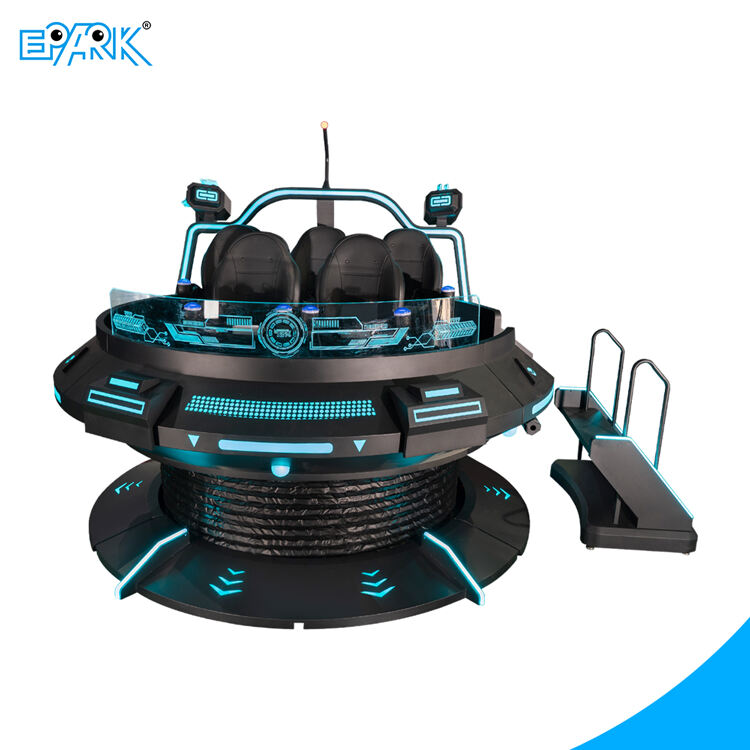
VR redemption arcades that stand alone are all about instant fun without needing any extra gear or complicated setups. Players get actual prizes after completing virtual tasks ranging from flying through obstacles to solving puzzles during treasure hunts. On the other side of things, AR attractions based at specific locations add digital stuff on top of regular places like shopping centers or food courts. Lobbies suddenly become fighting grounds, and parking areas transform into spots where people hunt for hidden items. According to recent data from the Entertainment Metrics Report 2025, these mixed reality experiences boost visitor numbers by around 30% for business owners running these venues. Plus they create memorable experiences that folks want to share with others because they happen right there in the real world.
Tactile Feedback Systems Enhancing Skill-Based Amusement Game Machine Appeal
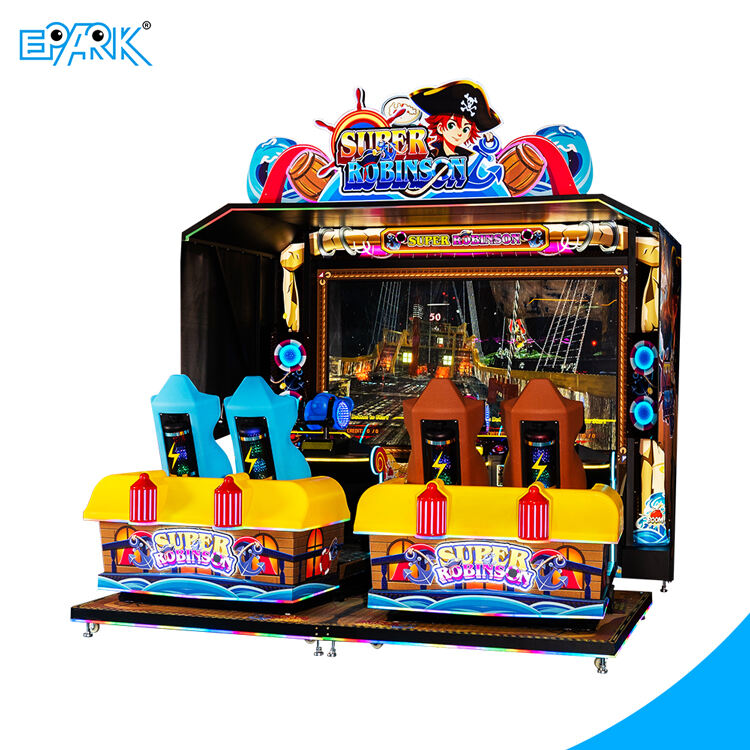
Haptic tech has come a long way these days. We're talking about those fancy controllers that vibrate just right, joysticks that push back against our hands, even whole body suits that let players feel every bump and jolt. These systems can mimic things like gun kickback, physical impacts, different textures all while playing. For games where timing matters, the feedback gives us instant clues we can actually feel. Like when a claw machine almost grabs something but misses, there's that little shiver through the controller. Or during intense car races, the wheel resists harder when taking tight corners. According to Global Arcade Analytics from 2026, people tend to stay engaged for about 45 percent longer when these touch sensations are part of the experience. Why? Because haptics really pull us into the game world, help build those muscle memories over time, and just plain make victory taste sweeter when we've felt every step along the way.
Connected & Cashless Amusement Game Machines: Operational Efficiency Meets Player Convenience
IoT-Enabled Remote Management and Real-Time Prize Inventory Optimization
When IoT gets integrated into amusement equipment, operators gain this awesome central control panel that shows everything happening in real time. Sensors track all sorts of things during gameplay - how machines are running, if coins are getting low, what's left in the prize bins, etc. This cuts down on those tedious manual checks by about half and brings maintenance costs way down according to the Amusement Industry Report for 2026. Smart inventory systems powered by AI send warnings when prizes start running low, so staff can restock before customers even notice anything missing. This helps avoid losing money because no one wants to play on machines with nothing to win. Then there's the cashless stuff which makes operations run smoother than ever. Contactless payments and digital top-ups mean nobody has to mess around with coins anymore. Operators save roughly $740,000 each year just from not dealing with cash according to that Ponemon Institute study called The Cost of Cash in Leisure Venues back in 2023. Players love it too since they can jump right into games without waiting for change, and sessions tend to last about 30% longer. Plus, who doesn't appreciate not touching dirty money after everything we've been through lately?
Highest-ROI Amusement Game Machine Types in 2026
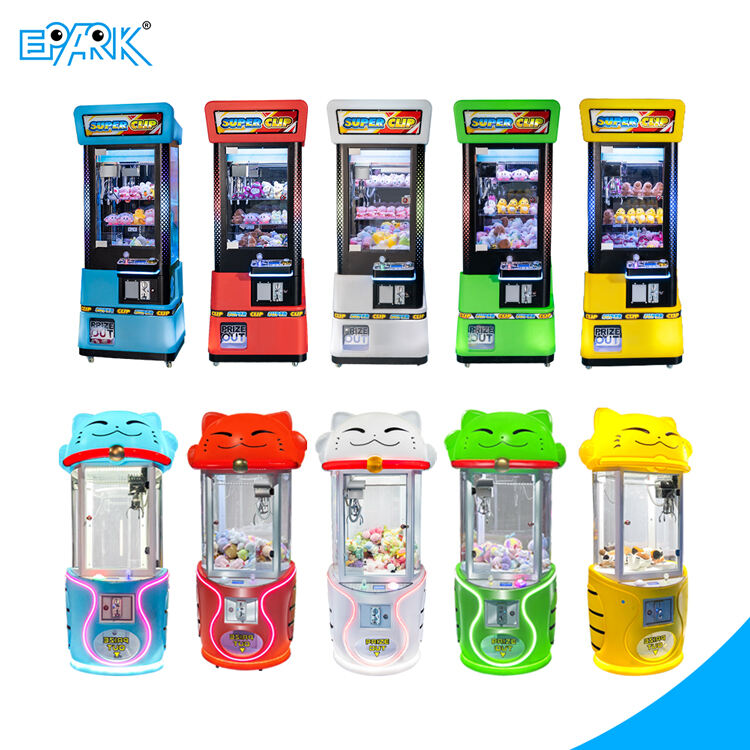
Next-Gen Claw Machines: AI Vision, Social Sharing, and Tiered Prize Economics
Claw machines remain top performers, generating $300–$1,500 monthly per unit (Amusement Industry Report 2025), thanks to three strategic upgrades:
- AI vision systems assess prize size, weight, and positioning in real time—then dynamically calibrate grip strength and timing based on player skill and target value—to maintain optimal win rates without compromising margins.
- Integrated social sharing enables one-tap posting of wins to Instagram or TikTok, turning victories into viral touchpoints that attract new players organically.
- Tiered prize economics place premium items centrally, requiring multiple plays to access—while maintaining healthy 60–75% profit margins through precise payout calibration and prize rotation logic.
Hybrid Ticket-Redemption Machines Combining Skill, Luck, and Replay Incentives
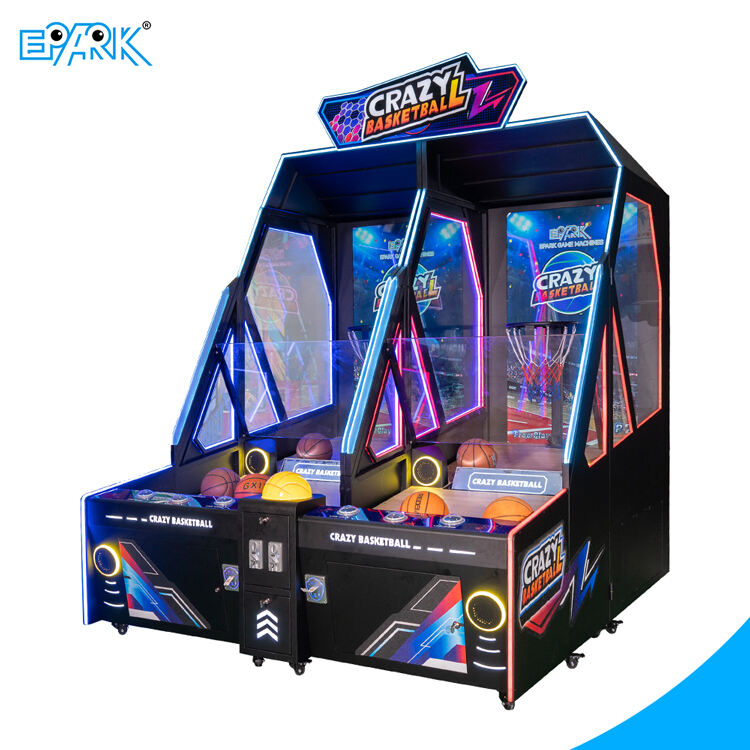
These machines merge physical interactivity with layered reward psychology, delivering 15–30% higher revenue than traditional standalone units (operational studies, 2026). Their design balances control and surprise across three interlocking elements:
- Skill-based challenges, such as moving targets or rhythm-based timing, give players agency over base ticket accrual.
- Randomized multipliers, triggered unpredictably during gameplay, inject excitement and replay motivation without undermining fairness.
- Progressive jackpots, funded by a transparent 5–10% contribution from each play, create long-term engagement hooks—encouraging return visits while simplifying prize logistics through centralized, scalable redemption pools.
Frequently Asked Questions
What is AI's role in amusement game machines?
AI in amusement game machines adjusts game difficulty and personalizes player experiences in real-time, optimizing player engagement and retention.
How do IoT-enabled systems benefit arcade operators?
IoT systems allow operators to manage machines remotely, optimize inventory, and reduce costs through real-time data insights.
What are some of the highest-ROI amusement game machines?
Next-gen claw machines and hybrid ticket-redemption machines offer high returns due to their innovative use of AI, social sharing, and reward mechanisms.
Table of Contents
- AI-Powered Amusement Game Machines: Smarter Engagement, Higher Retention
- Immersive Experiences: VR/AR and Haptic Integration in Modern Amusement Game Machines
- Connected & Cashless Amusement Game Machines: Operational Efficiency Meets Player Convenience
- Highest-ROI Amusement Game Machine Types in 2026
- Frequently Asked Questions