 EN
EN


Understanding ASTM F2291 and Its Application to Kiddie Rides
How ASTM F2291 Classifies Amusement Rides – Why Most Kiddie Rides Fall Outside 'Major Ride' Scope
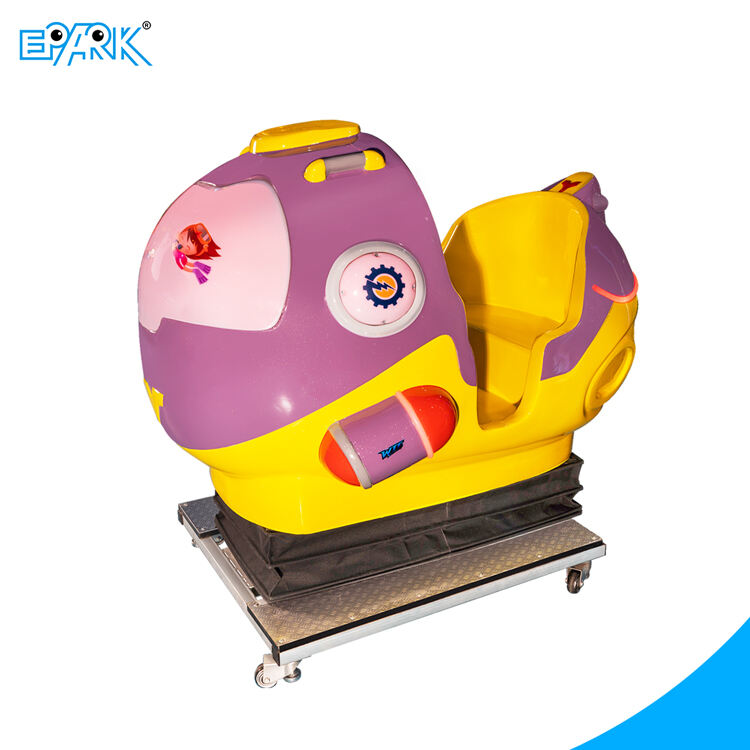
The ASTM F2291 standard sets safety rules for amusement rides and related equipment, focusing especially on those big ticket attractions like roller coasters and giant Ferris wheels where things can get really intense. It requires strict design guidelines for things like seat belts and harnesses, maximum speeds before riders start feeling sick, how strong the structures need to be, and all sorts of stress tests. But here's the catch - this standard doesn't cover smaller rides that don't generate much energy. Most of those little carnival rides we see in arcades actually fall outside these regulations. Think about those plastic animals that rock back and forth, slow spinning platforms, or those tiny train tracks where kids sit on moving animals. These rides are pretty basic mechanically, rarely go faster than walking speed, and don't subject passengers to much force at all. Because of this, operators don't need to jump through the same certification hoops as bigger rides. Instead they rely more on good old fashioned common sense, regular maintenance checks, and having staff around who know what they're doing when kids are playing.
Key Exclusions: Coin-Operated, Low-Energy, and Patron-Directed Kiddie Rides
Three primary exemptions under ASTM F2291 directly impact arcade environments:
- Coin-operated rides: Machines activated by tokens or cards are exempt due to their intermittent, user-initiated operation.
- Low-energy devices: Units with speeds below 5 mph or centrifugal forces under 0.5g are excluded from major-ride requirements.
- Patron-directed rides: Child-controlled units–such as pedal cars or steering-wheel-activated models–are exempt because motion patterns are dictated by the rider, not pre-engineered control systems.
Together, these categories cover over 85% of commercial kiddie rides. While they fall outside ASTM F2291’s formal scope, they remain subject to foundational safety expectations–including stable construction, non-toxic materials, and appropriate restraints–making operator diligence essential.
Essential Safety Features Every Arcade Kiddie Ride Must Have
Physical Safeguards: Restraints, Height Limits, and Stable Boarding Design
For kiddie rides, it's really important to have multiple layers of physical protection against injuries that commonly happen. The restraints on these rides like lap bars, seat belts, or those full harness systems need to hold kids in place securely without adults having to help them get in or out. Most rides set height limits between about 36 and 52 inches because kids at that range generally have better balance and can sit properly without sliding around. When it comes to getting on and off, boarding areas should have good grip surfaces, steps that aren't too high, and smooth transitions from ground to seat to prevent people from tripping as they climb aboard or leave. Other key design elements worth mentioning are rounded corners everywhere, no sharp edges, coatings that are safe if touched or even licked, and strong bases that won't tip over even when the ride suddenly stops or has uneven weight distribution. For rides that move around like those animal tracks, the anchoring system needs to handle loads 150% higher than what's normally expected according to standards set by ASTM F2291. Putting all these together helps prevent roughly 72% of accidents seen in arcades where kids fall off, bump into things, or get ejected unexpectedly, according to research from the Global Playground Safety Initiative back in 2023.
Operational Protocols: Supervision, Time Limits, and Emergency Stop Accessibility
Just having a great physical design doesn't cut it if operations aren't properly managed day to day. Staff needs to actually watch what's happening at all times with the kiddie rides. They need to make sure kids meet the height requirements before they get on, help them board safely, and step in whenever someone acts out or creates a hazard. Most problems happen when there's no one watching, which explains why unsupervised operation causes around two thirds of all incidents we hear about. Limiting ride time to three minutes helps keep things safe since kids tend to get wiggly after that, plus it means equipment gets used more evenly throughout the day rather than getting worn down by long sessions. Those emergency stop buttons? They need to be right where staff can grab them instantly, not hidden away somewhere nobody thinks to look. And don't forget daily checks on seat belts, motors running smoothly, welds holding strong, and how secure everything is anchored to the ground. Places that follow these kinds of rules consistently report nearly 60% fewer accidents than spots that just wing it most of the time according to industry data from last year.
Who’s Responsible? Manufacturer, Arcade Operator, and Local Compliance Duties
The safety chain for kid's rides typically involves three main players: manufacturers, operators, and local authorities. Manufacturers start off by creating rides that follow industry standards like ASTM F2291 when needed. They also need to provide clear instructions for installation, regular maintenance tips, and details about how restraints should work properly. Most coin operated kiddie rides actually get a pass under ASTM F2291 regulations, which means arcade owners end up carrying most of the safety load. Arcade operators have several important duties including doing daily safety checks, making sure kids meet height and weight requirements, checking restraints function correctly before each ride, and training staff on emergency stops and basic first aid techniques. Local governments handle building codes too, especially rules about anchoring requirements for things like carousels or track based attractions. They also run regular inspections according to state laws about amusement rides. Digital record keeping has become really important lately for staying compliant. Arcades that use cloud based systems saw a massive drop in regulatory problems - around 63% fewer issues than those stuck with paper records according to IAAPA's 2023 safety report. Looking at liability data paints an interesting picture: about half of all incidents stem from operator mistakes, while only 28% come from manufacturing flaws. This suggests that thorough documentation and consistent operations remain our best defense against safety problems.
Evaluating Real-World Kiddie Ride Models for Arcade Safety Readiness
Track-Based Animal Rides: ASTM Alignment and Common Installation Pitfalls
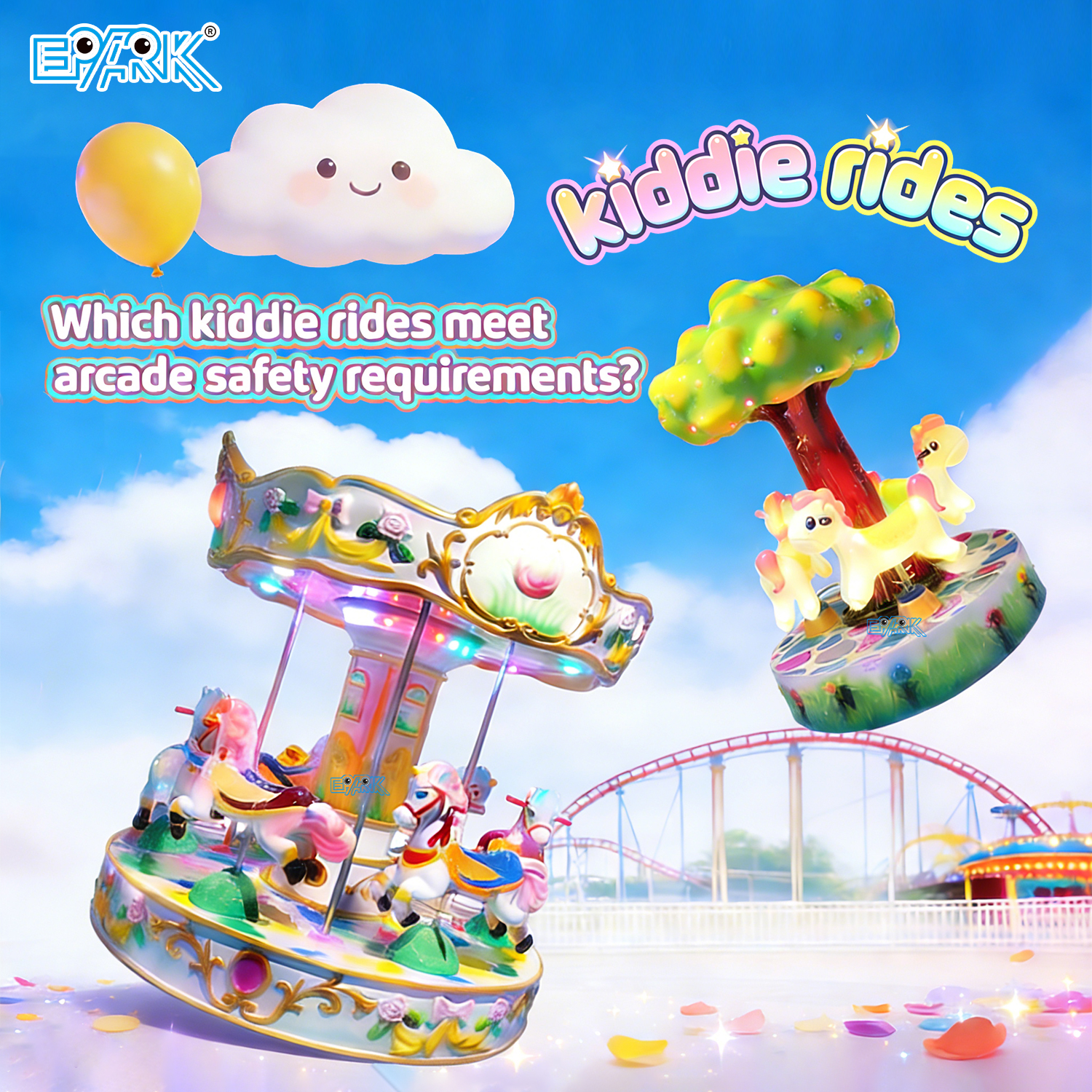
Most track-based animal rides get exempt under ASTM F2291 standards because they follow fixed paths at relatively slow speeds. But when accidents happen in practice, it's usually not the design that fails but how these attractions are installed. Common mistakes range from floors that aren't properly leveled, causing jerky movements that can lead to whiplash injuries, to clearance zones that fall short of the required 36 inches around the ride, putting bystanders at risk of collisions. The base also needs proper anchoring since shifting during operation is dangerous. Weight distribution matters too, particularly when riders aren't balanced across the unit. Sudden stops cause about a quarter of all amusement park injuries according to IAAPA data from last year. Maintenance staff should always check those anti-tip brackets work correctly whether the floor is flat or has minor slopes. And don't forget to double check those anchor bolts after the first two days running because the ground settles initially and things might shift otherwise.
Rotating Carousel-Style Kiddie Rides: Stability, Load Testing, and Floor Anchoring Requirements
Kiddie carousel rides need thorough stability testing before they ever spin their first ride. Testing these rides at 150% of their normal weight capacity helps ensure they won't fall apart when kids pile on unevenly during rotations. The way we secure these rides depends entirely on what kind of floor they sit on. For concrete surfaces, we need expansion anchors rated for at least 1,500 pounds of shear force. Wood floors call for something different altogether - lag screws with proper washers and deeper installation points work best there. Putting down non-slip rubber mats underneath the ride base stops it from sliding around when starting up or slowing down suddenly. The math behind centrifugal forces matters too when designing restraints. Lap bars and seat belts have to hold firm even when the ride reaches maximum speed, which usually tops out around 0.4g for most compliant models. Regular maintenance is crucial since vibrations slowly loosen bolts over time. Operators should check all anchor points monthly as standard practice, and definitely after any sudden stops or strange noises come from the equipment.
Frequently Asked Questions (FAQ)
What is ASTM F2291?
ASTM F2291 is a set of safety guidelines specifically designed for the construction and operation of amusement rides, particularly focusing on large rides such as roller coasters and Ferris wheels.
Why are most kiddie rides excluded from ASTM F2291?
Most kiddie rides are excluded from ASTM F2291 because they are considered low-energy devices that do not generate significant force or speed. They often have simple mechanics and rely on basic safety practices rather than strict regulations.
What safety features are mandatory for kiddie rides?
Essential safety features for kiddie rides include secure restraints, proper height limits, stable boarding designs, and smooth transitions on and off the ride.
Who is responsible for maintaining the safety of kiddie rides?
The safety of kiddie rides involves multiple stakeholders including manufacturers, arcade operators, and local authorities. Each has distinct responsibilities from design and installation to regular maintenance and compliance with safety standards.
What should operators do to ensure daily ride safety?
Operators should perform daily safety checks on restraints, conduct height requirement verifications, supervise rides actively, limit ride durations, and ensure emergency stop buttons are accessible at all times.
Table of Contents
- Understanding ASTM F2291 and Its Application to Kiddie Rides
- Essential Safety Features Every Arcade Kiddie Ride Must Have
- Who’s Responsible? Manufacturer, Arcade Operator, and Local Compliance Duties
- Evaluating Real-World Kiddie Ride Models for Arcade Safety Readiness
- Frequently Asked Questions (FAQ)