
 EN
EN


Best-Selling Arcade Machines in 2026 by Venue Type
Home & Bar Venues: Elite RAC Bartop and Pandora Box Series Dominate
Home and bar operators increasingly favor compact bartop arcade machines—especially the Elite RAC and Pandora Box series—for their small footprint, robust multiplayer support, and expansive game libraries. These units deliver hundreds of classic titles with high emulation accuracy, appealing to nostalgic adults and casual players alike. In bars and home game rooms, social play is paramount: both models support 2–4 players simultaneously and integrate seamlessly via HDMI, enabling plug-and-play setup on countertops or side tables. Bars benefit from low upfront cost and minimal maintenance; homeowners appreciate the ability to evoke retro arcade energy without sacrificing space. The rise of “barcades” has accelerated demand for versatile, counter-friendly units—and industry data shows the home arcade segment grew over 18% year-over-year in 2025, fueled by sustained remote work and at-home entertainment trends. With upgraded controls—including anti-ghost buttons—the Elite RAC and Pandora Box remain the definitive choice for personal and bar use in 2026.
Commercial Spaces: 60-in-1 Slim Cocktail Table and IP-Licensed Redemption Units Lead Installations
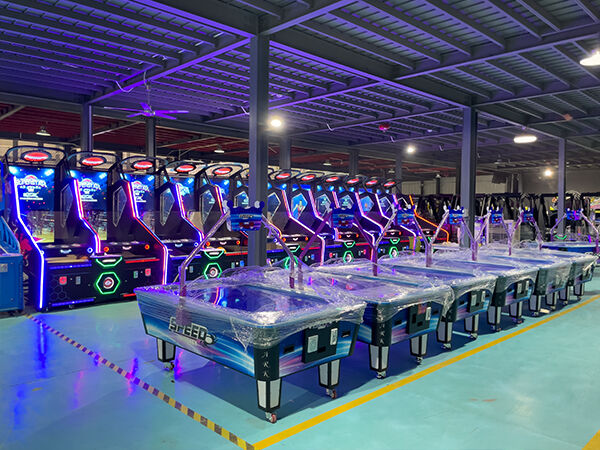
For commercial venues, the 60-in-1 Slim Cocktail Table continues to lead installations due to its space efficiency and proven social appeal. Its low-profile design fits tightly in arcades, family entertainment centers (FECs), and family restaurants—encouraging group play and extended dwell time. Complementing these are IP-licensed redemption units featuring franchises like Pokémon and Mario Kart, which consistently generate the highest per-location earnings. In 2025, redemption games accounted for 29.2% of global arcade machine revenue, with licensed titles delivering 3.2x the average ROI—driven by repeat visits from brand-loyal players. Modern versions integrate ticket-less mobile redemption, reducing operational overhead while increasing engagement. Operators commonly position cocktail tables near high-traffic zones and pair them with redemption units adjacent to prize counters—creating a balanced floor plan that maximizes both play duration and spending. As North America maintains its dominant 39.3% share of the global FEC market, this dual-machine strategy remains foundational to profitable 2026 deployments.
Key Market Trends Driving Arcade Machine Demand
Retro Revival Meets Modern Tech: Emulation Accuracy, Compact Design, and Social Play Features
The retro gaming resurgence has redefined expectations for arcade hardware—not as a trade-off between nostalgia and innovation, but as a fusion of both. Today’s top-selling machines deliver pixel-perfect emulation of 1980s and 1990s classics while incorporating modern conveniences: compact cabinet designs, native multiplayer connectivity, and cloud-synced leaderboards. This convergence attracts older players seeking authentic experiences and younger audiences accustomed to connected, shareable play. As venues invest in hardware that bridges generational preferences, the global arcade game machines market—valued at $10.99 billion in 2025—is projected to reach $31.03 billion by 2033.
Hybrid Venues Rise: How Arcade Bars and Family Entertainment Centers Reshape Placement Strategy
The standalone arcade is giving way to hybrid spaces: barcades, cinema-entertainment complexes, and integrated FECs. These venues require machines that are versatile, space-conscious, and revenue-dense—prompting a strategic shift from dedicated arcade floors to embedded entertainment zones within restaurants, retail corridors, and multiplex lobbies. Compact, high-ROI formats—like cocktail tables and multi-game bartops—are now prioritized for placement on bar tops, near restrooms, or alongside concession stands. In North America, where FEC chains and barcades drive market expansion, this integration fuels consistent demand for socially engaging, redemption-capable units.
Most Profitable Arcade Machines for Operators in 2026
AI-Enhanced Claw Machines with Dynamic Difficulty and Mobile Redemption
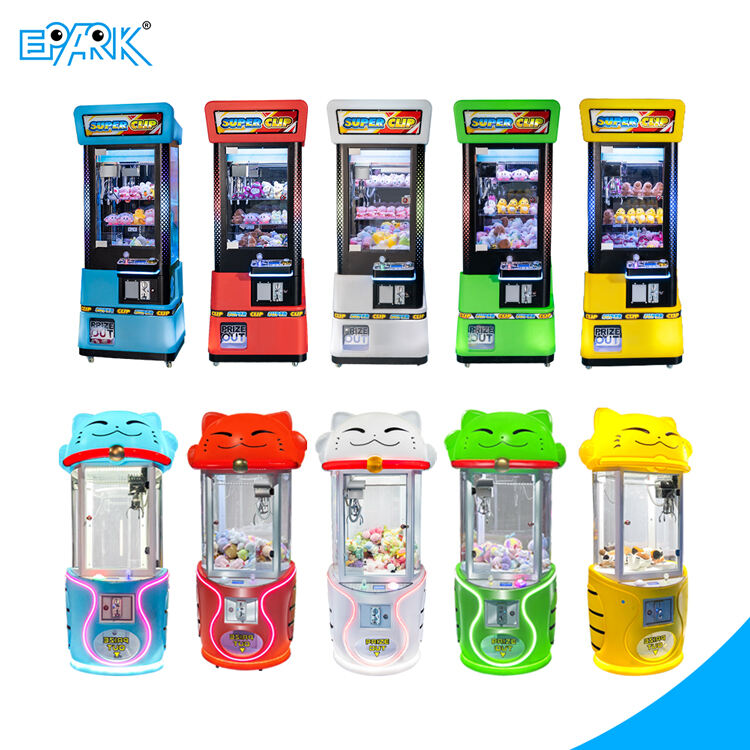
Claw machines remain among the most profitable arcade offerings in 2026—but modern iterations leverage AI to optimize both player engagement and operator returns. Dynamic difficulty algorithms adjust claw grip strength and prize positioning in real time based on skill level or prior spending, preserving fairness while sustaining profitability. In high-traffic venues, a single AI-enhanced unit generates $800–$2,500 monthly. Mobile redemption—where winners scan a QR code to claim digital rewards or venue vouchers—reduces physical prize restocking, lowers labor costs, and encourages repeat plays. These machines attract broad demographics, require minimal upkeep, and provide operators with actionable analytics: remote adjustments to difficulty settings let teams fine-tune performance across locations. For 2026, AI-powered claw machines represent the gold standard in skill-based, high-margin arcade hardware.
Licensed Ticket Redemption Games (Pokémon, Mario Kart, etc.) Delivering 3.2x Avg. ROI
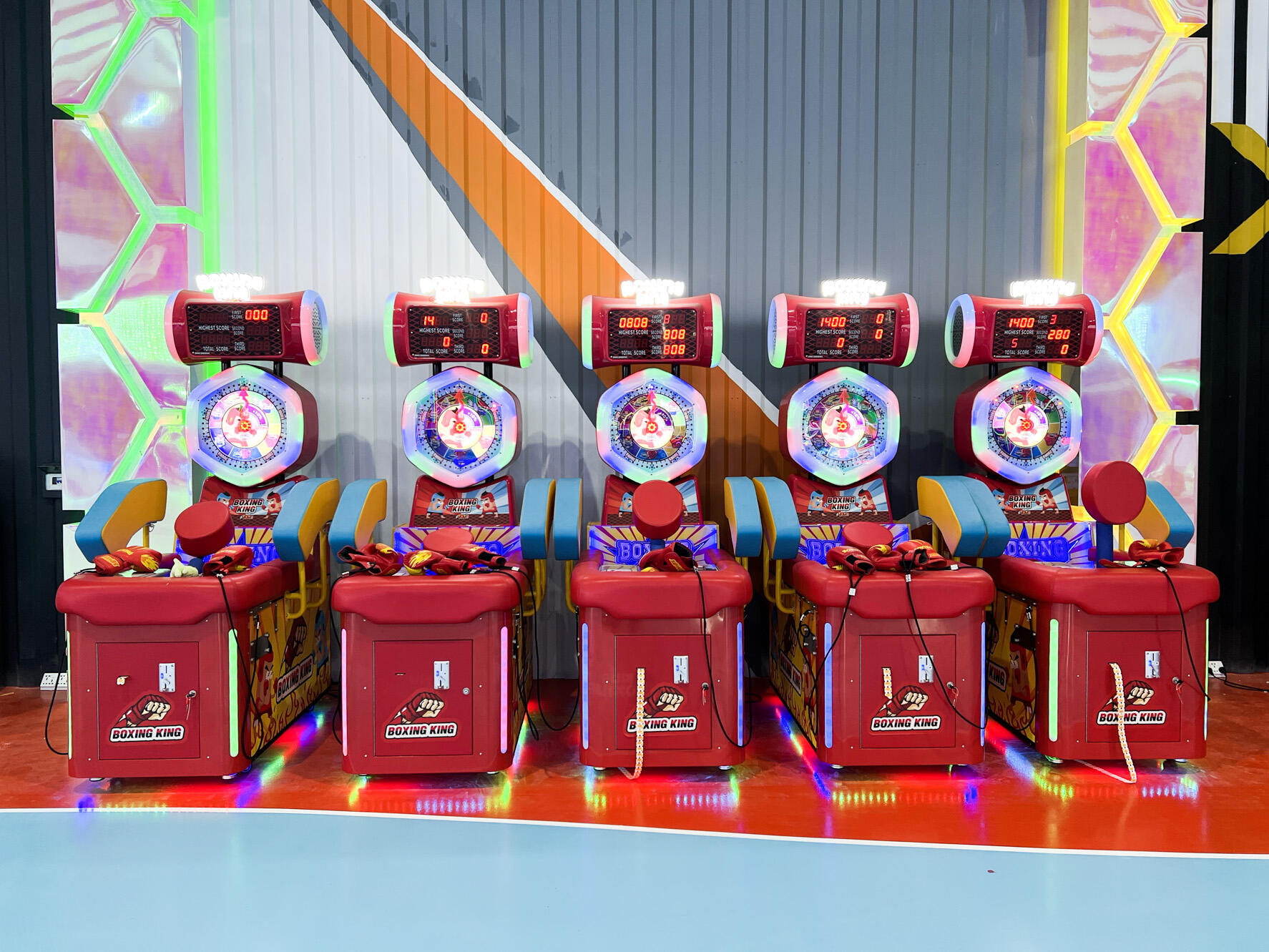
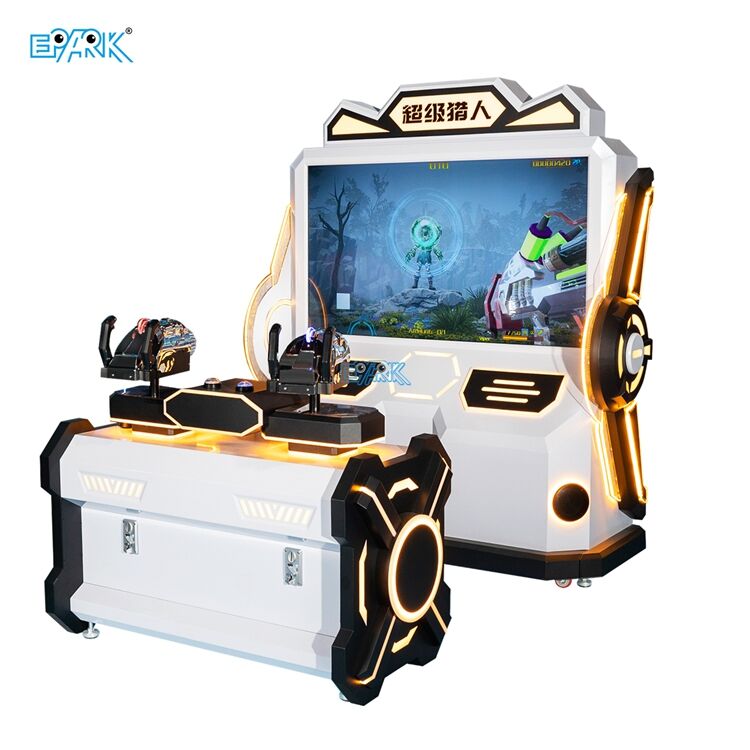
Licensed IP redemption games—particularly those built around globally recognized franchises like Pokémon and Mario Kart—continue to outperform generic alternatives, delivering an average ROI of 3.2x. Their success lies in layered engagement: themed gameplay, collectible prizes, and tiered scoring systems encourage multiple plays per visit, while strong brand recognition draws both children and nostalgic adults. Ticket redemption mechanics integrate smoothly with prize counters, converting play into incremental spend across the venue. Though licensing fees raise initial investment, the sustained foot traffic, longer queue times, and higher per-play yield make these units exceptionally reliable revenue drivers. For operators building or refreshing 2026 floors, pairing beloved IPs with proven redemption loops remains the most effective path to consistent, scalable returns.
FAQ
What are the most popular arcade machines for home and bar venues in 2026?
The Elite RAC Bartop and Pandora Box series are the top choices for home and bar venues. These machines offer compact designs, multiplayer support, and extensive game libraries while being easy to set up and maintain.
Why are redemption games performing so well in commercial spaces?
Redemption games, especially IP-licensed ones like Pokémon and Mario Kart, generate high ROI by attracting loyal players. Features like mobile redemption and collectible prizes contribute to their sustained popularity.
How is AI enhancing modern claw machines?
AI-enhanced claw machines use dynamic difficulty adjustments to ensure fair play while maximizing revenue. Additionally, mobile redemption features lower maintenance costs and encourage repeat engagement.
What market trends are driving the demand for arcade machines?
The demand is driven by a combination of retro gaming nostalgia, modern tech integration, the rise of hybrid venues like barcades, and versatile, space-saving machine designs that appeal to both older and younger audiences.
What are the revenue expectations for the arcade industry in the future?
The global arcade game machines market, valued at $10.99 billion in 2025, is projected to grow to $31.03 billion by 2033, spurred by advancements in technology and evolving venue strategies.
Table of Contents
- Best-Selling Arcade Machines in 2026 by Venue Type
- Key Market Trends Driving Arcade Machine Demand
- Most Profitable Arcade Machines for Operators in 2026
-
FAQ
- What are the most popular arcade machines for home and bar venues in 2026?
- Why are redemption games performing so well in commercial spaces?
- How is AI enhancing modern claw machines?
- What market trends are driving the demand for arcade machines?
- What are the revenue expectations for the arcade industry in the future?