
 EN
EN


Top-Performing Arcade Machines by Audience Segment and Revenue Model
Choosing the right mix of arcade machines requires aligning game types with specific audience behaviors and revenue goals. Redemption, racing, and VR categories each serve distinct visitor segments while maximizing return on floor space.
Redemption arcade machines for family dwell time and repeat visits
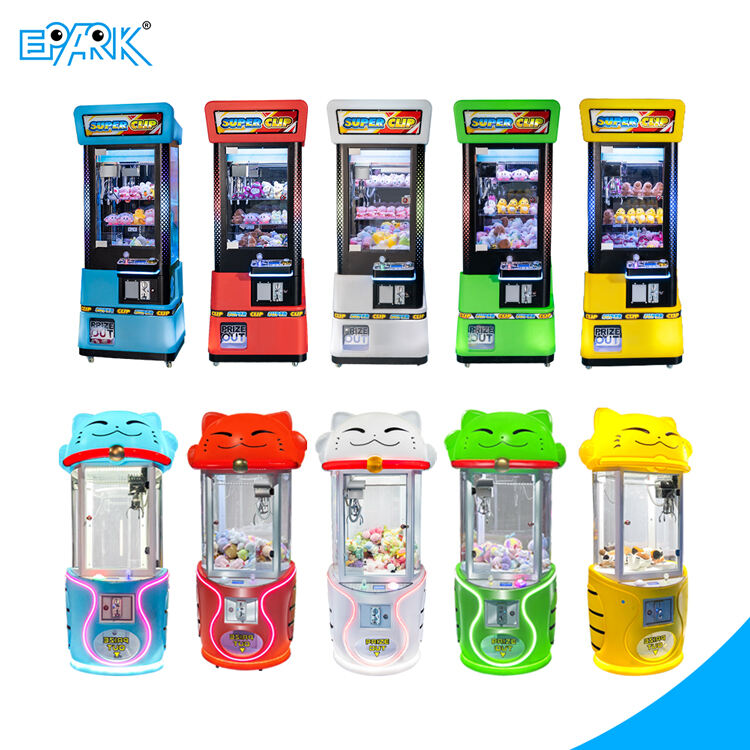
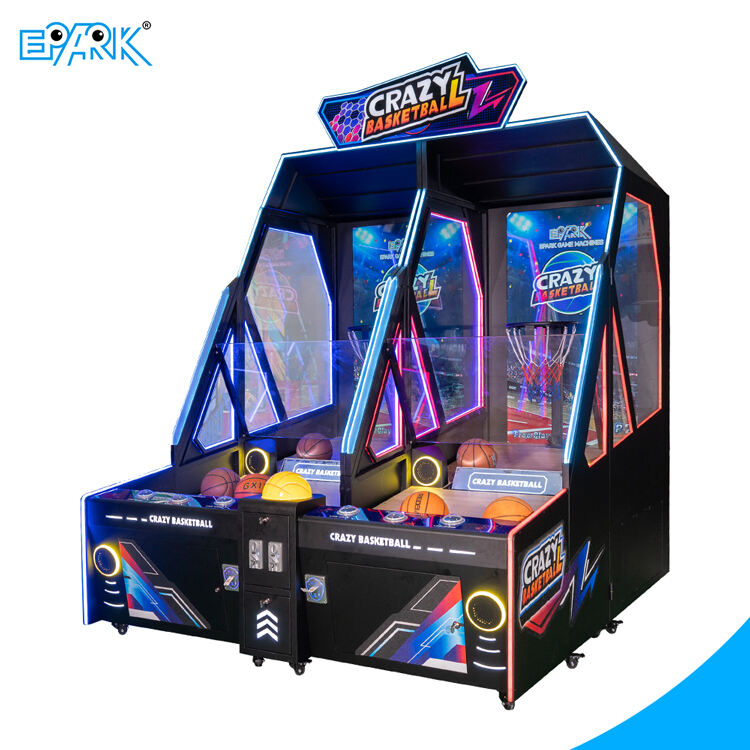
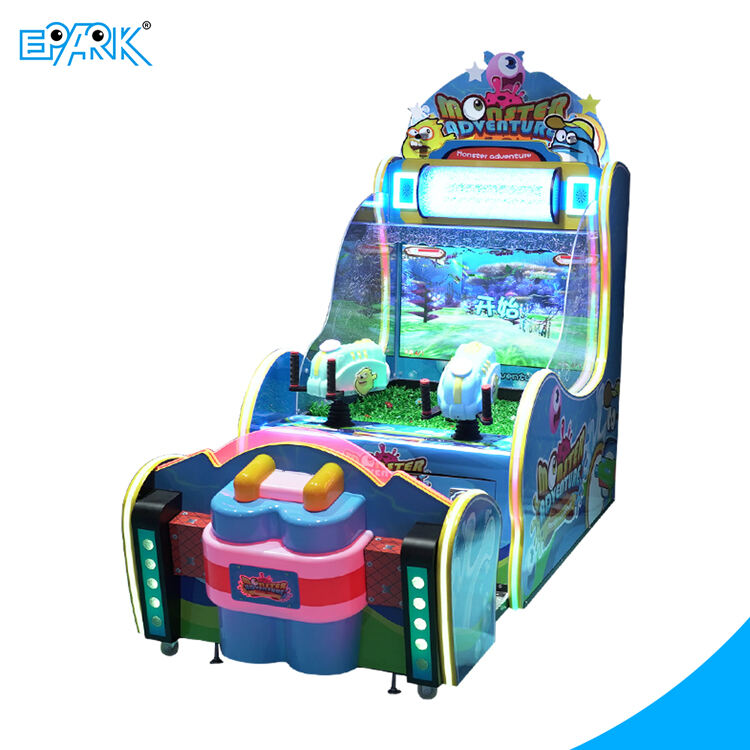
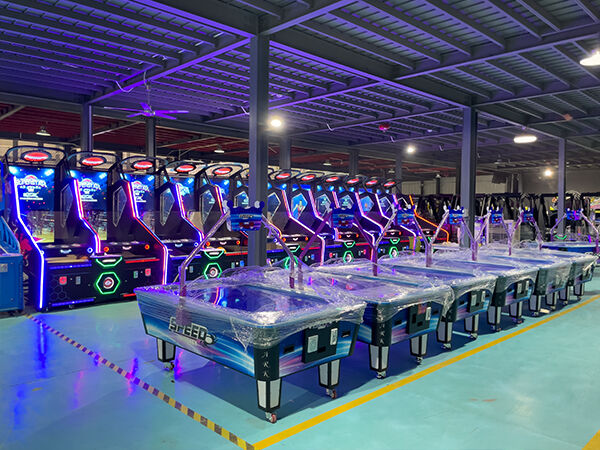
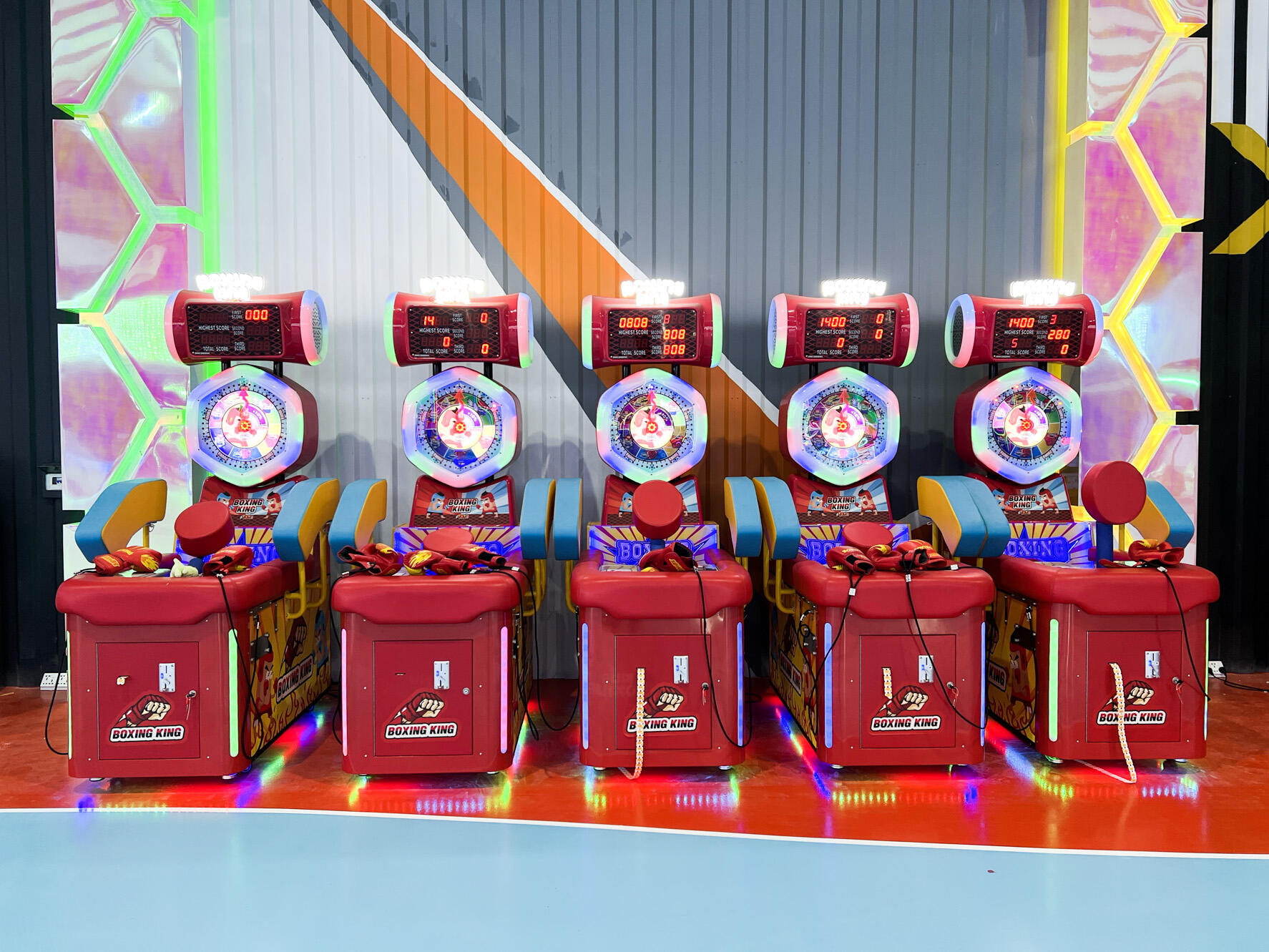
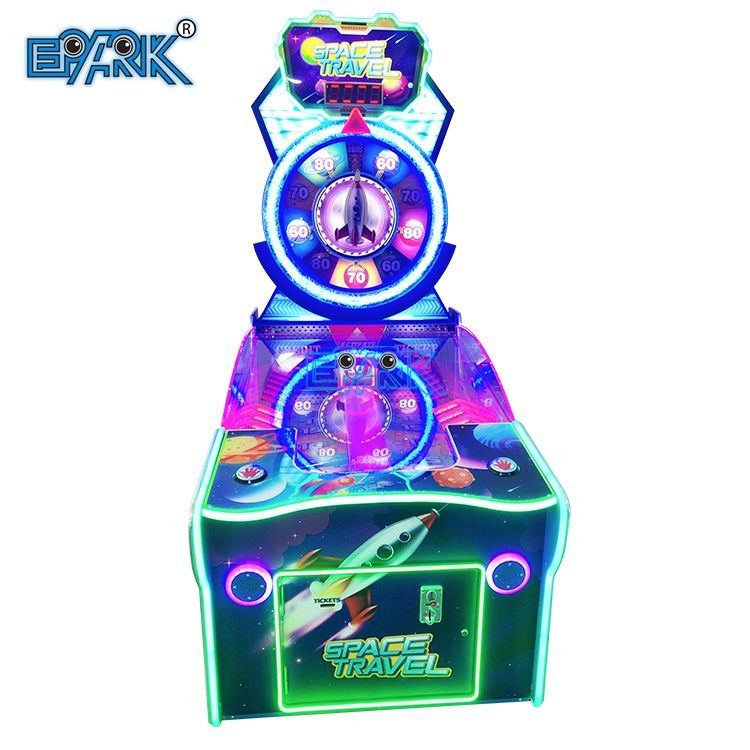
Redemption machines—such as ticket-dispensing games, claw cranes, and basketball shooters—are designed to extend family visits by rewarding repeated play. These units demand a small footprint and offer very high ROI, making them ideal for high-traffic walkways near food courts or children’s play areas. In 2025, redemption games led the global arcade market with a 29.2% revenue share, driven by their ability to encourage multiple plays and prize redemption loops. Families stay longer to accumulate tickets, increasing ancillary spending at concession stands or prize counters. Their low maintenance and broad age appeal ensure consistent daily earnings with minimal downtime. To maximize dwell, place them in clusters with visible prize displays that spark curiosity.
Racing and driving simulators as high-revenue, high-visibility crowd magnets
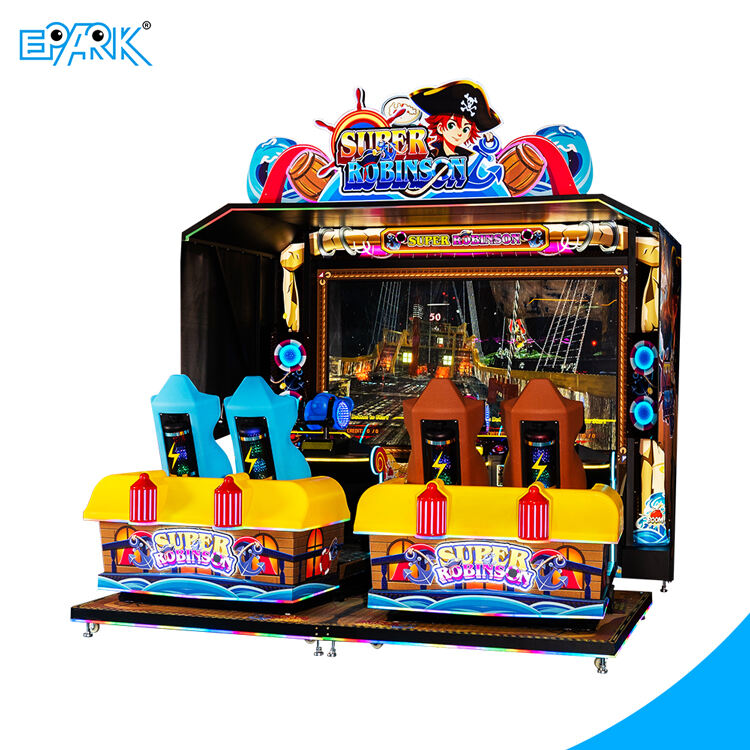
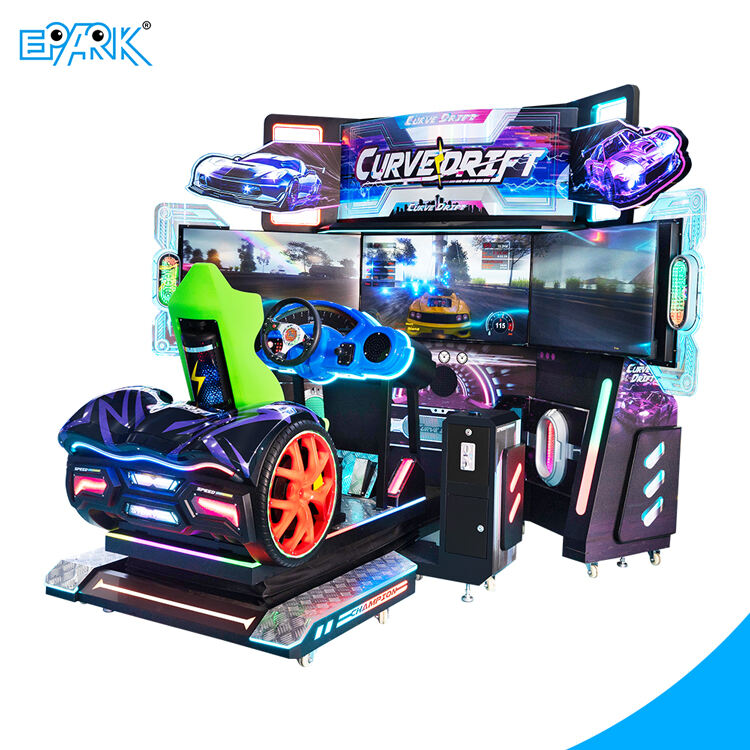
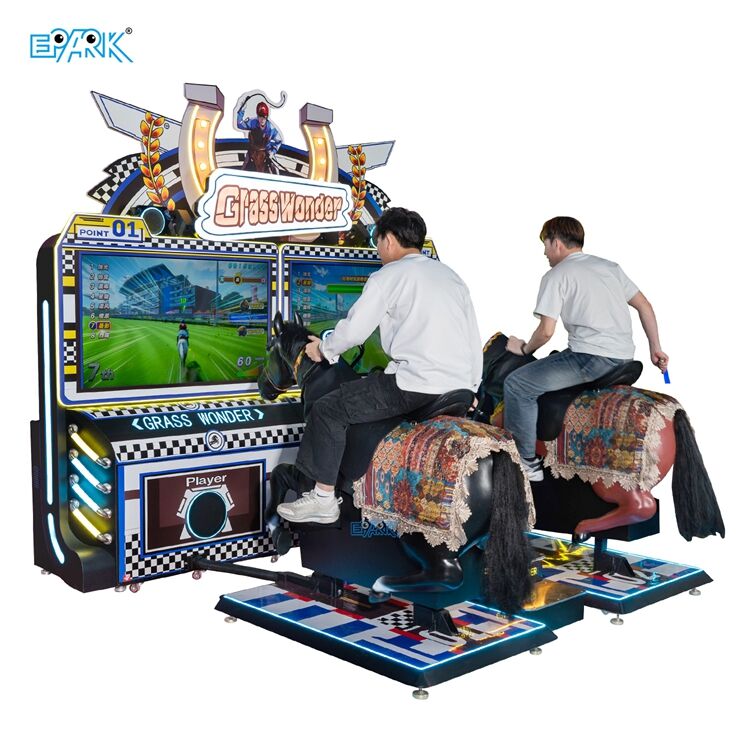
Racing simulators generate top-tier per-play revenue—typically $18–$23 per hour per unit—nearly double that of standard shooters. Their large, motion-equipped cabinets and realistic graphics act as visual anchors, attracting queues and driving foot traffic to surrounding games. Networked multiplayer setups boost session spending by up to 40% through competitive play. These machines target teenagers and adults who seek immersive experiences, and they perform best in high-visibility zones near entrances or central atriums. Though they require more floor space, their elevated revenue per square foot justifies the allocation. Regular software updates and haptic feedback keep the experience fresh, ensuring repeat engagement from core enthusiasts.
VR and digital arcade machines targeting teens and young adults
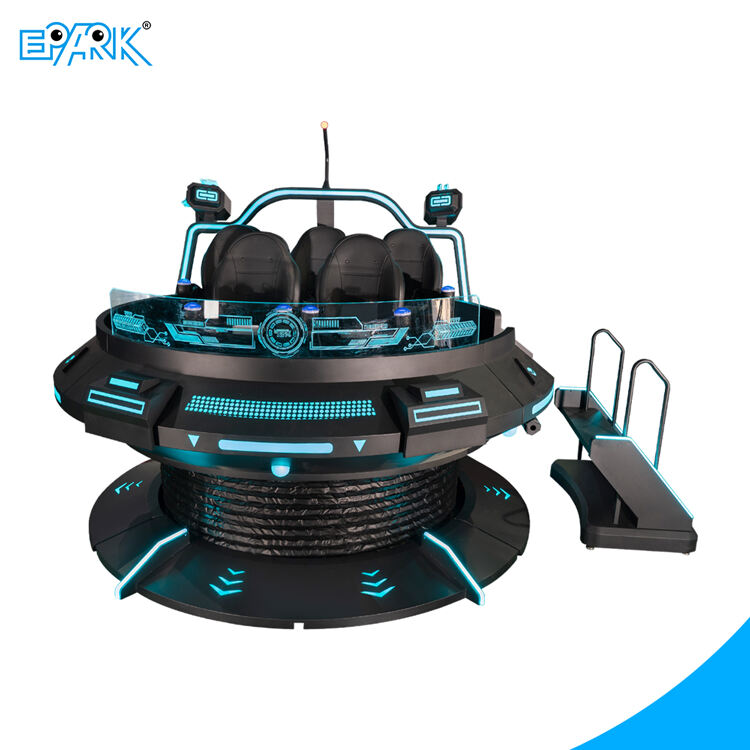
Virtual reality arcade machines deliver medium-to-high ROI by tapping into the growing demand for location-based immersive entertainment. These units appeal strongly to teens and young adults—a demographic that values novel, shareable experiences. VR machines require moderate floor space and often incorporate motion platforms, 360-degree headsets, and multiplayer capabilities. The pay-per-play model commands a premium price point, and shorter session durations enable higher turnover during peak hours. Digital arcades featuring rhythm games like Beat Saber or shooter VR setups thrive in mall zones with high youth traffic, such as entertainment districts or near cinema exits. Though equipment costs are higher, the novelty factor and social media shareability can drive organic marketing and repeat visits, offsetting initial investment.
Key Technical and Operational Criteria for Mall-Grade Arcade Machines
Durability, serviceability, and noise control in shared public spaces
Mall-grade arcade machines require industrial-grade construction to withstand high-traffic environments. Key specifications include:
- Steel cabinet thickness ≥1.2mm
- Tempered impact-resistant glass
- High-cycle buttons and controllers rated for 1M+ operations
- Noise dampening materials to maintain ≤65dB ambient sound levels
These features reduce maintenance frequency while ensuring public comfort. Proper serviceability design allows technicians to complete common repairs in under 15 minutes, maximizing uptime.
Power efficiency, footprint, and ADA-compliant installation requirements
Modern arcade machines must balance performance with operational efficiency:
- Universal voltage input (110–240V) with Energy Star® compliant power management
- Space optimization through compact footprints (typically ≤5.5 ft²)
- ADA-compliant clear floor space (30×48 inches) and accessible control heights
Energy-efficient models can reduce operating costs by up to 40% compared to legacy equipment. Strategic placement considers both player flow and emergency egress requirements.
Strategic Placement and Data-Informed Deployment Across Mall Zones
Matching arcade machine type to zone-specific traffic patterns and dwell behavior
Strategic placement of arcade machines within a mall directly impacts revenue generation. Different zones attract distinct visitor demographics and exhibit unique traffic patterns. Food courts and family lounges see extended dwell times—ideal for redemption machines, which encourage repeat play and group participation. Entrances and main corridors experience high-volume, transient traffic—where racing simulators or rhythm games capture immediate attention and drive impulse plays. Teen-centric zones near cinemas or apparel stores benefit most from VR arcade machines, which appeal directly to younger demographics seeking immersive, socially engaging experiences. Data analytics on foot traffic heatmaps, peak visit times, and average dwell duration should guide these placement decisions. Aligning machine type with zone characteristics maximizes per-machine revenue and overall mall entertainment ROI.
FAQ
What are the main benefits of redemption arcade machines?
Redemption machines encourage repeat play and extend family dwell time in malls, increasing ancillary spending on prizes and concessions. They also require minimal maintenance and appeal to a wide age range.
Why are racing simulators considered high-revenue machines?
Racing simulators generate nearly double the per-play revenue of standard machines due to their immersive experiences, high-foot traffic appeal, and networked multiplayer capabilities that encourage competitive play and repeat visits.
Who are the target audiences for VR arcade machines?
VR arcade machines primarily target teens and young adults, offering shareable, novel experiences often reinforced by the social media appeal of their gameplay.
What operational criteria should mall-grade arcade machines meet?
Key criteria include industrial durability, noise control, serviceability for quick repairs, power efficiency, space optimization, and ADA compliance.
How does strategic placement affect arcade revenue in malls?
Strategic placement drives revenue by aligning machine types with zone-specific traffic patterns, dwell times, and demographic preferences, ensuring maximized machine use and ROI.