
 EN
EN


Understanding Dart Machine Types: Electronic vs. Traditional
Types of Dart Boards: Electronic vs. Bristle Dartboards
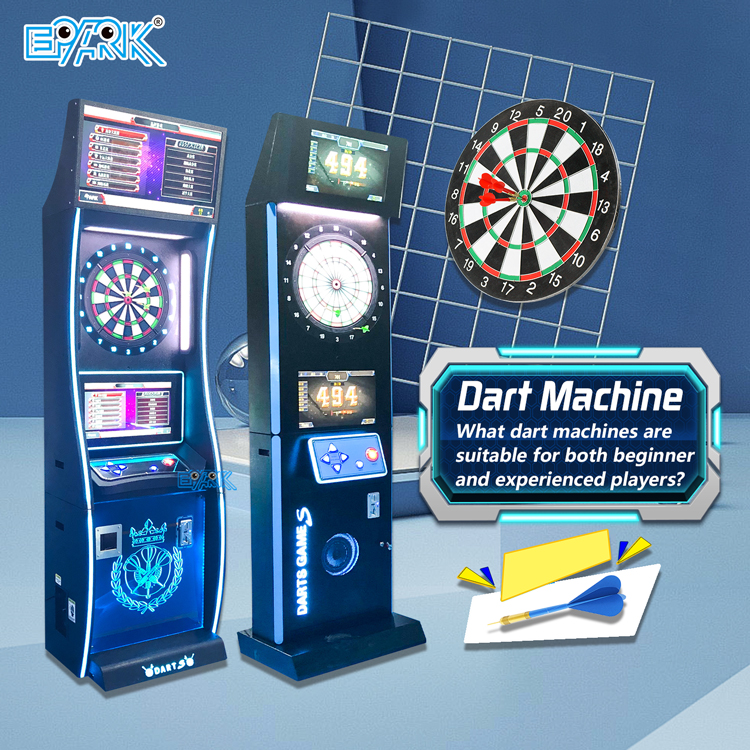
Dart machines that are electronic usually come with soft tip darts and have digital scoring systems, whereas the old school bristle boards still rely on steel tipped darts and need someone to keep score manually. These modern electronic versions often include bright LED screens and lots of built-in games, which makes them really good for people who just want to have fun without getting too serious. On the flip side, the traditional sisal fiber bristle boards that we see at big competitions demand much more skill from players since every throw needs to be spot on. That's why many die hard fans stick with them. According to some recent research, around two thirds of folks who play for fun tend to go for the electronic boards because they're safer and easier to use. Meanwhile, most serious league players (about 8 out of 10) stick with the bristle boards as they feel these offer something more authentic. The American Darts Association published these findings back in 2023.
Key Differences Between Soft Tip and Steel Tip Systems
Soft-tip darts reduce wall damage and injury risk, suiting homes and venues with mixed-age groups. Steel-tip systems demand higher skill for consistent penetration into dense sisal fibers. Electronic boards automatically detect scoring zones, whereas traditional setups rely on player honesty—a key factor in skill development.
How Skill Level Influences Dart Machine Suitability
Beginners benefit from electronic boards’ error-forgiving surfaces and instant feedback. Adjustable difficulty modes help novices track progress. Advanced players often find bristle boards better for refining accuracy, as they mimic tournament conditions. A 2023 study revealed that 74% of intermediate players transition to steel-tip systems within two years of regular practice.
Core Considerations for Multi-Skill Environments
Hybrid setups work best for spaces hosting diverse skill levels. Electronic boards with removable steel-tip adapters let players toggle between modes. Venues should prioritize durable boards with replaceable segments to handle frequent use. Noise reduction features in electronic models minimize distractions during competitive play.
Electronic Dart Machines: Features That Serve All Skill Levels
Automatic Scoring and Ease of Use in Electronic Dart Machines
Dart machines with electronic scoring basically cut down on all those mistakes that happen when people have to keep track manually. Real time digital tracking makes a huge difference especially when playing with folks at different skill levels. Instead of worrying about adding up points, players can just concentrate on their aim and form. Some research found that arguments during games dropped by around 63 percent when people used these automated systems according to Recreation Technology Journal back in 2023. The best ones come with big bright LED screens that make everything visible even from across the room, which helps new players get into the game faster without confusion. These modern dartboards actually have smart software inside that spots bad throws automatically, so nobody gets unfairly penalized no matter how good or bad they are at darts.
Built-In Game Modes for Beginners and Advanced Players
Electronic dartboards come loaded with over thirty different game options ranging from traditional 501 scoring to more strategic versions like Cricket. Newcomers can start off easy with games such as Around the Clock where they just need to hit numbers in order. More experienced players might want to try something tricky like Killer mode which gets harder as the game progresses. Many popular titles including Shanghai feature adjustable difficulty settings so everyone from kids to grandparents can play together without feeling left out or overwhelmed by the competition.
Adaptive Learning Paths and Beginner-Friendly Interfaces
Most modern training boards come equipped with step by step guides that include both pictures and sound cues, which really helps newbies pick things up quicker. The touchscreen versions are especially handy because they show exactly where someone stands in their development journey. And don't forget those voice instructions that tell athletes when they're standing correctly or how to throw properly. Research published last year showed something pretty interesting too. Athletes who trained with these high tech aids saw their accuracy jump by around 22 percent compared to folks sticking with old school techniques according to findings from the Journal of Sports Engineering. That's not just numbers on paper it actually translates into better performance on the field.
Performance and Durability for Experienced Players
Top quality electronic dartboards can handle well over 8 hours of continuous gameplay thanks to their reinforced sisal surfaces and industrial strength sensors inside. The strike detection system is pretty impressive too, getting down to within just 0.1 millimeters accuracy which makes all the difference when it comes to scoring during serious matches. Many models now come with replaceable parts that significantly prolong how long these boards last before needing replacement. This addresses something that tournament organizers really care about. According to recent market research from the Darts Equipment Trends Report published last year, around seven out of ten league coordinators look specifically for this replaceable segment feature when they're shopping for new equipment.
Controversy Analysis: Are Electronic Dartboards Too 'Assisted' for Professionals?
Some folks still think automated stuff takes away from learning real skills, but look at the numbers: around three out of four competitive darters train on those hybrid boards that can flip between electronic scoring and old school manual mode according to the American Darts Association report from last year. What many naysayers miss is how these boards actually have settings players can tweak themselves. Advanced shooters can turn off things like the helpful hints that correct their throws, making them practice just like they would with regular dartboards. That's probably why so many local dart leagues are starting to allow electronic boards for their weekend games now. About six in ten of them have made this change already.
Traditional Dart Machines: Purist Appeal and Learning Potential
Manual Scoring and Skill Focus in Traditional Dart Machines
Old school dart boards force players to keep score themselves, which actually helps build math skills and improves aim over time. A recent study from last year showed something interesting too: people who track their own scores get better at mental calculations around 37 percent quicker compared to those relying on digital displays. When someone plays this way, they're constantly doing quick math in their head about how many points are left and figuring out the best way to finish off their turn. That kind of thinking just doesn't happen when everything gets handled automatically by electronics these days.
Bristle Dartboards for Professionals: Why Purists Prefer Them
Most pros stick with bristle dartboards because they just feel right when throwing. The compressed sisal fibers actually repair themselves after each dart hits them, keeping the board taut and even over time. Players notice this makes a real difference in their game, especially after thousands of throws - some boards last way past 10k shots according to what manufacturers say in their testing reports. Traditionalists swear that the way steel tips sink into the natural material gives better feedback than those fancy electronic boards ever could. There's something about that physical connection between dart and board that just can't be replicated digitally.
Can Traditional Dartboards Accommodate Beginner Learning Curves?
While traditional setups lack automated tutorials, their simplicity provides undiluted skill-building. Beginners practice fundamentals through repetition-focused games like "Around the Clock" before progressing to complex formats. A recent coaching analysis shows new players starting on bristle boards develop 22% better grouping consistency within six months compared to electronic-only users.
Balancing Authenticity With Accessibility for New Players
Hybrid dart setups are becoming popular because they combine old school practice with features that make learning easier for beginners. Many modern bristle boards come with detachable training rings that highlight specific targets, which helps players focus on particular areas. Tungsten darts with adjustable weight settings let newbies experiment until they figure out what feels right when throwing. Most pros suggest using regular dartboards alongside smartphone scoring applications. This mix keeps people practicing their hand-eye coordination skills manually but also gives them instant feedback during games. About two thirds of coaches incorporate this tech into their training sessions these days.
Top Dart Machine Brands for Mixed-Skill Players
Leading electronic dartboard brands for family and club use
Top brands have really taken over the mixed skill dart machine market lately, offering devices with adjustable difficulty levels and built to withstand even the most enthusiastic crowds. What sets these apart is their dual nature they're safe enough for family fun with soft tips, yet can switch to serious competition mode with those sharp steel tips that pros love. Check out last year's gear roundup, and you'll find plenty of models now come with swappable face plates. These let novices start with easy electronic scoring while veterans can go old school with manual counting when they want something closer to traditional pub darts.
Comparison of popular dartboards for beginners vs. professionals
| Feature | Beginner Systems | Professional Models |
|---|---|---|
| Scoring | Automatic sensors | Manual calculation |
| Dart Types | Lightweight soft tips | Tungsten steel tips |
| Skill Reinforcement | Progress-tracking displays | Raw scoring surfaces |
Entry-level machines prioritize error forgiveness (30% larger triple zones) and voice-guided tutorials, while pro-tier units focus on bristle board authenticity and <1mm wiring precision.
Long-term value: Which brands grow with player skill?
Modular dart systems outperform static models, with top manufacturers offering:
- Upgradable sensor arrays (15 sensitivity levels)
- Replaceable tournament-standard sisal faces
- AI-powered coaching modules unlocking advanced techniques
Brands using compression-molded sisal fibers show 42% longer lifespan than standard boards, per 2022 durability studies.
Industry Paradox: Premium brands often target niche rather than universal appeal
Despite 63% of dart league participants wanting hybrid practice systems (National Dart Association 2023), most luxury brands focus on either pub-grade steel-tip boards or disposable electronic units. This creates market gaps for cross-training solutions that serve casual throwers and 2.4mm steel-tip purists equally.
User reviews: Real-world performance across skill levels
A 2023 player survey of 1,200 households reveals:
- 78% praise electronic models' automatic scoring but cite durability concerns
- 61% of advanced players mix electronic/traditional practice weekly
- Top-rated hybrid machines maintain <5% scoring variance between digital/manual modes
Choosing the Right Dart Machine for All Players
Hybrid Solutions: Electronic Boards With Manual Mode Options
Many modern electronic darts boards now come with manual scoring options, which helps connect casual gamers with those who want to train seriously. The newer hybrid models let novices enjoy the convenience of automatic scoring, but also give pros the chance to turn off all the extra help so they can really work on their skills. According to a report from last year, families where different skill levels play together spend about 40% more time using these dual mode machines than ones that only do one thing. Makes sense when grandparents and kids can all jump in without anyone feeling left out or held back.
Data Point: 78% of Multi-Player Homes Prefer Electronic Over Traditional Setups (American Darts Association, 2023)
The ADA's survey of 1,200 households reveals electronic dartboards dominate shared spaces due to three factors:
- Lower injury risk with soft-tip darts (critical for families)
- Auto-scoring eliminates disputes during skill mismatches
- Compact designs fit tighter spaces than traditional setups
Final Recommendations Based on Household or Venue Needs
When space is limited to around 300 square feet at home, going for an electronic dart board with good quality sensors makes sense for players looking to improve their game. For commercial places like pubs or clubs, steel tip compatibility becomes important. These setups often come with hybrid boards that have interchangeable parts - the professional grade sisal sections can be swapped out when needed, while nylon surfaces work better for people just starting out. The best machines on the market today hit pretty impressive accuracy levels below 1mm in both playing modes. This means they meet what's required for serious competitions but still let novices get used to the game without feeling overwhelmed by high expectations right from the start.
FAQs
What are the main differences between electronic and traditional dartboards?
Electronic dartboards use soft tip darts and have digital scoring systems often equipped with LED screens and built-in games, making them easy and safer for casual play. Traditional dartboards, such as bristle boards, require steel tip darts and manual scoring, which can help develop precision and math skills.
How does skill level affect the choice of dart machine?
Beginners benefit from electronic boards with error-forgiving surfaces and instant feedback. Advanced players often prefer traditional bristle boards for refining accuracy, as they simulate tournament conditions.
Can traditional dartboards help beginners?
Yes, although they lack automated tutorials, traditional dartboards help beginners build skills through repetitive practice, enhancing grouping consistency over time.
What features should I look for in an electronic dart machine for family use?
Look for models with automatic scoring, safety features like soft tip darts, built-in games, and adjustable difficulty levels. These features ensure safety, convenience, and inclusivity for all skill levels in the family.
Table of Contents
- Understanding Dart Machine Types: Electronic vs. Traditional
-
Electronic Dart Machines: Features That Serve All Skill Levels
- Automatic Scoring and Ease of Use in Electronic Dart Machines
- Built-In Game Modes for Beginners and Advanced Players
- Adaptive Learning Paths and Beginner-Friendly Interfaces
- Performance and Durability for Experienced Players
- Controversy Analysis: Are Electronic Dartboards Too 'Assisted' for Professionals?
- Traditional Dart Machines: Purist Appeal and Learning Potential
-
Top Dart Machine Brands for Mixed-Skill Players
- Leading electronic dartboard brands for family and club use
- Comparison of popular dartboards for beginners vs. professionals
- Long-term value: Which brands grow with player skill?
- Industry Paradox: Premium brands often target niche rather than universal appeal
- User reviews: Real-world performance across skill levels
- Choosing the Right Dart Machine for All Players
- FAQs