
 EN
EN

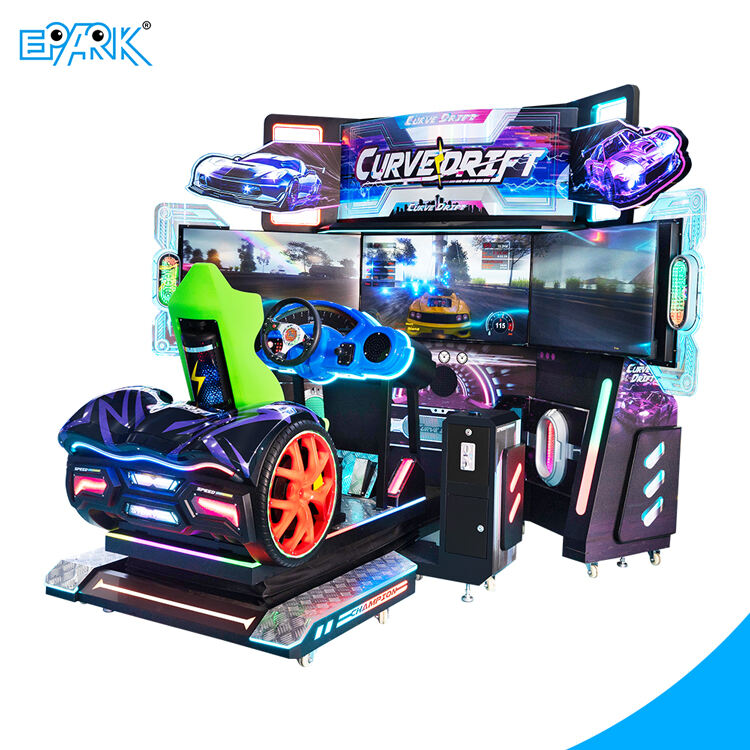



Immersive Sensory Experience Through Graphics and Sound Design
The role of high-fidelity visuals in enhancing immersion
The latest racing arcade machines now boast 4K resolution screens and advanced ray tracing tech that brings out amazing detail like realistic asphalt textures and those shiny metal car paints we see at racetracks. When games get this right, they pull players deeper into the experience because everything starts feeling almost touchable. Take Forza Motorsport for instance - it uses special scanning techniques to create tracks that look nearly identical to actual race circuits, hitting around 98% accuracy according to SimTech research from last year. Meanwhile Gran Turismo has taken things further with changing weather conditions that actually affect how light bounces off wet roads during gameplay. Players need to constantly adjust their driving style as rain makes surfaces slicker and visibility drops suddenly.
Dynamic soundscapes and engine audio for authenticity
The engine roars of real supercars get pumped through powerful subwoofers built right into the arcade seats, giving riders that physical punch they crave. With directional sound tech, gamers can actually tell where opponents are just by listening to their engines revving nearby. Some tests showed this helps cut lap times down around 11%, though results might vary depending on how good someone is at hearing subtle differences. Surround sound systems take things even further, recreating all sorts of real world noises like echoes bouncing off tunnel walls or crowds cheering that gradually disappear as cars drive away from them.
Integration of virtual reality and immersive environments
The VR pods from companies like Bandai Namco with their Mach Storm model really take immersion to another level. These machines use head tracking along with those big 180 degree screens so players don't miss anything happening around them. The steering wheels have haptic feedback that actually lets users feel different road surfaces through changing resistance levels. Some models even feature motion bases that can tilt at angles up to 30 degrees when making sharp turns or sudden stops. Put all these elements together - think about how spatial audio works with seats that respond to action - and something interesting happens. According to ArcadeTech's report from last year, heart rates go up about 22 percent compared to regular arcade games. That shows just how much our bodies react when all the senses are engaged in this kind of virtual environment.
Case study: Visual fidelity in Forza Motorsport and Gran Turismo
The two racing series both rely on LIDAR technology to bring famous circuits such as Nürburgring back to life with incredible accuracy down to the millimeter. Gran Turismo 7 has this cool 1,200Hz refresh rate feature that basically gets rid of motion blur when cars hit those crazy speeds over 200mph. Meanwhile, Forza goes another route with their real time ray tracing tech which makes all those different car paints look super realistic across over 500 material types. And it really works too – according to some research from PlayStation Labs last year, gamers actually stick around about 40% longer when playing in these detailed worlds. Makes sense though; nobody wants to leave something that looks so good!
Realistic Vehicle Physics and Driving Dynamics in Racing Arcade Machines
How Realistic Physics and Controls Influence Gameplay Depth
Modern racing arcade setups manage to mix real car physics with controls that still feel snappy, making games more engaging overall. When players take corners, they actually feel the car shifting weight around, and tires compress when slamming on brakes hard, but the controls stay tight enough for quick reactions. Getting the acceleration right and how air resistance affects speed makes these games tougher for experts who want to master every detail. At the same time, regular gamers don't get left behind because the basics still work intuitively. Some studies have looked at this stuff before, showing why good physics models matter so much in making racing games both challenging and fun for everyone involved.
Modeling Tire Grip, Weight Transfer, and Suspension Behavior
Advanced physics engines simulate core mechanical behaviors:
- Tire grip mechanics that affect cornering performance
- Suspension compression and rebound over uneven terrain
- Weight redistribution during drifts and rapid direction changes
Leading systems calculate traction loss in real time using multi-layer friction models, enabling oversteer corrections that mirror real-world countersteering techniques. This level of simulation allows expert players to fine-tune control inputs for optimal handling.
Balancing Arcade Fun with Simulation Realism
Game designers are constantly trying to find that sweet spot between realistic physics and making games fun for everyone. Simulation purists love deep mechanical accuracy, but regular folks want something more entertaining than watching tires slowly spin out. That's why most modern cabinets come with these adjustable help systems. Newcomers get automatic stability features that keep them from crashing everywhere, whereas hardcore players turn off all those crutches to really feel the car's behavior during cornering and acceleration. Some people just want to have fun without worrying about perfect technique after all.
Accessibility vs. Realism: Meeting Diverse Player Expectations
The most successful machines accommodate varied skill levels through layered design:
- Adaptive difficulty systems adjust physics complexity dynamically
- Tactile feedback communicates suspension impacts through the steering wheel
- Visual cues guide players toward ideal racing lines
This approach allows newcomers to execute cinematic drifts intuitively while giving experienced racers tools to master throttle modulation and corner exit speed for competitive advantage.
Engaging Track Design and Dynamic Environmental Challenges
Track Variety and Design as a Driver of Replayability
What keeps players coming back? The answer lies in varied track designs. According to Racing Game Analytics from last year, game developers added around 74% more different circuits in 2024 compared to 2020. Think about it: urban sprint tracks require totally different tactics than those winding mountain passes or sprawling open world areas. Tracks now often have multiple paths with hidden shortcuts and all sorts of interactive dangers. Some even include things like bridges that collapse mid-race. Because of these features, every race plays out differently. Players don't get bored easily since there's always something new happening on the track, which helps maintain interest over time.
Dynamic Weather and Lighting Effects During Races
Weather systems that change in real time really bring out the strategic side of racing games. When it rains, tires lose grip by about 40 percent, so drivers have to brake later and pick different lines through corners. Then there's that annoying sun glare that suddenly appears and makes everything hard to see on screen. The night races are interesting too because of how headlights adapt to road conditions, which adds yet another element to think about during gameplay. Looking at the numbers, games with dynamic weather tend to keep players coming back for roughly 22% longer compared to ones where the weather stays fixed throughout. Players just seem to get more invested when their environment actually changes and responds to what's happening in the game world.
Strategic Use of Racing Lines, Elevation, and Corners
Elevation changes create momentum challenges – a 15° incline can cut speed by 30 mph without proper boost management. Corners function as skill gates:
- Hairpins test drift accuracy
- Chicanes penalize poor weight distribution
- Banked curves reward precise apex timing
Developers analyze pro racer heatmaps to refine these sections, ensuring that sub-millisecond decisions influence overtaking success. This transforms tracks into active participants in gameplay rather than passive backdrops.
Thrilling Gameplay Mechanics: Drifting and Nitro Boost Systems
Mastering Drifting Mechanics for Competitive Advantage
Arcade racing wouldn't be the same without drifting. It takes some serious skill at the wheel to keep those wheels sliding just right while maintaining control. The latest game engines have gotten pretty good at faking how tires lose grip and how cars respond when they do. What used to be just flashy moves now actually helps players shave seconds off their lap times. That's why pro racers spend hours mastering drift techniques it gives them an edge on the track that casual drivers can only dream about.
Nitro Boost Timing and Risk-Reward Trade-offs
Nitro boosts give players those quick speed spikes, but getting them right takes some timing skill. Most games let these powerups refill when doing risky stuff like long drifts across corners or trying to pass someone really closely. There's always this nagging feeling though - should I save my nitro for later or burn it now? The game makes it exciting too with all sorts of sounds and visuals when activated. That engine growl gets louder, screens shake, colors might warp around the car. These little details make the moment feel bigger than just numbers on a screen.
Evolution of Power-Up Systems in Modern Racing Arcade Machines
Modern power-up systems aren't just about going faster anymore. Game designers now throw in all sorts of hybrid features - think temporary invincibility modes, shields that pop up when needed, and even offensive stuff like spreading oil slicks across the screen. Arcade owners are seeing real results from these changes too. According to recent surveys from the amusement industry in 2023, about 63 percent of operators noticed more people coming back to play after they upgraded their machines' power-up options. What makes this work so well is how it caters to different ways players like to approach games, yet still keeps things easy enough for newcomers who want to jump right in without getting overwhelmed.
Progression and Personalization via Vehicle Customization and Upgrades
Wide Variety of Cars and Customization Options for Personal Expression
Gamers have access to more than 25 different car categories ranging from old school muscle machines all the way to cutting edge concept vehicles, plus they get to tweak these rides with over 800 visual upgrades such as special paint jobs, aerodynamic additions, and glowing lights underneath. When someone spends time making their virtual wheels look just right, those cars start feeling like part of who they are in game world. The latest numbers from automotive customization studies show around 7 out of 10 gamers really care about being able to customize their characters' appearance in racing titles, which makes sense since looking good often means caring more about what happens on screen.
Performance Tuning and Upgrade Systems That Impact Race Outcomes
When talking about customization, most people think about appearance first, but the real game changers are performance tweaks like turbochargers, different tire compounds, and suspension adjustments that actually make a difference on the track. Take soft compound tires for example they give drivers about 18% better grip when corners get slippery from rain, though they tend to burn through much quicker than standard rubber. The same goes for those massive 1,200 horsepower engines they're great for blasting down long straights, but can be a nightmare when navigating tight hairpin turns where precision matters more than raw speed. Every choice made during car builds comes with trade offs, something racers learn the hard way after spending hours testing combinations at the track.
Career Mode Progression and Narrative Integration
Career modes mirror real motorsport progression, rewarding players with credits and rare components for completing challenges. Unlockable content – such as historic rally cars or proprietary engine blueprints – adds narrative depth and encourages continued play.
Strategy Guide: Optimizing Vehicle Builds for Different Track Types
| Track Type | Optimal Setup | Key Stat Focus |
|---|---|---|
| Urban Street Race | Lightweight chassis + nitrous | Acceleration (0-60 mph) |
| Mountain Pass | All-wheel drive + reinforced suspension | Downforce (+25%) |
| Oval Speedway | High-torque engines + durable tires | Top speed (200+ mph) |
This structured progression system delivers meaningful growth for casual players while offering mechanical depth that satisfies hardcore enthusiasts.
FAQ
What are high-fidelity visuals in arcade racing games?
High-fidelity visuals refer to the ultra-realistic graphics quality in games that enhance immersion by providing lifelike details like realistic textures and advanced lighting effects.
How do dynamic soundscapes contribute to the gaming experience?
Dynamic soundscapes provide authentic audio experiences with engine roars and environmental sounds that enhance immersion and help players identify opponents' locations through audio cues.
What role does virtual reality play in racing arcade games?
Virtual reality enhances immersion by utilizing head tracking and wide screens to capture all action, with haptic feedback for realistic driving sensations, making the experience more engaging and lifelike.
How does realistic physics influence gameplay in racing arcade machines?
Realistic physics provides depth by simulating real-world car dynamics, allowing players to experience weight shifts, tire grip variations, and suspension behavior, enhancing both challenge and fun.
Why is track design important for replayability in arcade racing games?
Track design incorporates variety and interactive features like hidden shortcuts and dynamic environmental challenges, keeping gameplay fresh and encouraging repeat engagement.
What is the importance of vehicle customization and upgrades in racing games?
Vehicle customization offers personal expression with visual enhancements, while upgrades impact race outcomes with performance tweaks that modify handling and speed.
Table of Contents
- Immersive Sensory Experience Through Graphics and Sound Design
- Realistic Vehicle Physics and Driving Dynamics in Racing Arcade Machines
- Engaging Track Design and Dynamic Environmental Challenges
- Thrilling Gameplay Mechanics: Drifting and Nitro Boost Systems
- Progression and Personalization via Vehicle Customization and Upgrades