
 EN
EN
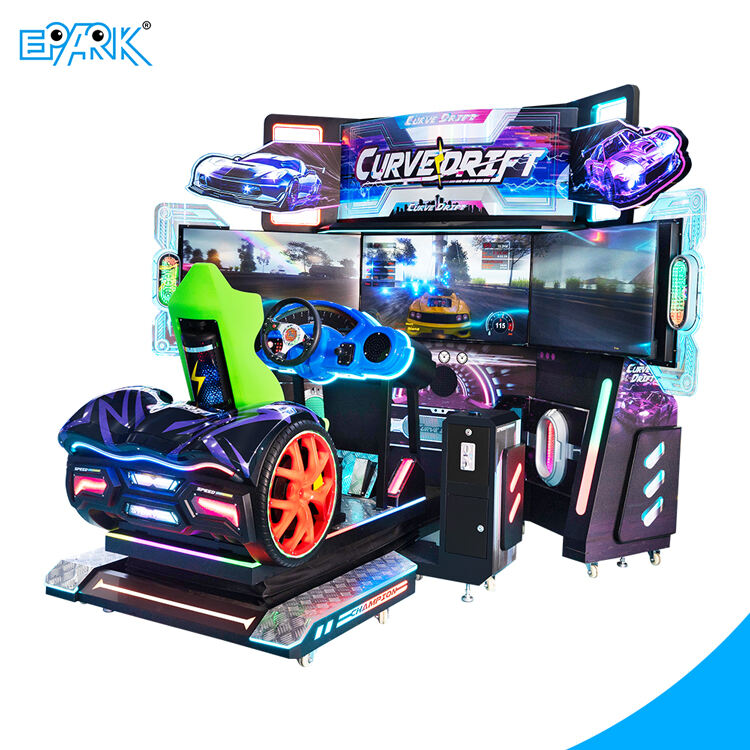
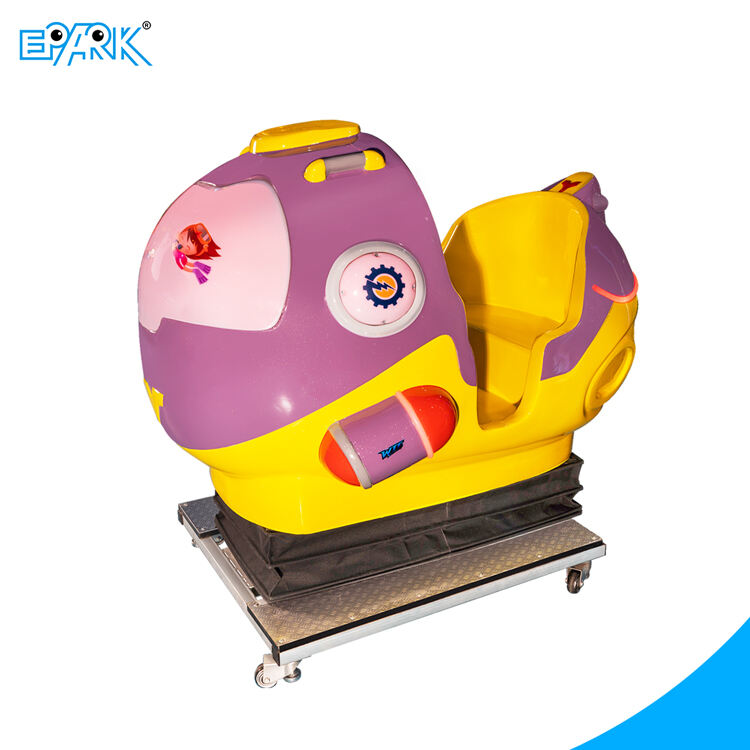

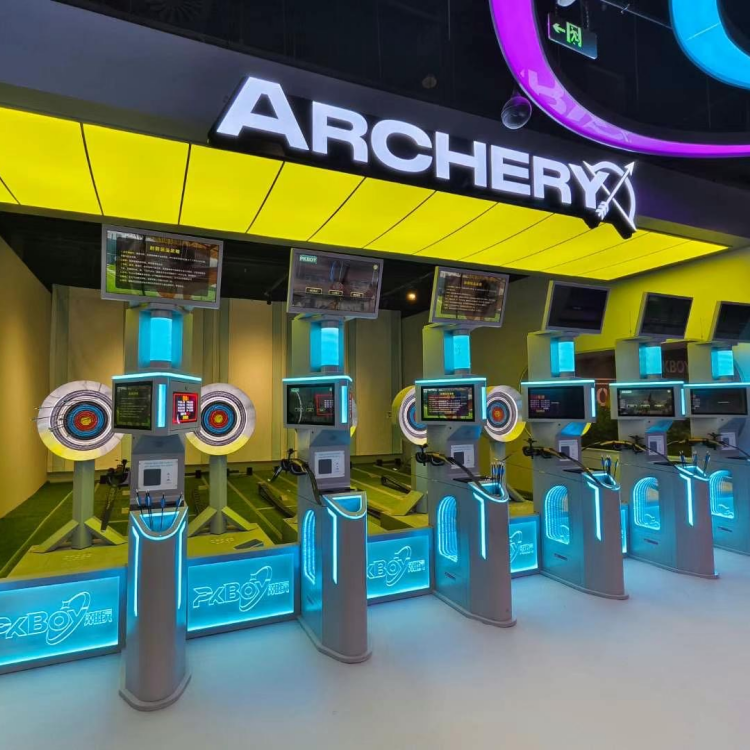
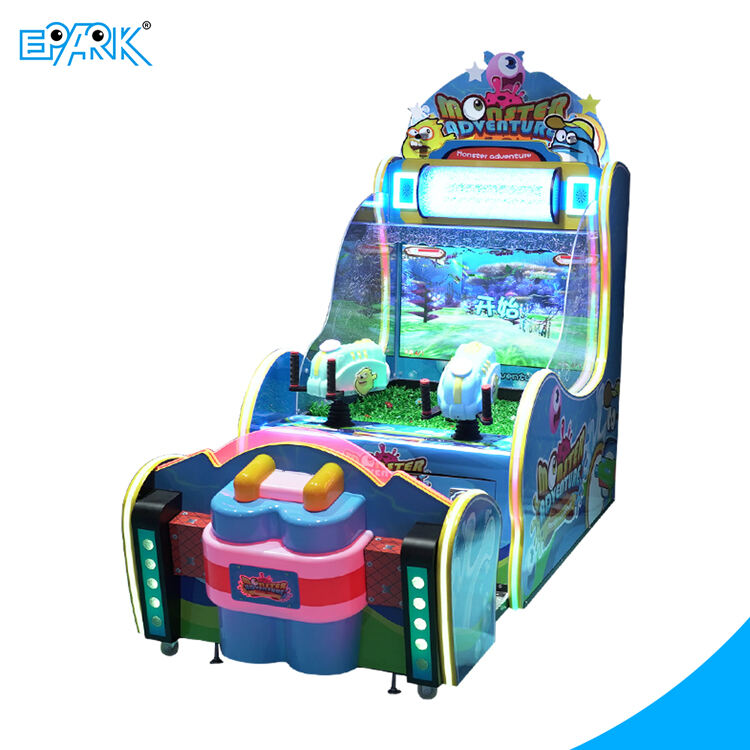

Innovative Technology Integration in Modern Arcade Machines
Digital Transformation of Coin Pusher and Arcade Machine Gameplay
Today's arcade machines mix old school physical parts with modern digital tech for something totally different than what we used to see. Big name makers are swapping out those boring static coin slots for fancy LED lights and touchscreens instead. Players can now tap, swipe or pinch to get power ups and bonus rounds without needing special buttons. According to the Arcade Operator Trends Report from last year, around 7 out of 10 arcades saw people staying longer when they switched to digital payments that work with phones and prepaid cards. These new payment options make things faster for customers but still keep that satisfying click feel when inserting coins into the machine.
Advanced Sensors, Interactive Displays, and Real-Time Network Connectivity
Modern gaming machines now come equipped with internet connected sensors that watch how players interact, change game difficulty on the fly, and send all that info up to the cloud where operators can check it out. The trays inside these machines are super sensitive when it comes to coins, keeping track of them down to half a millimeter precision. Players also get these special tokens with built-in chips so they can pick up right where they left off even if they have to leave for a bit. On the front of each machine there's this big screen showing who's winning what and posting fun challenges from social media, which definitely keeps people coming back for more. All these tech upgrades actually cut down on repair bills by around 30 percent over old fashioned mechanical setups, plus they help machines last much longer in busy spots like casinos or arcades.
Augmented Reality and Mobile App Integration Enhancing Player Interaction
Arcades are getting creative with augmented reality these days, adding digital elements right on top of traditional games. Take a regular coin pusher at a bowling alley for instance. Some places now have those machines projecting all sorts of animated stuff onto the playfield using overhead projectors. These visuals work hand in hand with an app that gives out virtual prizes people can actually cash in at the cafe inside the same building. The mix of real world fun and digital perks seems to be working pretty well financially too. Studies indicate players tend to spend around 18 percent more when this kind of tech is involved in family entertainment spots. Makes sense really – when the game itself becomes part of the overall experience, folks just want to stay longer and spend more while they're there.
Case Study: Upgrading a Classic Coin Pusher With Digital Feedback and Tracking
A 2023 retrofit of 1980s-style coin pushers demonstrated the return on investment for smart upgrades. Operators installed:
| Feature | Result |
|---|---|
| Pressure-sensitive belts | 22% fewer coin jams |
| RFID token readers | 40% increase in repeat plays |
| Live payout displays | 15% higher perceived fairness rating |
The updated machines preserved vintage aesthetics while reducing operational downtime by 60%, proving legacy hardware can evolve with modern technology without sacrificing nostalgic charm.
Superior Engineering for Durability and Game Fairness
Robust Materials and Structural Design for High-Traffic Arcade Environments
The best arcade machines are built tough with stainless steel joints that can take a beating and aluminum frames strong enough for constant action through tens of thousands of games each year. The panels are made from glass reinforced polymer so they don't crack when kids slam into them, while special coatings protect against fading even if placed near windows where sunlight hits all day long. What really makes these machines stand out though is their modular setup. Technicians can swap out parts like coin slots or control buttons in just about 10 minutes flat, which means less lost revenue when something breaks down at busy spots like malls during holiday weekends or amusement parks packed with families on summer days.
Precision Mechanics Ensuring Consistent Coin Distribution and Reliability
Gear systems that match tolerances down to about 0.01mm keep coins flowing smoothly even after going through 20,000 cycles. The ceramic coating on those deflector plates makes a big difference too, cutting down wear by around 73% when compared to regular models. For the payout mechanism, there's this closed loop feedback system that checks everything 400 times every single second. It adjusts the stepper motor torque as needed when temperatures change because metal expands and contracts with heat. All these design features work together to give machines nearly constant operation, with downtime sitting at just 0.6% over long periods. And they stay within the legal requirements for payout accuracy, staying within plus or minus 1.5% throughout their entire lifespan.
Balancing Skill and Chance Through Engineered Game Mechanics
The latest gaming machines incorporate smart technology like adjustable pendulums and sensitive tilt sensors that automatically change the challenge level as players progress. For instance, many modern coin pusher games actually ramp up the magnetic resistance by around 8% following every successful payout, which helps prevent people from finding loopholes while still keeping things fair overall. These machines also feature random bonus multipliers ranging from double to five times the normal amount, but these only kick in when players hit those really tricky spots on the machine. The whole system is carefully calibrated so that most machines maintain an RTP rate somewhere between 85% and 92%. That sweet spot satisfies regular gamblers looking for good odds without leaving operators struggling to stay profitable in today's competitive arcade market.
Engaging User Experience Through Design and Feedback
Ergonomic Layout and Intuitive Interface Design in Arcade Machines
Today's gaming machines are designed with everyone in mind. They feature sloped control panels, buttons positioned where they're easy to reach, and height adjustments so both kids and adults can play comfortably. The new interface designs cut down on the time it takes to learn how everything works something manufacturers claim is around 40% better than older versions. Most people notice this right away because the buttons and menus look similar to what we see on our smartphones daily. For younger generations who grew up with touchscreens, these machines feel almost second nature from the moment they start playing.
Visual, Audio, and Haptic Feedback Loops That Boost Player Retention
Games with multisensory feedback really pull players in and keep them coming back for more. When someone hits a win, the LEDs flash all sorts of colors, directional speakers create sounds that seem to come from different directions, and seats actually vibrate during those special bonus rounds. According to Arcade Operations data from last year, these combined effects make people stay at machines about 22% longer than usual. The best part? These systems aren't just reacting randomly. They watch how players respond and tweak when rewards happen so the game stays exciting but doesn't get too intense. Some arcades report customers spending an extra half hour on games with this kind of setup compared to regular machines.
Hybrid Gameplay: Merging Physical Coin-Drop Action With Digital Rewards
Gamers get a real kick out of tossing coins into machines while also collecting digital points via those handy QR code scanners now built into many arcade games. According to industry reports from last year, around three quarters of arcade owners saw their bottom line improve once they started offering mobile apps where customers could trade their actual winnings for virtual items or entry into online tournaments. The mix of old school coin clinking and newfangled game features works surprisingly well for everyone from weekend warriors stopping by for fun to serious competitors who want to test their skills against others worldwide. It's basically taking something familiar from our childhood and wrapping it up with all sorts of bells and whistles that keep people coming back again and again.
Market-Driven Innovation in Coin-Operated Arcade Machines
How Consumer Preferences Shape Payout Mechanisms and Game Design
Gamers today want to see what they're getting for their money, which is why game makers have been tweaking their payout structures lately. Market research from late 2025 shows that around two thirds of regular players actually care more about getting something they can cash in later than just having fun. That's led to all sorts of mixed approaches in the industry right now. When someone inserts coins into a machine, it doesn't just ring bells anymore it connects them to online scoreboards, lets them personalize their game character, and builds up points through mobile apps. The tech behind these machines is getting smarter too. Some systems change how often prizes drop depending on how good someone is at playing and how long they stick around. Makes sense really this way companies keep people coming back without burning through profits too fast.
Regional Trends: Contrasting Arcade Machine Evolution in Asia and North America
Arcade culture in Asia really focuses on bringing people together, and about 4 out of every 10 places have those multiplayer coin pusher machines connected to mobile apps so friends can team up for challenges. Things look different across the pond though. North American arcades actually bring in around 22 percent more money from individual skill games where players chase big jackpots. When it comes to tech adoption, there's another interesting split. Most Asian arcades (like 92%) have gone completely cashless these days. Meanwhile, folks in North America still love their skill-based redemption games that put hand-eye coordination and quick reflexes to the test.
The Rise of Skill-Based Arcade Machines and the Shift from Pure Chance Models
Market research suggests the worldwide arcade machine industry might hit around $19.4 billion by 2030 as players increasingly prefer games that test their skills over pure luck. Modern arcade machines equipped with internet connectivity can actually monitor how fast someone reacts or recognizes patterns during gameplay, allowing them to adjust difficulty levels automatically based on performance. According to a recent survey of arcade operators in 2024, places offering skill-based games tend to have customers playing for about 39% longer compared to traditional chance-based games. This makes sense when we think about it people generally stay engaged longer when they feel they're getting better at something, which ultimately helps keep arcades profitable over time instead of just being short term entertainment stops.
FAQ
What kinds of digital payments are used in modern arcade machines?
Modern arcade machines now allow digital payments through mobile phones and prepaid cards. This change has resulted in players staying longer in arcades since tasks become quicker and more convenient.
How does augmented reality enhance arcade games?
Augmented reality adds digital elements to traditional gameplay, leading to experiences that integrate virtual prizes and rewards. This increases player engagement and overall spending.
What improvements have been made to classic arcade machines?
Classic arcade machines are now equipped with features like pressure-sensitive belts, RFID token readers, and live payout displays. These upgrades reduce coin jams, increase repeat plays, and boost perceived game fairness.
What are the benefits of skill-based arcade machines?
Skill-based arcade machines engage players longer, with operators noting a 39% increase in gameplay duration. They adapt the game difficulty based on player performance, making the experience more rewarding.
Are arcades moving away from cash payments?
Yes, particularly in Asia where most arcades have gone cashless. In North America, there is still a love for skill-based redemption games, but the trend towards digital transactions is growing.
Table of Contents
- Innovative Technology Integration in Modern Arcade Machines
- Superior Engineering for Durability and Game Fairness
- Engaging User Experience Through Design and Feedback
- Market-Driven Innovation in Coin-Operated Arcade Machines
- How Consumer Preferences Shape Payout Mechanisms and Game Design
- Regional Trends: Contrasting Arcade Machine Evolution in Asia and North America
- The Rise of Skill-Based Arcade Machines and the Shift from Pure Chance Models
- FAQ