
 EN
EN


Understanding the Profitability of Claw Machines
Key Revenue Drivers: Claw Strength, Prize Value, and Player Success Rates
The money keeps coming in from claw machines as long as the right mix of things gets balanced by those running them. When it comes to claw strength settings, they really matter for how often people win. Most successful setups give out prizes about once every 30 to 50 tries, which keeps folks playing without making too much money disappear from the machine's bottom line. A recent report from Amusement Insights back in 2023 put that profit margin around 30 to 35 percent. Arcade owners have noticed something interesting too: when the prizes are worth about 2.5 times what each game costs, players tend to come back more often than with cheaper rewards, increasing play sessions by roughly 18%. Some research into how people think about these games also reveals that places where winning happens less than 22% of the time actually keep customers hanging around for 40% longer periods. That extra time spent nearby means more business for shops and restaurants right next door to the arcades.
ROI Analysis and Financial Performance in High-Traffic Entertainment Venues
The best claw machines placed in mall areas and family entertainment centers usually bring in between $120 to $300 each day when positioned correctly. According to a year-long look at 35 different locations, machines situated close to food courts tend to make about 27 percent more money compared to ones stuck in quiet hallways. People just passing by get tempted to try their luck after grabbing lunch or dinner. Maintenance generally runs around $80 a month, while refilling prizes costs anywhere from 35 cents to $1.50 per item depending on what's offered. Most operators find that their machines start turning a profit somewhere between six and eight months after installation. That's actually pretty quick considering traditional arcade games take much longer to pay off according to recent industry reports.
Durability, Maintenance Costs, and Daily Income Potential Based on Operator Data
Most commercial quality claw machines run around 14 to 18 hours each day and need service just about 2 or 3 times a year. That's way better than regular home models which typically require fixing almost seven times annually. Many machine operators have noticed that switching to stainless steel claws cuts down on replacement parts expenses by roughly 40% after three years without sacrificing how well they grab prizes. The newer LED lighting options save businesses about 30% on electricity bills compared to old fashioned bulbs, which definitely helps bottom line profits. Looking at data collected across 210 different locations, arcade owners found that machines equipped with remote diagnostic systems stay operational about 25% longer than others. This extra running time adds up to nearly twelve thousand dollars extra revenue per machine every year in most cases.
Critical Selection Criteria for High-Performing Claw Machines
Balancing Claw Strength and Difficulty to Meet Fair Play Expectations
Getting the claw grip strength right is crucial for arcade operators who want happy customers and good profits. When machines are too powerful, prizes get eaten up fast - we're talking about losing around $140 every day just from one machine in a shopping mall. On the flip side, if the claws aren't strong enough, people stop coming back after their first try, with studies showing a drop of nearly 60% in repeat plays according to Amusement Analytics last year. That's why top game makers have started putting adjustable tension systems into their machines these days. These let operators tweak settings based on where the game is located, keeping things balanced at roughly one win out of eight attempts. This sweet spot keeps money flowing in while still making sure players feel like they had a fair shot when they play.
Prize Capacity, Machine Aesthetics, and Appeal to Target Demographics
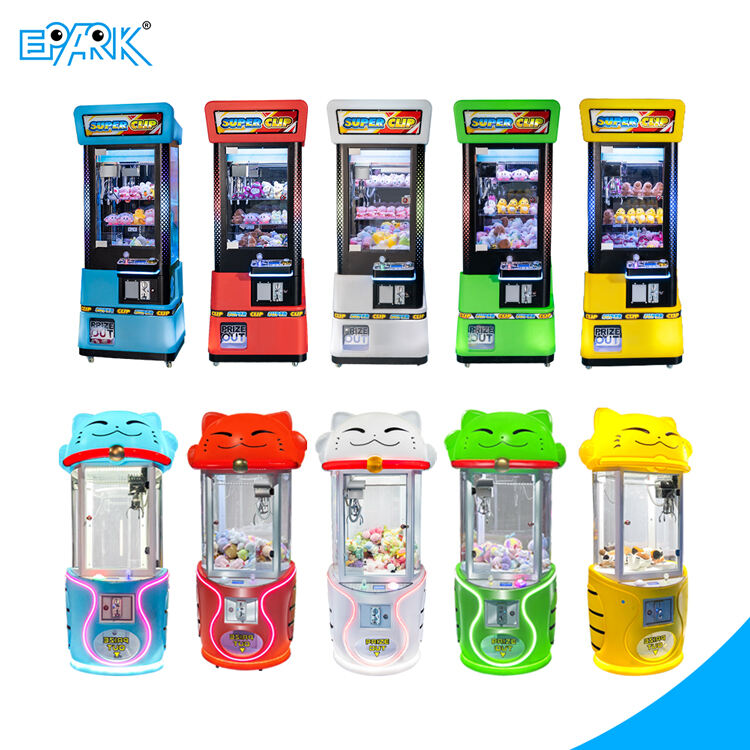
When claw machines offer prizes that match what people expect to find at a particular location, they tend to bring in about 23% more money overall. For example, movie themed plush toys in cinemas can earn around $12.50 per hour compared to just $8.20 for those boring old generic stuffed animals nobody really wants. The look of these machines makes a big difference too. Family entertainment centers see way more kids and parents playing with cartoon character themed claw games, sometimes as much as 71% more activity according to reports. Teenagers seem drawn to the fancy LED lights on certain models, showing up 64% more often than not (as noted in the Family Entertainment Center Report for 2023). Most experienced operators keep between 45 and 60 different prizes available at any given time because players get bored if there's nothing new to grab after a while.
Cost vs. Performance: Why Simpler Claw Machines Often Deliver Better ROI
Machines that have simpler mechanical designs and fewer moving parts can cut down on yearly maintenance expenses by around $2,300 per unit when looking at them against more sophisticated models. The basic versions run smoothly most of the time too, clocking in at about 92% uptime while those fancy AI equipped ones only hit around 78%. That means businesses get roughly 200 extra plays each month from the straightforward machines. Looking at real world numbers across the industry, three player units where customers can clearly see prizes tend to pay back their initial cost about 41 days quicker than complicated six claw systems. When it comes down to what actually makes money in busy spots like arcades or malls, reliable operation turns out to be worth far more than all the bells and whistles manufacturers try to sell.
Optimal Placement and Venue Fit for Maximum Foot Traffic
Strategic claw machine placement drives 68% higher revenue in venues with natural customer dwell times, according to operator data from high-performing locations. Proper positioning transforms casual foot traffic into consistent plays by aligning with visitor behavior patterns.
Best Locations: Malls, Cinemas, Restaurants, and Family Entertainment Centers (FECs)
Four venue types dominate claw machine profitability:
- Malls: Machines near food courts generate 22% more plays due to extended family dwell time
- Cinemas: Pre-show wait areas see 35% higher engagement than lobby corners
- Family restaurants: Units near waiting areas convert 1 in 3 customers during peak dining hours
- FECs: Cluster placements with redemption counters boost repeat plays by 40%
A 2023 amusement industry study found venues combining these placements achieve 18-month ROI 27% faster than isolated installations.
Case Studies: Revenue Impact of Strategic Claw Machine Placement
One regional movie theater group saw their arcade cash flow jump over 60% when they moved those claw grabbers from the back wall right into view of people waiting in line for tickets. Another spot near Orlando actually made three times as much per day from these machines once they were placed between the bumper car area and where folks collected their prizes, taking advantage of where crowds naturally gather. Industry insiders have noticed something interesting too: when operators put these games about three to five feet off the ground, players try them out almost 20% more often regardless of age group. The tough ones sitting in busy spots need way less fixing compared to machines stuck on the edges of the building. These central locations tend to stay cleaner because there's better air flow and less dust settling on them over time.
Matching Claw Machine Types to Venue Size and Audience
Arcade-style vs. toy-style machines: Target audience and revenue potential
The numbers from arcade operators in 2023 show that traditional claw machines bring in about 23% more money per hour at busy spots like movie theaters and shopping centers than their toy counterparts. These older style machines have that retro feel and require actual skill, which draws in teens and grownups ready to spend extra bucks for a challenge. Meanwhile, the ones filled with soft toys work wonders at places catering to families or restaurants. Most kids playing there are under twelve according to recent research, so it makes sense why parents would prefer these gentler options for their little ones.
Single-player vs. multi-player configurations for throughput efficiency
While single-player claw machines dominate 89% of small venues (under 1,000 sq ft), multi-player setups increase hourly customer capacity by 40% in large arcades. A dual-station machine processes 22–28 players per hour versus 12–15 for single units, a critical advantage in venues averaging 200+ daily foot traffic.
Investment scale: Choosing setups based on venue size and traffic
Entry-level operators achieve break-even within 6 months using 2–3 compact machines ($1,800–$2,500/unit) in 500 sq ft cafés. Mega entertainment complexes require $15,000–$25,000 clusters of 8–12 premium units, but generate $300–$550 daily revenue per machine according to 2024 FEC performance reports.
Technology and Innovation Enhancing Claw Machine Profitability
Smart Payments, IoT Integration, and Remote Management Features
Today's claw machines have started accepting contactless payments through smartphones and mobile wallets, which makes transactions much smoother for players. According to recent data from the Amusement Industry Report in 2023, this change actually gets people playing more often too - somewhere around 18 to 22 percent more than when machines only took cash. The newer models come equipped with IoT technology that lets arcade owners keep track of important numbers like how much money comes in each hour and what prizes are left on hand, all without needing to be physically present at the machine. And there's another benefit nobody talks about enough: remote diagnostic systems can spot problems with gears or motors long before they start messing up the game experience, saving quite a bit on repair bills over time.
AI-Powered Cranes and Data-Driven Operational Efficiency
The machine learning system behind these machines actually tweaks how strong the claw is depending on who's playing and what time it is. We've noticed families have about a 23 percent better chance of grabbing prizes on busy weekends, whereas adults tend to struggle more when they play late at night. As for restocking those prizes? Well, we look at what's hot right now. If there's a big concert happening nearby or something trending on social media, our system knows to stock up on those specific items people want most. It's pretty smart stuff really, making sure we always have the right prizes available when demand spikes.
Gamification, Themed Designs, and Customer Engagement Strategies
When arcade operators incorporate licensed character themes, they typically notice around a 40 percent boost in how long people stay. This effect is especially pronounced among certain age demographics. Take Japan for instance where anime themed machines beat out standard designs at roughly twice the rate in local arcades. Many businesses have found success with reward structures too. The ones that offer something after every fifth game play tend to keep customers coming back about 31% more often than those without such incentives. And let's not forget about those flashy LED displays showing off live scores and achievements. These visual elements generate tons of spontaneous social media posts from excited players, which naturally promotes the venue without any extra marketing spend.
FAQ
How often should prizes be refilled in claw machines?
Prizes generally need refilling as often as they get expended, which varies based on player success rates and game popularity. On average, most operators refill prizes monthly, adjusting based on venue traffic and claw strength settings.
What revenue can I expect from strategic claw machine placement?
Revenue ranges from $120 to $300 daily per machine, especially when positioned near high-traffic areas like food courts or waiting areas in malls or cinemas. These optimal locations convert casual passersby into consistent players.
Why is claw strength adjustment crucial?
Optimal claw strength strikes a balance between player satisfaction and profitability. Too much strength depletes prizes quickly, while too little leads to decreased repeat plays. Adjustable tension systems help maintain a fair play rate.
How do IoT and AI technologies enhance claw machine operations?
IoT and AI technologies allow arcade operators to track machine performance remotely, optimize claw strength dynamically, and enhance player engagement through tailored prize offerings and smart payment systems, boosting revenue potential.