
 EN
EN


Key Requirements for Virtual Reality Machines in Indoor Theme Parks
Space Efficiency and Footprint Optimization for Compact Venues
Space is always at a premium for indoor theme parks, particularly in city centers where good real estate can run upwards of $200 per square foot each year. That means VR attractions need to be smart about how much room they take up while still delivering an awesome time for visitors. Operators are turning to clever solutions like modular units that can be folded away when not in use, or stacked vertically to save ground space. Take rotating VR pods as an example these can boost customer capacity by around 40% in smaller venues below 800 square feet compared to regular fixed stations. Some parks even install wall mounted headsets with retractable cords which frees up walking space and keeps people from tripping over loose wires. All these design choices matter because they help squeeze more profit out of limited space something absolutely essential for businesses operating in tight quarters where each square foot needs to pay rent.
Hygiene, Safety, and Maintenance Feasibility in High-Traffic Operations
Indoor theme parks with over 500 visitors each day need VR systems that can handle constant use without breaking down. The latest research from the Theme Park Safety Journal back in 2023 showed something interesting about those antimicrobial silicone face masks people wear on headsets. They cut down on germs spreading between guests by around 72% compared to regular foam ones. That makes a big difference when hundreds of kids are jumping into virtual worlds all day long. For maintenance crews dealing with equipment swaps during busy times, quick disconnect cables are lifesavers. Most technicians can replace parts in less than two minutes even when things get hectic. And let's not forget about safety features on motion platforms. Emergency stop buttons should be right where operators can grab them easily, plus automatic weight adjustments help protect workers' backs from repetitive strain injuries. All these little details matter because they keep attractions running smoothly throughout the season while staying compliant with insurance requirements and keeping patrons healthy. After all, nobody wants to deal with closed rides due to maintenance issues or health code violations.
Top Virtual Reality Machines by Attraction Type and Scale
Motion-Synchronized VR Simulators vs. Static 9D VR Chairs
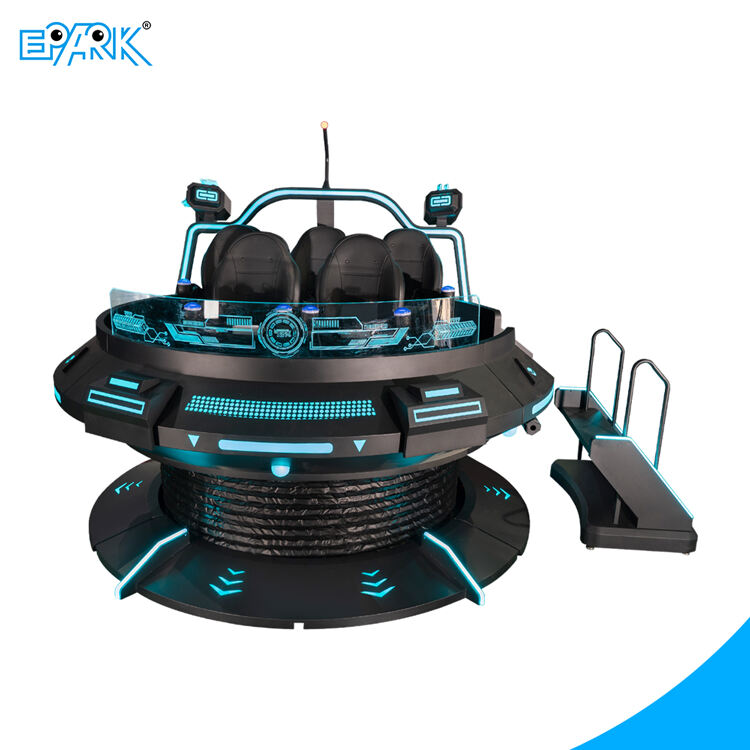
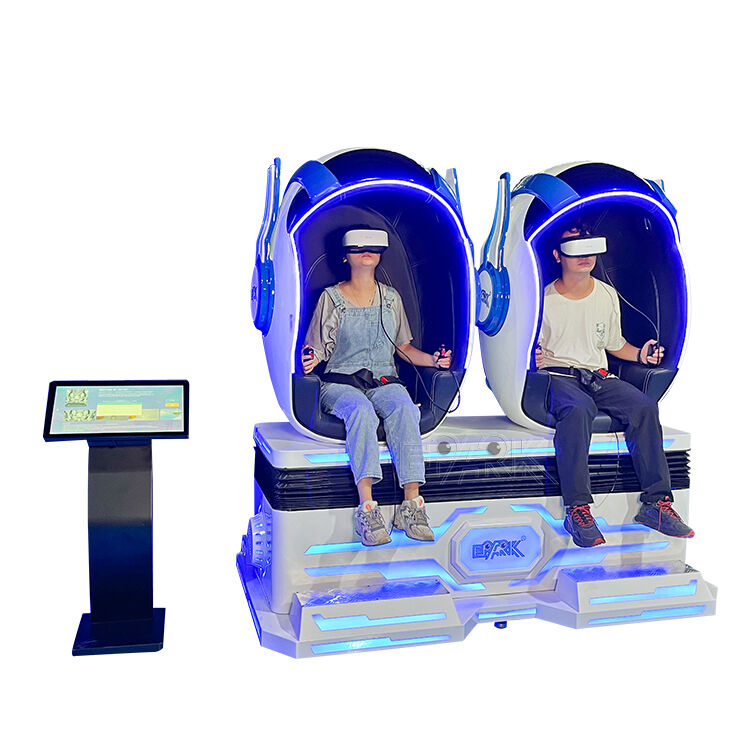
VR simulators that sync with motion typically rely on hydraulics or electromechanical parts to recreate real-world forces such as acceleration, turns, or turbulence. These setups give riders a pretty intense physical experience that really appeals to people looking for thrills. On the flip side, static 9D VR chairs manage to engage multiple senses using smaller equipment. They pack features like wind simulation, vibrations, scents, and tilting into a compact package that doesn't take up much space and lets guests move through quickly. Business owners running attractions with lots of visitors tend to go for these 9D systems because they need less upkeep and generate more money per customer visit. Some research shows operators see anywhere from 20 to 40 percent extra revenue from ancillary sales when using them (Ponemon Institute reported this back in 2023). Although motion-based simulators keep adrenaline junkies hanging around longer, the 9D chairs generally work better economically for places focused on getting lots of customers through the door.
Free-Roaming VR Systems (e.g., Zero Latency) for Group Experiences
Free roaming VR setups like what Zero Latency has going on allow between four to eight people to walk around freely in a real space while everyone sees the same virtual environment together. The wireless headsets combined with motion sensors track bodies in real time so there's basically no lag, which makes working together during story based adventures or fighting against each other feel really smooth. People tend to come back again and again too. Some big names in the VR business say about seven out of ten customers return after their first visit. They think this happens because there's always new content coming out plus friends want to check it out together. The way these VR spaces are built also matters a lot. Operators can rearrange different parts of the arena depending on how big the place is. This helps manage how many people fit inside at once, keeps things moving properly through the space, and still maintains that immersive feeling without making anyone feel cramped.
Real-World Performance: ROI, Scalability, and Operational Benchmarks
Case Studies: VR Coaster GmbH, Falcon’s Vision, and Sandbox VR Deployments
Looking at actual installations shows return on investment depends more on how well systems fit into existing operations than just chasing the latest tech specs. Small spaces saw real gains too: one restaurant chain reported 27% better throughput per square foot after switching to modular headsets. Big operators had even bigger wins, with some entertainment complexes getting guests through doors 42% faster when they adopted free roaming tech. The bottom line? Scalable systems matter a lot. Venues that expect gradual expansion find themselves way ahead if their hardware can grow incrementally without tearing everything apart. Kewaunee Research looked at this stuff closely and found flexible setups save money over time. Maintenance matters for profits too. Cleaner systems mean fewer unexpected shutdowns. Restaurants cutting corners on cleaning protocols saw 19% less downtime according to those 2024 FEC numbers. When figuring out what makes sense financially, don't forget all those hidden costs beyond upfront price tags. Licensing fees, software updates, service contracts... these things add up fast. Most places see their investment pay off within about 18 months once they factor in all these variables.
How to Select the Right Virtual Reality Machine for Your Venue
Picking out the right VR equipment isn't something to rush into. There are really four main things to think about when making this decision: how much physical space we have available, who our customers will be, what kind of experiences we want to create, and whether the system can grow with us over time. For smaller locations, those compact pod systems work great since they only need around 700 square feet each. Larger spaces might benefit from free-roaming setups where people can walk around freely. The age group and interests of our visitors also matter a lot. Families tend to prefer simple interfaces that don't require complicated setup, whereas adventure lovers usually want something with realistic motion effects and intense action sequences. When matching hardware to theme park attractions, motion synced simulators are perfect for creating roller coaster style stories, while multiplayer free roaming options help build community interaction and keep guests engaged longer. Last but definitely not least, go for modular systems built for expansion. These kinds of setups cut down on maintenance expenses by roughly 40% according to recent market research from 2025. Don't forget to look beyond initial purchase price too. Think about how easy it will be to update content later on and whether everything connects properly with existing infrastructure. After all, in today's fast changing world of virtual reality, being able to adapt quickly means happier customers and better bottom line results in the long run.
FAQ
What are the main considerations for selecting a VR machine for a theme park?
When selecting a VR machine for a theme park, it is crucial to consider the available physical space, target customer demographic, desired experiences, and the potential for system scalability.
What types of VR systems are best for small venues?
For smaller venues, compact pod systems or static 9D VR chairs are recommended as they save space and allow for increased guest throughput.
How do free-roaming VR systems enhance group experiences?
Free-roaming VR systems enhance group experiences by allowing multiple users to move around a real space together, experiencing the same virtual environment, which encourages repeat visits and group engagement.
How does proper maintenance impact the performance of VR machines?
Proper maintenance reduces downtime due to technical failures, ensuring VR attractions remain operational and compliant with health and safety regulations.