
 EN
EN
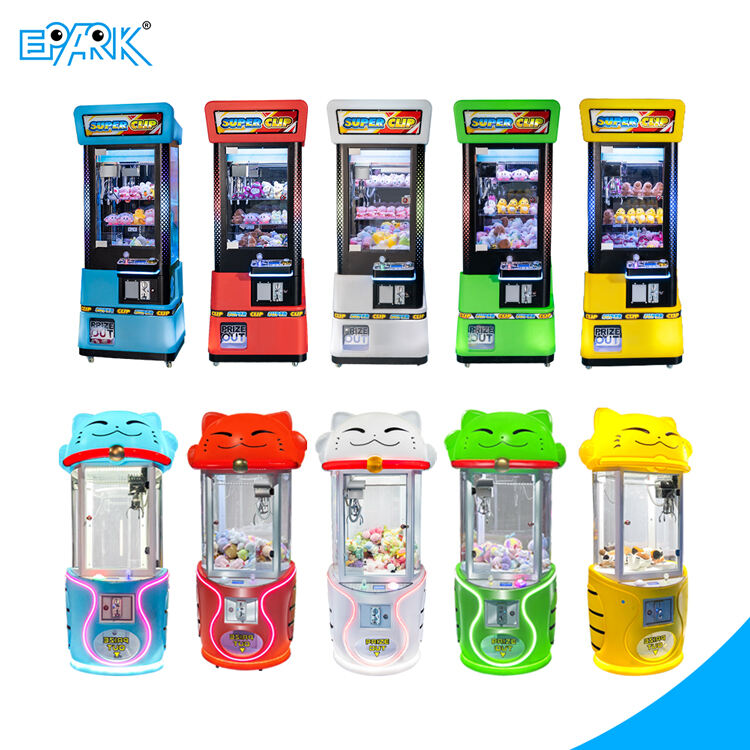


Space-Smart Claw Machine Types for Compact Arcades
Front-Drop, Three-Arm, and Mini Claw Machines Compared by Footprint and Player Flow
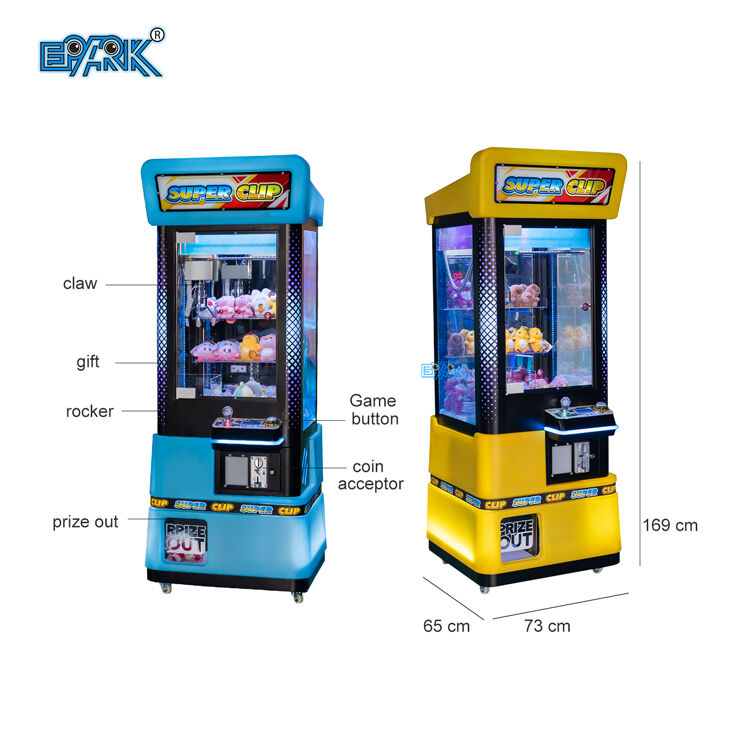
The front drop claw machine model, usually around 90 by 80 by 210 centimeters, has prizes that drop right in front so they can be placed close to walls without taking up much floor space. This setup lets players come and go quickly between games. Then there are three arm versions which take up a bit more room at approximately 100 by 100 by 220 cm, but these handle several players at once making them great for busy spots like shopping mall food courts where having lots of people try the game means more money for operators. Mini claw machines under 80 by 70 by 170 cm work well in small spaces such as store aisles or building entrances. However, because they're so small, the prizes aren't always easy to see clearly from a distance, and this affects how valuable they seem to potential players. People might pass by these smaller machines even though they save space simply because the prizes don't stand out enough.
| Machine Type | Space Savings | Player Throughput | Venue Fit |
|---|---|---|---|
| Front-Drop | High | Moderate | Wall-adjacent locations |
| Three-Arm | Moderate | High | Central high-traffic areas |
| Mini | Highest | Low | Entryways/narrow spaces |
A 2023 amusement industry survey found three-arm units generated 40% more plays per hour than mini machines in food court settings—confirming that strategic spatial allocation delivers stronger returns than minimal footprint alone.
Why 'Smaller' Claw Machines Don't Guarantee Better ROI—A Reality Check
The small claw machines usually don't do so well money-wise, not really because they're tiny but for three main reasons that go hand in hand. First off, there's just not much variety in what people can win, which makes them less appealing overall. Then we have all those constant refills needed, costing businesses extra cash since staff members end up checking these machines about 2.5 times more each week compared to regular ones. Plus, these compact versions tend to break down faster when used constantly, leading to more problems over time. Looking at actual numbers from family entertainment spots tells us something interesting too: miniature claw games get played around 37% less per day than their bigger counterparts. So it seems folks care more about what they might actually grab and whether the machine works reliably rather than how big or small the box looks. When thinking about fixing this issue, focusing on things like MTBF, which stands for Mean Time Between Failures, becomes super important. According to industry standards set by IAAPA, machines equipped with smart maintenance features cut losses from breakdowns down by roughly 22%, making a real difference in bottom line results.
Claw Machine ROI Drivers in Low-Footprint Venues
Break-Even Analysis: Prize Cost, Ticket Payout, and Revenue per Play
Small arcades are all about making each square inch work hard for its keep, so break even analysis isn't just important it's absolutely essential for survival. Arcade operators need to keep tabs on several key factors when running their games. First there's the cost of prizes themselves what does it actually cost to give away those toys or trinkets? Then we look at ticket payouts if the game uses a redemption system at all. And finally, how much money comes in per play session typically between fifty cents and two bucks depending on where the arcade is located and how they price things. Take a standard machine rented for around $350 a month. If the average prize costs thirty cents and each play brings in a dollar, someone needs to get about 500 plays out of that machine every month just to pay for basics like power bills and location fees. For smaller spaces below 1,000 square feet where foot traffic can be unpredictable, going with cheaper but more numerous prizes priced anywhere from ten to twenty five cents really helps shorten that break even period. Keeping close watch on all these numbers makes sure the business stays profitable while not wasting precious floor space on games that aren't pulling their weight.
Smart Claw Machines: 22% Higher Uptime & 37% Fewer Service Calls (2023 IAAPA Data)
The smart claw machines really stand out when it comes to return on investment, especially in smaller spaces where every square foot matters. According to some recent numbers from IAAPA in their 2023 report, these newer models actually stay running about 22 percent longer between problems compared to old school machines, plus they need servicing roughly 37 percent less often. What makes them so reliable? Well, built-in diagnostic systems can spot issues with calibration drifting off track or sensors acting funny long before anything breaks down completely. And there's also this neat predictive maintenance feature that watches how much wear happens to all those moving parts like motors, gears, and yes even the claws themselves. Arcade owners know all too well how expensive it gets when machines go offline during peak hours. We're talking anywhere from $50 to over $100 just sitting there doing nothing each hour. So having technology that keeps these games operational gives operators peace of mind and helps keep money flowing into the register instead of disappearing down maintenance holes.
Essential Features for Operational Efficiency and Player Retention
Cashless Payments, Remote Monitoring, and Predictive Maintenance
Getting operations running smoothly makes all the difference for profits in those tight arcade spaces where every square foot counts. Going cashless means no more dealing with stuck coins and faster checkouts, something that matters a lot when there's barely room for lines to form. With remote monitoring, operators get instant notifications about low prizes, broken claws, or connection problems. This cuts down on how often staff need to manually check machines by around two thirds. The predictive maintenance stuff works pretty cleverly too. Machines have built-in sensors that can spot parts wearing out before they fail completely, so technicians can fix things during slow times instead of disrupting business. According to the 2023 IAAPA report, arcades using these systems see about 22 percent better machine availability and cut service requests by nearly 40 percent overall. Makes sense really - keeping games working without constant interruptions helps maintain both operational efficiency and customer satisfaction.
Prize Strategy and Difficulty Tuning for Sustained Engagement
Low-Cost, High-Perceived-Value Prizes Optimized for <1,000 sq ft Arcades
Prize selection is a high-leverage decision in compact arcades: it shapes perception, influences dwell time, and directly affects margin. Focus on small, emotionally resonant items that maximize desirability without demanding storage. Proven performers include:
- Exclusive miniature plush toys, especially limited editions that spark urgency
- Trend-aligned accessories, such as keychains or pins from current pop-culture franchises
- Digital reward codes, which eliminate physical inventory and shipping overhead
Arcades deploying sub-$1.50 prizes with strong perceived value saw 32% longer average play sessions (IAAPA 2023 Research)—a psychological win: players feel they're pursuing attainable luxuries, not gambling on bulk odds.
Balancing Claw Strength and Timing to Retain Casual and Repeat Players
Difficulty tuning is foundational to retention—not just fairness. Programmable claw logic allows operators to calibrate for dual audiences: casual players who need occasional wins to stay engaged, and repeat players seeking mastery. Best-in-class settings include:
- Cycled grip strength, delivering a strong grip every 8–12 plays to sustain hope and momentum
- Adjustable time windows, with 15-second games and ~40% baseline success rate optimizing replay intent
Venues fine-tuning these parameters reported 28% higher weekly return rates. Monthly adjustments—guided by direct player feedback and play-data trends—ensure continued relevance and responsiveness.
Frequently Asked Questions
What are the different types of claw machines suitable for compact spaces?
The primary types include front-drop, three-arm, and mini claw machines. Each has unique advantages based on their space usage and player interaction style.
Why might smaller claw machines not guarantee better ROI?
Smaller machines might see a decreased ROI due to limited prize variety, increased maintenance costs, and the need for more frequent refills.
How does technology influence the performance of claw machines?
Modern claw machines with smart technology have higher uptime and fewer service calls due to advanced diagnostic and predictive maintenance features.
What prize strategy should small arcades adopt?
Focus on low-cost, high-perceived value prizes to increase engagement and maximize profitability in small spaces.