
 EN
EN


Kiddie Rides Boost Revenue and Extend Visit Duration
How pay-per-use kiddie rides increase arcade revenue by 18–25% (IAAPA 2023 benchmark)
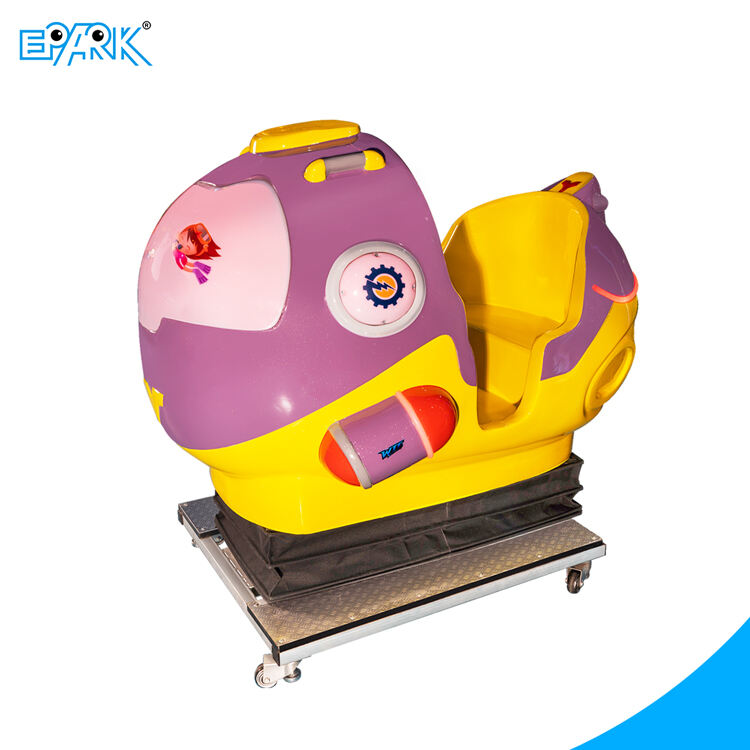
Kiddie rides that charge per use bring in steady money with little overhead since folks just drop coins or swipe cards right there at the machine. According to numbers from IAAPA's 2023 report, arcades offering these kinds of attractions actually make between 18 to 25 percent more overall cash compared to places that don't have them installed. Why? Well, little kids tend to want to go on those rides again and again during their visits, which means more transactions happening naturally. Plus, there's not much need for staff monitoring these setups most of the time. For operators looking to maximize returns on their entertainment dollars, these pay-as-you-go rides really stand out. They turn short visits from families into opportunities for multiple payments, something that keeps coming back week after week when parents bring their children back for another round of fun.
Extending average family visit duration by 37% through child-centered engagement
Family dwell times go up about 37% when venues include kiddie rides because they solve one of the biggest headaches for operators keeping little ones entertained. Toddlers who get their own fun stuff to do in a safe space mean parents stay around longer shopping at stores, grabbing a bite to eat, or trying out redemption games nearby. The best results come from locations that put these rides right next to seating areas or close to food courts since watching kids play becomes part of the whole experience rather than something separate. Parents don't need to constantly check on them which makes everyone happier. And this extra time spent on site translates into more money spent on snacks, games, and all sorts of other attractions throughout the day.
Safety, Compliance, and Parental Trust Drive Adoption of Kiddie Rides
ASTM F2375 Compliance as the Non-Negotiable Foundation for Safe Kiddie Rides
Meeting ASTM F2375 requirements is not optional if an amusement park wants to take safety seriously. This standard requires thorough checks on everything from how strong the ride structure is to whether seat belts work properly, emergency stops function correctly, and what weight limits are safe. Parks that follow these guidelines closely tend to have far fewer injuries than places that don't bother with compliance according to last year's Global Safety Report numbers showing about a 72% drop in incidents. There's another reason parks care about this stuff beyond just following rules. Parents notice when there are official safety certifications posted around the park or special signs indicating proper maintenance. Research suggests that seeing these markers makes most parents feel better about letting kids ride something, with approval rates jumping around 68% higher when such visual reassurances are present.
How Age-Appropriate Design Reduces Parental Hesitation and Increases Dwell Time
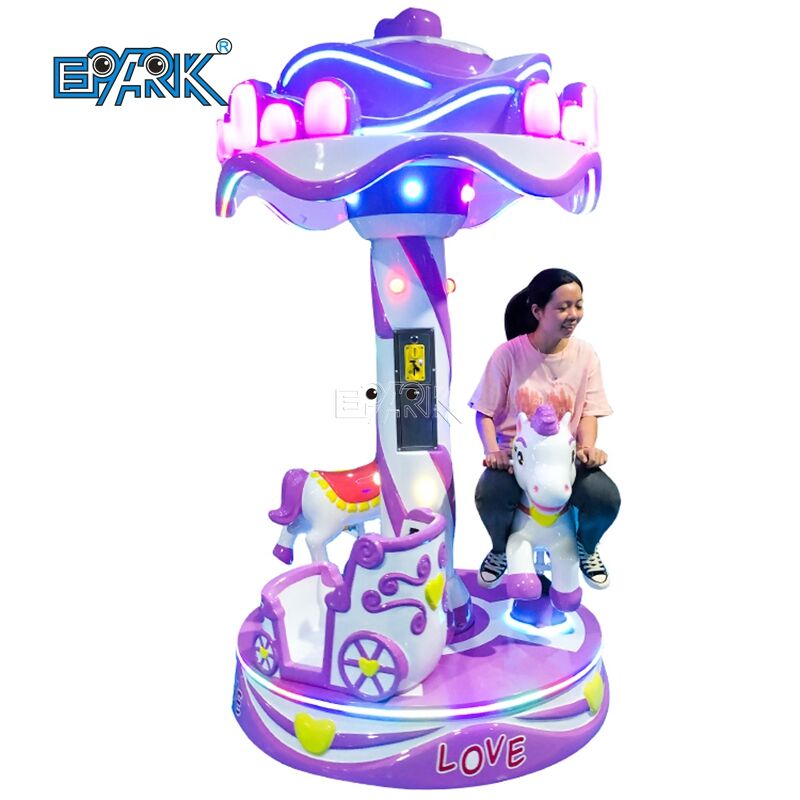
When we design playground equipment around actual developmental stages rather than just general age ranges, kids gain confidence right away. Think about it: shorter platforms so little ones can reach them easily, soft rounded corners instead of sharp edges, simple on/off buttons that make sense to small hands, and safety restraints that fit properly without being too tight or loose. These thoughtful details match what toddlers can actually do physically and understand mentally, which means they use the equipment correctly and don't feel scared all the time. The difference is real. At many family fun parks, parents who tell their children these rides were specifically made for their growing abilities spend about 40 something percent more time on site. And guess what happens? More time spent equals more money spent at food stands, gift shops, and photo booths naturally, without anyone needing to push extra sales pitches down their throats.
Themed and Interactive Kiddie Rides Strengthen Brand Loyalty and Emotional Recall
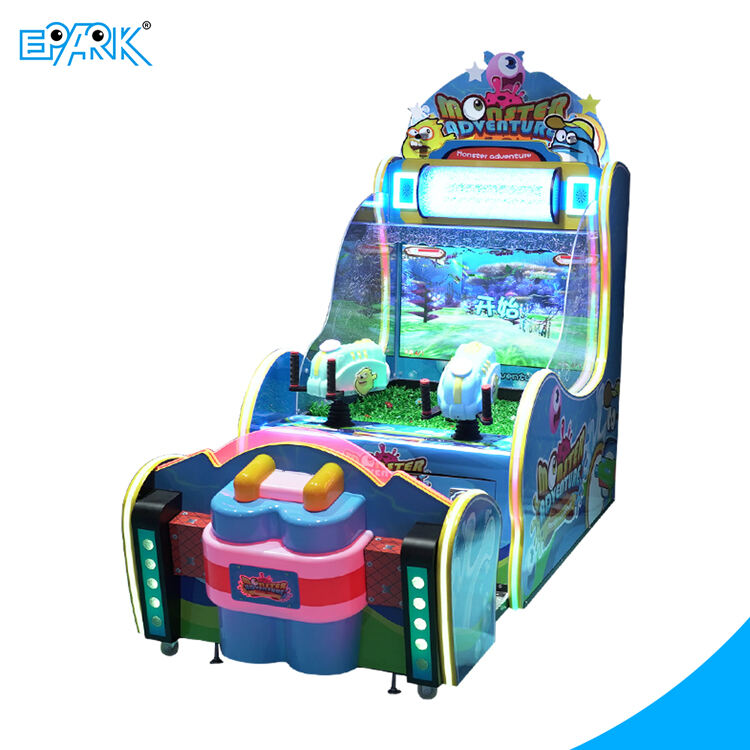
When kids ride themed attractions, they form bonds that last way longer than just a single visit. Stories come alive through animal adventures or superhero quests, creating memories that stick with them for years. Kids remember these moments fondly, which explains why they keep asking to return. Parents notice this pattern too and tend to pick places where happy times happen again and again. The rides themselves help build this connection with features like buttons that respond when pressed, sounds that change based on what's happening, and lights that flash at just the right moment to make everything feel special. What starts as fun for little ones often turns into something bigger down the road. Those same kids grow up to be parents who want their children to experience similar joys. Word spreads naturally between families talking about great days out, plus there are all those photos shared online showing off smiling faces at these attractions. All this happens without any need for expensive advertising campaigns.
Strategic Integration: Selecting, Placing, and Maintaining Kiddie Rides for Maximum ROI
Optimal placement near entrances, food zones, and high-traffic corridors
Where we put these rides really matters for how many people actually use them. Putting installations close to main entry points makes all the difference since folks tend to remember what they see first when they walk in. Studies suggest that placing equipment here can boost usage rates around 40 percent compared to hiding them away somewhere nobody sees. Grouping about three to five machines together works wonders near places where people grab snacks or take breaks from shopping. These spots naturally draw attention during slower times when folks might just wander over on a whim. The busy pathways connecting different attractions are gold too. People often stop there for a moment, so having something fun right there gets them to stick around longer. Don't leave rides standing alone either. Combine them with other family friendly stuff like play areas or comfortable seating spots for parents. This creates little community centers within the space that keep families coming back again and again.
Maintenance best practices and uptime optimization for consistent revenue generation
Revenue streams stay steady when rides stay running, and keeping them running means sticking to regular maintenance routines. Operators should run through their daily safety checklist looking at restraint systems, ride surfaces, screens and speakers, plus those coin acceptors and card readers. Writing down what gets noticed helps spot small problems before they turn into big headaches. Getting professionals in for quarterly checkups makes sense too, especially since most facilities follow ASTM guidelines for these inspections. They'll find those worn spots nobody else sees and stop breakdowns before they happen. Having spare parts like replacement motors, sensor modules, and harness buckles ready on site cuts repair time dramatically for most common issues. Looking at how often each ride runs throughout the day gives clues about busy periods. Smart operators plan major cleaning jobs, software updates, and part swaps during slow times when nobody's waiting in line. All this careful planning keeps attractions operating reliably around 95% of the time, which means happy customers and money coming in consistently from ride tickets.
FAQ Section
How do kiddie rides increase arcade revenue?
Kiddie rides that charge per use bring steady revenue with minimal overhead, boosting overall income by 18-25% as children are drawn to ride repeatedly, adding to ongoing transaction potential.
What safety standards must kiddie rides meet?
Compliance with ASTM F2375 is crucial, as it forms the foundational safety standard, ensuring the structural integrity and proper functioning of kiddie rides, significantly reducing injury incidents.
How does the design of kiddie rides influence parental trust?
Age-appropriate design and visual safety assurances such as safety certifications increase parental confidence, encouraging longer on-site dwell time.
Why is the placement of kiddie rides important?
Strategic placement near entrances, food zones, and high-traffic areas naturally increases their usage and extends visitor time on-site, enhancing revenue generation.
What maintenance practices should be adopted for kiddie rides?
Consistent upkeep involves daily safety checks, scheduled professional inspections, and having spare parts on hand to ensure optimal uptime and revenue consistency.