
 EN
EN


Profitability Drivers: How Virtual Reality Machines Boost Arcade Revenue
Premium Pricing and Higher Margins per Session
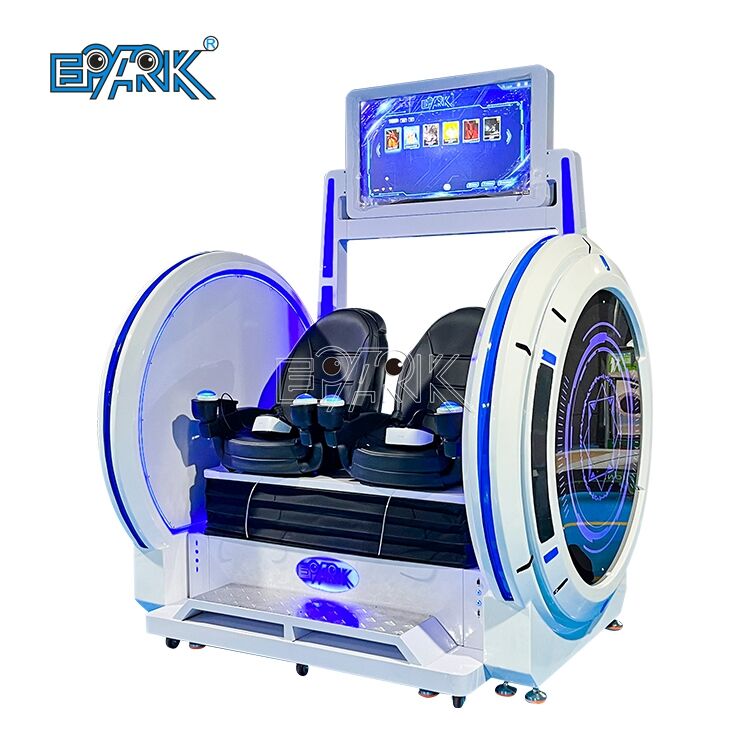
VR machines definitely cost more to play these days. Most arcades charge around $8 to $15 for just 15 minutes, while regular arcade games only run about $1 or $2. That's roughly 3 to 5 times the price difference, but people keep coming back because nothing else offers quite the same level of immersion and excitement as virtual reality does. Business owners who operate these setups see their profits jumping by somewhere between 40% and 60% per session compared to old school game cabinets, so the extra investment pays off pretty quickly. And since most folks still can't get top quality VR experiences at home right now, arcades maintain that pricing edge where customers are willing to pay extra for something they simply cannot replicate elsewhere.
ROI Timeline and Revenue Impact Compared to Traditional Arcade Games
Virtual reality setups bring in around $450 to $700 each year for every square foot they occupy, which is way more than what old school arcade machines manage at about $100 to $300 per square foot. Looking at the numbers from across the industry, most VR installations pay back their initial cost in just four to six months, while traditional gaming machines take anywhere from twelve to eighteen months to break even. Take a look at actual operations: one VR spot can handle thirty or more sessions a day when charged at ten bucks apiece, translating to well over nine thousand dollars in monthly income. Compare that to something like an old fashioned fighting game machine getting fifty plays a day at a dollar fifty each, barely making it to two thousand three hundred dollars a month. The math really tells the story here about how much better VR performs when it comes to making money fast and efficiently using space.
Flexible Monetization Models: Pay-per-Session, Bundles, and Revenue Share
Operators leverage adaptable monetization strategies to maximize yield:
- Pay-per-session: Serves walk-in demand with clear, frictionless pricing
- Bundled packages: Multi-session or group passes (e.g., $45 for 4 players) lift average spend by 25–40% and fill off-peak hours
- Revenue sharing: Partnerships with VR content developers reduce upfront licensing costs while aligning incentives for fresh, high-engagement experiences
This flexibility outperforms rigid coin-operated models—and enables dynamic pricing tied to time-of-day, group size, or special events.
Customer Experience Transformation: Why Virtual Reality Machines Attract and Retain Players
Immersive Engagement vs. Legacy Arcade Attractions
Virtual reality machines create experiences that involve all the senses and make people actually feel present in another world. Instead of just pressing buttons, users walk around, solve problems in space, and get physical feedback from their actions. People tend to spend way more time on these VR setups compared to old school attractions like pinball machines or driving simulators. The Entertainment Software Association reported something like a 40% increase in session length back in 2023. When folks get really engaged like this, what starts as a quick stop becomes something memorable. We've seen customers come back again and again after having those kinds of immersive experiences, and they often tell friends about them too.
Social Multiplayer and Group Experiences Driving Word-of-Mouth and Repeat Visits
When people team up for virtual reality missions, what was once solo gaming becomes a live social event. Players talk strategy over voice chat, move together through digital worlds, and cheer when they win as a group. The arcades that focus on booking groups rather than individuals see their repeat customers go up by three times compared to places where folks just come alone. About two thirds of gamers naturally post videos or pictures from these sessions online. This organic sharing creates marketing magic at almost no cost, transforming regular customers into genuine supporters of the brand who actually believe in what they're promoting.
Operational Advantages of Virtual Reality Machines in Arcade Environments
Space Efficiency, High Throughput, and Low Staff Dependency
VR stations pack a lot into small spaces. They take up about 30 to 50 percent less floor area compared to regular arcade cabinets, yet can handle between four to eight players at once thanks to their multiplayer capabilities. Most arcades run 15 minute sessions back to back, which means operators can get around 12 to 20 customers through each hour. This keeps money coming in consistently throughout the day. The machines come with built-in payment options and easy setup processes so that more than 9 out of 10 visitors can just walk up and start playing without needing help from staff. That cuts down on labor needs significantly, sometimes saving as much as 40% on personnel expenses. Plus, remote troubleshooting features and online content updates mean fewer breakdowns and less time spent fixing problems. For arcade owners looking for reliable returns on investment, VR equipment stands out as particularly robust against operational challenges.
Future-Proofing the Arcade: Virtual Reality Machines as Strategic Growth Levers
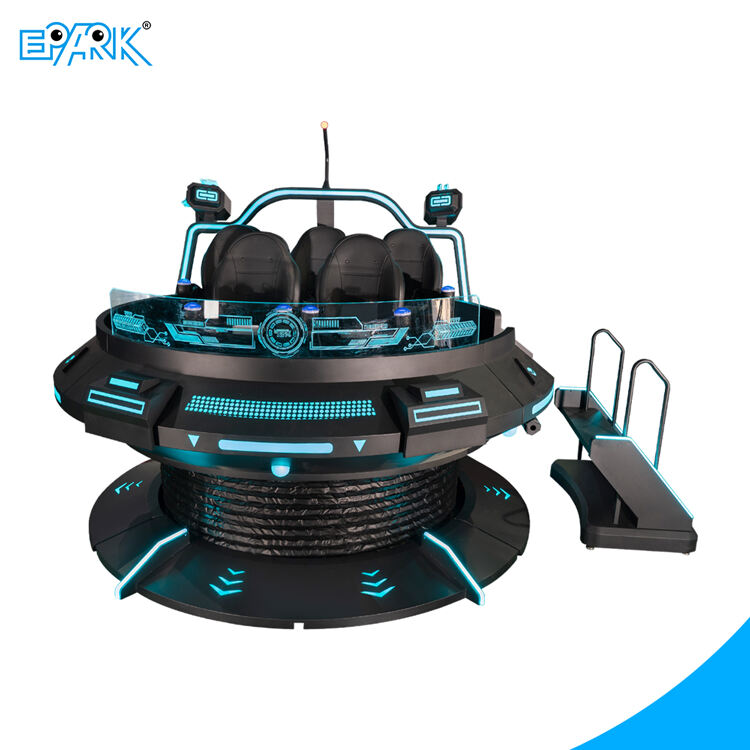
VR machines have moved beyond being just another gimmick in arcades. They represent something much bigger for businesses wanting to stay relevant in the long run. With customers now looking for mixed reality experiences that blend both physical and digital elements, virtual reality gives arcade owners real flexibility. Operators don't need to swap out entire systems when they want to introduce fresh titles, tweak game difficulty settings, or launch new multiplayer features. All this happens through software updates alone. The cost savings are significant too since equipment lasts longer before needing replacement. What makes VR particularly exciting is how easily it can incorporate new tech developments. Think about adding AR overlays, creating story-driven environments based on specific locations, or even integrating heart rate monitors to enhance gameplay. Arcades embracing VR aren't just keeping pace with industry changes; they're positioning themselves at the forefront of entertainment evolution. Places like these become more than just spots for quick gaming sessions—they turn into full blown experiential destinations where communities gather and connect over shared adventures.
FAQs
Why are VR machines more profitable than traditional arcade games?
VR machines attract higher session prices, bringing in more revenue per square foot and enabling faster ROI compared to traditional games.
How do VR arcades keep players engaged?
Through immersive experiences and social multiplayer options, VR arcades enhance engagement levels and encourage repeat visits.
What operational advantages do VR machines offer?
They are space-efficient, require less staff intervention, and include features for remote troubleshooting, making them cost-effective to operate.
Table of Contents
- Profitability Drivers: How Virtual Reality Machines Boost Arcade Revenue
- Customer Experience Transformation: Why Virtual Reality Machines Attract and Retain Players
- Operational Advantages of Virtual Reality Machines in Arcade Environments
- Future-Proofing the Arcade: Virtual Reality Machines as Strategic Growth Levers
- FAQs