
 EN
EN


The Competitive Engine: Leaderboards, Real-Time Multiplayer, and Social Rivalry
How racing arcade machines leverage public leaderboards to drive repeat engagement
Leaderboards turn solo gaming sessions into ongoing social competitions. When people see those high scores and fastest lap times displayed publicly, it gets their competitive juices flowing. Many gamers check back often just to see if they can move up the ranks, something that actually boosts daily user activity by about 30% according to NACS research from 2022. The ghost car feature lets racers battle against digital versions of their own previous runs, giving them real goals to shoot for and beat. Arcade owners have noticed this works especially well in physical locations where around two thirds of players bring friends along to watch, creating all sorts of friendly rivalries as folks try to outdo each other. Adding different reward levels and resetting rankings periodically keeps people coming back over time, helping them work their way through various skill brackets without getting bored.
Real-time multiplayer modes: turning solo play into impromptu head-to-head challenges
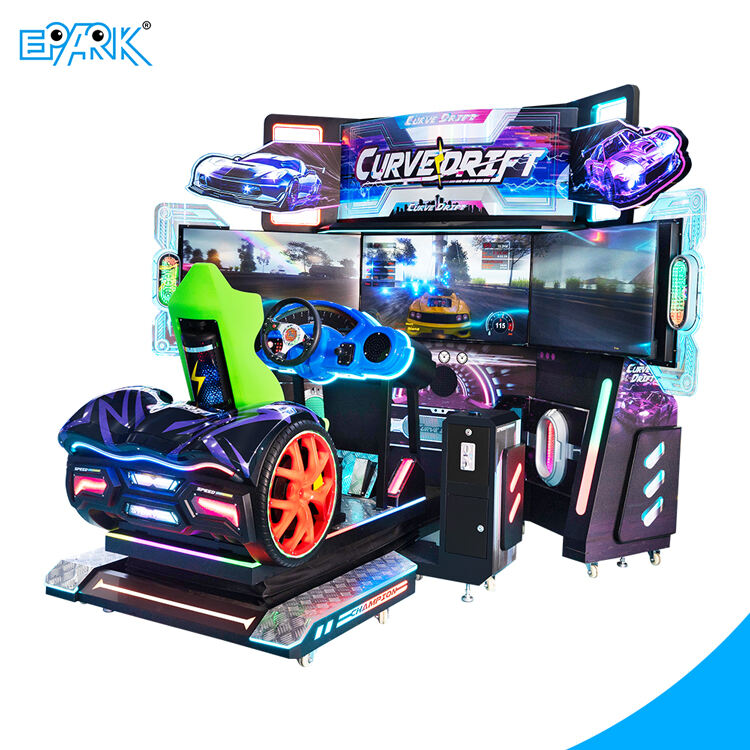
Arcade cabinets connected through networks have changed how people play racing games together, letting them race against each other instantly. The synchronized start lights and split screen views create something similar to what happens at actual motor racing events, turning regular play sessions into intense competitions where winners are determined on the spot. Arcade owners notice this makes money too. About seven out of ten operators say they make more cash from these multiplayer racing machines compared to ones where only one person plays at a time. When players sit next to each other, they can watch what their opponent does during the race - like when they brake hard or take different lines around corners. This kind of face-to-face interaction creates learning moments that online platforms just cant provide. Studies looking at competitive gaming show that being physically present with others increases engagement threefold because younger gamers really want those shared experiences that come from playing side by side rather than alone on screens.
Skill-Based Engagement: Fast Onboarding, Progressive Mastery, and Neurological Rewards
Racing Arcade Machine Design Principles That Balance Accessibility and Depth
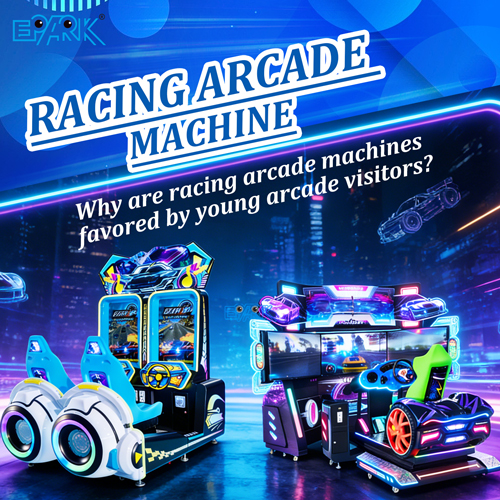
Today's racing arcade machines make it easy for anyone to jump right in. Simple steering wheels, pedals that respond just right, and those helpful racing lines on screen help new players feel good about themselves almost instantly. But there's more going on under the surface than meets the eye. The physics of how cars handle weight shifts are pretty detailed, some setups let folks switch to manual gears if they want extra challenge, and computer controlled opponents get smarter as drivers improve their skills. The system adjusts itself automatically so novices don't get discouraged but experienced racers can still chase those tiny fractions of a second improvements. This mix keeps people coming back for both casual enjoyment and serious competition.
Dopamine-Driven Feedback Loops: Near-Miss Braking, Lap-Time Improvements, and Haptic Reinforcement
The brain gets hooked on rewards when playing games. When players just miss crashing into something or manage to cut fractions of a second off their lap time, it actually releases dopamine in the brain, which makes them want to keep trying harder for real results. Steering wheels that vibrate when tires start to slide around corners, and seats that shake during close calls all create this intense feeling of almost failing but not quite. The sounds matter too – engines rev higher as cars speed up, letting players know they're making progress. All these different senses working together create addictive patterns where every game session makes someone crave just a little better performance next time. What starts as simple fun turns into something deeper – an ongoing battle between getting better and enjoying the satisfaction of small victories.
Tactile and Sensory Immersion: Why Racing Arcade Machines Outperform Screen-Only Alternatives
Physical controls, motion seats, and spatial audio as key differentiators for Gen Z
Gen Z gets hooked on racing arcades because they offer something flat screens just can't match: real physical interaction. The steering wheels that vibrate when hitting curbs and pedals that respond to foot pressure create sensations similar to what happens behind the wheel of an actual car. Arcade seats move around during turns and rumble when crashing into barriers, making players feel like they're really there. Sound systems make engines roar from one side to another across the room, tires screech as if right next to the player's ear during tight corners. All these combined senses help people remember their experiences better than regular video games ever could. Younger gamers want genuine experiences where they can touch and feel things, not just watch them happen. That's why arcades keep bringing them back again and again despite all the home gaming options available today.
Social Architecture: Shared Space, Spectator Energy, and Community Formation
How physical proximity and visible performance fuel organic tournaments and peer learning
When friends gather around a console or track together at an arcade, what starts as solo gaming turns into something shared. Players sitting next to each other can see everything happening in real time. Lap times pop up on screen, cars drift at angles that stand out, and when someone hits the nitro boosters, everyone hears it. The competition gets intense without anyone asking for it. People watching start comparing who's faster, who makes better turns. After seeing someone break a personal best or nail those tight corners perfectly, others just naturally want to jump in and try to beat them. It happens all the time at local racing events.
What makes this setup so effective is how people learn just by being around others. New folks pick up tricks they wouldn't find in any manual really. They watch seasoned players handle those tricky braking spots or nail those perfect turns at the apex. The social aspect kicks in too. When someone does a flawless lap, everyone claps and cheers. But when things go wrong and someone crashes? There's always that collective groan from the group. These reactions stick with people somehow, making them remember what worked and what didn't. After a while hanging out like this, people who only came once start showing up more often. And before long, those regulars become the ones everyone looks to for advice or company at events.
| Design Element | Community Impact |
|---|---|
| Visible Screens | Enables real-time skill assessment |
| Adjacent Seating | Facilitates impromptu challenges |
| Shared Audio/Visual | Amplifies collective reactions |
These principles illustrate how intentional spatial design cultivates competitive ecosystems. Physical proximity lowers barriers to entry for tournaments, while transforming individual achievements into communal milestones—turning every race into both a personal test and a shared celebration.
FAQ Section
What are the benefits of using leaderboards in arcade racing games?
Leaderboards encourage ongoing competitions among players by displaying high scores and lap times, which motivates gamers to return and attempt to climb the ranks. This boosts user engagement significantly.
How do real-time multiplayer modes enhance the racing arcade experience?
Real-time multiplayer modes allow players to compete head-to-head, creating intense competitions and social interactions. This face-to-face setup enhances learning and engagement, making it more profitable for arcade operators.
Why do tactile controls and sensory immersion matter for arcade racing games?
Tactile controls and sensory immersion provide a more physical and engaging gaming experience than screen-only options. This appeals particularly to Gen Z, who value genuine sensory experiences.
How does social architecture impact the community in arcade settings?
Social architecture fosters community formation by enabling shared gaming experiences. Visible screens and adjacent seating facilitate organic tournaments and peer learning, turning individual accomplishments into communal milestones.
Table of Contents
- The Competitive Engine: Leaderboards, Real-Time Multiplayer, and Social Rivalry
- Skill-Based Engagement: Fast Onboarding, Progressive Mastery, and Neurological Rewards
- Tactile and Sensory Immersion: Why Racing Arcade Machines Outperform Screen-Only Alternatives
- Social Architecture: Shared Space, Spectator Energy, and Community Formation
- FAQ Section