 EN
EN
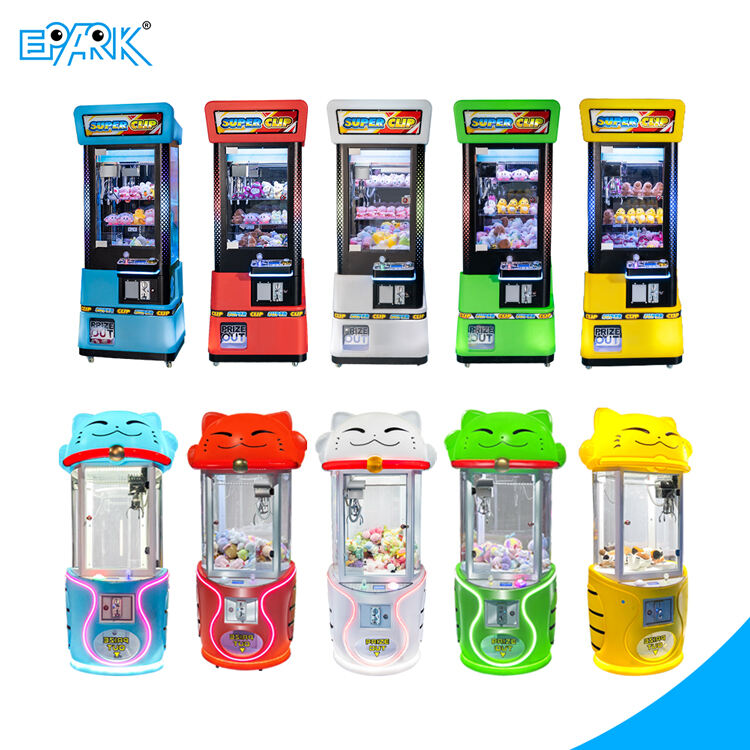


The Psychology Behind Claw Machine Engagement
Near-miss effect and the 'one more try' compulsion
The claw machine's near miss effect happens when the mechanical claw actually grabs hold of a prize only to drop it just before it reaches the winning slot. These almost wins aren't accidents either. Game designers program them specifically to create the illusion of progress, making players think victory is right around the corner. Studies on brain activity reveal something interesting about these near misses. They light up parts of the brain linked to rewards almost as much as real wins do. This neurological reaction explains why people keep playing even after losing. Research suggests folks tend to spend about three times more money after getting one of these close calls. Machine operators carefully adjust how often these near misses occur so players stay interested without getting too frustrated by constant failures.
Dopamine feedback loops fueled by intermittent rewards
What makes claw machines so addictive? It's all about those unpredictable wins that light up our brains with dopamine. When rewards come at random intervals rather than on schedule, they create these little bursts of excitement that keep us coming back for more. People tend to ignore how much money they're losing because their brain is fixated on that next big win. Our minds just can't help but focus on what might happen next, particularly when there's some chance it could actually happen soon. Arcade owners know this trick well. They set the odds somewhere around one out of every fifteen to thirty tries. That sweet spot keeps folks playing longer since the prizes feel close enough to grab but still rare enough to want them badly.
Illusion of skill and perceived control driving repeat play
Most claw machines give players the impression they need skill to succeed. When someone grabs the joystick, times when to let go, and tweaks their strategy based on what's happening inside the glass, it makes them feel like they're actually in control. What happens here is kind of psychological trickery known as the illusion of control. People tend to think their actions make a real difference, but really everything comes down to how the machine was programmed behind the scenes. Studies looking at gambling behavior have found something interesting about this perception of skill. According to these findings, players stick around longer for games where they feel like experts, sometimes up to 68% more than just random luck games. The physical buttons and levers plus all those moving parts we can see through the glass keep reinforcing this idea that our technique actually works. So each try feels like solving a puzzle instead of just hoping for luck, even if deep down we know the odds were set long before anyone ever sat down to play.
Strategic Placement and Environmental Integration
High-traffic clustering to amplify social magnetism and peer influence
Claw machines work best when placed together in busy spots such as amusement parks or around kid friendly areas of shopping centers. When these machines cluster together they become sort of social magnets. People passing by get curious watching others play, hearing their cheers, seeing those almost successful grabs. Newcomers tend to give it a try after watching someone else struggle through several attempts. According to some mall research, groups of claw machines see about 40 percent more people actually playing compared to single machines sitting alone. The whole crowd effect seems to build energy and makes folks feel okay about joining in even if they're not sure how good they'll be at it. What starts as just watching often turns into participation pretty quickly.
Anchor positioning: entrances, food court perimeters, and rhythm-machine zones
Claw machine operators know exactly where to put these games so they catch peoples' eyes at just the right moment. That's why so many end up near building entrances – folks tend to slow down when walking in, especially since their brains aren't fully alert yet after arriving somewhere new. The food courts are another sweet spot for these machines. After finishing a meal, people generally take it easy and browse around, making them three times as prone to try out one of those claw grabs on impulse. Machines placed close to arcade games or ticket booths work wonders too. People standing in line for something else will often wander over to see if they can grab a prize themselves. Basically, smart placement transforms ordinary spots between destinations into gold mines for engagement simply because they match how humans naturally move through spaces.
Prize Strategy: Curation, Rotation, and Social Proof
Demographic-aligned prize selection—from licensed IPs to viral squish toys
The way prizes get picked really depends on who comes through the doors most often. Kids love stuff from their favorite cartoons or movies, teenagers want those hard to find collectibles that everyone talks about, and grown ups tend to go for things that bring back memories or just look funny like old school toys or those squishy stress balls everyone's obsessed with these days. When games feature licensed characters people already know, it creates an immediate bond. And when there are only a few of something available, folks get extra excited about getting their hands on it. Most arcade owners swap out the prizes roughly every two to three weeks so nobody gets bored seeing the same thing over and over again. According to some numbers floating around the industry, changing up what's available actually makes customers come back more often, with studies pointing to around a 23 percent increase in repeat gameplay after rotations happen.
Real-time win visibility and crowd-sourced validation as conversion levers
The clear glass cases on modern claw machines let everyone watch when someone grabs a prize, making winning something people can actually see happen right there in front of them. People walking by notice these successes, especially when the place gets busy around lunchtime or after work. Seeing another person actually get their prize makes folks think maybe they can do it too. Machines that have crowds gathered around them tend to get played about 40% more often than those sitting alone. The energy from other players trying their luck seems to rub off on others nearby, creating this fun competition vibe where everyone wants to give it a shot.
Operator Optimization: Balancing Win Probability and Player Retention
Operators running claw machines walk a tightrope between keeping players entertained and making money. Most machines are programmed so someone wins roughly once every eight to twelve tries. This sweet spot creates just enough excitement without hurting profits too much. If people rarely win they get frustrated fast, but if they win too often, the business starts bleeding cash. The machines come with adjustable settings that let operators tweak things on the fly. For instance, when foot traffic drops off, they might loosen the claw grip slightly to give folks a better chance at grabbing prizes. After someone actually succeeds though, operators usually crank up the difficulty again to stretch out their playing time. Smart operators also ramp up those near misses right after real wins to keep players coming back for more. They watch all sorts of numbers behind the scenes - how long sessions last, how often people try again after losing. All these little adjustments help maintain that delicate balance where machines stay fun to play while still turning a decent profit over time.
FAQ
How do claw machines exploit psychological factors to engage players?
Claw machines use the near-miss effect to create the illusion of progress, dopamine feedback loops through intermittent rewards, and the illusion of skill to make players feel in control, thus engaging them deeply.
Where are claw machines best placed for maximum engagement?
Claw machines are strategically placed in high-traffic areas like entrances, food courts, and busy arcade zones to capitalize on social magnetism and impulse play.
How do claw machine operators optimize prize strategy?
Operators select prizes based on demographic preferences, rotate them frequently to maintain interest, and use real-time win visibility to draw in more players.
What strategies do operators use to balance win probability and player retention?
Operators set win probabilities to keep excitement high while protecting profits, and they adjust machine settings to sustain player interest while ensuring the business remains profitable.