 EN
EN


Driving Foot Traffic and Extending Dwell Time
How coin operated bowling machines convert casual shoppers into engaged visitors
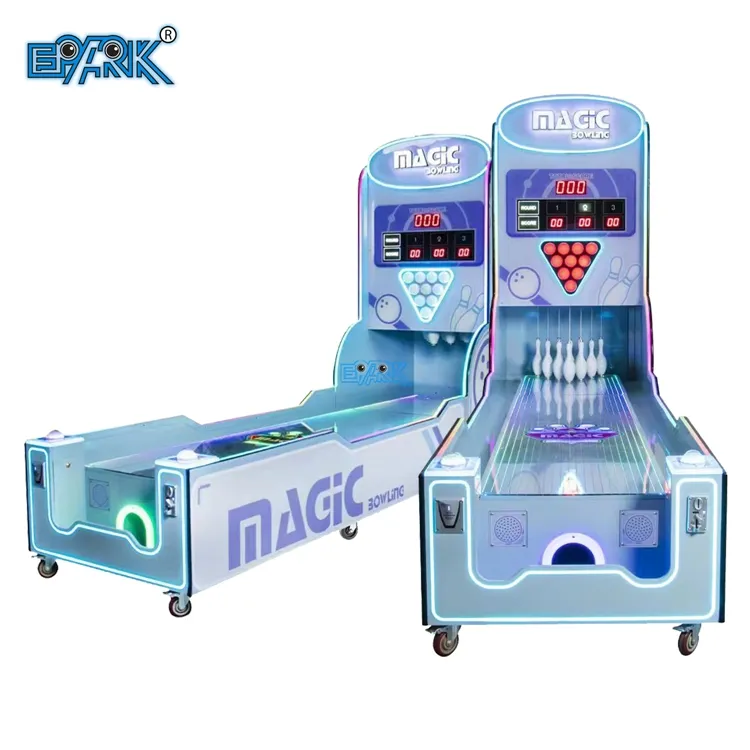
A shopper pausing to insert a coin into a bowling machine shifts instantly from passive browser to active participant. This simple, tactile interaction transforms routine mall visits into memorable moments—and that shift is where dwell time begins to grow. Research shows a 1% increase in dwell time correlates with a 1.3% lift in sales, a direct and measurable benefit for mall operators. As visitors linger to play, they naturally explore adjacent retail and dining options—stores and kiosks they might otherwise walk past. That conversion—from passerby to participant—is the foundational step in unlocking higher per-capita revenue.
The behavioral economics of low-barrier, repeat-play engagement in high-traffic zones
Low cost and instant gratification drive repeat engagement: a single game requires minimal commitment, inviting multiple plays across a visit. This taps into the behavioral principle of variable rewards—the unpredictability of each roll or pin configuration sustains interest without demanding skill or time. Strategically placed in natural chokepoints—food courts, entrance corridors, or near escalators—the machines intercept foot traffic at its highest velocity. Every quarter spent extends dwell time, raising the likelihood of unplanned purchases nearby. For mall operators, this means converting underutilized corridors into self-sustaining engagement hubs—no staffing, no scheduling, no infrastructure overhaul required.
Strong ROI and Space-Efficient Revenue Generation
High-margin, low-labor income from bowling machines versus traditional retail tenants
Coin operated bowling machines deliver exceptional margin efficiency. With typical net margins of 70–80% after electricity and maintenance—far exceeding the 30–50% common among apparel or accessory tenants—they generate significantly more profit per square foot. A major facility management group found that a single machine earning $1,500 weekly from a 25–50 sq ft footprint yields over $30 per square foot per month—double the average for many mall retailers. Crucially, the model eliminates payroll taxes, shift coordination, staff training, and turnover costs. Over 12 months, operating expenses for a bowling machine average just 15% of revenue—compared to 45–60% for a pop-up retail tenant. That combination of high margin, minimal labor, and predictable cash flow makes it one of the most operationally efficient revenue generators available to mall operators.
CapEx and breakeven advantages: 92% smaller footprint and 3.8x faster ROI than full lanes
Full-size tenpin lanes demand heavy capital investment—$80,000 to $150,000 per lane—including lane beds, pinsetters, and installation. In contrast, compact coin operated bowling machines cost $12,000–$20,000 per unit and occupy only 8% of the floor space of a traditional lane. That 92% reduction in footprint allows placement in low-value “dead zones”—like alcoves or corridor ends—without displacing premium tenants. Rent allocation drops accordingly, while per-play revenue remains competitive. More importantly, breakeven occurs in just 6–9 months—nearly four times faster than the 18–24 months typical for full lanes. This rapid payback de-risks investment and accelerates capital recycling, enabling operators to fund additional experiential upgrades without straining budgets.
Aligning with Demographic Preferences and Experiential Retail Trends
Bowling machines as intergenerational anchors—engaging families, teens, and young adults
Unlike many mall attractions limited by age or appeal, coin operated bowling machines serve as true intergenerational anchors. Parents bowl alongside children; teens challenge friends; young adults enjoy the nostalgic yet modern interface of digital scoring and responsive gameplay. The result is shared, low-pressure engagement that keeps multiple demographics onsite longer. Toddlers are captivated by lights and sound, grandparents appreciate accessibility and familiarity, and teens value the social, photo-ready moment—all within the same compact footprint. That broad demographic reach strengthens repeat visitation and increases group-level spending across food, apparel, and services.
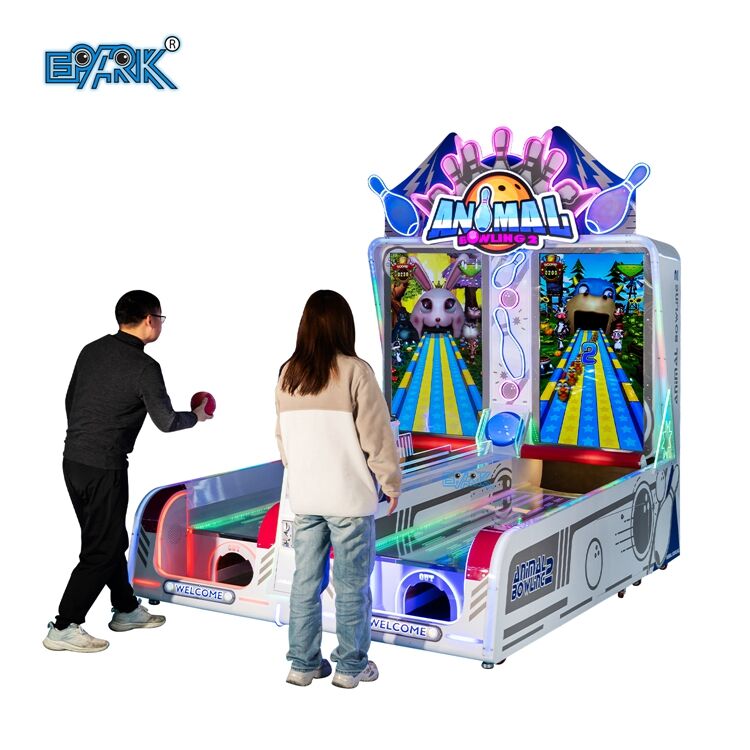
Meeting Gen Z and millennial demand for 'playful pauses' in shopping journeys
Gen Z and millennials increasingly prioritize micro-moments of joy embedded in everyday routines—not destination experiences requiring planning or commitment. A bowling machine delivers exactly that: a $1–$2, 60-second “playful pause” that fits seamlessly into a shopping trip. Positioned near food court seating or store exits, it offers Instagrammable interaction—bright visuals, real-time scoring, spontaneous competition—without disrupting flow. This aligns precisely with experiential retail’s core insight: today’s consumers don’t want to choose between shopping and entertainment—they want them woven together. The machine becomes both a rest stop and a catalyst, turning functional movement through the mall into an intentional, shareable experience.
Strategic Placement to Amplify Ancillary Revenue
Strategic placement of coin operated bowling machines directly lifts sales for adjacent vendors. When positioned beside food courts, beverage kiosks, or high-traffic corridors, the machine converts idle wait times into impulse purchases—parents grab coffee while kids play; teens order snacks post-game. Its compact size (roughly one-tenth that of a full lane) enables seamless integration into underused spaces without impeding pedestrian flow. Behaviorally, the low entry cost invites repeat play, anchoring visitors near concessions for three to five extra minutes per session. Over an hour, that incremental dwell time reliably drives two to three additional beverage or snack purchases per machine. Mall operators consistently report $3–$5 in indirect ancillary revenue for every dollar earned from coins—proving the machine functions not just as a standalone attraction, but as a revenue magnet for the entire zone.
FAQ
1. What makes coin operated bowling machines effective at increasing dwell time?
The tactile interaction and low barrier to entry encourage visitors to participate, turning a routine shopping visit into a memorable experience. This increases dwell time and promotes exploration of nearby stores and services.
2. How do coin operated bowling machines generate revenue for malls?
These machines provide high margins with minimal operating costs. They also indirectly boost sales for surrounding vendors by keeping visitors in the area longer.
3. What are the costs and ROI of these machines compared to traditional bowling lanes?
Coin operated machines cost $12,000–$20,000, require 92% less space, and achieve breakeven in 6–9 months, compared to the 18–24 months typical of traditional lanes.
4. Who can use these bowling machines?
They are accessible to all demographics, from toddlers to grandparents, making them intergenerational attractions that encourage group visits and spending.
5. Where should these machines be placed within malls?
Positioning them near food courts, high-traffic corridors, or escalators maximizes foot traffic and ancillary revenue opportunities.