
 EN
EN


The Rise of Interactive Fitness Technology
From Arcade Machines to Fitness Innovation
Arcade machines aren't just relics of the past anymore they've actually made their way into modern fitness equipment, which is pretty cool when you think about it. These once purely entertaining contraptions now double as workout tools, combining the fun factor of classic games with real calorie burning potential. Thanks to tech improvements over recent years, people no longer see exercise as some boring chore but rather something exciting and interactive instead. Take those boxing simulators for instance they let folks punch virtual targets while getting a decent cardio workout at the same time. This whole shift fits right into the bigger picture of game-like approaches to fitness, where people stick with their routines because they find them interesting enough to keep coming back for more. As fitness gadgets continue growing in popularity, it shows we're all looking for ways to make working out feel less like punishment and more like playtime.
Fitness gaming is taking off big time lately, thanks to cool tech stuff like VR headsets and smart workout gear. People who get bored with regular gym routines are finding new ways to stay active through games that actually make them move. Think about it this way: when workouts include things we already love from our favorite video games competition modes, instant score updates, maybe even some fun challenges exercise becomes something different altogether. It's not just working out anymore it's playing while getting fit. We're seeing more folks gravitate toward these kinds of setups because they want workouts that match their lifestyle rather than follow old school routines. The market keeps growing as manufacturers keep coming up with fresh ideas to blend fitness with fun.
Boxing Machines as a Gateway to Gamified Workouts
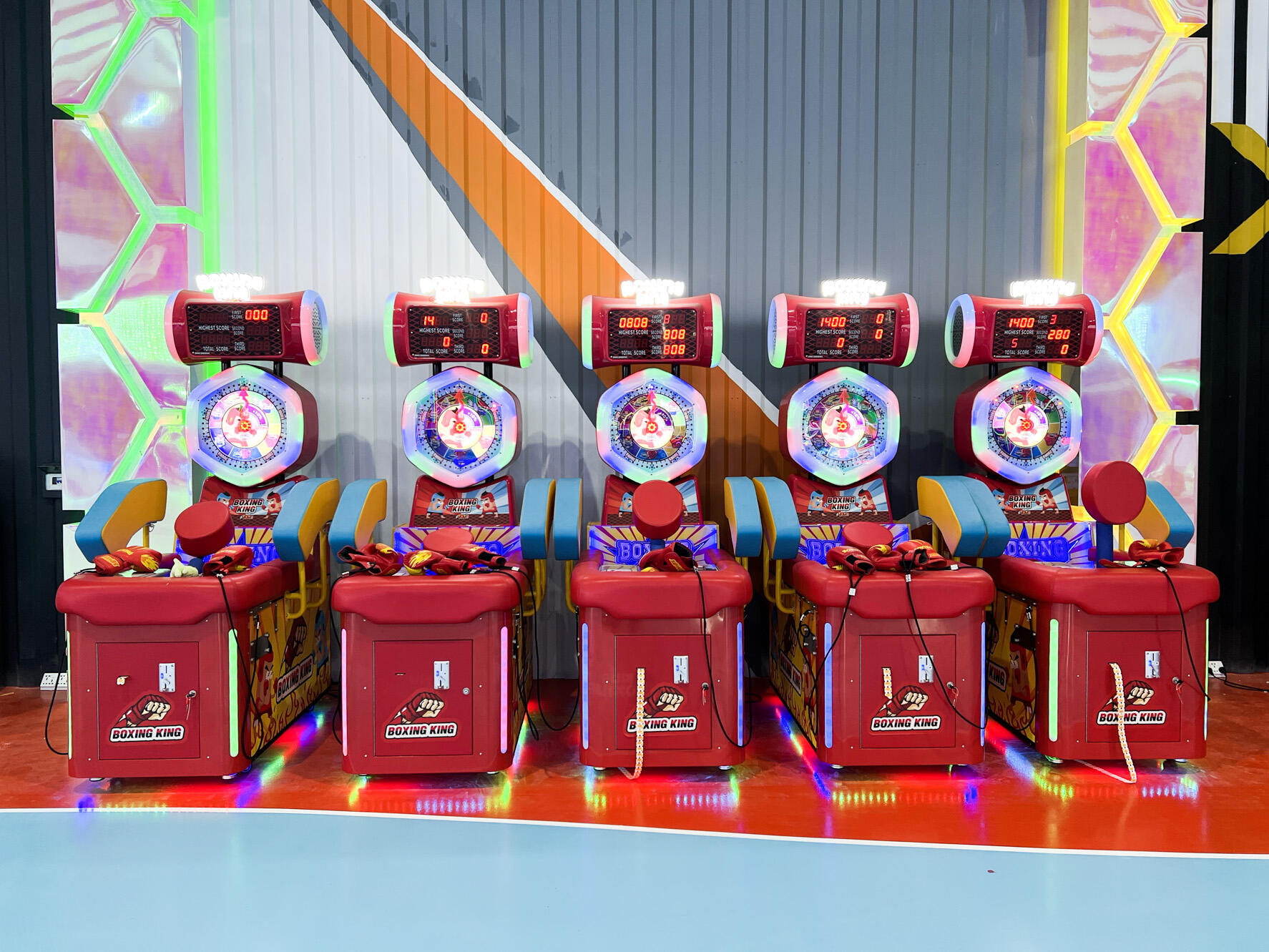
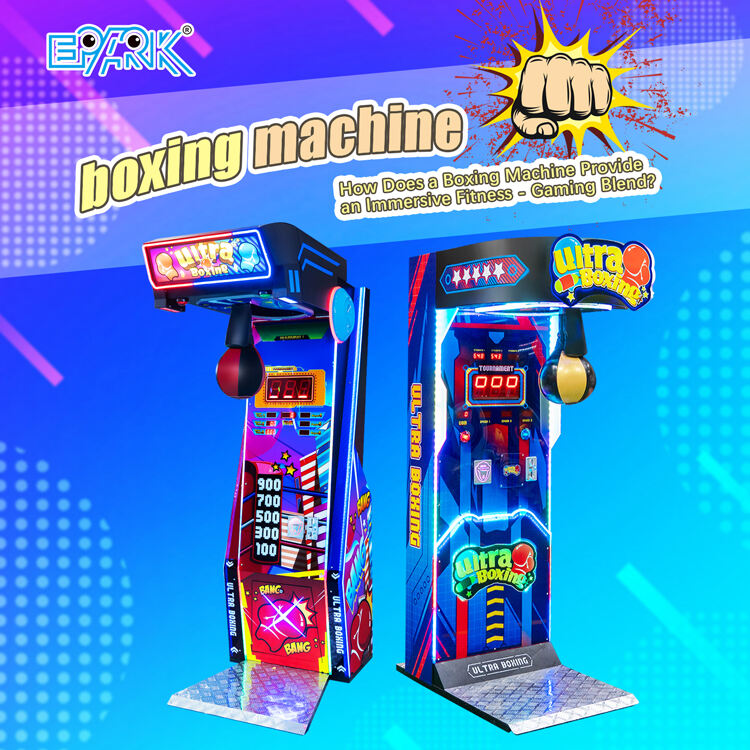
Those old boxing machines we used to see in arcades back in the day aren't just relics anymore. They've actually found a new home at the intersection of gaming and exercise, letting people work out while playing games. Remember when arcades had those big machines where folks would punch away at bags that responded to their hits? Well, fast forward to today and these same kinds of machines are helping people stay fit in a fun way. The best part is how they mix game elements with real physical activity. People can track their progress through scores and levels while getting a good workout. It's pretty cool really because it makes exercising feel less like a chore and more like something worth doing.
Gamification has transformed boxing machines into real crowd pleasers when it comes to keeping people engaged during workouts. These machines come packed with lights, sounds, and scoreboards that give users that same thrill they get from playing their favorite games on console. People actually start looking forward to hitting those pads because they want to beat their previous scores or unlock new levels. Studies back this up too one recent study found folks who trained with gamified equipment were about 30% more likely to stick with their routine over several months compared to traditional setups. We're seeing these machines pop up everywhere now, from local community centers to home basements across the country. What's interesting is how this trend reflects changing attitudes toward fitness itself. No longer is working out just about burning calories or getting stronger it's becoming something people genuinely enjoy, almost like another form of entertainment.
How Boxing Machines Blend Fitness and Gaming
Immersion Through Rhythm and Feedback Systems
Boxing machines blend fitness with gaming elements using rhythm patterns and responsive feedback mechanisms. The rhythmic aspect keeps people engaged throughout their workout sessions because timing becomes part of the fun. When someone boxes along to music beats or timed prompts, they're not just working out but actually playing a game against themselves or others. Many models feature lights, sounds, and vibrations that react instantly when punches land correctly. This instant gratification works wonders for motivation levels. Take those high-end arcade boxing setups we see in gyms nowadays - they light up when someone lands a good hit. Studies on interactive fitness show folks who train with these systems tend to push harder and stick with their routines longer than those doing standard exercises without any digital feedback component.
The Role of Punch Tracking and Scoring Mechanics
Tracking punches and keeping score plays a big role in blending gaming fun with actual fitness on those boxing machines we see everywhere now. When someone throws a punch, the system records how hard they hit, how fast their arm moves, and where they landed. This instant feedback keeps players engaged while also helping them monitor their workout progress. People get hooked because there's competition involved too. Scoring systems create that extra push everyone needs to keep getting better. After all, who doesn't want to beat their own high score? Research backs this up showing folks who play these games report feeling happier about their workouts and tend to exercise more often overall. Seeing numbers go up over time creates good habits naturally. That's why boxing arcades aren't just for kids anymore they're becoming serious tools for anyone wanting to stay fit without hating every minute of it.
Key Fitness Benefits of Boxing Machine Workouts
Cardio Conditioning Meets Strength Training
Working out on boxing machines gives people something special that most other equipment doesn't - it mixes cardio work with strength training all at once. When someone gets into these kinds of exercises, their heart starts beating faster which is great for the cardiovascular system, plus they're working muscles too. Punching over and over again really gets the heart going, making for a solid cardio session while also hitting different muscle groups across the body. Fitness trainers often suggest adding boxing sessions alongside regular routines like jogging or lifting weights because it covers so much ground. People who try this kind of mixed approach usually notice improvements in both their stamina levels and muscle definition after sticking with it for a while.
Stress Relief Through Interactive Punching Sessions
Punching bags and interactive boxing machines offer great stress relief while boosting mental well being. When someone throws those punches, it gives them a real physical way to let go of all that built up frustration and worry. Working out on these machines isn't just good exercise though. People often find their mood lifts during and after sessions because the body releases those feel good chemicals called endorphins. Research shows time and again how important regular movement is for our minds. Boxing in particular has been found to really help cut down on feelings of sadness and nervousness when done consistently over time.
Technology Behind the Boxing Arcade Experience
Sensor Integration and Real-Time Performance Data
Putting sensors into those boxing arcade machines has changed everything when it comes to keeping tabs on performance while actually doing it. These gadgets gather all sorts of info including how fast punches land, how hard they hit, and where they connect - stuff that matters a lot if someone wants to see improvement over time. What makes this tech so good? Well, fighters get instant feedback right there on screen, which helps them tweak their workouts on the spot and actually get better faster. Looking at what's happening in the industry lately, manufacturers aren't slowing down either. They're constantly coming out with smarter systems that do way more than basic stats. Some can analyze fight patterns and give customized advice based on what works best for each person. And as artificial intelligence gets better, expect even cooler features soon. Maybe machines will start guessing how well someone might improve or recommend specific drills that match their unique style and goals.
VR/AR Compatibility for Enhanced Engagement
Fitness is getting a major upgrade thanks to virtual and augmented reality tech, particularly when it comes to interactive boxing workouts. These immersive systems create training environments that feel almost real, blending fun with serious exercise in ways traditional gyms just cant match. Take boxing for example VR headsets let users spar with computer generated opponents who punch back, dodge, and react realistically. Some platforms even track movement accuracy and suggest improvements between rounds. Research indicates people stay engaged longer during VR workouts, with one study finding participants enjoyed their sessions about 30% more than regular exercises. While prices are still dropping and hardware continues improving, we're seeing more boxing studios incorporate mixed reality into their offerings. The technology isn't perfect yet but as costs come down and software gets smarter, expect to see VR/AR become a common fixture in modern fitness centers across the country.
The Future of Fitness Gaming Integration
AI-Powered Adaptive Difficulty Systems
Fitness games are getting smarter thanks to AI tech that adjusts difficulty based on what someone can actually handle. The algorithms behind these games watch how users perform during workouts and then tweak the intensity accordingly. Some people find this really helpful because they don't get frustrated when things get too hard or bored when it's too easy. Most sessions stay within reach but still push boundaries enough to make people feel accomplished afterward. Industry insiders think AI will play a big part moving forward in fitness tech, though nobody knows exactly how far it will go. We're already seeing better ways to match workouts with personal goals, which means training programs might look completely different than they do today.
Community-Driven Challenges and Global Leaderboards
Getting people involved in fitness games really matters, especially when there are global leaderboards that keep folks motivated. Leaderboards plus various challenges bring out both friendly rivalry and teamwork, which makes working out way more fun than doing it alone. Take Fitbit's step challenges or Zwift races as good examples where these ranking systems actually get more users sticking with their exercise plans over time. Studies show that being part of a group definitely boosts motivation levels, turning what could be lonely workouts into something we do together with others. When game developers build in these community aspects, they create spaces where players feel supported enough to try harder and reach their personal bests without getting discouraged along the way.