
 EN
EN




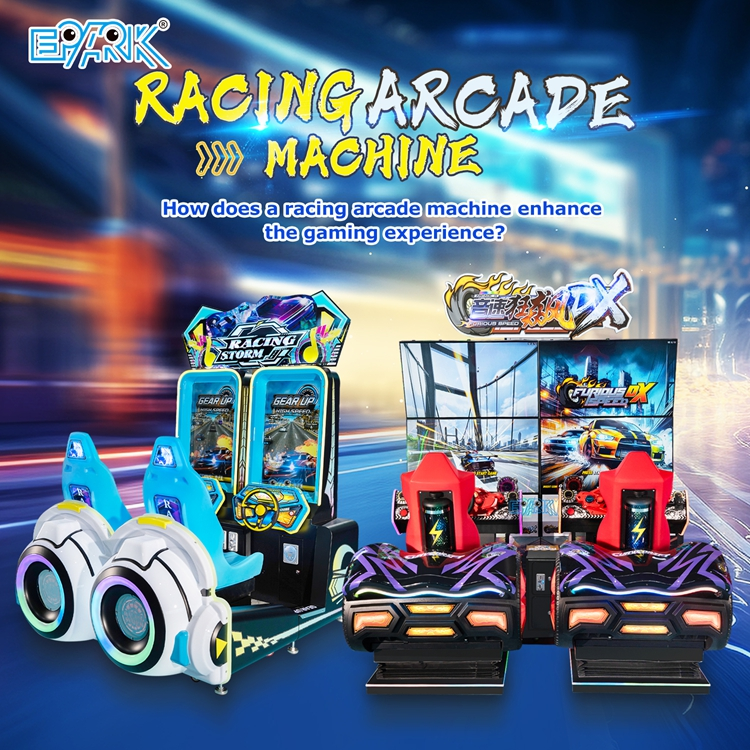
Immersive Hardware: Steering Wheels, Pedals, and Realistic Cockpits
Steering Wheels, Pedals, and Joysticks: The Foundation of Realistic Input
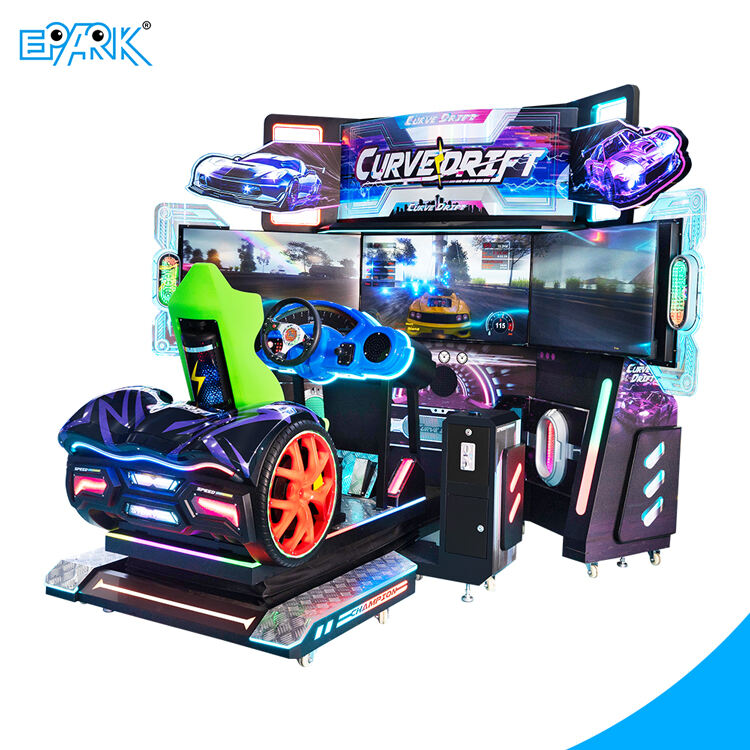
The latest racing arcade setups come equipped with advanced control systems that blend the digital world with actual driving experiences. Steering wheels with force feedback do a pretty good job at simulating how roads feel under tires. According to some research from Arcade Gaming Insights back in 2023, around 30% of gamers said they felt more immersed when playing with these kinds of controls. The foot pedals are also weighted and sensitive to pressure, providing resistance of about 120 pounds which makes braking and speeding up much more accurate. And don't forget those short throw joysticks that let players shift gears quickly, almost like operating a real manual transmission car on the track.
Ergonomic Design and Adjustable Components for Universal Accessibility
Adjustable cockpits accommodate players aged 12–65+, with 85% of arcade operators confirming reduced fatigue during extended sessions (Amusement Industry Report 2023). Key features include 360° rotating seats for easy access, hydraulic pedal mounts adjustable from 6–14 inches, and telescopic steering columns with a 15° tilt range, ensuring comfort and control for diverse body types.
Authentic Dashboards and Ready-to-Drive Cabins That Mirror Real Vehicles
The best companies out there are using CNC milled aluminum for their gauge clusters plus making 7 to 1 scale copies of famous car dashboards just to make things feel more real. Some research from 2022 showed that when people get into authentic cockpits they stick around about 40% longer because they naturally reach for stuff they recognize like those paddle shifters and the big red ignition button. The windshields are coated with UV stuff so they last forever, and most setups have that sweet 5.1 surround sound system going on too. All these little touches really sell the whole "driving a real car" vibe even though it's just sitting in some busy arcade getting slammed all day long.
Haptic Feedback and Motion Simulation for Sensory Immersion
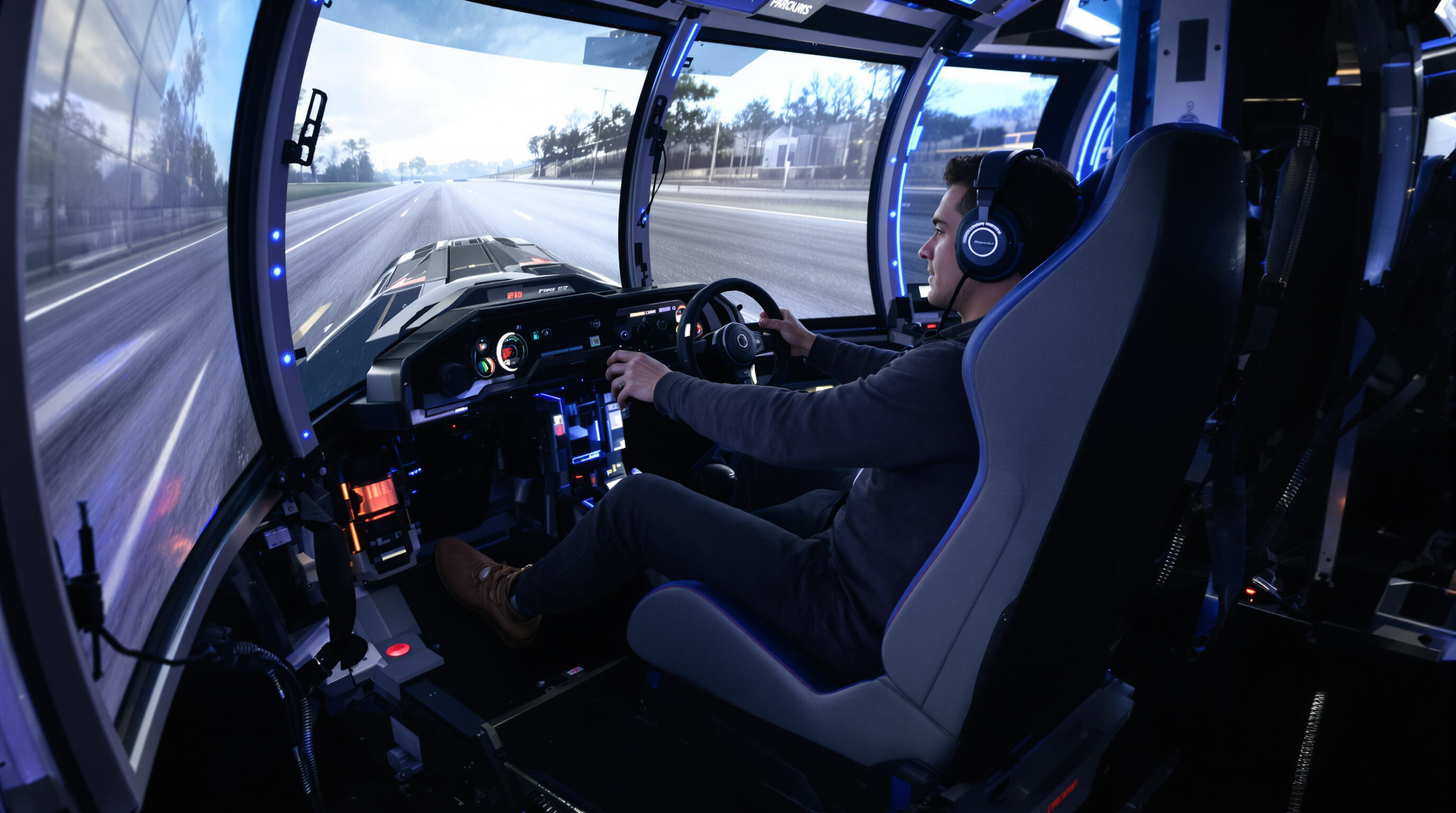
Force Feedback Steering and Seat Vibrations for Realistic Control
Modern racing arcade machines come equipped with force feedback steering wheels powered by heavy duty actuators that change resistance depending on what happens in the game. If tires start slipping or there's a crash, the wheel responds accordingly. Pair this with vibrating seats that rumble when engines rev up or give sudden shocks upon impact, and players actually become much more aware of their surroundings. According to some recent studies from last year's VR Haptics Conference, gamers report about 37 percent better spatial awareness than those playing on regular static setups. These systems work by linking physical sensations directly to what appears on screen, helping players react naturally even when they need to steer against themselves during those tricky drift maneuvers.
4D Motion Platforms Synchronized with In-Game Events
The latest gaming cabinets come equipped with 4D motion systems powered by hydraulic actuators. These can tilt, drop, and roll at angles up to about 30 degrees while playing. The movements actually match what happens in games themselves. When the character speeds up, the cabinet tilts back. During sharp turns it banks sideways just like a real car would. And when hitting virtual bumps or potholes, the whole thing gives a sudden jolt upwards. Some research from last year indicated that this kind of motion helps players react faster too. Tests found reaction times dropped around 22% compared to regular non-moving setups because the body gets physical feedback that matches what's happening on screen thanks to those motion sync algorithms working behind the scenes.
Haptic Systems That Mimic Road Surfaces and In-Game Collisions
Seats and pedals equipped with integrated haptic arrays can give drivers specific feedback that mimics different road surfaces and impact sensations. When driving over gravel roads, these systems create all sorts of high frequency vibrations across multiple points. The brakes get pretty interesting too when ABS activates, sending pulses through the brake pedal that let the driver feel exactly what's happening underneath. For spatial audio effects during collisions, the system knows where things happen so it vibrates only the appropriate side of the seat. Take a crash on the left side? Only the left panel gets going. Some premium vehicles go even further with special actuators called LRAs that handle those subtle textures like cobblestone streets, while bigger ERM motors take care of more dramatic moments such as scraping against walls. Together they build an immersive tactile experience throughout the entire body.
Advanced Physics Engines and Responsive In-Game Dynamics

The latest racing arcade machines depend heavily on sophisticated physics engines that try to mimic how cars actually behave on the road. These systems take into account things like tire grip, air resistance around the car body, and how suspension works to create games that feel pretty realistic. If a player's virtual car starts sliding during a turn, the game engine quickly adjusts calculations about where the weight is shifting and what speed the car maintains. This kind of real-time adjustment helps make the experience feel genuine to anyone who has ever driven a real sports car through tight corners at high speeds.
How Realistic Physics Engines Transform Player Interaction
Modern engine simulations look at around 1000 different factors including road grip levels and atmospheric conditions to create realistic car behavior. The level of detail makes it possible for experienced drivers to perform techniques such as trail braking through corners or controlled drifts, with response quality matching what one would expect from high end racing simulators. These enhanced reaction patterns make gameplay significantly more engaging compared to simpler physics systems. Players get a better feel for when their vehicle is reaching its performance boundaries, which helps develop real world driving skills and confidence behind the wheel.
Responsive Controls That Mirror Real-World Driving Dynamics
When force feedback steering meets pressure sensitive pedals, they team up with physics engines to give drivers real time physical responses. Wet roads mean more resistance when turning, and if the tires lose grip, the pedals start vibrating to let the driver know something's wrong. The whole system makes sure that things like adjusting how hard we press the gas pedal or trying to correct a skid actually feels real. Take ice for instance. If someone slams the accelerator on frozen pavement, wheels just spin wildly instead of moving forward smoothly. This kind of realism pushes drivers to think on their feet and adapt their driving style accordingly.
Case Study: Comparison of Arcade vs. Console Racing Physics
Console simulators tend to focus on realistic details that build up over time, like how tires actually wear down during races. Arcade systems take a different approach though, they're all about quick responses since most people just want to jump in and play for a short while. According to some research from last year, arcade machines handle those collision moments and surface contacts about 30 percent quicker compared to what we see on consoles. The tradeoff here is immediate reaction versus deeper technical stuff. Arcade games end up having wider appeal too. Around 62% of casual gamers stick with them, while console racing games mainly draw in folks who really get into mastering every detail of the game.
Virtual Reality and Hybrid Technologies Expanding Arcade Interactivity
Virtual Reality in Driving Simulators: From Vision to Eco-Effects
When it comes to virtual reality, integrating these systems creates incredibly realistic worlds where users can see every angle of a track and experience changing weather conditions all around them. The technology goes beyond visuals too – seats vibrate in sync with what's happening on screen, fans blow air across riders faces, and special mechanisms simulate those intense G forces when speeding past 120 miles per hour. For really high end installations, some companies take things even further by adjusting the temperature inside the cockpit or spraying in scents that smell like gasoline right when drivers pull into imaginary pit stops. This kind of sensory overload makes people feel like they're actually there. A recent report from last year showed something interesting about this approach. People who played games with multiple senses involved stayed focused for longer periods than those just looking at screens alone, with studies showing improvements in concentration levels reaching as much as thirty two percent.
Expanding Interactivity Through VR and AR in Racing Games
When it comes to hybrid VR-AR setups, they basically combine actual physical controls with all sorts of digital improvements. Gamers get to steer using real wheels while looking at dashboards that display their performance stats in real time. Some systems project racing lines right onto the track or show ghost cars from previous laps, mixing the feel of real hardware with those handy visual guides. This kind of tech works great for people practicing alone but also opens up some pretty cool multiplayer options where friends can race against each other's best times.
Trend Analysis: The Rise of Hybrid VR-Arcade Racing Setups in Amusement Centers
More amusement parks and arcades these days are getting into hybrid setups where they mix virtual reality visuals with actual moving platforms and adjustable seating arrangements. The big plus here is cloud storage for all the digital content, which means operators can swap out race tracks or vehicle models pretty much anytime they want without shutting things down for hours. According to folks who track these trends, places that have made the switch to this mixed reality approach tend to get visitors back about 45 percent more often than traditional setups. Why? Because there's always something new happening - think midnight drag races under special lighting or cooperative challenges where groups work together against AI opponents. These kinds of changing experiences keep people coming back week after week.
FAQ
What is the role of force feedback in racing arcade games?
Force feedback in racing arcade games provides realistic control by adjusting resistance, making players more aware of in-game events like tire slips or crashes. It enhances the immersive experience and helps players react naturally.
How do adjustable cockpits improve gaming experiences in arcades?
Adjustable cockpits cater to a wide range of players and reduce fatigue during extended sessions. With features like rotating seats and adjustable steering columns, they offer enhanced comfort and accessibility for diverse body types.
Why are virtual reality and hybrid technologies popular in racing simulators?
Virtual reality and hybrid technologies enhance interactivity by combining physical controls with digital elements. They allow users to immerse in realistic worlds, improving concentration and offering varied gaming experiences in amusement centers.