
 EN
EN
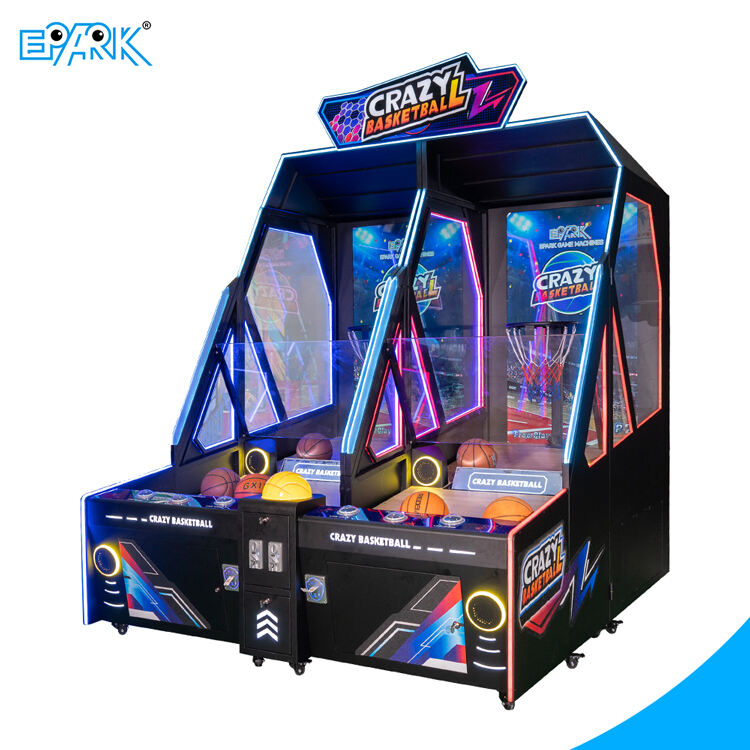


Steady Revenue Generation with High-Play Basketball Machines
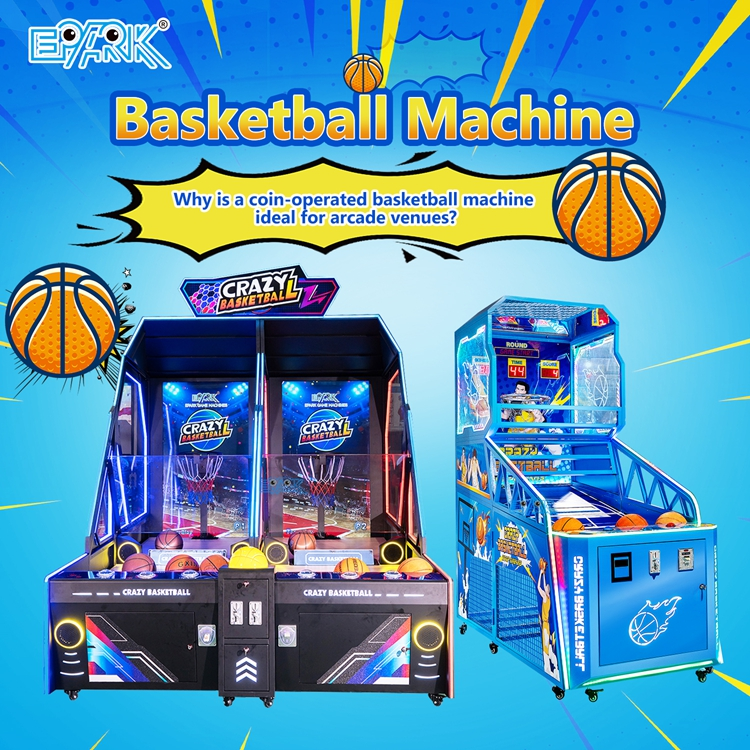
Coin-operated basketball machines deliver consistent revenue for arcade owners through multiple monetization strategies. These games attract repeat plays by blending physical skill with instant gratification—a combination that generates 14% higher per-square-foot revenue than average arcade cabinets, according to 2023 FEC industry data.
How Coin-Operated Basketball Arcade Machines Create Reliable Income Streams
The pay-per-play model converts casual foot traffic into direct income, with players averaging 2.7 games per session across all age groups. Unlike prize-based alternatives requiring constant inventory restocking, basketball machines maintain profitability through <10% operating costs after initial purchase.
Maximizing Profitability Through Pay-Per-Play Models and Event Pricing
Arcade managers increase margins by implementing dynamic pricing during peak hours ($1.50/game vs. standard $1), offering tournament packages with 15–25% premium pricing, and cross-promoting with adjacent ticket redemption games—achieving a 23% upsell conversion rate.
Case Study: Monthly Revenue Performance in Top-Performing Arcades
| Location Type | Monthly Revenue | Repeat Plays (%) |
|---|---|---|
| Mall Arcades | $8,400 | 37% |
| FECs | $11,200 | 42% |
Venues hosting league events saw 18% higher revenue than standard operators during 2023 holiday seasons (Amusement Industry Report 2024).
Trend Analysis: Rising Demand for Skill-Based Redemption Games
Skill-based entertainment now drives 54% of arcade revenue nationwide, with basketball machine earnings growing 23% year-over-year since 2021. Players increasingly prefer games offering mastery progression—68% report higher satisfaction when beating personal high scores versus random prize wins (Ponemon 2023).
Boosting Customer Engagement Through Competitive Skill-Based Play
Encouraging Social Interaction and Friendly Competition with Basketball Machines
Arcade basketball machines tend to become popular spots where people gather because they allow for fun one-on-one matches and group play. We've seen players start impromptu tournaments all the time, which draws in crowds watching from the sidelines. People cheer for those on the court while others wait patiently for their shot at glory something that just doesn't happen when someone plays alone against a machine. The numbers back this up too many studies indicate folks spend about 30 percent more time playing when there are other people involved compared to going it alone. Most modern setups come with adjustable hoops so everyone from kids to adults can join in, plus scoreboards keep track of who's winning what. This makes the experience accessible for different ages and abilities, creating friendly competition between family members or groups of friends without getting too serious about it.
Extending Dwell Time via Head-to-Head Challenges and Multiplayer Modes
Arcade game owners really get what makes basketball games so popular among customers. They set up timed challenges such as three point contests and team scoring options that keep people engaged longer at their machines. Studies show these additions can actually make folks spend around 18 to 22 percent more time playing than usual because they want to try again after losing or just beat their own best score. Special events during weekends where leaderboards get reset also bring people back again and again. What starts as a casual visit often turns into regular stops for those who enjoy showing off their improving skills over time.
Why Skill-Based Gameplay Increases Replay Value Over Chance-Based Games
Basketball arcade games aren't all about luck like some other games are. These machines actually give real rewards when people get better at shooting accurately and thinking strategically. Most players come back because they want to beat their own previous scores or climb up those digital leaderboards, which keeps them coming back again and again. The way these games work makes sense too many folks play them over and over since scoring higher means getting better prizes. Studies show that this kind of system gets people to play anywhere from three to five times more often compared to games where everything is just random chance. Arcade owners notice this pattern too, as regular customers bring in around two thirds of total revenue in places where they've switched to these skill based games instead of purely luck based ones.
Enhancing Player Experience with Leaderboards and Prize Redemption
Using Digital Leaderboards to Drive Motivation and Repeat Play
Adding digital leaderboards turns those old school basketball coin machines into mini competition hubs where folks actually want to show off their skills. People get pretty motivated when they spot their name rising up the ranks, which explains why arcades with these ranking systems report about 22 percent more people coming back week after week according to Arcade Trends data from last year. Most places reset their boards either every day or weekly to keep things fresh, something that worked wonders at this one arcade in the Midwest. Their weekend tournaments saw machine play jump nearly 37% compared to regular days, showing just how effective creating time sensitive challenges can be for keeping customers engaged.
Prize Redemption Systems That Improve Customer Retention
When we connect ticket redemption systems to those basketball shooting games, we're basically linking digital accomplishments to real world prizes. People who hit 10 straight shots and get 50 tickets come back about three times more often in the next seven days than folks without any reward system. The best locations usually set aside around 15 to 20 percent of all their prizes for stuff like medium level rewards - think soft toys, maybe some arcade tokens or vouchers for food courts nearby. This approach keeps things interesting because players can actually reach these goals while still working toward bigger prizes later on.
Case Study: Increased Foot Traffic After Leaderboard Integration
One local arcade chain saw something like a third more people coming in each week once they put up those real time scoreboards on their basketball games. These boards showed who was scoring highest at every location across town, which got folks going back again and again just to keep their spots on the list. On busy nights, lines for the machines grew twice as long as before. It turns out when people see their names climbing charts, even weekend warriors start showing up more regularly than they ever did before.
Universal Accessibility and Ease of Use Across Age Groups
Why the Basketball Machine Appeals to Players of All Ages and Skill Levels
Coin-operated basketball machines thrive as universal crowd-pleasers because they align with universal design principles that prioritize accessibility. Recent studies show 78% of family entertainment centers report basketball machines as their most-used attraction across demographics, from children (35% of players) to adults aged 50+ (19% of players). This broad appeal stems from three factors:
- Physical adaptability: Adjustable hoop heights (6–10 feet) accommodate varying statures
- Cognitive familiarity: 89% of first-time users require no instructions, per a 2023 IFEC Report
- Progressive challenge modes: Casual players enjoy basic scoring, while enthusiasts chase timed bonus rounds
Simple, Intuitive Mechanics Ensure Broad User Adoption
Arcade operators report that players get into the game about 30 percent quicker with basketball machines than they do with those complicated VR setups. The reason? These machines tap into basic human abilities we all have naturally depth perception and good hand eye coordination nobody needs special training or practice. People from kids as young as five right up to folks in their seventies typically figure out what they need to do within around eighteen seconds give or take. That makes these machines really great for places where there's a mix of ages hanging out together.
This accessibility directly impacts revenue: Arcades with basketball machines see 45% higher repeat visitation from multigenerational groups than those focusing on niche gaming categories.
Space Efficiency and Versatile Placement in Diverse Arcade Environments
Adapting Basketball Machines for Different Venue Sizes and Layouts
Basketball machines these days work really well in tight spaces where floor area is at a premium. Most units take up less than 12 square feet (about 1.1 meters squared), and they come with height adjustments so they'll fit even in places as cramped as 300 square feet (around 28 meters squared). The operators have options too - they can take off the sides or position the machine in corners, which makes them perfect for squeezing into those narrow food court walkways or setting them up alongside other game stations without getting in peoples' way when they're walking through.
Best Practices for Placement to Maximize Visibility and Usage
Position machines within 15 ft. (4.6 m) of high-traffic zones like entryways or concession stands to capture spontaneous players. Angling cabinets at 30° toward walkways improves visibility by 40% compared to parallel wall alignment. Nightlife venues often cluster 2–3 machines near seating areas to encourage group challenges during peak hours.
Use Cases: Family Entertainment Centers, Bars, and Mall Arcades
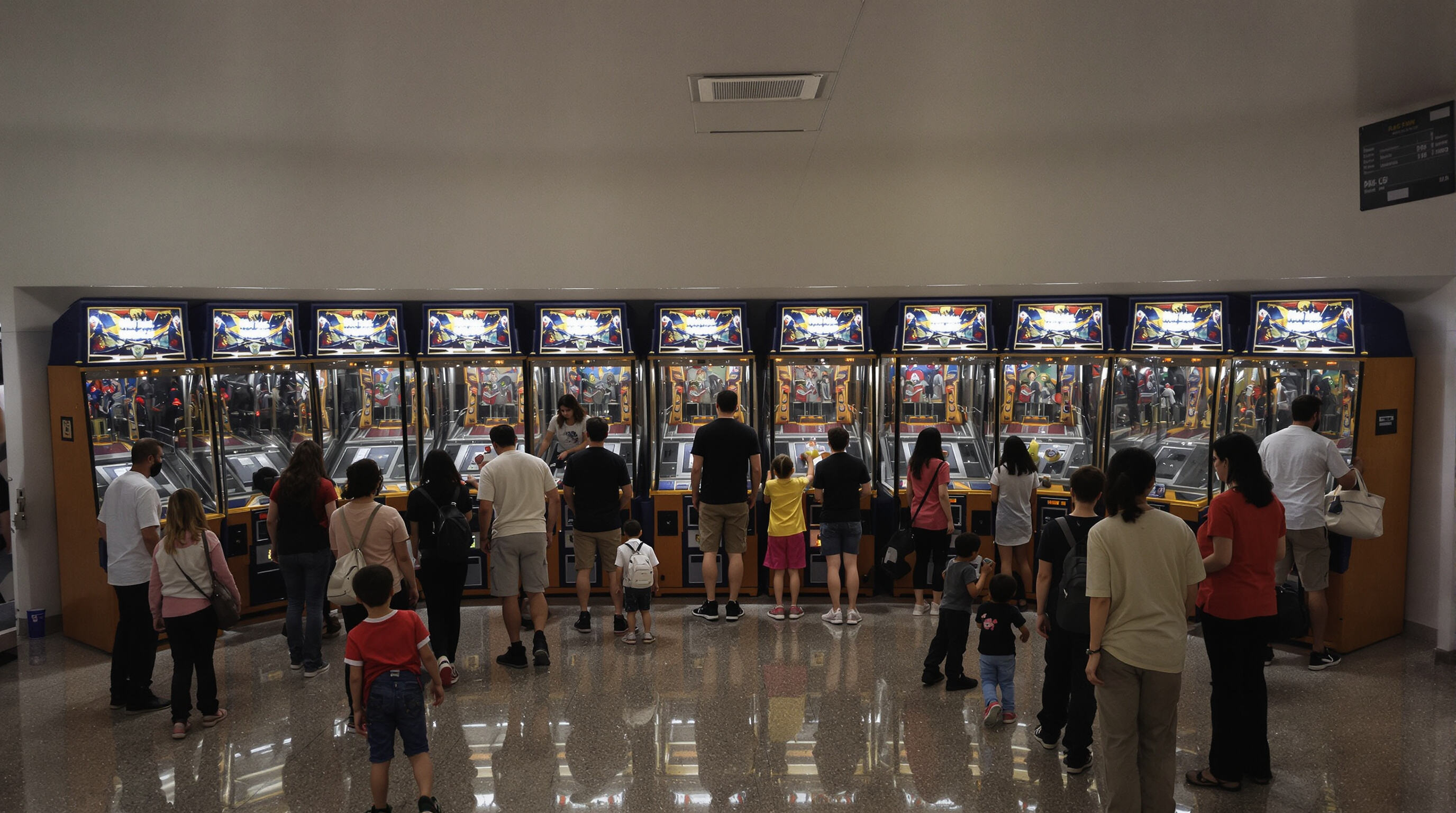
According to research from 2023, arcades in shopping malls saw about 18 percent more money coming in per machine when they put basketball games close to escalators instead of hiding them in the back corners. Family fun places get better results putting game machines next to where people collect prizes, since folks who want to trade points for toys tend to stick around longer. Sports bars have found success placing their arcade setups right beside big TVs too, letting customers play games while watching whatever match is on screen. This kind of strategic placement really makes a difference in how much business these spots can pull in.
FAQ
What are the main revenue models for basketball arcade machines?
Basketball arcade machines primarily use the pay-per-play model, dynamic pricing during peak hours, tournament packages with premium pricing, and cross-promotions with ticket redemption games.
How do basketball arcade machines enhance user engagement?
These machines encourage social interaction, friendly competition, and feature multiplayer modes that keep players engaged. They also use digital leaderboards to motivate repeat play and integrate prize redemption systems.
Why do basketball arcade machines appeal to a wide demographic?
These machines offer universal accessibility with adjustable hoop heights, simple mechanics, and progressive challenge modes. This makes them suitable for players of all ages and skill levels.
Where is the best placement for basketball arcade machines?
Machines should be positioned near high-traffic zones like entryways or concession stands and angled toward walkways for maximum visibility. They are versatile for placement in family entertainment centers, bars, and malls.
Table of Contents
- Steady Revenue Generation with High-Play Basketball Machines
- Boosting Customer Engagement Through Competitive Skill-Based Play
- Enhancing Player Experience with Leaderboards and Prize Redemption
- Universal Accessibility and Ease of Use Across Age Groups
- Space Efficiency and Versatile Placement in Diverse Arcade Environments
- FAQ