
 EN



Introduction
Expanding an existing arcade or family entertainment center (FEC) can create new opportunities for business growth. Adding commercial arcade machines, introducing new entertainment categories, or increasing the available gaming area may help operators attract different customer groups and improve the overall visitor experience.
However, arcade expansion also presents operational challenges. Equipment delivery, electrical modifications, installation work, and temporary area closures can interfere with normal business activities.
For arcade owners and FEC operators, the goal is to complete an expansion project while keeping as much of the venue operational as safely and practically possible.
A carefully planned expansion strategy can help reduce unnecessary interruptions, manage investment costs, and prepare the business for future growth.
This guide explains how to expand a commercial arcade while maintaining efficient daily operations.
1. Evaluate Your Existing Arcade Performance
Before purchasing additional equipment, operators should understand how their current arcade is performing.
Expanding without reviewing business data may result in unnecessary equipment purchases or inefficient use of space.
Start by examining machine revenue, customer traffic, equipment utilization, and operating expenses.
Identify which game categories attract the most attention and which machines receive limited use.
For example, if racing games consistently attract customers but available machines are frequently occupied, additional racing equipment may be worth considering.
However, high demand during occasional peak periods does not automatically justify expansion.
Operators should evaluate performance over a representative period and consider whether demand is likely to remain consistent.
2. Define Clear Expansion Objectives
Every arcade expansion project should begin with specific business objectives.
Some operators want to increase entertainment capacity, while others aim to introduce new attractions or improve customer circulation.
Common expansion goals include:
Adding new commercial arcade machines
Introducing multiplayer entertainment equipment
Creating a dedicated claw machine area
Expanding redemption game sections
Adding VR entertainment attractions
Improving customer movement between gaming zones
Replacing underperforming equipment
Clearly defined objectives help operators determine which investments are necessary.
For example, a venue aiming to attract more family visitors may consider additional age-appropriate entertainment equipment.
An arcade targeting teenagers and young adults may prioritize competitive racing games or interactive sports machines.
3. Review Available Floor Space Before Buying Equipment
Available floor space is one of the most important factors in arcade expansion.
Operators should review the existing layout and identify areas that can accommodate additional equipment without creating congestion.
The physical dimensions of a machine are only part of its space requirements.
Player access, maintenance clearance, spectator areas, and customer circulation must also be considered.
Large racing simulators and basketball machines may require additional operating space, while compact claw machines can offer more flexible placement options.
Before confirming an order, request accurate equipment dimensions and prepare an updated floor plan.
Any changes must also comply with applicable building, fire safety, and accessibility requirements.
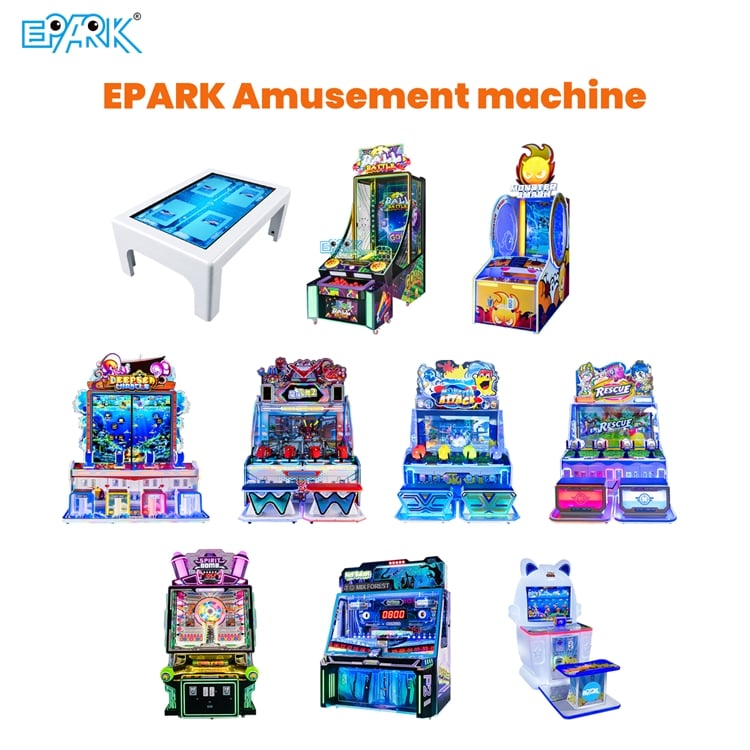
4. Develop a Realistic Expansion Budget
Arcade expansion costs extend beyond the purchase price of new machines.
Operators may also need to budget for transportation, import duties, electrical work, installation, interior modifications, and temporary operating adjustments.
A practical expansion budget should consider:
Equipment purchasing costs
International freight and customs expenses
Electrical and network modifications
Installation and assembly
Interior decoration
Payment system integration
Staff training
Spare parts and maintenance
Contingency expenses
For international buyers, shipping schedules and customs clearance should be considered during financial planning.
Maintaining a contingency allowance can help businesses respond to unexpected project requirements.
5. Use a Phased Installation Strategy
One of the most effective ways to reduce disruption is to divide expansion work into manageable stages.
Instead of closing the entire venue, operators may be able to renovate or install equipment in one section at a time.
For example, a family entertainment center could begin by preparing a new claw machine area while keeping existing racing and redemption zones operational.
After the first section is completed and tested, work can move to another area.
However, phased installation is only appropriate when construction activities can be safely separated from customers and employees.
Work involving electrical hazards, dust, noise, blocked exits, or other significant risks may require temporary closure of affected areas or the entire venue.
Safety requirements should always take priority over maintaining operating hours.
6. Schedule Installation During Quieter Periods
Installation timing can influence how much an expansion project affects daily revenue.
Operators should review historical customer traffic to identify periods with lower demand.
Depending on the venue, weekday mornings or other quieter operating periods may provide suitable opportunities for equipment delivery and installation.
Larger renovation tasks may require overnight work or scheduled closures.
Before arranging installation, coordinate with the equipment supplier, building management, contractors, and relevant service providers.
For shopping mall arcades, additional restrictions may apply to delivery access, construction hours, and noise levels.
Confirming these requirements in advance helps prevent avoidable delays.
7. Prepare Electrical and Network Infrastructure
Adding new arcade machines may increase electrical demand and require additional outlets or circuits.
Some equipment may also need network connections for payment systems, multiplayer functions, or centralized management.
Before delivery, obtain the electrical specifications of the new machines.
A qualified electrical professional should review whether the existing installation can safely support the additional load.
Operators should also confirm the compatibility of any new equipment with existing payment infrastructure.
Planning these requirements before installation can reduce the need for later modifications.
8. Select New Machines That Complement Existing Equipment
An arcade expansion should improve the entertainment offering rather than simply increase machine quantity.
Operators should review their current game mix and identify opportunities to provide different experiences.
For example, a venue with many racing machines may benefit from introducing sports arcade games or prize attractions.
A family-focused FEC with a large redemption section may consider multiplayer games that encourage group participation.
New equipment should match the target audience, available space, and overall business concept.
Before purchasing, compare gameplay features, machine dimensions, maintenance requirements, and after-sales support.
A balanced selection can help operators create a more varied entertainment environment.
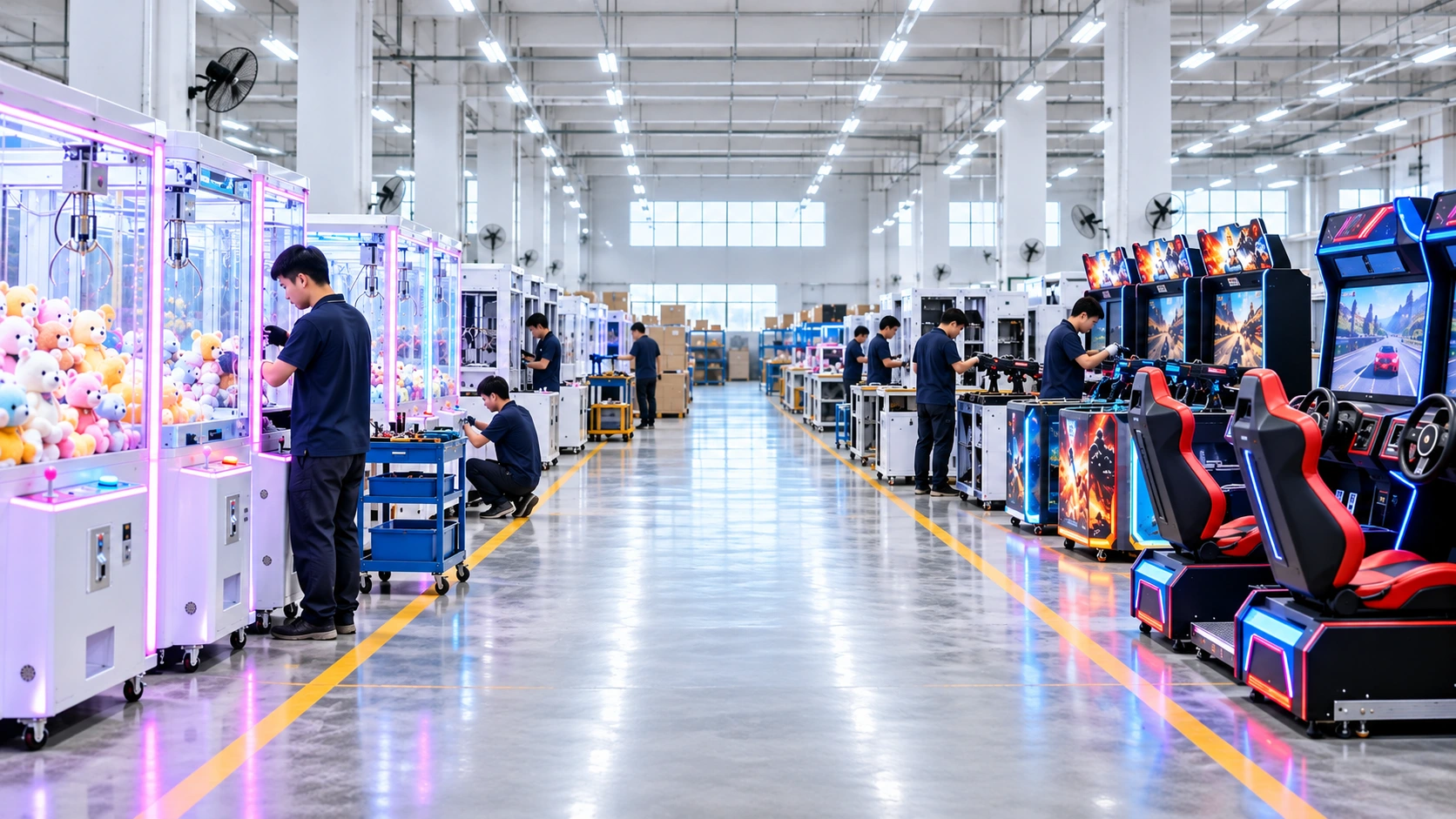
9. Coordinate Equipment Delivery and Storage
Equipment delivery can be challenging when an arcade remains open.
Large commercial machines may require forklifts, loading equipment, or temporary access arrangements.
Operators should confirm packaging dimensions, shipping weight, unloading requirements, and delivery routes before the shipment arrives.
If machines cannot be installed immediately, arrange suitable temporary storage.
Storage areas should protect equipment from moisture, accidental damage, and unauthorized access.
For international projects, accurate delivery coordination helps reduce the risk of equipment arriving before the venue is ready.
10. Communicate Expansion Plans to Customers
Customers should understand which areas remain available during an expansion project.
Clear signs, temporary barriers, and staff guidance can help visitors navigate the venue.
If certain machines or entertainment zones are temporarily unavailable, communicate this information in advance where practical.
Operators can also use social media to announce upcoming attractions and explain the expected reopening schedule.
However, avoid promising completion dates that have not been confirmed.
Transparent communication can help manage customer expectations and maintain trust during the project.
11. Test New Arcade Machines Before Opening
New equipment should be inspected and tested before customers begin using it.
After installation, confirm that machines operate according to their specifications.
Important checks include:
Electrical compatibility
Screen and sound functions
Buttons and gameplay controls
Payment system operation
Ticket or prize delivery functions
Cabinet stability
Safety and maintenance access
For multiplayer machines, test all player positions and relevant game functions.
Staff should also receive appropriate operating guidance.
Equipment should only be opened for customer use after installation and relevant safety checks have been completed.
12. Measure Expansion Results After Reopening
The success of an expansion should be evaluated using actual business performance.
Operators can compare customer traffic, machine revenue, operating expenses, and customer feedback before and after the project.
Useful indicators include machine utilization, average spending, equipment downtime, and visitor satisfaction.
However, short-term increases in revenue may be influenced by promotions, seasonal demand, or the novelty of new equipment.
A longer evaluation period can provide a more reliable picture of expansion performance.
Use these results to guide future equipment purchases and operational improvements.
13. Work With an Experienced Arcade Equipment Manufacturer
Working with a professional manufacturer can simplify equipment selection and expansion planning.
For international buyers, accurate product dimensions, technical specifications, and delivery information are particularly important.
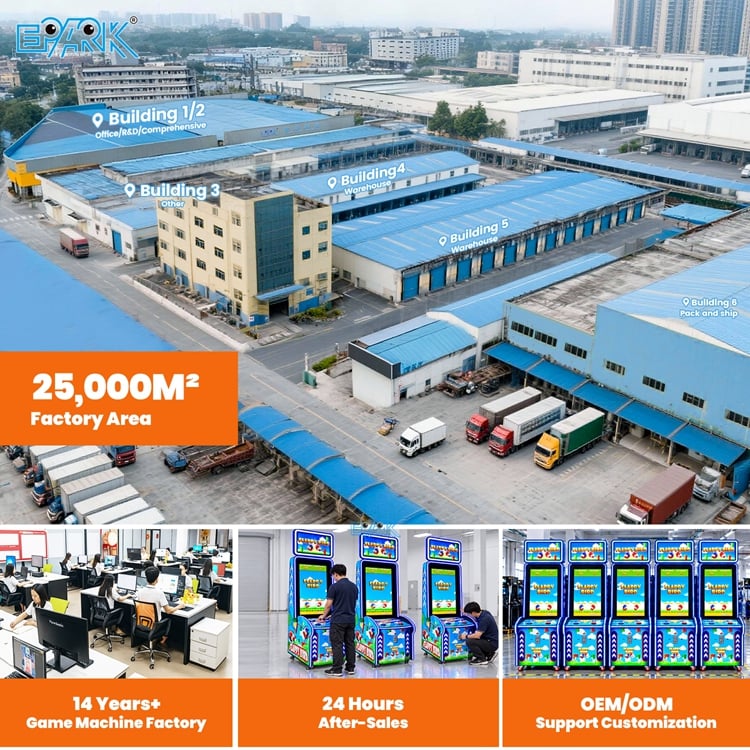
EPARK is a commercial arcade machine manufacturer based in Guangzhou, China, with over 14 years of manufacturing experience.
Our product range includes claw machines, racing arcade games, shooting machines, redemption games, basketball machines, boxing machines, VR equipment, and other commercial amusement attractions.
EPARK provides equipment selection assistance, 2D and 3D venue planning, product customization, manufacturing, quality inspection, and after-sales support.
For existing entertainment venues, our team can help review equipment options according to available space, target customers, and expansion requirements.
Explore commercial arcade machines and project solutions at EPARK Game Machine Factory.
Frequently Asked Questions
Can an Arcade Stay Open During Expansion?
In some cases, an arcade can remain partially operational while work is completed in separate areas.
However, this depends on the type of construction, available space, and applicable safety requirements. Activities that cannot be safely separated from customers may require temporary closure.
How Should Arcade Owners Choose Machines for Expansion?
Operators should review existing machine performance, customer preferences, available floor space, and investment budget.
New equipment should complement the current game mix and meet the venue's technical and operational requirements.
What Should Be Prepared Before New Arcade Machines Arrive?
Operators should confirm installation space, electrical capacity, delivery access, payment compatibility, storage arrangements, and staff responsibilities.
A pre-delivery checklist can help reduce installation delays.
Conclusion
Expanding an arcade without unnecessary operational disruption requires careful coordination between equipment purchasing, venue planning, installation, and daily business management.
By evaluating existing performance, setting clear objectives, choosing suitable machines, and organizing installation in practical stages, operators can reduce avoidable interruptions.
Safety, customer communication, and equipment testing should remain priorities throughout the project.
For FEC operators, arcade owners, and entertainment investors, a well-planned expansion can create opportunities to improve customer experiences and support long-term business development.
Visit EPARK Game Machine Factory to explore commercial arcade equipment and discuss customized solutions for your expansion project.
Table of Contents
- Introduction
- 1. Evaluate Your Existing Arcade Performance
- 2. Define Clear Expansion Objectives
- 3. Review Available Floor Space Before Buying Equipment
- 4. Develop a Realistic Expansion Budget
- 5. Use a Phased Installation Strategy
- 6. Schedule Installation During Quieter Periods
- 7. Prepare Electrical and Network Infrastructure
- 8. Select New Machines That Complement Existing Equipment
- 9. Coordinate Equipment Delivery and Storage
- 10. Communicate Expansion Plans to Customers
- 11. Test New Arcade Machines Before Opening
- 12. Measure Expansion Results After Reopening
- 13. Work With an Experienced Arcade Equipment Manufacturer
- Frequently Asked Questions
- Conclusion