
 EN
EN
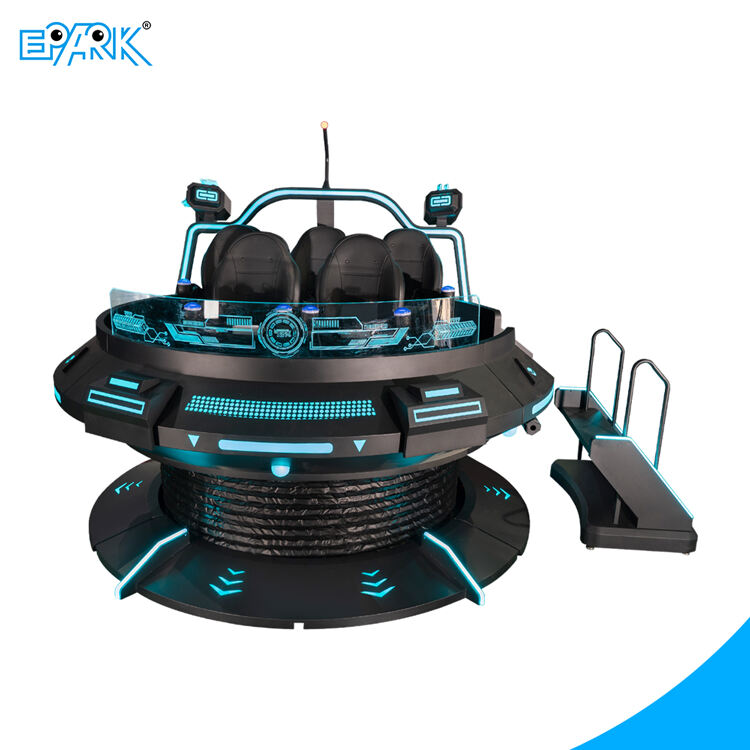
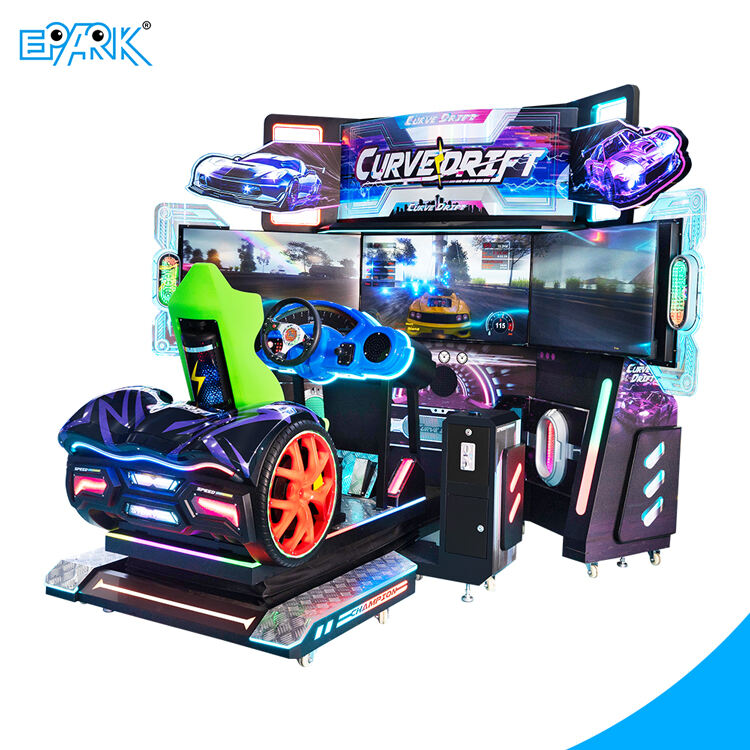
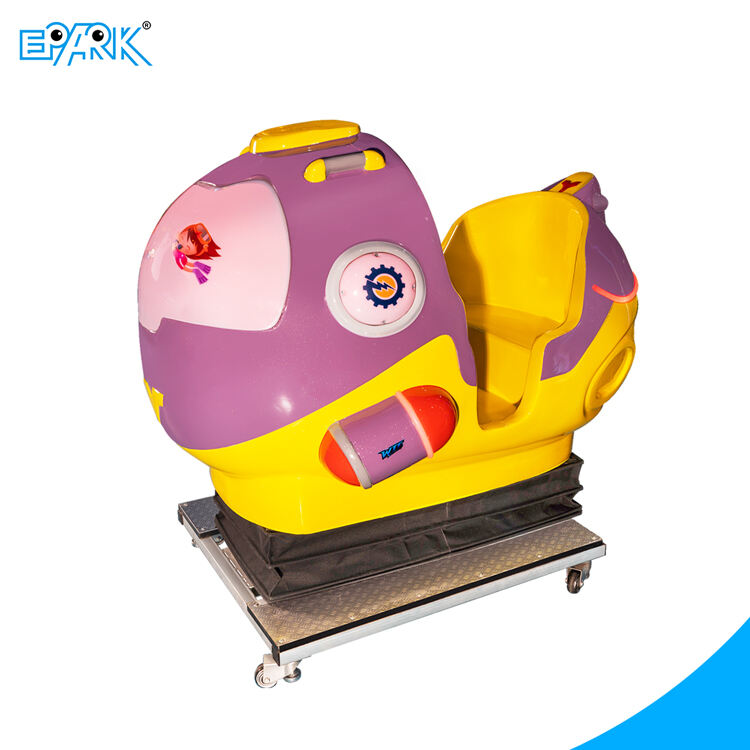

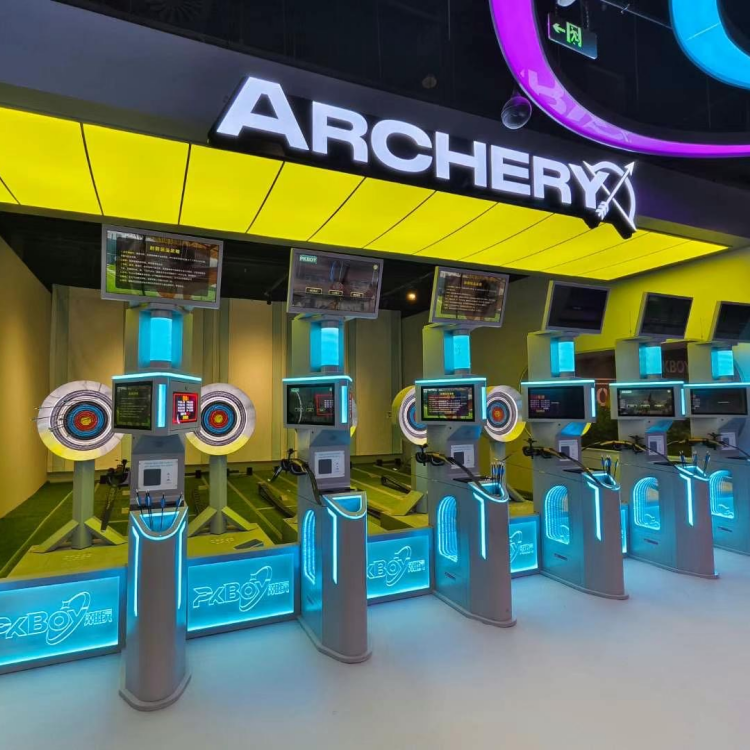
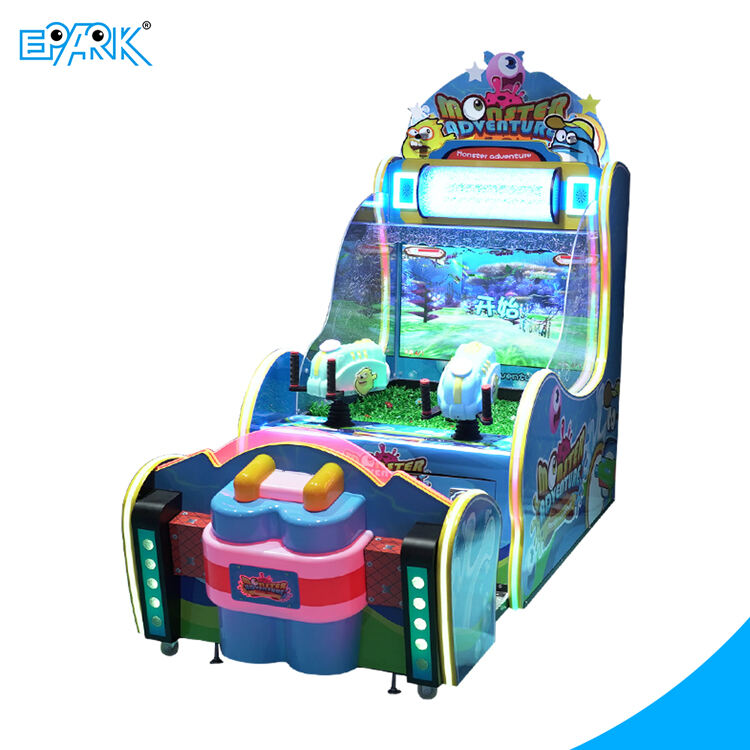

Understanding the Role of Virtual Reality Machines in Modern Arcades
The Evolution of Arcade Entertainment and the Rise of Virtual Reality in Gaming
Arcades used to be all about those old school coin operated machines, but nowadays they've become something completely different – almost like digital playgrounds where people can get totally immersed. Sure, there are still folks who love playing pinball or trying out racing games for that nostalgic feeling, but what's really driving business these days? Virtual reality setups. According to some market research from PwC, the VR arcade scene worldwide could see around 29% annual growth until 2025 thanks largely to better haptics and motion tracking tech. A recent survey looked at 150 arcades back in 2023 and found that places which added VR systems saw their customer numbers jump by about 40%. And interestingly enough, one big arcade chain noticed that when they installed VR equipment in 2017, customers ended up spending three times as much per visit compared to regular game stations.
How Virtual Reality Can Increase Arcade Revenue Through Immersive Gaming Experiences
Virtual reality turns regular gaming sessions into complete physical experiences, letting arcades ask much higher prices for their offerings sometimes even triple what they normally charge for standard games. According to Deloitte's 2024 report, folks who play VR games tend to drop about 22% extra cash per visit compared to regular arcade games, and nearly two thirds come back within a month just to try out new content. When arcades set up multiplayer VR stations, business really takes off because groups love booking these together. In big city arcades during busy hours, almost a third of all sales come from these group bookings. What makes VR so valuable is how adaptable it is for special events too. Think haunted house nights where players battle ghosts or competitive esports tournaments where teams face off against each other. These kinds of themed experiences give arcades steady money coming in throughout the year.
Key Differences Between Traditional Arcade Games and VR Location-Based Entertainment
| Aspect | Traditional Arcades | VR Arcades |
|---|---|---|
| Space Requirements | 10–20 sq ft per cabinet | 100–200 sq ft per VR zone |
| Session Length | 2–5 minutes | 10–30 minutes |
| Revenue Model | Pay-per-play ($1–$3) | Tiered pricing ($8–$25/session) |
| Maintenance | Mechanical repairs | Software updates, sanitization |
VR demands significantly more space but delivers sessions four times longer than traditional games. Unlike static cabinets, VR systems require staff for onboarding and hygiene management—a necessary trade-off given their 70% higher gross margins.
Evaluating VR Arcade Business Models and Revenue Potential
Popular VR arcade business models: Pay-per-play, memberships, and event-based pricing
Operators use three primary models to monetize virtual reality machines: pay-per-play ($10–$25 per 15-minute session), unlimited-access memberships ($60–$120/month), and premium event packages ($500+ for birthdays or corporate gatherings). Event-based pricing drives 27% higher revenue per square foot by bundling VR play with themed décor and catering services.
Case study: Revenue growth in early-adopter arcades using virtual reality machines
Early adopters in Western Europe saw a 40% revenue increase after integrating VR machines, according to the European Leisure Network (2023). A Berlin arcade doubled its average customer spend to €34 by replacing 30% of retro cabinets with multiplayer VR systems such as Zero Latency’s free-roaming platforms.
Scalability of VR gaming setups and long-term profitability
VR setups that are modular in nature let businesses scale up slowly over time, starting with just 2 or 4 headsets and expanding to 20 or more as customer interest builds. The best performing locations tend to dedicate around 40 percent of their space for full VR experiences, another 30 percent for mixed reality stuff like those popular VR laser tag games, and leave the remaining 30 percent for traditional arcade machines. This mix works well because it attracts different age groups and preferences. Most operators find that keeping their software updated on a quarterly basis plus swapping out hardware roughly every two years keeps things fresh enough to hold visitors' attention without breaking the bank too much.
Industry paradox: High initial cost vs. long-term customer experience enhancement through technology
VR setups require significant upfront investment—$45,000–$200,000, or 3–8 times more than traditional arcade equipment—but they reduce customer churn by 60% through immersive retention. A 2024 Technavio report shows that venues typically recoup costs within 14–18 months via premium pricing and 70% repeat visitation rates—metrics unattainable with conventional coin-op games.
Planning and Integrating Virtual Reality Machines into Your Arcade Space
Assessing Space, Layout, and Safety Requirements for Virtual Reality Machine Installation
Getting VR right begins with thinking about space requirements. Most VR stations actually need around 100 to 150 square feet just so people can move around safely without bumping into things. Arcades typically give themselves about 30 percent extra room compared to regular setups because they have all those cables running everywhere plus need for quick access during emergencies according to the latest arcade design guidelines from 2025. When it comes to preventing accidents, putting down floor markers along with installing barriers that won't break easily cuts down on collisions by roughly 42 percent when compared to areas without any markings at all. And don't forget about headroom either – commercial grade VR equipment usually requires ceilings higher than nine feet tall if we want the full body tracking features to work properly without interference.
VR Hardware and Setup Requirements for Seamless Integration
Commercial-grade headsets must feature enterprise-level tracking (minimum 6DoF) and antimicrobial face padding to meet public hygiene standards. Wired PC-powered systems are preferred over standalone units for consistent performance above 90 fps, which helps minimize motion sickness. Modular stations with quick-swap components reduce maintenance downtime by 37% compared to fixed configurations.
Minimizing Downtime During the Transition From Traditional to Immersive VR Experiences
Around two thirds of arcades these days are going with this gradual approach where they replace just one or maybe two old school game cabinets each month while getting their staff up to speed on how VR machines actually work. The smart money knows to keep about twice as many regular games running alongside those new VR setups throughout the whole transition period. That helps maintain steady income streams when things get shaky. Many places set up temporary VR areas inside their locations using movable walls and stuff like that. These pop up spaces let arcade owners try out different configurations without having to rip out everything else first. And the bonus? Most operators report keeping around 80 something percent of their usual earnings even while upgrading equipment.
Choosing the Right Virtual Reality Machine for Your Arcade in 2025
Comparing Standalone vs. PC-Powered Virtual Reality Machines for Arcades
Running an arcade means finding that sweet spot between how well the machines work technically and what actually makes sense operationally. For smaller spaces, say anything below 200 square feet, standalone machines are pretty convenient since they come with built-in wireless features. But when it comes to serious gaming experiences, nothing beats PC powered systems. These bad boys can hit around 90 frames per second compared to just 72 on regular standalone setups. Of course there's a catch though – they need proper cooling solutions and will set operators back somewhere between $3,800 to $7,200 for all the extra gear. Most experienced arcade owners find that mixing both approaches works wonders for larger venues with multiple zones. Put those basic standalone units where casual players hang out and save the real firepower PCs for the premium simulator areas where folks really want to get their money's worth.
Top VR Headsets for Public Use: Durability, Hygiene, and User Comfort
Commercial VR hardware must endure 8–10 sessions daily while meeting strict hygiene standards. Key features include:
- IP54-rated dust/water resistance
- Replaceable facial interfaces ($29–$45 replacement cost)
-
15–30 minute sanitization cycles between users
Leading manufacturers now include biometric sensors that automatically adjust headset fit, reducing staff intervention by 40% during peak hours.
Future-Proofing Your Investment: Trends in Business Adoption of AR and VR Technology
VR arcades are gradually shifting toward mixed reality experiences these days. Around two thirds of arcade operators have already lined up plans to incorporate augmented reality features sometime before 2026 according to recent surveys. The modular approach to hardware makes sense when considering how frequently successful arcades tend to refresh their equipment - most profitable locations end up replacing key parts roughly every 18 to 24 months or so. When shopping for new setups, it pays to look at systems where tracking cameras can be upgraded later on (at least 6 degrees of freedom recommended) plus those with space for expanding graphics processing power. This prepares businesses for what's coming next in terms of 8K content requirements which are starting to appear on the horizon now.
Data Point: 72% of Successful VR Arcades Upgrade Hardware Every 18–24 Months
This refresh cycle aligns with software update schedules—most VR experience providers release major content updates every 14–16 months—and correlates with 38% higher customer retention compared to venues using outdated systems beyond two years.
Maximizing Customer Experience and Marketing for VR Arcades
Designing Immersive VR Experiences for Public Audiences With Varying Skill Levels
When setting up VR machines in arcades, it's important to think about people with different skill levels. Most games now have tiered difficulty options so both newbies and seasoned gamers can get something out of them. According to a recent survey from Immersive Tech in 2024, nearly 6 out of 10 players actually want their experience to adapt to their abilities. For folks just starting out, short tutorials combined with those fancy haptic gloves really help them get comfortable with the system. Meanwhile, hardcore players tend to gravitate toward the more intense scenarios that come with full motion platforms, which keep them coming back for more challenges.
Implementing Multiplayer and Social VR Experiences to Boost Engagement
Cooperative missions for 4–6 players extend session times by 40% compared to solo play. Real-time leaderboards with avatars generate shareable moments, encouraging groups to return and reclaim top rankings. Formats like VR escape rooms or zombie survival games turn individual machines into social hubs.
Target Demographics for VR Arcade Customers: Teens, Young Adults, and Corporate Groups
| Demographic | Preferred Content | Peak Visitation |
|---|---|---|
| Teens (13–19) | Rhythm games, superhero simulators | Weekends after school |
| Adults (20–35) | Horror experiences, fitness VR | Friday nights |
| Corporate Groups | Team-building puzzles | Weekday afternoons |
Controversy Analysis: Motion Sickness and Accessibility Concerns in VR Location-Based Entertainment
Although 23% of first-time users report mild disorientation (2024 Arcade Safety Report), modern VR machines mitigate nausea through 120Hz refresh rates, anti-fog face masks, and adjustable IPD (Interpupillary Distance) dials. Staff training on limiting initial session lengths to 8–12 minutes further reduces health risks.
Event Marketing for VR Arcades: Launch Parties, Tournaments, and Themed Nights
Themed events like “Friday Night Zombie Apocalypse” with glowstick décor and survivor leaderboards increased foot traffic by 62% at Ohio’s NexGen Arcade. Monthly VR fitness challenges featuring calorie-burn counters attract health-conscious millennials, who average 2.8 return visits per quarter.
Digital and Local Outreach: Social Media, Influencers, and Partnerships With Schools and Event Planners
TikTok campaigns showcasing real player reactions generated 380,000 organic views for Vegas VR Zone. School partnerships offering STEM-focused field trips fill weekday capacity—74% of student groups return with parents on weekends.
By aligning virtual reality machine capabilities with localized marketing strategies, arcades achieve 19% higher customer retention than traditional gaming venues while maintaining an average safety rating of 4.1/5 across public VR facilities.
FAQ Section
What are the key benefits of having VR machines in arcades?
VR machines enhance customer experience by creating immersive gaming environments that can increase spending and attract repeat visits.
How do VR arcades manage hygiene and maintenance?
VR arcades employ software updates, sanitization practices, and modular component setups for efficient maintenance.
What initial investment is typically required for VR setups?
VR setups can require an initial investment ranging from $45,000 to $200,000 depending on the complexity and scale of the installation.
How can arcades maximize profits with VR machines?
Arcades can employ business models like pay-per-play, memberships, and event-based pricing to strategically maximize profits.
Table of Contents
- Understanding the Role of Virtual Reality Machines in Modern Arcades
-
Evaluating VR Arcade Business Models and Revenue Potential
- Popular VR arcade business models: Pay-per-play, memberships, and event-based pricing
- Case study: Revenue growth in early-adopter arcades using virtual reality machines
- Scalability of VR gaming setups and long-term profitability
- Industry paradox: High initial cost vs. long-term customer experience enhancement through technology
- Planning and Integrating Virtual Reality Machines into Your Arcade Space
- Assessing Space, Layout, and Safety Requirements for Virtual Reality Machine Installation
- VR Hardware and Setup Requirements for Seamless Integration
- Minimizing Downtime During the Transition From Traditional to Immersive VR Experiences
- Choosing the Right Virtual Reality Machine for Your Arcade in 2025
- Comparing Standalone vs. PC-Powered Virtual Reality Machines for Arcades
- Top VR Headsets for Public Use: Durability, Hygiene, and User Comfort
- Future-Proofing Your Investment: Trends in Business Adoption of AR and VR Technology
- Data Point: 72% of Successful VR Arcades Upgrade Hardware Every 18–24 Months
-
Maximizing Customer Experience and Marketing for VR Arcades
- Designing Immersive VR Experiences for Public Audiences With Varying Skill Levels
- Implementing Multiplayer and Social VR Experiences to Boost Engagement
- Target Demographics for VR Arcade Customers: Teens, Young Adults, and Corporate Groups
- Controversy Analysis: Motion Sickness and Accessibility Concerns in VR Location-Based Entertainment
- Event Marketing for VR Arcades: Launch Parties, Tournaments, and Themed Nights
- Digital and Local Outreach: Social Media, Influencers, and Partnerships With Schools and Event Planners
- FAQ Section