
 EN
EN


From Classic Cabs to Immersive Simulators: The Evolution of Racing Arcade Machines
The Shift from 2D Sprites to Full-Body Immersive Simulators
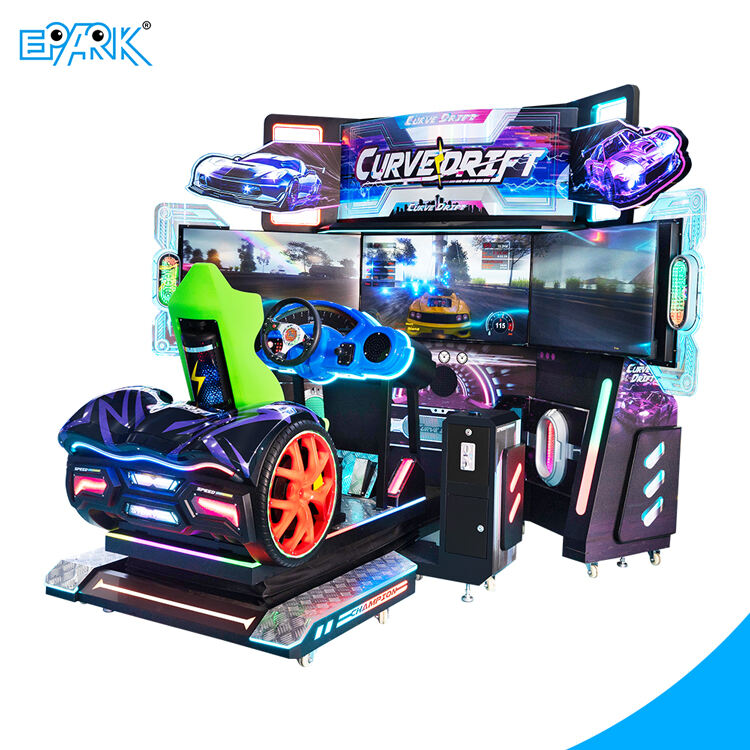
Back in the day, early racing arcade games were all about those 2D sprites and basic steering wheels. Games such as Out Run from 1986 really grabbed attention not because they looked real, but thanks to their bright, colorful visuals that just popped off the screen. Fast forward to today and we see totally different tech at work. Modern setups come equipped with full 360 degree hydraulic cockpits, massive 4K projection screens, and even harnesses that wrap around the whole body while syncing perfectly with what happens in game. The difference is night and day folks! According to a recent 2023 survey of arcade goers, a whopping 72 percent said they'd much rather play on motion based simulators than stick with old school static machines where all you do is mash buttons.
Technological Advancements Shaping Player Expectations
Force feedback steering wheels and those fancy 6-axis motion platforms have definitely taken immersion to another level. Gamers these days want to actually feel the G-forces when they take sharp corners and get real feedback when their virtual tires start slipping on wet pavement. Makes sense really - people are getting used to this kind of realism after spending so much time with high end consoles at home. And it looks like the numbers back this up too. According to Technavio's latest report, the arcade gaming market especially the part dominated by racing simulators is expected to see around $2 billion growth between 2025 and 2029 as operators continue adding these realistic touches to attract customers looking for authentic experiences.
Case Study: Sega’s OutRun to Gran Turismo VR – A Journey in Realism
The progression from Sega’s 1986 sprite-based cabinet to contemporary VR-equipped racing arcade machines illustrates three critical advances:
- Visual Realism: Polygonal counts increased from 500 (Out Run) to over 10 million in modern simulators
- Physical Feedback: Basic vibration evolved into dynamic seat actuators simulating gear shifts and road textures
- Environmental Interaction: Closed-course tracks gave way to real-time weather systems affecting handling
Modern Trends: Rising Demand for Realistic Racing Experiences
Arcade operators are seeing about 40% better player retention when they install those new racing machines with those massive curved screens that wrap around almost 180 degrees plus those modular pedal setups. The numbers get even more interesting when looking at Gen Z gamers these days. A recent survey from the 2024 Amusement Expo found that more than 85% of this younger demographic actually wants something closer to real driving experiences rather than just standard arcade controls. This has pushed manufacturers to start incorporating serious racing tech into their designs now, stuff like magnetic paddle shifters and those super fast 240Hz display panels that make everything look so crisp and responsive.
Immersive Sensory Technologies: Haptic Feedback, 4D Motion, and VR Integration
Advanced Motion Simulation and Force Feedback for Realistic Handling
Today's racing arcade setups come equipped with those fancy 6-axis motion platforms that try to mimic how gravity feels when speeding up, slamming on brakes, or taking tight corners. The steering wheels give back force feedback too, changing how hard they feel depending on what kind of road surface the game thinks we're driving on. According to some numbers from SimRig Analytics last year, around three out of four gamers actually care more about how responsive the wheel feels than how good looking everything is on screen when judging if something feels real. Most people just want that authentic grip sensation while pretending they're behind the wheel of a supercar.
Haptic Systems That Replicate Road Surfaces and Collisions
Cutting-edge haptic actuators embedded in seats, pedals, and shifters deliver precise vibrations matching road textures like gravel or wet asphalt. Research from Frontiers in Virtual Reality (2024) demonstrates that multi-modal haptic feedback (pressure + vibration) improves collision realism perception by 43% compared to basic rumble systems.
4D Motion Platforms Synced with In-Game Events
Hydraulic 4D bases tilt cabins up to 25 degrees and generate sudden jolts during crashes or off-track moments. Using predictive algorithms, these platforms initiate movement 80ms before corresponding visual events, achieving seamless synchronicity—72% of players describe the effect as "physically convincing" in arcade operator trials.
Virtual Reality in Racing Arcade Machines: From Visuals to Environmental Effects
VR headsets with 180° FOV and 90Hz refresh rates immerse players in hyper-detailed cockpits while simulating environmental factors like crosswinds and temperature shifts. A 2025 neuroscientific study revealed that combined visual-haptic stimulation in VR racing reduces players' perception of artificial latency by 31%, significantly enhancing presence.
Case Study: Zero Latency’s VR Racing Modules in Commercial Game Centers
The wireless VR system "NeoDrift" combines untethered headsets with haptic vests that simulate G-forces and engine vibrations. Deployed in over 120 arcades globally, operators report 68% longer average play sessions compared to traditional cabinet racers, with 4D effects increasing repeat visits by 2.3x according to 2024 user metrics.
Authentic Cockpit Design and Ergonomic Engineering for Player Comfort
Race-Ready Cockpits That Mirror Real-World Vehicles
The latest racing arcade setups really focus on creating cockpits that feel just like what pros drive. They've got those fancy force feedback steering wheels, pedals that actually resist like real ones do, and dashboards copied straight from high-end sports cars. All these details help build muscle memory so when someone gets behind the wheel for real, some of those skills already click into place. According to surveys floating around the industry, about seven out of ten people put authenticity at the top of their wish list when they walk into an arcade. That's why we're seeing more and more arcades splashing cash on officially licensed car replicas rather than generic knockoffs. After all, nobody wants to pretend they're driving something that looks nothing like the actual thing.
Ergonomic Seating and Adjustable Controls for All Body Types
Arcade game centers are finally getting serious about seating these days. Many places now offer chairs with full 360 degree back support and armrests that can be adjusted for height, depth, and even angle so folks between 4 foot 11 inches all the way up to 6 foot 7 inches can actually sit comfortably. Back in the day, those old arcade stools would leave gamers exhausted within just ten minutes according to a report from the Entertainment Standards Board in 2023. But today's new designs have cut down on people abandoning their games mid-session by almost 60 percent. The breathable mesh material combined with special foam padding that spreads out body weight makes it possible for players to stay put longer without feeling sore or uncomfortable after hours at the controls.
Customizable Driver Setups to Enhance Personal Engagement
Gamers have options to tweak how sensitive controls feel, adjust where pedals sit, and even change how far back seats recline through those touchscreens on the machines, plus they can save all these settings onto their loyalty cards for quick recall later. The ability to customize really makes people care more about their experience at arcade locations. Some places actually see around 40% longer time spent playing when folks come back with their saved setups already loaded. And don't forget about those modular cockpit designs either. Operators can pop out old parts and replace them with new ones such as different gear shift mechanisms or updated virtual reality headset mounts. This means the equipment stays fresh and relevant as player tastes continue changing over time.
Social and Multiplayer Dynamics: Driving Engagement Through Competition
Multiplayer Racing Modes and 8-Player Showdowns in Game Centers
Modern racing arcade machines support simultaneous 8-player competitions, replicating the adrenaline of live motorsport events. Split-screen displays and synchronized seat vibrations amplify rivalries, transforming solo play into shared, high-energy experiences.
Networked Tournaments and Cross-Location Leaderboards
Integrated systems enable players to join tournaments across multiple game centers, with live leaderboards displaying regional rankings. Venues using cross-location competitions see 34% higher repeat visitation, as players return to climb leaderboards or defend titles.
Team-Based Challenges That Foster Group Interaction
The cooperative mode in these games matches drivers up for long races or mission-based challenges where they need to talk through pit stop scenarios together. What happens? Groups that start off just hanging out end up working like a well oiled team. Operators at arcades have noticed something interesting too: around two thirds of them say people stay longer when they're planning strategies as a group. These racing machines aren't just about speed anymore. They've become pretty much necessary equipment for places that want to keep crowds entertained together, creating those moments where strangers bond over split second decisions on the track.
Technology-Driven Operations: Boosting Retention and Long-Term Player Engagement
Data Tracking and Performance Analytics for Player Progression
The latest racing arcade setups come equipped with internal telemetry systems that keep tabs on everything from lap times to how accurately someone navigates corners and manages their throttle input. Game operators take all this info and build individual skill profiles for each player, which helps them see where they stand compared to others via easy-to-read dashboards. People tend to stick around longer when they can actually measure their improvement over time. Research in the gaming tech field shows something interesting too about this whole tracking thing - roughly two thirds of regulars come back for more if they can see numbers showing what they've achieved so far.
Loyalty Programs and Rewards via Integrated Arcade Management Systems
Centralized arcade software links machine usage to tiered reward systems. Players earn points for consecutive plays or milestone achievements, redeemable for exclusive vehicle skins or priority access to premium simulators. These programs reduce attrition by 22% (Arcade Tech Quarterly, 2023), as users favor venues offering tangible progression incentives.
Racing Arcade Machines as Centerpiece Attractions in Modern Game Centers
With modular support for VR headsets, motion actuators, and multi-screen configurations, racing cabinets now dominate game center floor plans. Operators report 40% higher foot traffic in zones featuring these machines, drawn by their immersive tech stack that appeals to both casual visitors and motorsport enthusiasts.
FAQ
What are some modern advancements in racing arcade machines?
Modern racing arcade machines feature immersive technologies like 6-axis motion platforms, 4D motion synchronization, force feedback steering wheels, virtual reality headsets, and customizable controls to provide a lifelike racing experience.
How have player expectations changed with new technology in arcade racing?
Players now expect enhanced realism, with features that simulate real-world physics and driving sensations, such as responsive force feedback and lifelike environmental interactions.
How do modern racing arcades enhance player engagement?
These arcades utilize social dynamics through multiplayer modes, networked tournaments, and personalized driver setups, offering a cohesive and interactive gaming experience.
What role does VR play in modern arcade racing machines?
VR enhances immersion by providing hyper-detailed environments and visual-haptic stimulation that reduces perceived artificial latency, enriching the player experience.
How do customizable driver setups benefit players in arcades?
Customizable setups allow players to adjust controls and seating for a tailored experience, and save preferences for later sessions, enhancing comfort and engagement.
Table of Contents
- From Classic Cabs to Immersive Simulators: The Evolution of Racing Arcade Machines
-
Immersive Sensory Technologies: Haptic Feedback, 4D Motion, and VR Integration
- Advanced Motion Simulation and Force Feedback for Realistic Handling
- Haptic Systems That Replicate Road Surfaces and Collisions
- 4D Motion Platforms Synced with In-Game Events
- Virtual Reality in Racing Arcade Machines: From Visuals to Environmental Effects
- Case Study: Zero Latency’s VR Racing Modules in Commercial Game Centers
- Authentic Cockpit Design and Ergonomic Engineering for Player Comfort
- Social and Multiplayer Dynamics: Driving Engagement Through Competition
- Technology-Driven Operations: Boosting Retention and Long-Term Player Engagement
-
FAQ
- What are some modern advancements in racing arcade machines?
- How have player expectations changed with new technology in arcade racing?
- How do modern racing arcades enhance player engagement?
- What role does VR play in modern arcade racing machines?
- How do customizable driver setups benefit players in arcades?