
 EN


Introduction
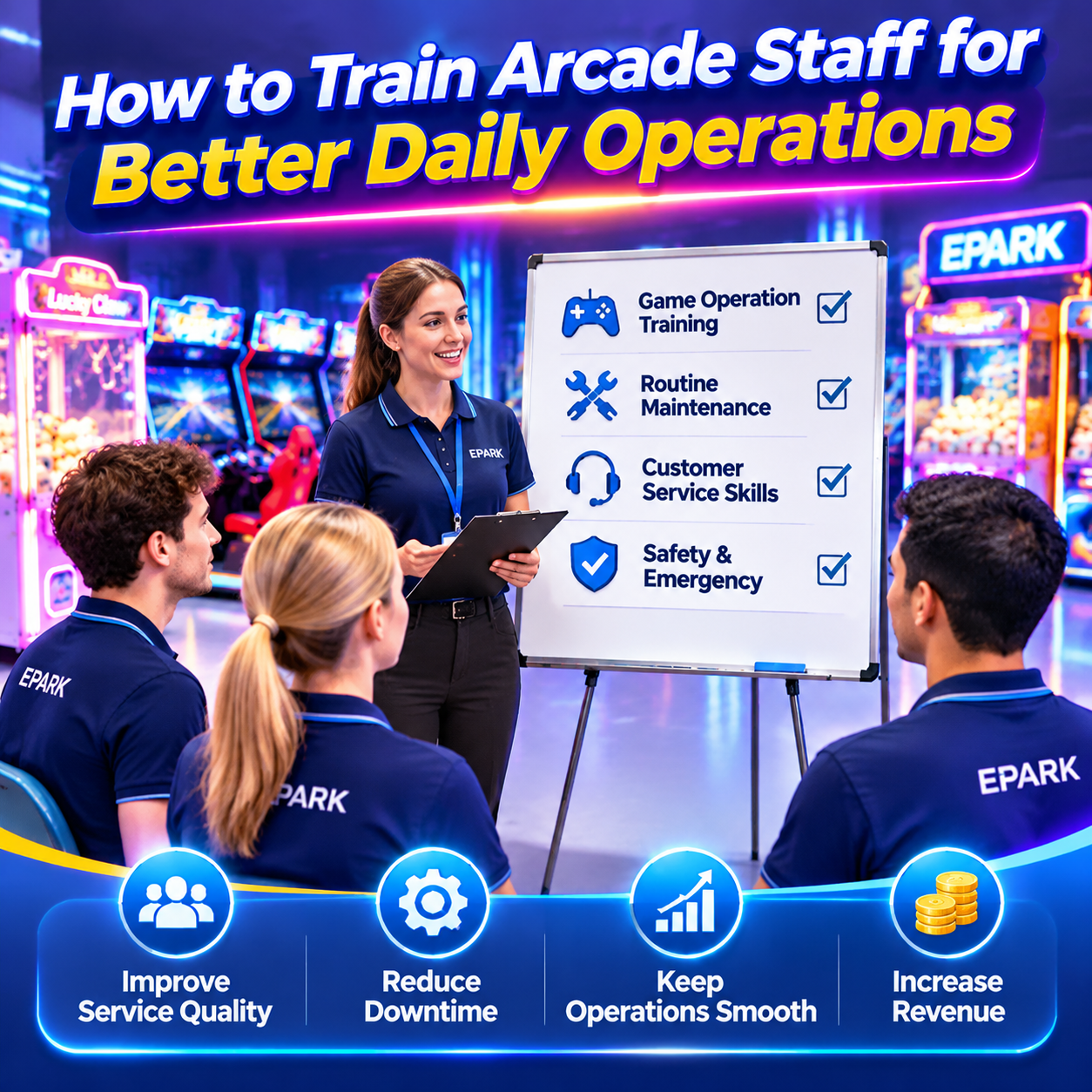
Running a successful arcade or family entertainment center (FEC) requires more than attractive game machines and a suitable location. Employees also play an important role in maintaining daily operations, assisting customers, and creating a positive entertainment experience.
From operating arcade equipment to handling customer questions and organizing prize redemption, staff members need to understand their responsibilities.
Without proper training, even a well-equipped entertainment venue may experience inefficient workflows, customer complaints, and unnecessary operational problems.
For arcade owners and FEC operators, developing a practical staff training program can help improve service quality, reduce mistakes, and maintain consistent daily operations.
Define Employee Roles and Responsibilities
Before training begins, establish clear responsibilities for each position.
Depending on the size of the venue, employees may handle customer reception, payment assistance, equipment monitoring, prize management, cleaning, or technical support coordination.
In smaller arcades, one employee may perform several duties. Larger entertainment centers may require separate teams.
Clearly defined responsibilities help prevent duplicated work and ensure that important tasks are not overlooked.
Provide Basic Arcade Machine Operation Training
Employees should understand how the machines in their assigned areas operate.
Training should cover startup procedures, basic gameplay instructions, payment methods, and normal operating functions.
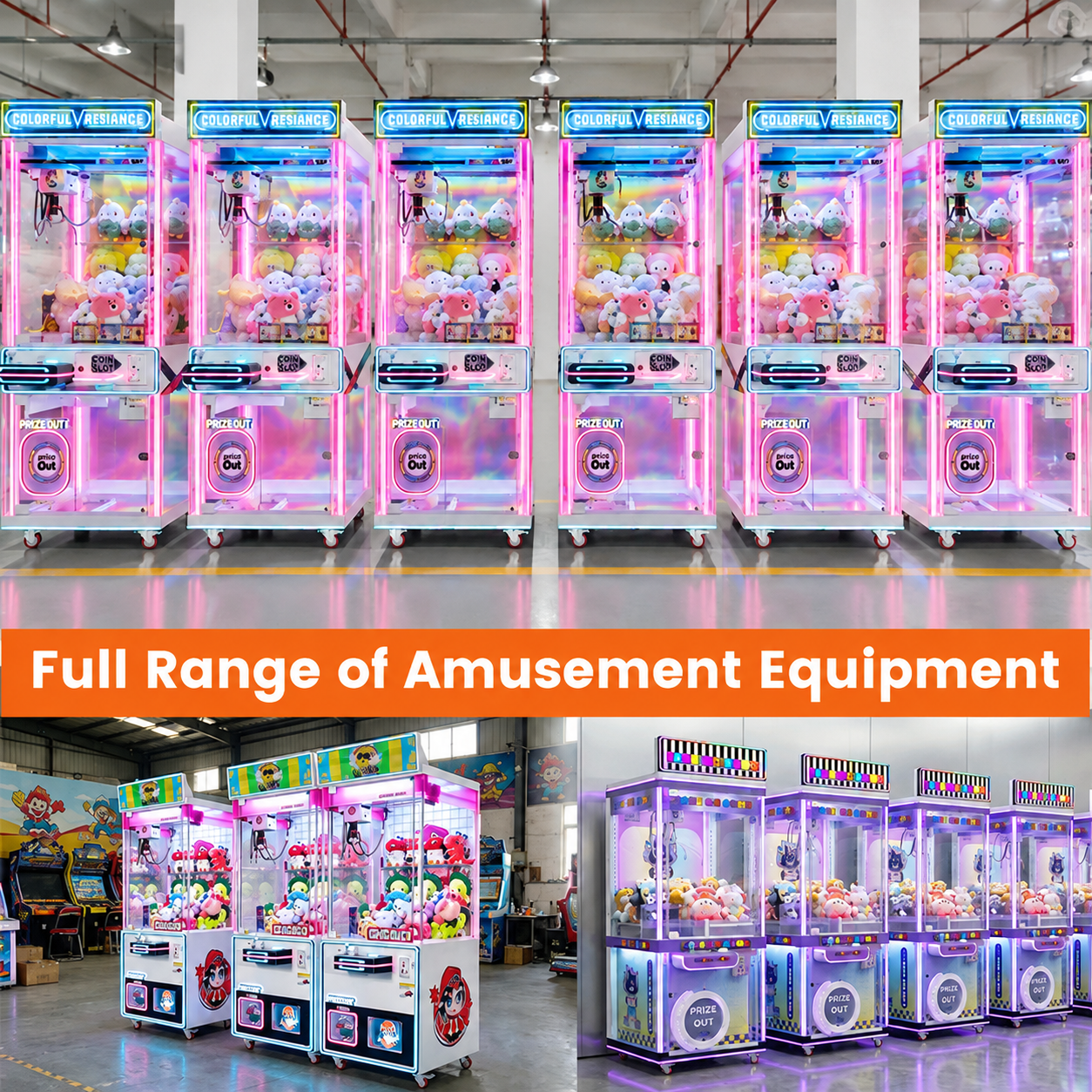
For example, staff working around claw machines should understand how customers start a game and how to identify obvious operational problems.
Staff responsible for racing machines should know how to assist players with seating, controls, and game selection.
Basic familiarity with equipment allows staff to answer questions more confidently and provide better customer assistance.
Improve Customer Service Skills
Customer service directly influences how visitors perceive an entertainment venue.
Employees should communicate politely, provide clear instructions, and respond appropriately when customers need assistance.
Common situations include explaining game rules, helping visitors purchase credits, answering prize redemption questions, and handling complaints.
Staff should also know when to refer complicated issues to a manager.
Consistent communication helps create a welcoming environment for families, groups, and individual players.
Train Employees to Recognize Equipment Problems
Although employees do not necessarily need to perform technical repairs, they should recognize common signs of equipment malfunction.
These may include unresponsive controls, unusual mechanical noises, display problems, payment errors, or ticket dispenser issues.
Staff should know how to stop customers from using potentially unsafe equipment and report problems through the correct procedure.
Internal electrical repairs and mechanical servicing should only be performed by qualified personnel.
A clear reporting process helps managers arrange technical assistance before minor problems affect more customers.
Establish Cleaning and Equipment Inspection Procedures
Cleanliness and equipment condition are important parts of daily arcade management.
Employees should follow a regular checklist covering frequently touched surfaces, control panels, screens, customer areas, and prize counters.
They should also check for visible cabinet damage, loose components, and blocked ventilation openings.
Cleaning procedures must use suitable materials for electronic equipment and avoid exposing electrical components to moisture.
Assigning specific responsibilities makes it easier to maintain consistent standards throughout the venue.
Teach Employees How to Manage Busy Periods
Weekends, public holidays, and school vacations can create significant increases in customer traffic.
Employees should understand how to manage queues, assist customers efficiently, and keep gaming areas organized.
Managers can assign staff to high-demand sections and ensure that payment and prize redemption areas receive sufficient attention.
Employees should also understand how to communicate when popular machines are temporarily unavailable.
Preparing staff for busy periods helps reduce confusion and improve the customer experience.
Train Staff in Prize and Inventory Management
For arcades operating claw machines and redemption games, prize management is an important daily responsibility.
Employees should understand how to organize merchandise, check inventory, replenish popular items, and identify damaged products.
They should also know how to explain ticket requirements and redemption procedures.
Accurate inventory records help managers monitor stock levels and prepare replenishment orders.
Provide Safety and Emergency Response Training
Safety training should be included in every arcade staff program.
Employees need to understand emergency exits, evacuation procedures, equipment safety rules, and the process for reporting incidents.
For venues serving children, staff should also understand supervision requirements and the age suitability of different attractions.
Emergency procedures should be communicated clearly and reviewed periodically.
Training should follow local regulations and the venue's approved safety procedures.
Evaluate Employee Performance Regularly
Staff training should not end after the first few days of employment.
Managers should review employee performance through daily observations, customer feedback, and operational records.
Useful evaluation areas include:
Customer service quality
Equipment operation knowledge
Attendance and punctuality
Cleaning and inspection consistency
Problem reporting
Team communication
Regular feedback helps employees understand where improvement is needed.
Short refresher sessions can also introduce updated procedures or new equipment functions.
Work With an Experienced Arcade Equipment Manufacturer
Employee training becomes easier when arcade machines are supported by clear operating instructions and reliable technical documentation.
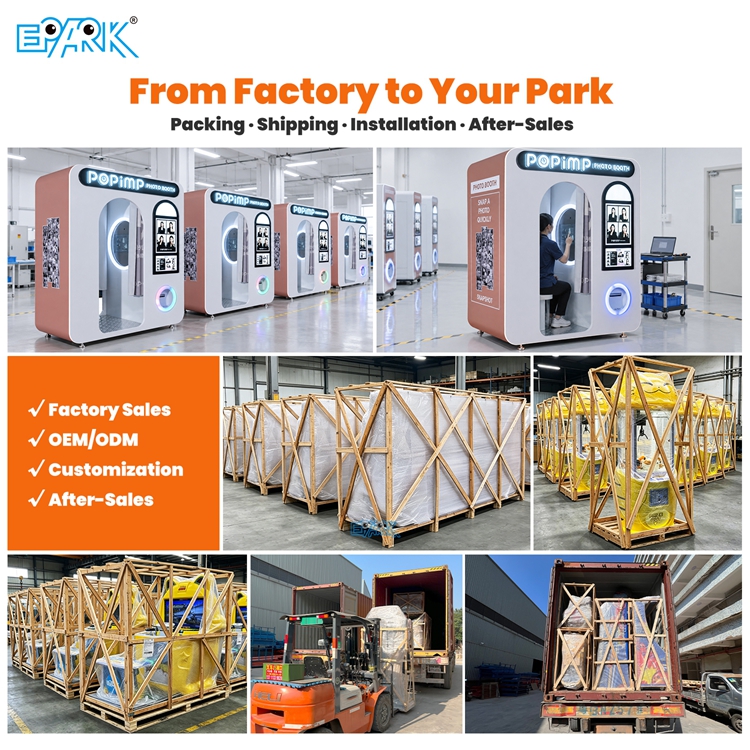
When purchasing commercial equipment, arcade owners should ask manufacturers about user manuals, maintenance guidance, staff training resources, and after-sales assistance.
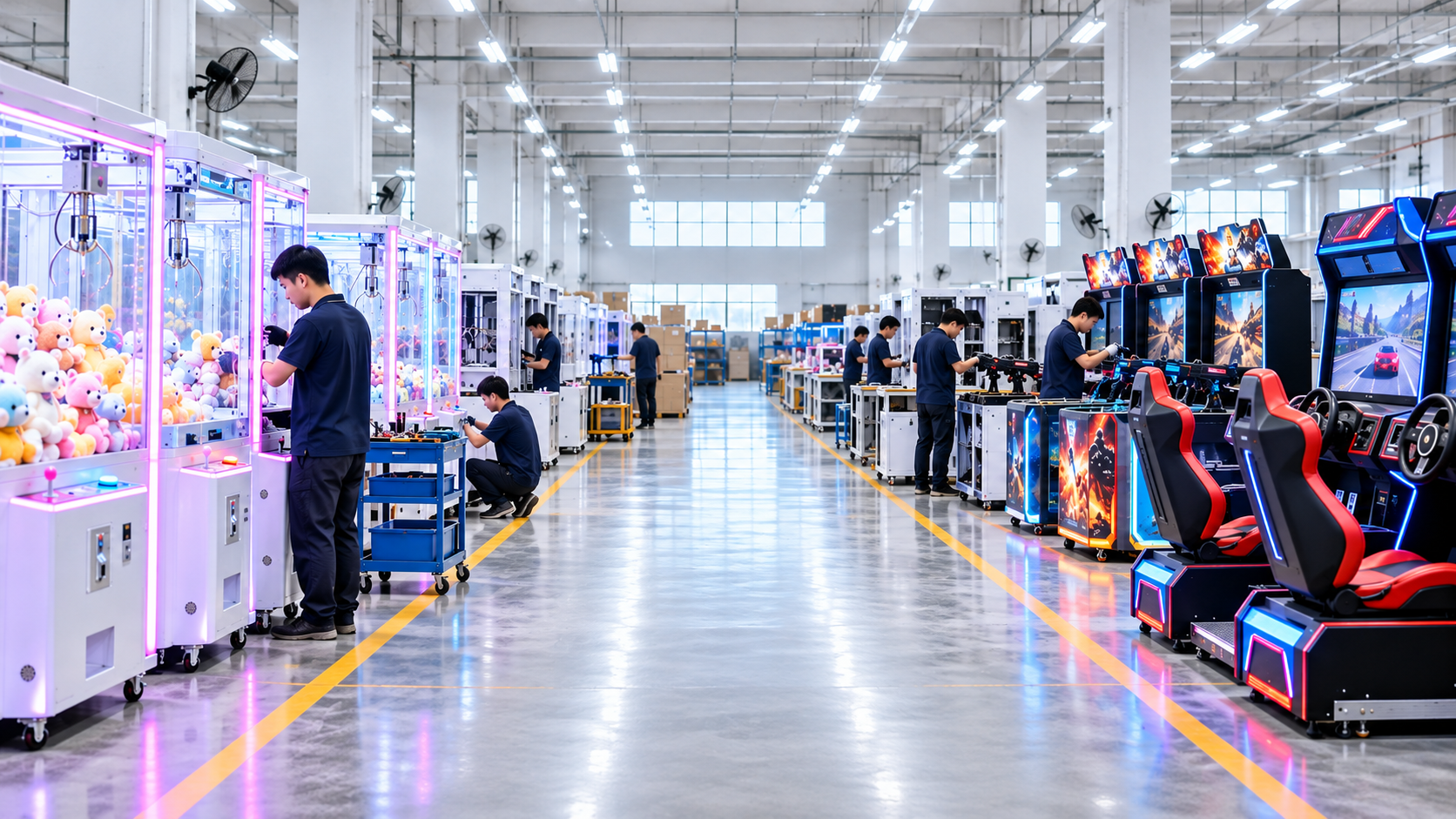
EPARK is a professional amusement equipment manufacturer based in Guangzhou, China, with over 14 years of manufacturing experience.
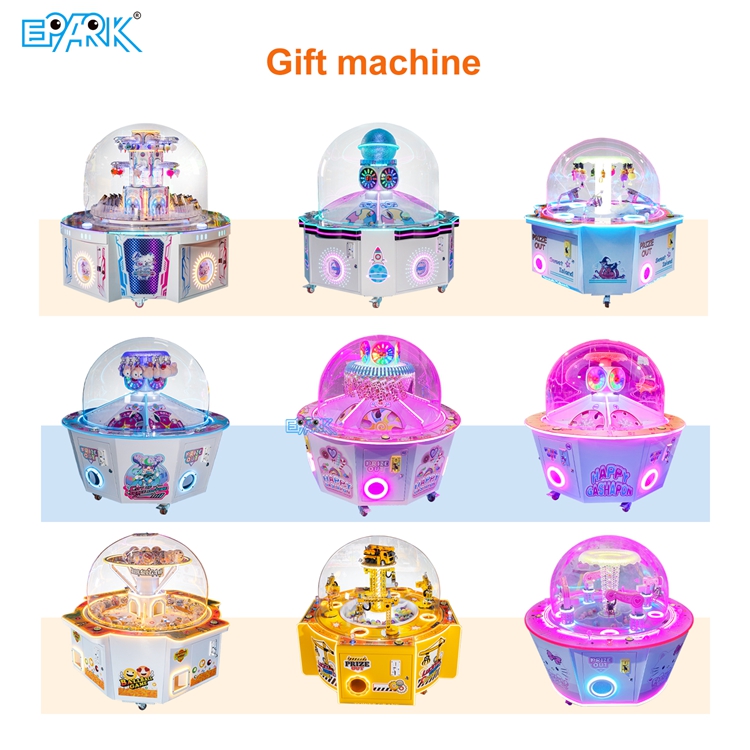
Our product range includes claw machines, racing arcade games, redemption machines, basketball games, boxing machines, VR equipment, and other commercial entertainment attractions.
EPARK supports international distributors, FEC operators, and entertainment investors with equipment selection, customization, production, quality inspection, and after-sales assistance.
Whether you are opening a new arcade or upgrading an existing venue, choosing suitable equipment and understanding its operating requirements can help establish a more efficient business.
Visit EPARK Game Machine Factory to explore commercial arcade machines and entertainment project solutions.
Frequently Asked Questions
How Long Does Arcade Staff Training Usually Take?
Training time depends on employee responsibilities, venue size, and equipment complexity. Basic customer service and operating procedures can be introduced during onboarding, followed by practical training and regular refreshers.
Should Arcade Employees Learn Basic Machine Repairs?
Employees should learn to recognize common faults and follow reporting procedures. Internal electrical and mechanical repairs should be handled by qualified technicians.
How Can Arcade Owners Improve Employee Efficiency?
Clear job responsibilities, practical training, standardized checklists, regular communication, and performance reviews can help employees complete daily tasks more consistently.
Conclusion
Well-trained employees are an important part of successful arcade and FEC operations.
By providing equipment training, improving customer service, establishing clear responsibilities, and strengthening safety awareness, operators can create a more organized and reliable entertainment environment.
For arcade owners and entertainment investors, employee development should be considered alongside equipment selection and business planning.
Visit EPARK Game Machine Factory to explore commercial amusement equipment and discuss suitable solutions for your entertainment project.
Table of Contents
- Introduction
- Define Employee Roles and Responsibilities
- Provide Basic Arcade Machine Operation Training
- Improve Customer Service Skills
- Train Employees to Recognize Equipment Problems
- Establish Cleaning and Equipment Inspection Procedures
- Teach Employees How to Manage Busy Periods
- Train Staff in Prize and Inventory Management
- Provide Safety and Emergency Response Training
- Evaluate Employee Performance Regularly
- Work With an Experienced Arcade Equipment Manufacturer
- Frequently Asked Questions
- Conclusion