
 EN
EN


Space-Smart Bowling Alley Equipment for Tight Footprints
Mini-Bowling, String-Pin, and Duckpin Systems: Comparative Footprint & Layout Efficiency
Venues with limited space can really take advantage of these special bowling setups like mini-bowling, string-pin, and duckpin systems. These options keep the fun of regular bowling but need way less room to operate. For mini-bowling, the lanes are only around 20 to 30 feet long, which is about half the size of normal lanes that stretch all the way to 60 feet. And they only need 6 feet across, so it saves a ton of floor space. String-pin bowling cuts down on equipment because the pins hang from tight strings instead of needing big machines above the lanes. This setup means we can fit more lanes closer together since there's no bulky machinery taking up extra space. Duckpin bowling uses smaller balls and pins altogether, making it work well in spaces that are maybe 10 to 12 feet wide and about 45 feet long. While not as dramatic as mini-bowling, this still makes a real difference for places where every square foot counts, yet players still get to enjoy traditional scoring methods they know and love.
| System | Min. Lane Length | Min. Width | Lane Area Savings |
|---|---|---|---|
| Mini-Bowling | 20 ft | 6 ft | 55–65% |
| String-Pin Bowling | 35 ft | 7 ft | 30–40% |
| Duckpin Bowling | 45 ft | 10 ft | 15–25% |
For venues under 1,000 sq ft, mini-bowling and string-pin configurations maximize player throughput and revenue density while retaining authentic mechanics. Duckpin serves as a strategic middle ground—ideal where operators seek familiar rules and scoring with manageable spatial trade-offs.
Real-World Venue Integration: From 300 sq ft single-lane setups to 1,200 sq ft dual-lane lounge configurations
Small scale setups work really well in spaces that need to change around a lot - think tiny bars, rooftop hangouts, those fancy FEC places in cities. For example, one lane of mini bowling actually fits into about 300 square feet if we put digital scoreboards on the walls and get those folding seats for spectators. When we want two lanes with string pins, it takes roughly 1,200 square feet but still leaves room for all sorts of cool stuff like shared ball return areas, music systems built right in, and lights that go into the ceiling so nobody wastes space walking around. Up on rooftops or in busy city spots, duckpin bowling is super popular because each lane is only 12 feet wide. This lets operators line up several lanes next to drink stations while keeping walkways clear enough for people to move around comfortably without feeling cramped or losing any of the fun features.
Successful integrations follow intentional zoning strategies:
- Single-lane venues: Centralized equipment placement with perimeter seating maximizes open floor area.
- Multi-lane hubs: Angled or staggered lane orientation leverages corner spaces and improves sightlines.
- Hybrid spaces: Convertible flooring systems allow rapid transitions between bowling mode and event-ready configurations during off-peak hours.
Low-Maintenance Bowling Alley Equipment for Consistent Uptime
String Pinsetters: 70% Fewer Service Calls vs. Traditional Machines (IBPF 2023 Data)
The string pinsetter design brings much better reliability compared to older models because it replaces all those complicated mechanical parts with a simpler suspended string system for resetting pins. The International Bowling Proprietors Federation released some interesting numbers in their 2023 report showing these newer systems need about 70 percent fewer service calls than traditional free fall pinsetters. Why? Well, they just don't get stuck on things like jammed pins, gears that line up wrong, or broken conveyor belts so often anymore. Since there are way fewer moving components overall, maintenance becomes something that happens less frequently and emergency breakdowns during busy times become much rarer events. This makes string pinsetters particularly good choice for bowling alleys that might not have full time technicians on hand or ones that stay open late into the night when getting repairs done quickly matters most.
Duckpin Lanes and Hybrid Manual-Automatic Options for Bars, Hotels, and FECs
The duckpin lanes help keep maintenance costs down since they cover about 30 to maybe even 40 percent less space than regular lanes. This means less wear and tear happens on things like the floor surfaces, ball return mechanisms, and those little spotter parts around the lanes. The hybrid system works both ways too smartly. When there's not much activity, say during slow afternoons at bar locations or late nights at hotel setups, employees can just set up the pins themselves. But when business picks up, the automatic reset feature kicks in. This kind of setup actually makes the whole system last longer, uses less electricity overall, and creates way less noise which is super important for places where guests want to enjoy their time without constant clattering sounds. Family entertainment centers and other multi-purpose spaces find these hybrid options particularly helpful because they cut down on how many staff members are needed at different times of day. Staffing becomes easier to manage as customer flow changes throughout the week while still keeping all lanes ready for action whenever someone wants to play.
Turnkey Bowling Alley Equipment Packages for Small-Business Operators
Pre-Engineered Bundles: Mini Bowling + VR, Redemption, or Themed Lounge Add-Ons
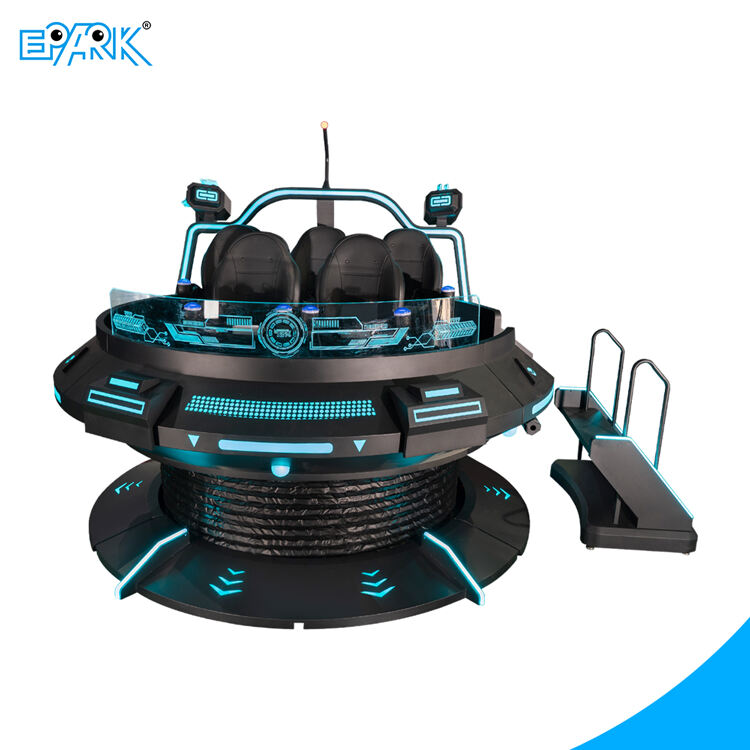
Turnkey packages make setting up mini bowling businesses much easier for small business owners since they come with everything needed all in one package including those fun extras like VR simulators, ticket redemption systems, or even themed lounge kits. When we talk about VR, it really changes how people play because suddenly they're not just rolling balls down lanes anymore but experiencing things like zero gravity alley action or facing off against virtual jungle creatures. The ticket redemption system works great too - every strike or spare earns points toward prizes which keeps customers coming back again and again. We've seen places where this boosts repeat visits by around 30%. For the themed options, think about what makes sense for your location. Packages usually have matching lights, special sound effects, and decorations that fit different vibes like old school diners, sports bars, or glowing arcades from the 80s. This saves tons of time on design work and helps create a consistent look throughout the space. Installation takes about half as long compared to building everything from scratch, and most business owners report getting their money back 40% quicker when these different activities work together nicely. Plus nobody needs fancy tech skills to get started running operations day one.
Budget Guide: $45k–$120k Investment Ranges by Lane Count, Automation Tier, and Custom Theming
The total investment needed for a bowling setup depends on three main factors: how many lanes there are, what level of automation is included, and how elaborate the theming will be. A single lane mini-bowling alley with just basic electronic scoring and automatic ball return usually starts around forty five thousand dollars. When adding a second lane, prices generally go up between seventy five thousand and ninety thousand dollars. Getting mid level automation features like automatic ball returns, lane management software, and those fancy real time analytics systems typically adds about fifteen to twenty percent onto whatever the base cost happens to be. For theming, budget expectations vary quite a bit. Simple stuff like custom vinyl graphics and some LED lighting accents might only set someone back around five grand, whereas full blown environmental packages featuring dynamic lighting effects, spatial audio systems, and custom branded architectural elements can easily push the price tag up to thirty thousand dollars or more.
Recommended allocation benchmarks:
- 1–2 Lanes: $45k–$70k (base automation, minimal theming)
- 3–4 Lanes: $80k–$120k (advanced automation + moderate theming)
Prioritize automation in high-traffic venues—it reduces staffing needs by up to 25%—while reserving premium theming for competitive markets, where it lifts per-game revenue by 20–25%.
FAQ
-
What is the main advantage of mini-bowling systems in tight spaces?
Mini-bowling systems require significantly less space than standard bowling alleys, making them ideal for venues with limited footprint available. -
How do string-pin bowling systems help in space-saving?
String-pin systems eliminate the need for large overhead machinery, allowing for more lanes to be placed in close proximity, thus utilizing space more efficiently. -
Why are hybrid manual-automatic options popular for businesses?
Hybrid options offer flexibility by allowing manual pin setting during off-peak hours and automatic setting when business is busier, optimizing staffing and operational efficiencies.