
 EN
EN


Why Basketball Machines Dominate Teen Engagement in Amusement Zones
The Shift from Passive to Competitive Play Among Teens
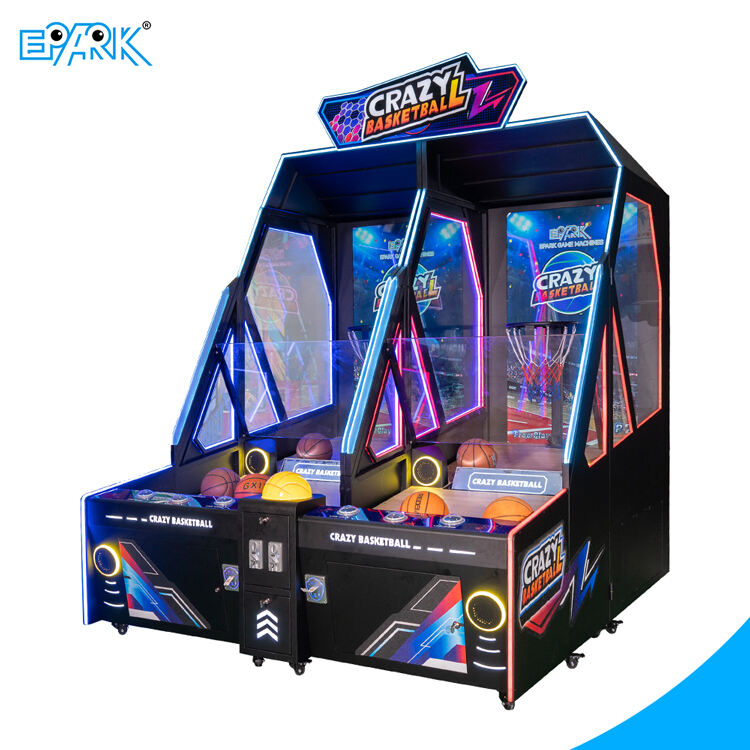
Teens are getting hooked on basketball machines because these setups offer something different from just sitting around watching screens. Instead of passively scrolling through content, kids actually get moving while competing against each other in real time. The machines give instant feedback when someone makes or misses a shot, which appeals to young people who want to see progress happen right away. According to recent market research, about two thirds of teenagers would rather spend their free time doing things that require actual skills than just vegging out in front of a TV or phone. That's where basketball machines come in handy since anyone can jump in regardless of experience level. Newcomers find it easy enough to start playing, while seasoned players face tougher challenges as they advance. The scoreboards create all sorts of fun competitions too many kids will keep coming back just to beat their friends' best marks.
Dopamine-Driven Design: LED Feedback, Real-Time Scoring, and Streak Mechanics
These machines are engineered to activate the brain's reward system through three core features:
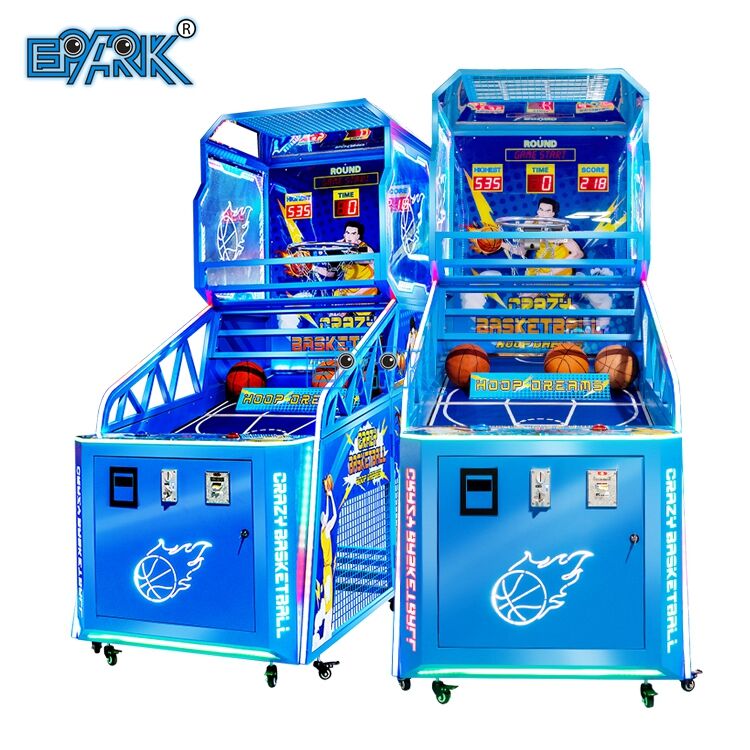
- LED Visual Feedback: Flashing lights and dynamic color shifts on scoring deliver instant, visceral reinforcement.
- Real-time Scoreboards: Public leaderboards spark social competition—players return 40% more frequently to chase rankings.
- Streak Multipliers: Consecutive baskets unlock bonus points, leveraging loss aversion psychology to sustain engagement mid-session.
Together, these elements transform brief interactions into high-energy skill challenges. When paired with adaptive difficulty—auto-adjusting hoop sensitivity based on success rates—average playtime extends by 70% versus fixed-difficulty units. The tactile satisfaction of shooting, amplified by synchronized audiovisual rewards, consistently outperforms digital-only alternatives in driving repeat usage.
Top 5 Basketball Machines Built for Teen Appeal and Durability
For basketball machines in places where teens hang out, look for ones that combine fun competition with solid build quality. The best models these days come packed with stuff kids actually want to see and do. Think flashy LED lights that change colors as they play, screens showing their scores right away, and those cool reward systems when someone makes three shots in a row. But don't forget about how well they hold up over time either. Most good machines have heavy duty steel frames coated with that special powder finish that resists scratches. The backboards are usually made from thick polycarbonate material that can take a beating without cracking. And underneath all that, there are sensors built to handle thousands upon thousands of shots before needing replacement.
The most operationally efficient models include:
- Modular components enabling <10-minute part replacements
- Anti-jam ball returns rated for 10,000 daily cycles
- Vandal-resistant capacitive touch interfaces
- Automated diagnostic systems that SMS alerts to technicians
These engineering choices reduce maintenance costs by 25–40% compared to conventional models, per arcade industry benchmarks. For high-traffic venues, IP54-rated electronics ensure reliable performance amid spills, humidity, and constant use—maintaining consistent calibration without downtime. The result is a machine that sustains teen foot traffic and delivers long-term ROI.
How to Choose the Right Basketball Machine: Key Evaluation Criteria
Adaptive Difficulty and Multiplayer Sync for Sustained Replay Value
Games with adaptive difficulty adjust themselves based on how good someone is at playing them. For beginners, the game gets easier, kind of like widening those hoops in basketball. Advanced players face bigger challenges, maybe something like moving targets appearing out of nowhere. This helps keep people from getting frustrated or stuck at the same level for too long. According to arcade operators last year, these smart adjustments actually make folks play longer games about 40% more than before. There's also this cool feature where 2 to 4 friends can play together at once through connected scoreboards. Teenagers especially love competing against each other socially. Family entertainment places report making around 25% more money per day when they have these multi-player setups compared to regular single player machines sitting alone in corners.
Teen-Centric UX: Intuitive Controls, Visual Feedback, and Fail-Safe Adjustments
When shopping around, pay attention to interfaces that respond to gestures like big buttons, swipe sensitive shot detection areas, and voice guided instructions that work without needing any explanation first. The flashing LED lights combined with changing scoreboards actually hook users through those reward feeling circuits in our brains. Some studies show that when people track their progress and earn badges or something similar, they tend to stick with it about 30% longer each time. For reliable performance, look at machines with built in sensors that spot jams automatically in the ball return mechanism. Also check if the hoops can be adjusted from 4 feet all the way up to 8 feet tall. This adjustment helps kids grow without constantly needing repairs and makes sure everyone gets fair access regardless of their size.
Parent-Co-Play Features and Age-Inclusive Design (6–16+ Testing Insights)
True intergenerational appeal comes from co-play modes—timed collaborative challenges with dual scoring tracks that support both competition and teamwork between parents and teens. Six-month venue testing across age bands (6–16+) revealed 91% user satisfaction when machines included:
- Physical adaptability: Lowerable backboards for younger children
- Cognitive scaling: Simplified rule sets for under-10s
- Shared incentives: Family-wide score multipliers for group play
This versatility expands hourly player rotations and broadens demographic reach—extending value beyond the core teen audience.
Commercial Performance: Revenue Potential and Strategic Placement of Basketball Machines
Revenue Benchmarks: $18–$24 Daily per Unit in High-Traffic Venues
In busy spots such as malls and amusement areas, basketball shooting games typically bring in around $18 to $24 each day for every machine installed. People come back again and again because they enjoy competing against others and get that satisfying buzz when they make shots. It's not really about the newness of the game anymore. Smart operators know how to squeeze more money out of these machines by charging extra bucks during rush times and keeping them running smoothly with quick fixes that take less than half an hour. This means fewer days where nothing gets earned at all.
Optimal Placement Strategy: Malls vs. Sports Arenas and Sub-4-Month ROI
Placement is decisive for ROI:
- Malls & Entertainment Centers: Deliver 22% more daily plays due to impulse-driven, high-density foot traffic. Units near food courts see 30% longer session durations.
- Sports Arenas: Leverage event-driven crowds best with mobile, easily repositionable units—ideally placed near concessions or waiting areas.
A blended deployment across both venue types achieves sub-4-month ROI. Success hinges on three factors: proximity to natural waiting zones (e.g., cinema lines), configurations supporting group play, and IoT-enabled performance tracking to identify top-performing locations in real time.
FAQ
Why are basketball machines popular among teenagers?
Basketball machines are popular among teenagers because they offer a competitive and active alternative to passive screen time. They provide instant feedback and allow teens to engage in friendly competitions, making them appealing to this age group.
What features make basketball machines engaging for teens?
Features like LED visual feedback, real-time scoreboards, and streak multipliers activate the brain's reward system, making basketball machines engaging for teens. These features encourage competition and repeat usage.
What should I consider when choosing a basketball machine?
When choosing a basketball machine, consider factors like adaptive difficulty, multiplayer sync, durable build, and teen-centric user experience to ensure it maintains engagement and longevity.
What revenue can I expect from basketball machines in high-traffic areas?
In high-traffic venues like malls, basketball machines can generate approximately $18-$24 daily per unit, with potential increases during peak times and optimal placement.
How can basketball machines be strategically placed for maximum ROI?
For maximum ROI, place basketball machines in high-foot-traffic areas such as malls near food courts or sports arenas near concessions, where they can easily attract and engage users.
Table of Contents
- Why Basketball Machines Dominate Teen Engagement in Amusement Zones
- Top 5 Basketball Machines Built for Teen Appeal and Durability
- How to Choose the Right Basketball Machine: Key Evaluation Criteria
- Commercial Performance: Revenue Potential and Strategic Placement of Basketball Machines
-
FAQ
- Why are basketball machines popular among teenagers?
- What features make basketball machines engaging for teens?
- What should I consider when choosing a basketball machine?
- What revenue can I expect from basketball machines in high-traffic areas?
- How can basketball machines be strategically placed for maximum ROI?