
 EN
EN
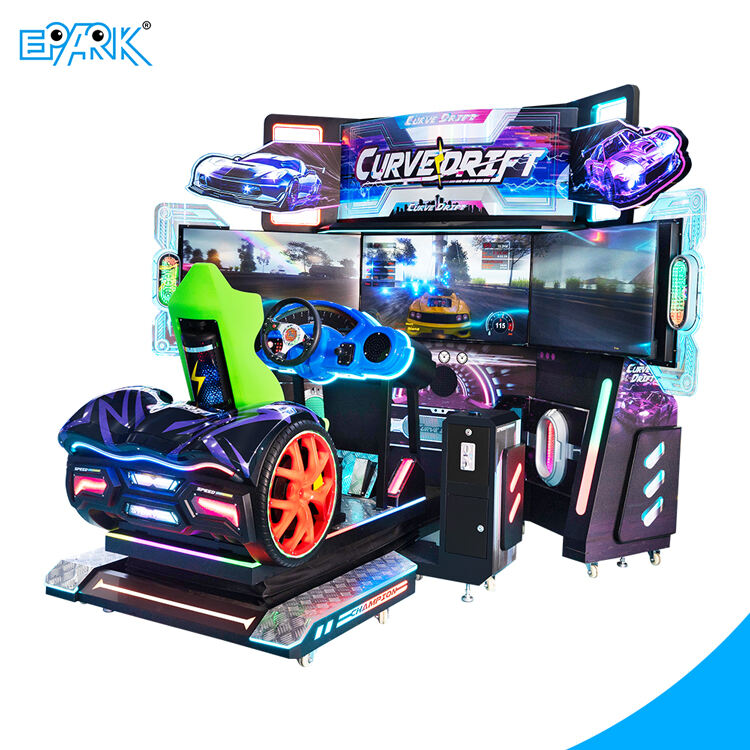
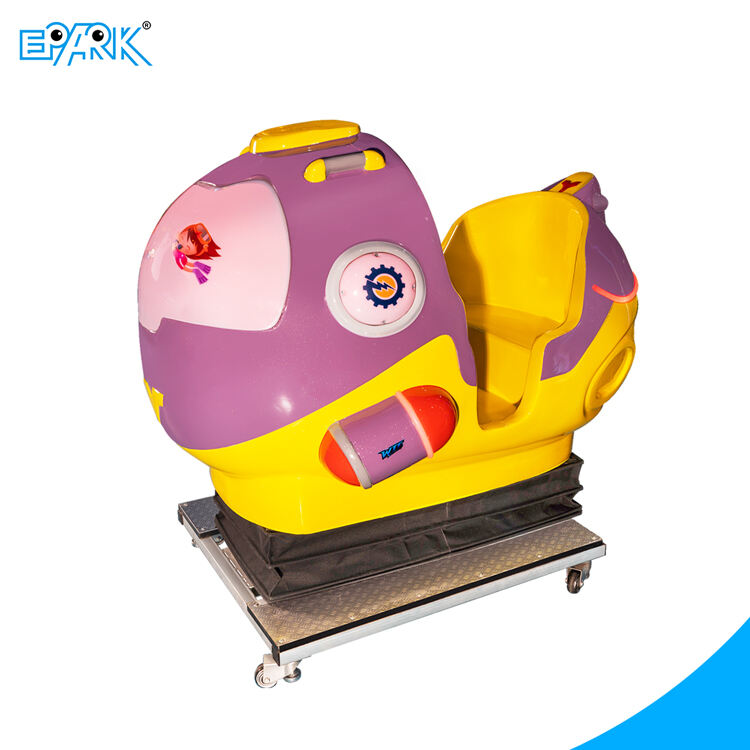

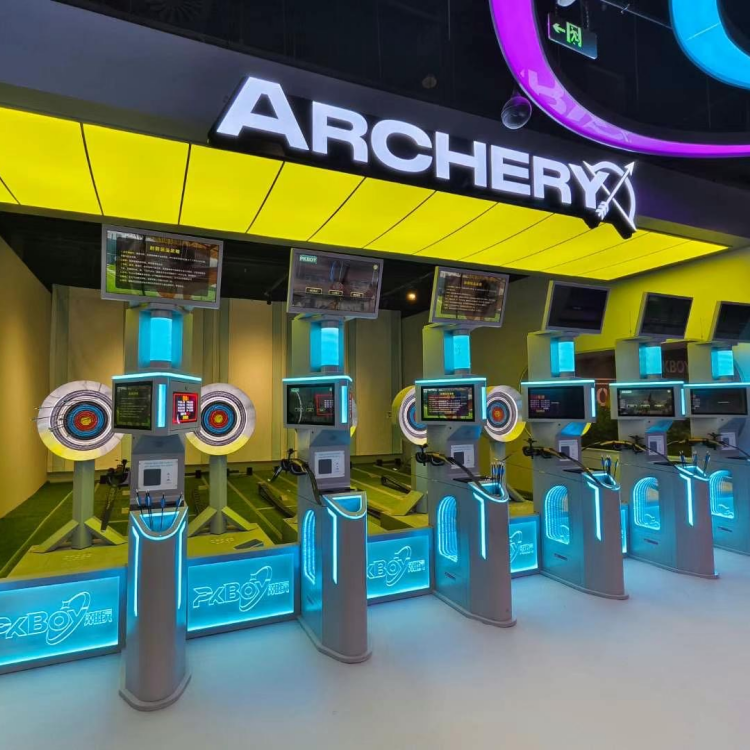
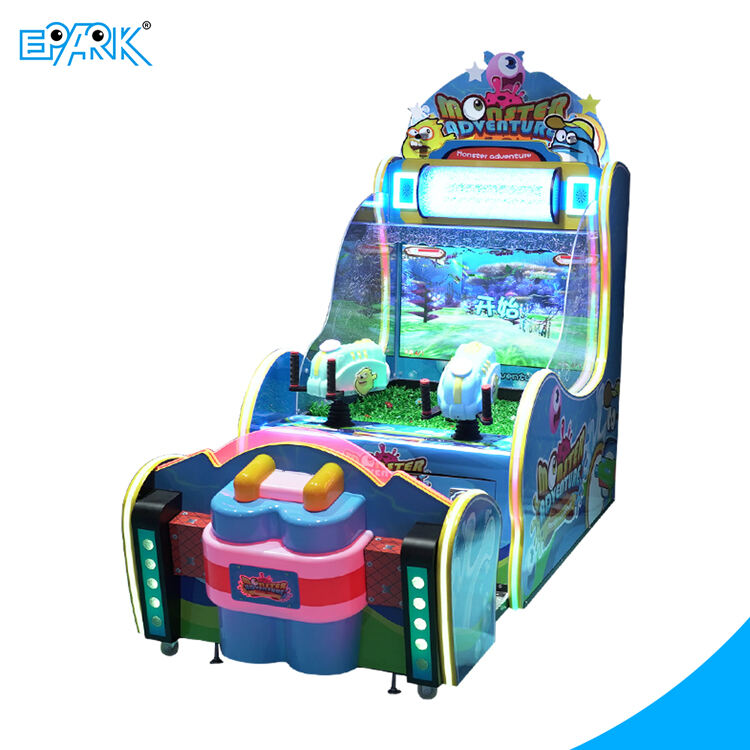

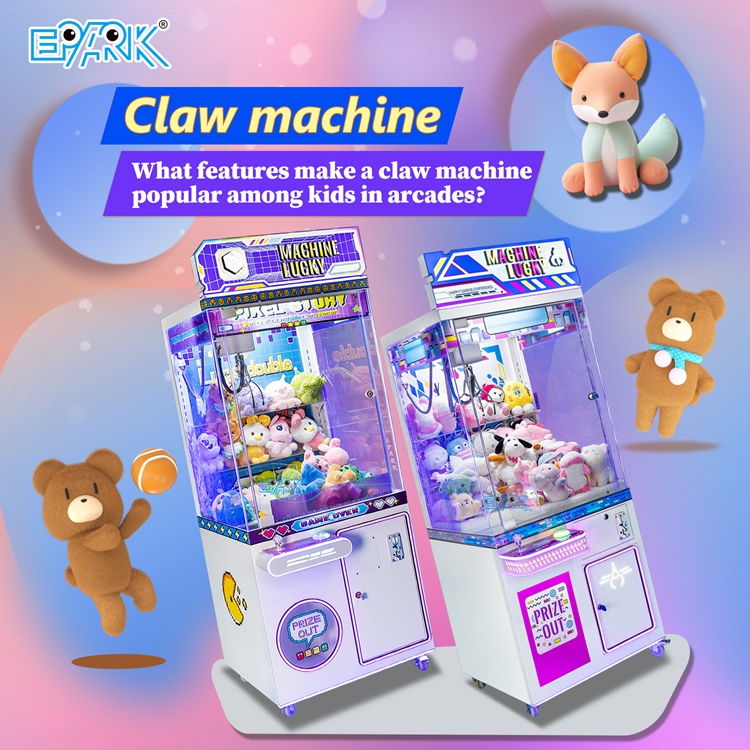
Engaging Design: How Visuals and Ergonomics Attract Young Players
How Lights, Sounds, and Colorful Exteriors Capture Children's Attention
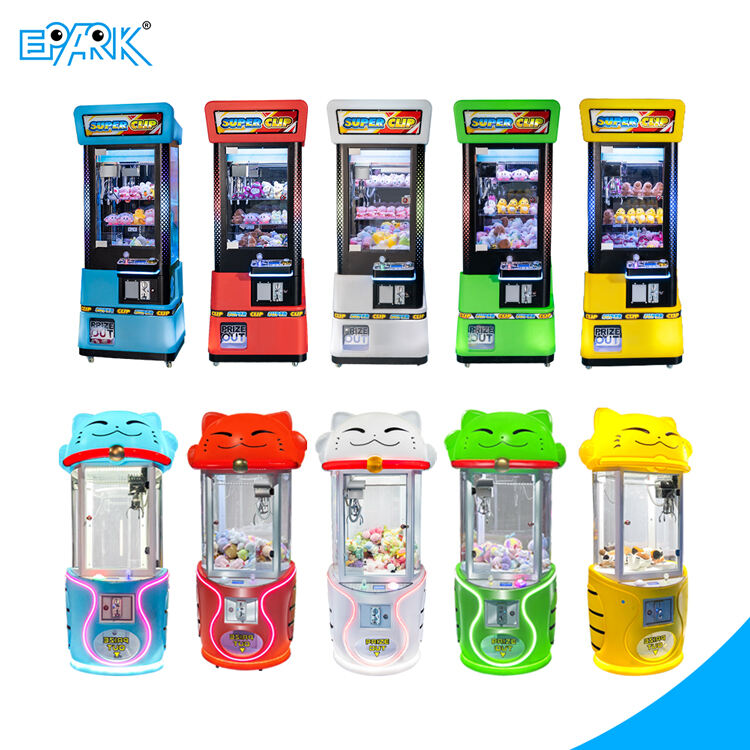
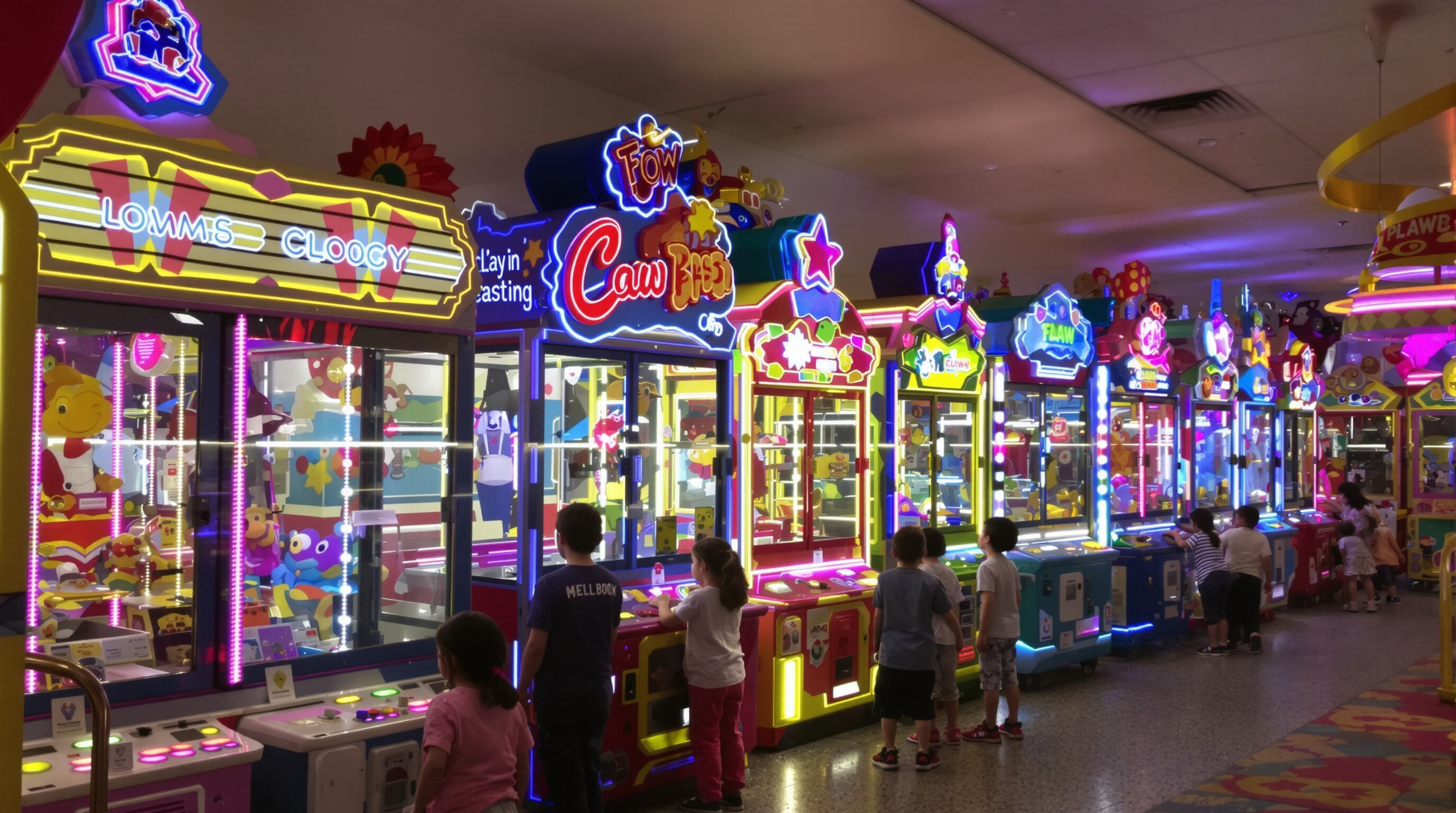
The claw machines targeting kids really grab attention through their multi-sensory designs. Kids can't help but notice those bright colors - think neon yellow mixed with electric blue sticking out in crowded arcades. And the lights flash around too, changing patterns as someone plays the game. The sounds are pretty catchy too, from happy little jingles when they win something to silly voices saying things like "Come on!" whenever they try again. Some studies actually found that all these sensory features get kids curious about playing about two and a half times quicker compared to boring old machines without any color or noise (source says RMCAD somewhere back in 2024). Arcade owners tell me time and again that machines decorated with moving pictures on the outside, like spinning stars or cartoon blasts, tend to be used way more often during busy times, maybe even double what others get.
Child-Friendly Size and Placement for Easy Access in Arcades
Top-performing claw machines prioritize accessibility with:
- Low-profile bases (24–30 inches tall) for preschoolers
- 45-degree angled glass to improve prize visibility
- Non-slip step stools for shorter players
Machines placed near high-traffic zones (e.g., ticket redemption counters) achieve 35% higher engagement, as parents often use them as "reward stops" during visits. Clear sightlines from seating areas also let guardians supervise play while socializing.
Ergonomic Controls and Large Buttons Designed for Small Hands
Designers address developmental needs with:
- Oversized joysticks (2–2.5" grips) for better motor control
- Mushroom-shaped buttons requiring only 1.5 lbs of pressure
- Tactile feedback via click sounds and vibration pulses
These adaptations reduce frustration for children aged 3–8, whose hand muscles are still developing. Arcade surveys show machines with ergonomic controls retain players 22% longer per session compared to standard models.
Themed Designs (e.g., Animals, Superheroes) That Boost Emotional Appeal
Licensed characters and seasonal themes (e.g., holiday-themed claws) create emotional hooks that drive repeat plays. Popular strategies include:
- Animated prize chambers where sharks "swim" or unicorns "gallop"
- Story-driven mechanics (e.g., "rescue the trapped dinosaur eggs")
- Collectible series (matching plush sets that encourage multiple wins)
A 2023 study found that machines featuring recognizable TV characters generate 68% more revenue than generic designs, as themes tap into children's desire for narrative-driven play.
Prize Selection and Placement: Driving Engagement Through Reward Appeal
Best Types of Prizes for Claw Machines: Plush Toys, Collectibles, and Novelties
Soft stuffed animals still top the list as favorite prizes in those claw grabbers at arcades, accounting for about 68 percent of all attempts by kids aged 12 and younger according to the Retail Gaming Report from last year. Mini collectibles, sticker packs, and special edition figures really tap into what kids want when they're trying to finish their collections. For quick wins without breaking the bank, things like glowing LED bracelets or little slime making kits give that immediate satisfaction factor. Most arcade operators stick to items costing around three bucks or less wholesale because it keeps their bottom line healthy while still making the prizes feel worth the effort for players.
Strategic Layering of Prizes to Create Visibility and Desire
Successful claw machines use a "pyramid stacking" method:
- Top layer: Large, eye-catching plush toys angled toward the glass
- Middle layer: Medium-sized prizes like squishy balls or themed keychains
- Base layer: Dense clusters of small items to create an "abundance effect"
This layout ensures players see high-value targets immediately while feeling surrounded by attainable rewards. Brightly colored items are placed 15–20% closer to the chute to leverage color psychology principles.
Using High-Visibility and Near-Reachable Prizes to Encourage Repeat Play
Vendors often place what they call "teaser prizes" right out of reach of the claw machine's grabber. These tempting items sit just outside the mechanical arm's ability to snatch them, creating that frustrating yet addictive almost-won feeling for players. Research indicates that when there are around three to five premium prizes visible but unattainable, people tend to play again about 42% more frequently than usual sessions. The design elements matter too. Clear plastic tubes showing tokens dropping one after another or brightly colored balls bouncing around inside definitely catch attention. Some machines even have angled bases that let certain prizes slowly slide into position where they look like they might be grabbed if only the player could time their moves just right during each round.
Gameplay Experience: Balancing Skill, Chance, and Child Psychology
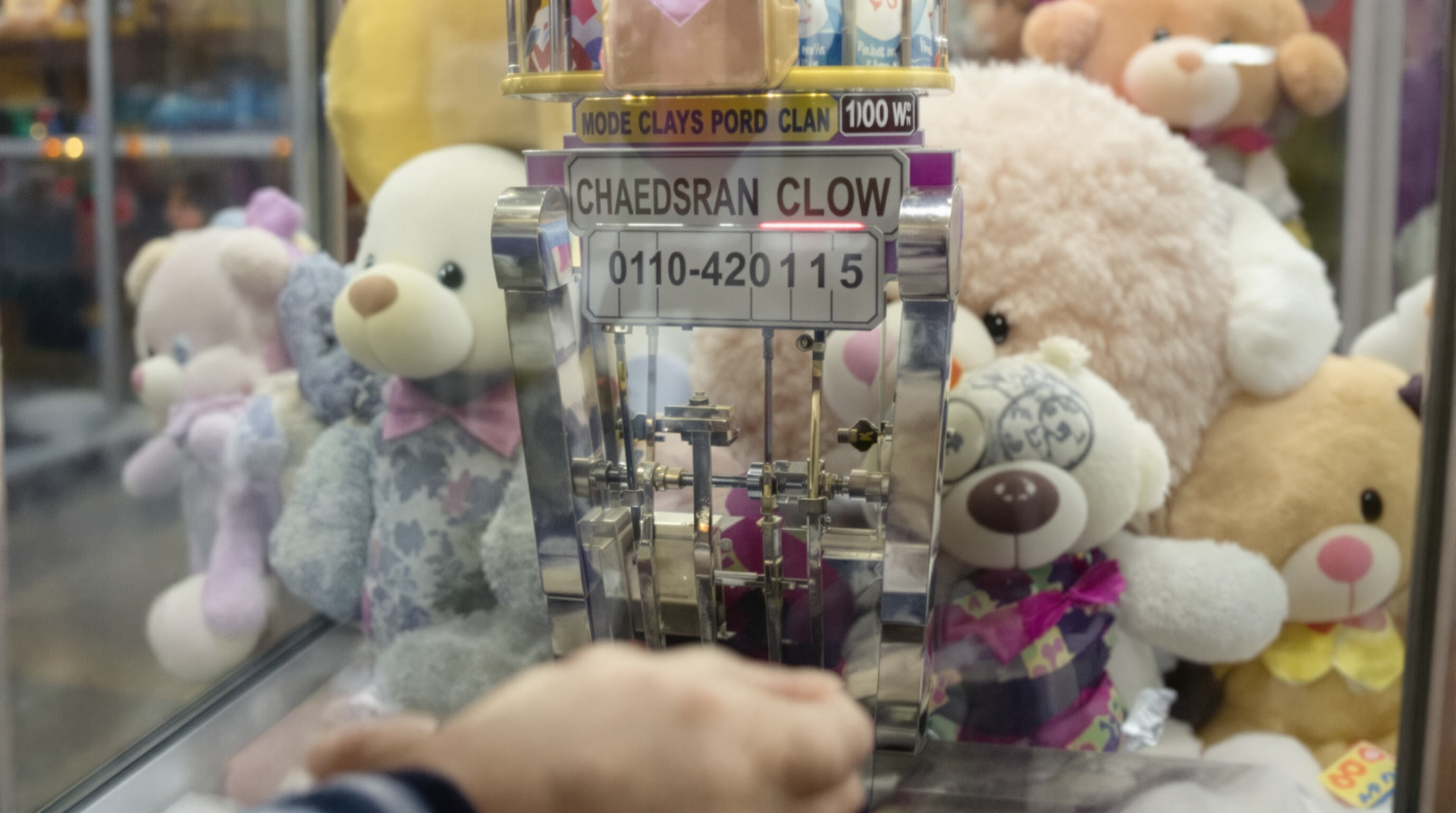
Balancing claw strength and timing to support occasional wins
Good claw machines strike a balance between being mechanically accurate and having just enough randomness to keep kids interested. Most operators set the claw so it grabs prizes about once or twice out of ten tries, and they tweak when the claw closes to avoid making things too predictable. This sweet spot actually matches what researchers in game design have found - kids between six and twelve tend to stick around at games where they win roughly 25% of the time for about 40% longer than average. From a psychological standpoint, this kind of reward pattern works well because children see playing as something that requires skill, even though they lose most of the time. They treat losing as just part of the fun rather than feeling like total failure.
The 'almost won' effect and how near-misses sustain engagement
Those claw machines are really good at creating those almost-winning moments when prizes hover right at the edge of the drop zone before slipping away again. Some brain research shows that kids actually get a bigger rush of happy chemicals during these close calls compared to losing completely - something like 22% more dopamine activity. It reminds them of playing tag on the playground where getting caught almost feels as exciting as winning. Arcade owners have noticed this pattern too. Their surveys show that around two thirds of people will put another token in right away after one of these near misses happens. Makes sense really, since our brains love that kind of suspenseful anticipation.
Feedback mechanisms: Lights, sounds, and motion that reward attempts
Even unsuccessful attempts receive celebratory feedback:
- 85% of machines play ascending musical tones during claw descent
- 92% use rainbow LED patterns to highlight prize movement
- 78% incorporate shaky claw motions to simulate effort
These multisensory responses fulfill a key child psychology principle—effort-based rewards sustain motivation more effectively than outcome-dependent ones. Machines with robust feedback loops see 50% higher daily play rates than basic models in family entertainment centers.
Cross-Generational Appeal: Nostalgia and Family Entertainment Value
Why Parents Let Kids Play: Nostalgic Connections to Their Own Childhood
There's something about claw machines that just hits different for people. A lot of parents bring their kids to arcades not just for the kids but because those machines bring back memories from when they were young themselves. According to some recent stats, around two thirds of parents actually let their children play these games mainly because they remember playing similar ones growing up. The controls are pretty straightforward really - just a stick, a button press, and those shiny prizes hanging there like they always have. These basic elements remind grown ups of old school arcade games, which creates this weird connection across generations. What starts as a simple game becomes almost like a tradition where parents get to revisit those happy times from their past while showing off what they think is totally timeless fun to the next generation.
Claw Machines as Shared Experiences in Family Entertainment Centers
Family entertainment spots often put claw machines right in the middle where everyone can see them, making them great group activities. They're different from just sitting alone playing video games because they bring people together. Parents end up coaching kids about when to press buttons, brothers and sisters get excited watching each other try again and again, sometimes even total strangers stop what they're doing to check out those near misses. Most folks can handle the game pretty well since it doesn't take super advanced skills. The claws themselves can be adjusted too so whoever runs the place can make things harder or easier depending on how many coins they want to collect. These old school arcade classics create those moments families remember for years after, mixing nostalgic fun with what people actually want from entertainment nowadays.
FAQ
Why are claw machines designed with bright colors and flashing lights?
Bright colors and flashing lights in claw machines capture children's attention and induce curiosity, making them more likely to engage with the game.
What are the benefits of ergonomic controls in claw machines for kids?
Ergonomic controls, such as oversized joysticks and mushroom-shaped buttons, cater to children's developmental needs, reducing frustration and helping build motor skills.
How do themed designs boost engagement in claw machines?
Themed designs featuring licensed characters or seasonal elements create emotional appeal, driving repeat plays and enhancing the storytelling aspect of the game for children.
What prize selection strategy boosts engagement in claw machines?
Strategic layering, with eye-catching prizes at the top and smaller items creating an abundance effect, enhances visibility and desire, encouraging repeat play.