
 EN
EN


The Growing Demand for Immersive Entertainment Experiences
Understanding Consumer Demand for Immersive Gaming and Interactive Environments
People these days care more about experiences than actual stuff they can buy, especially younger folks between 18 and 34 years old. According to the Immersive Audience Report from 2024, around two thirds of them are ready to spend extra cash on really immersive entertainment options. What does this mean? Well, it creates a big market for places where people can actually interact with something instead of just sitting there staring at screens all day long. Virtual reality equipment helps fill this gap because it combines real touch sensations, makes us aware of our surroundings, and tells stories that pull us into another world. Looking ahead, experts predict the worldwide market for immersive displays will expand quite rapidly, growing at about 22 percent each year until 2032. This shows how hungry consumers are for entertainment that hits multiple senses at once, going way beyond what most home VR systems offer right now.
How Virtual Reality Machines Are Redefining User Engagement
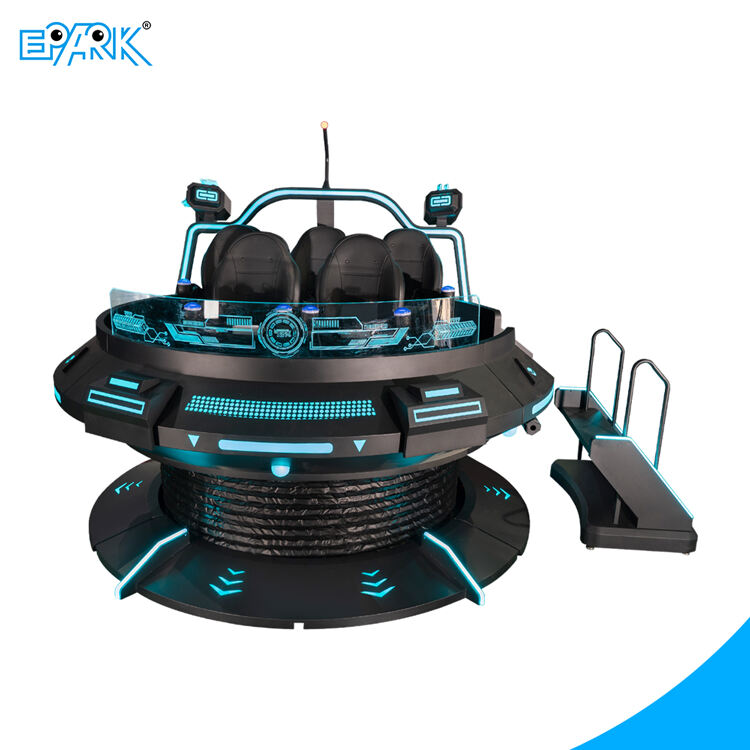
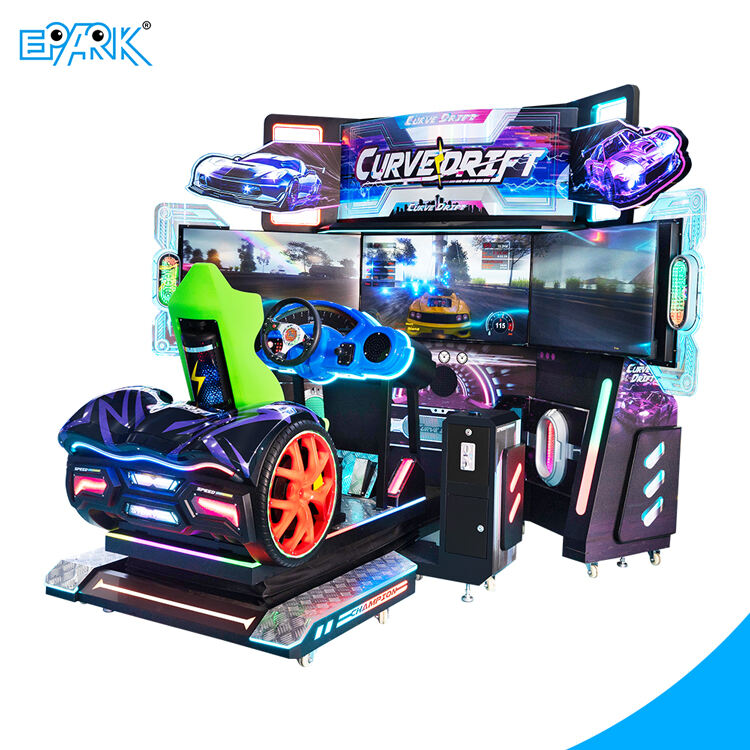
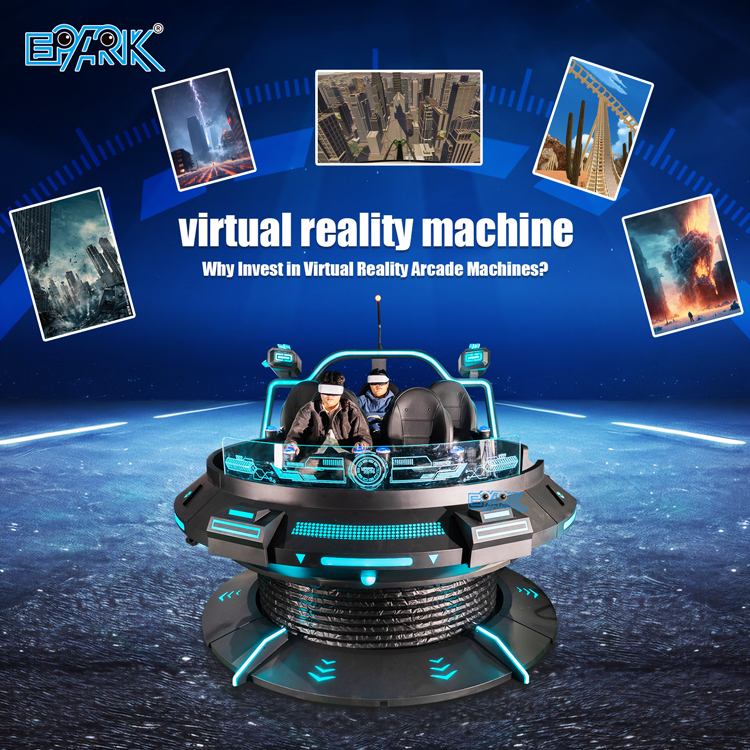
Today's VR arcades are getting pretty fancy with things like haptic vests that vibrate when bullets fly past, motion platforms that make players feel like they're actually moving, and even scent diffusers that smell like forests or explosions depending on what's happening in the game these are just not available in regular home VR setups. According to industry reports, places that have invested in commercial VR gear see customers sticking around about 43% longer than folks who hang out at old school gaming centers. What makes this possible? The tech is changing how people play games together. Instead of sitting alone with a controller, groups can tackle missions as teams, face off in challenges against each other, or get lost in stories where everyone plays a part. No wonder why so many people come back again and again the numbers show around two thirds of visitors return after their first experience at these social entertainment spots.
Trend Analysis: Rising Popularity of VR in Urban Entertainment Hubs
The numbers are pretty staggering actually urban areas have seen around 76 percent growth in virtual reality arcades from last year to this. Mall owners and movie theater operators are transforming old spaces into these immersive tech hubs. Take a look at busy shopping centers these days about fifteen to twenty percent of the total area is often taken up by VR setups. Why? Because these spots generate roughly three times what traditional food courts or regular shops make per square foot. Makes sense when we think about Generation Z they love hanging out with friends doing something cool together that involves gadgets and screens. And guess what? These young folks account for nearly 60 percent of all money spent on location based VR experiences according to recent data.
Expanding Virtual Reality Applications Beyond Gaming
VR in Education, Tourism, and Retail: Diversifying Revenue Streams
VR tech has really taken off in ways no one expected back when it was just for games. Schools are getting creative with it too. Medical students can now walk through human bodies in 3D, and history classes let kids experience ancient civilizations firsthand. Some studies show this kind of learning sticks better than regular textbooks, maybe around 35% improvement in what students remember. Travel companies have caught on as well. They're putting together these amazing 360 degree tours of places like Machu Picchu or the Great Wall. People can check out these spots before booking flights, which actually brings in money upfront for tour operators. Retail stores are experimenting with virtual try-ons and digital store models. Customers see how clothes look on them without physically trying them on, cutting down return rates by about 22%. And those who do buy tend to spend more because they get a better sense of what they're getting. The whole industry shift means businesses can make money in new ways. Museums report that roughly 18% of their income now comes from exhibits enhanced with VR elements, based on recent cultural tourism reports from 2024.
Custom AR/VR Software Solutions for Non-Gaming Commercial Use Cases
Forward-thinking enterprises increasingly commission tailored VR/AR systems to solve industry-specific challenges:
- Corporate training: Oil companies simulate offshore drilling rig emergencies, cutting onboarding time by 40%
- Real estate development: Architects present 3D building walkthroughs with material cost calculators embedded in virtual models
- Medical rehabilitation: Hospitals implement VR balance therapy for stroke patients, improving recovery rates by 29%
These bespoke solutions prioritize functionality over entertainment industrial AR overlays for warehouse staff reduce packing errors by 31%, while virtual reality machines in automotive showrooms increase test drive conversions by 27%. As development platforms mature, 68% of non-gaming VR applications now launch within 12 weeks of project initiation, accelerating ROI for commercial adopters.
Measurable Benefits of VR for Customer Experience and Retention
Data-Driven Insights: Increased Dwell Time and Repeat Visits in VR Arcades
Urban entertainment hubs report a 40% increase in dwell time for venues featuring virtual reality machines compared to traditional arcades, according to a 2024 market analysis by CWS Media. This extended engagement directly translates to revenue opportunities, with operators seeing 2.3x more repeat visits from customers seeking upgraded VR experiences.
High User Satisfaction Despite Technical Challenges (Motion Sickness, Eye Strain)
Despite common accessibility barriers like motion discomfort, 72% of VR arcade users rate their experiences as highly satisfying (CWS Media 2023). Operators mitigate technical limitations through session time limits (20 minutes) and ergonomic equipment adjustments, maintaining 84% customer retention rates across three-month intervals.
Enhancing Brand Loyalty Through Immersive Virtual Reality Machine Experiences
VR machines offer something completely different from regular games when it comes to making people remember brands. Recent research from 2025 showed that when folks get personalized content in virtual reality, they actually connect emotionally about 58 percent more than usual. And guess what? They stick around for longer too, with retention rates jumping up 33% over standard loyalty schemes. For businesses running these setups, adding features like custom avatars and reward systems makes a big difference. The numbers back this up pretty well too operators report roughly 41% extra social media sharing after each session. That kind of organic buzz helps spread brand awareness without anyone even trying too hard.
Innovation Drivers: Emerging Content and Platform Diversity
Leveraging Diverse VR Content to Attract Niche and Youth Markets
Modern VR machines are doing better when they offer varied content options. According to some market research from 2023, around 58% of those running VR arcades spend between 40 to 60% of their software money on things like rhythm games and escape room style adventures that really grab younger audiences. These special genre games tend to keep kids coming back for more. The location based VR spots are catching onto this pattern too. Many have started working with popular culture brands to make temporary experiences connected to big events such as music festivals or anime conventions. Some even tie into college sports happenings. Arcade managers report these themed experiences bring people back about 73% more often compared to regular game content at their locations.
Key Features of Custom AR/VR Entertainment Solutions for Competitive Edge
Leading installations now combine three core technological advantages:
- Cross-platform compatibility enabling users to continue mobile VR experiences in arcade settings
- Adaptive motion systems reducing latency below 8ms to minimize motion sickness incidents
- AI-driven personalization leveraging facial recognition to adjust difficulty levels and theme preferences
Recent technology assessments highlight how these features help arcades achieve 22% higher per-customer revenue compared to basic VR setups. The integration of IoT sensors in newer VR machines allows operators to remotely track equipment performance, reducing maintenance costs by up to 34% annually.
Investment Considerations: Cost, Accessibility, and Future Outlook
Analyzing the High Cost of VR Equipment and Maintenance
Commercial-grade virtual reality machine installations require substantial upfront investment, with full equipment packages ranging from $80,000 to $250,000 depending on system capabilities (Market Data Forecast 2024). Recurring costs compound financial challenges:
- Annual maintenance contracts average $15,000$20,000 for software updates and hardware repairs
- Energy consumption adds $0.50$1.20 per user-hour due to GPU-intensive rendering
- Modular upgrades to support new VR content genres incur 15 25% of initial setup costs every 3 years
Balancing ROI Expectations with VR Technology Accessibility
Businesses that manage to get their money back within 18 to 24 months typically go for mixed payment approaches where they charge an initial fee plus extra for each minute used. According to research published in 2023 looking at how businesses are adopting virtual reality tech, places that offer different pricing tiers like cheaper rates during weekdays tend to bring customers back about 22 percent more often. But folks still care a lot about what they spend. Around 60% of people won't shell out for sessions costing over $35 an hour even when the equipment comes with those fancy touch feedback features that make things feel realer.
Future Prospects: Infrastructure Needs and Overcoming the Digital Divide
Urban infrastructure must evolve to support VR scalability: 35% of municipalities plan dedicated 5G corridors for immersive tech by 2026. Meanwhile, rural adoption lags 4 6 years behind cities due to:
| Challenge | Urban Solution | Rural Mitigation |
|---|---|---|
| Latency (sub-20ms needs) | Edge computing nodes | Satellite VRaaS platforms |
| Hardware distribution | Metro-area service hubs | Mobile VR trailers |
Operators prioritizing adaptive infrastructure strategies position themselves to capture emerging markets worth $12.7B by 2028.
FAQ
- What are immersive entertainment experiences? Immersive entertainment experiences are interactive activities that engage multiple senses, often using technologies like virtual reality to allow users to interact with environments in a lifelike way.
- How is VR used beyond gaming? Beyond gaming, VR is used in education for immersive learning experiences, tourism for virtual tours, and retail for virtual try-ons and store models, enhancing customer experience and business processes.
- What are the challenges of adopting VR technology in businesses? Challenges include the high upfront costs of equipment, ongoing maintenance and energy costs, and the need for urban infrastructure to support scalability, such as 5G networks.
Table of Contents
- The Growing Demand for Immersive Entertainment Experiences
- Expanding Virtual Reality Applications Beyond Gaming
- Measurable Benefits of VR for Customer Experience and Retention
- Innovation Drivers: Emerging Content and Platform Diversity
- Investment Considerations: Cost, Accessibility, and Future Outlook