
 EN
EN


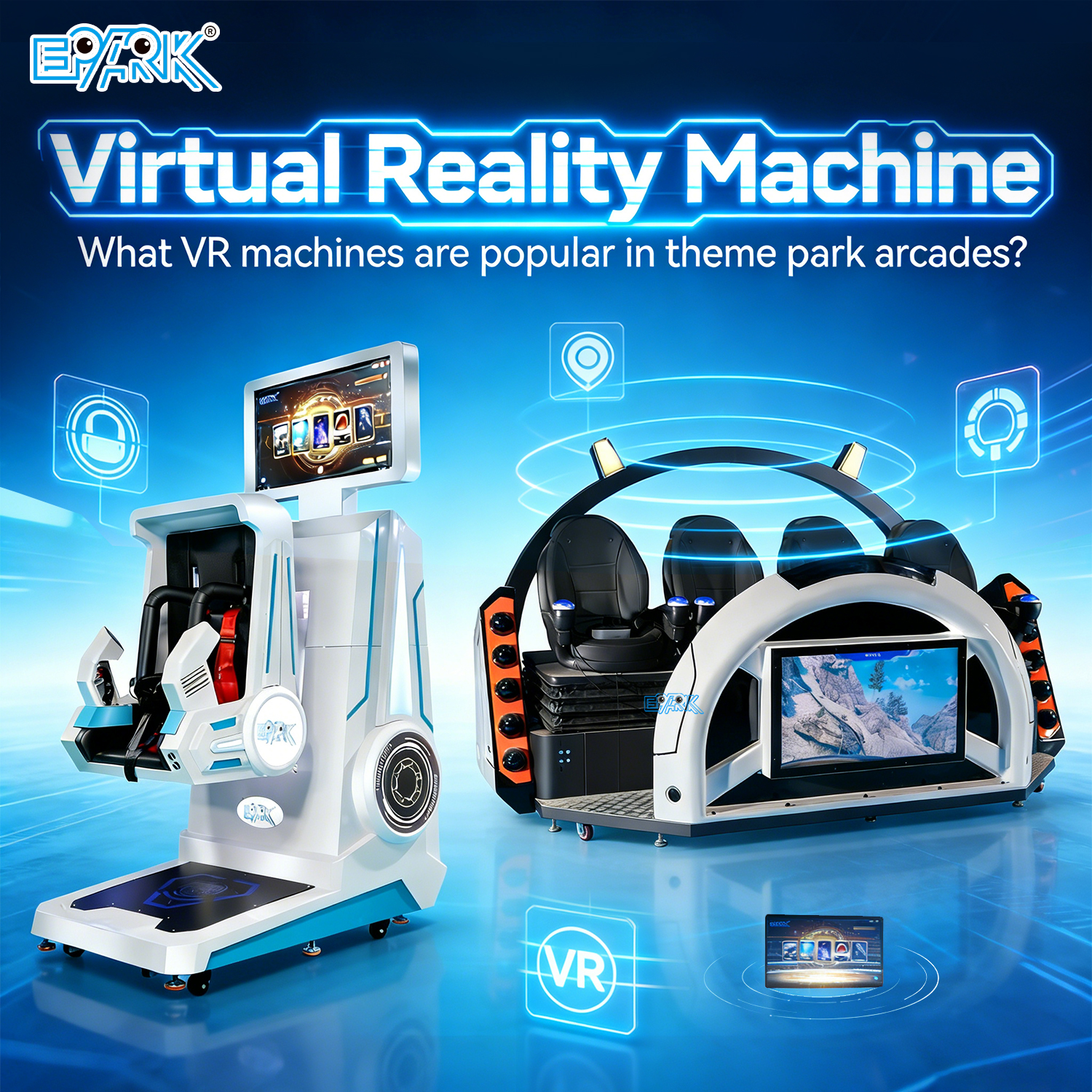
Free-Roaming VR Machines for Multi-User Immersion
How zero-latency, arena-scale virtual reality machines enable social, untethered play
Wireless VR setups get rid of those pesky cables and let people move around freely in large spaces thanks to special tracking systems. These setups work really well because they have almost no delay between what someone does and what appears on their headset screen something like under 20 milliseconds which means folks don't get sick from moving around too much. When everyone's movements stay synced up properly, it makes all the difference for team based tasks or when going head to head against others in games. Without being tied down by wires, people can actually talk to each other normally during play sessions, pointing at things, making plans together, reacting spontaneously without worrying about bumping into walls or getting tangled up. According to some studies done by IEEE researchers, this kind of setup cuts down on simulator sickness problems by about 30 percent, so more people from different ages and abilities can enjoy VR experiences now. And guess what? The tech works great even in massive spaces like warehouses where eight or more people can play at once because of those fancy position sensors and how environments change dynamically as needed.
Key vendors and deployment models
The big players in this space have developed different ways to get their tech into commercial settings. Some companies go the modular route, installing these pod-like units that can transform old retail spots with walls that project images and vests that provide tactile feedback. Great stuff for mall managers who want something quick to set up without taking over huge areas. Others build custom venues from scratch with all sorts of physical props and environments that actually feel real thanks to things like simulated wind or temperature changes. These tend to work best at places where people travel specifically for entertainment experiences. The price tag isn't cheap either, anywhere between two hundred thousand to half a million dollars initially. But many operators find it pays off because groups keep coming back, with around seventy percent returning after their first visit whether it's for team building days or kid birthdays. Keeping everything running smoothly means hiring folks who know how to calibrate those motion sensors and clean headsets properly between customers. More and more businesses are opting for revenue share deals instead of paying full cost upfront, which helps venues manage cash flow while still getting access to cutting edge attractions.
Motion-Synchronized VR Machines on Physical Rides
Engineering the sync: Why ride-integrated virtual reality machines demand sub-20ms latency
Getting those physical ride motions perfectly matched with what people see on their VR headsets takes really good timing. Most industry guidelines want these VR systems for rides to keep lag below 20 milliseconds so riders don't get that weird feeling that makes them sick. Think about it this way: when the hydraulics move a roller coaster car, the images in the headset need to change almost instantly, actually faster than our brains can process things normally. Otherwise there's this uncomfortable moment where the body senses movement but the eyes aren't seeing matching visuals yet. The best setups use clever tricks like optimizing how images are rendered in real time and predicting where things will move next. These tech improvements aren't just fancy gimmicks though they genuinely create something special, turning regular rides into experiences that engage multiple senses at once.
Real-world impact: Safety, comfort, and guest satisfaction metrics from leading installations
When amusement park rides are properly synced between their digital controls and physical movements, operators notice real improvements in how things run day to day. Theme parks have seen around 30% drop in motion sickness complaints when system lag remains under 20 milliseconds. That means happier guests who don't get sick and fewer park employees needing to step in and help out. Better timing also cuts down on safety issues because riders aren't as likely to feel dizzy during those fast twists and turns. Looking at guest feedback shows some interesting patterns too. Attractions that keep their response time under 15 milliseconds tend to attract people back for second rides almost half again as often as others, and visitors spend about 22% more time on these rides overall. All these numbers point to why theme park engineers spend so much time getting those tiny fractions of a second right when building new attractions that blend virtual experiences with real world physics.
Stand-Alone Competitive VR Machines Driving Repeat Visits
Design principles of high-throughput, multiplayer virtual reality machines
The best high volume competitive VR setups focus on hardware that can be swapped out easily, controls that make sense at a glance, and fast session changes so more people get their turn. What makes these systems work? They come with parts that can be changed quickly - think haptic vests or realistic weapons - and they calibrate in under half a minute flat. The screens showing live scores while others wait helps keep everyone interested. Most arcades find that having progression features really brings customers back. Players want to unlock new gear or climb leaderboards, which keeps them coming back week after week. Some studies point out that when groups play together instead of alone, they tend to return 40% more often because there's something about competing against friends or working as a team that sticks with people. For businesses wanting to stay profitable, finding the sweet spot between making things feel immersive and keeping costs down is crucial. That means investing in tough materials that hold up through constant use, plus regular software updates every three months or so to bring fresh content like new maps or game modes that keep the experience feeling fresh for regulars.
Next-Gen Themed VR Machines: 9D, Flight, and Tactical Simulators
Beyond headsets: How environmental effects (wind, scent, motion platforms) define modern virtual reality machines
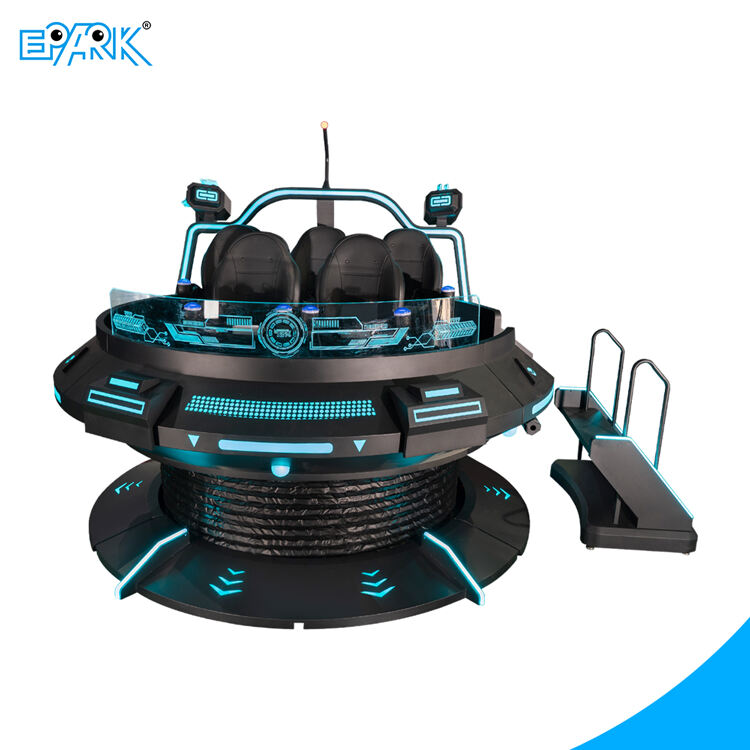
Today's virtual reality systems go way beyond basic headsets by adding all sorts of sensory effects that create a full body experience. Think about wind blowing across your face, smells wafting through the air, or feeling vibrations underfoot while wearing these advanced rigs. The tech actually syncs up physical sensations with what appears on screen in real time. People using these systems report feeling real acceleration when flying through virtual skies, experiencing gun kickback in shooting games, or even sensing bumps and drops in those fancy 9D movie theaters. Studies suggest folks remember things better after using this kind of setup, with memory retention jumping around 40 percent compared to regular VR headsets alone. That makes sense since our brains get tricked into thinking these digital worlds are real when multiple senses are involved at once. Market research indicates multi-sensory VR could grab about a third of the VR industry within the next few years, so many businesses are already looking for equipment that includes these extra features.
- Dynamic motion platforms that tilt, shake, or drop to mirror on-screen action
- Atmospheric enhancers like temperature shifts or directional airflow
-
Olfactory cues (e.g., smoke, ocean spray) triggered by gameplay events
This layered approach transforms standalone VR machines into holistic theme park attractions where immersion hinges on engineered sensory harmonyânot visual fidelity alone.
FAQ
What is zero-latency virtual reality?
Zero-latency virtual reality refers to VR setups that minimize lag to under 20 milliseconds, ensuring smooth and synchronized movements that prevent motion sickness.
How do motion-synchronized VR machines enhance rides?
These VR machines integrate with ride movements to ensure the visual experiences match physical sensations, reducing motion sickness and improving guest satisfaction.
What are multi-sensory VR systems?
Multi-sensory VR systems enhance basic headset experiences with effects like wind, scent, and motion platforms to create a more immersive experience.
Are competitive VR machines profitable for businesses?
Yes, competitive VR machines are designed for rapid hardware swaps and engaging gameplay, appealing to customers who return for new challenges and leaderboard progression.