
 EN
EN


Strategic ROI: How VR Simulators Deliver Measurable Cost and Operational Efficiency
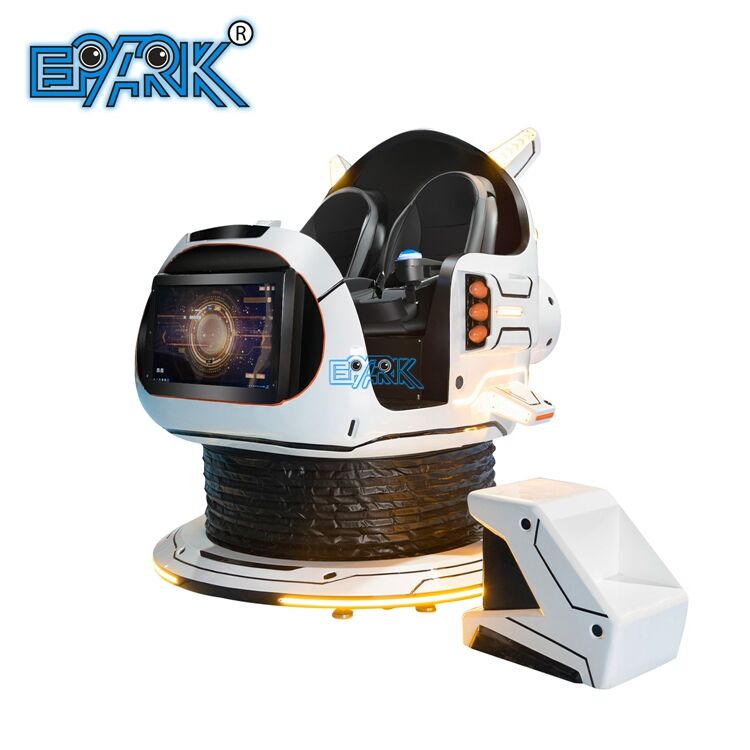
Federal agencies achieve substantial cost reductions and operational efficiencies through VR simulator adoption by targeting three high-expense areas: travel, equipment maintenance, and instructor resources. These immersive systems eliminate geographical barriers while preserving mission readiness.
Reducing Travel, Equipment Maintenance, and Instructor Dependency
VR simulators cut down on all the travel stuff completely, which saves agencies around 740 thousand dollars each year when looking at 500 trainees and their hotel bills and plane tickets according to some research from Ponemon Institute back in 2023. When people train in virtual spaces instead of real ones, there's much less damage done to actual gear. The machines last longer too, maybe even 40% longer lifespan compared to those regular drills where everything gets worn out faster. With automated systems tracking how well someone does during training sessions, instructors aren't needed as much anymore – probably about 60% less time spent watching over shoulder. Trainees can actually learn complicated stuff on their own thanks to feedback generated by artificial intelligence algorithms. What this means practically is that staff members who would normally be stuck teaching classes can now go out into the field where they're really needed. Instead of being just another expense item on the budget sheet, these simulation setups become something that actually boosts operational capacity rather than dragging it down with endless paperwork and coordination headaches.
Lifecycle Cost Comparison: VR Simulators vs. Live Exercises and Legacy Simulations
When evaluating total ownership costs over five years, VR simulators demonstrate superior long-term value despite higher initial investment. The table below reflects aggregated federal procurement data across multiple agencies:
| Cost Category | Live Exercises | Legacy Simulations | VR Simulators |
|---|---|---|---|
| Equipment Deployment | $1.2M | $860k | $1.8M |
| Travel & Logistics | $2.7M | $320k | $0 |
| Maintenance/Updates | $1.5M | $680k | $310k |
| Total Cost | $5.4M | $1.86M | $2.11M |
Old school simulation setups might seem cheaper at first glance, but they end up costing organizations repeatedly over time because their scenarios are so fixed and hard to change. Virtual reality solutions actually start paying for themselves after around 18 to 24 months thanks to no travel expenses and easy software updates for new content. When looking at total costs over the long run, VR comes out ahead by about 34% compared to traditional live drills. The real benefit here is that government bodies can get away with training triple the number of people while keeping their existing budget intact, which makes a huge difference when resources are tight.
Federal Adoption Pathways: GSA, OPM, and FEMA Leading VR Simulator Integration
GSA’s Immersive Tech Procurement Framework and Agency Onboarding Support
The GSA created something pretty special when it comes to getting federal agencies set up with VR simulators. Their new approach basically streamlines how these immersive tech purchases happen while cutting down all those annoying bureaucratic hurdles. What they've done is put together central contract options, helpful compliance info, and already vetted vendors through their IT Schedule 70 and MAS agreements. When agencies sign on, they get access to things like technical specs, compatibility guidelines, and ready-made templates for managing changes during setup. This makes rolling out VR training much smoother even when different departments have completely different needs. Some early users saw their procurement process speed up by about 40% over old ways of doing things, which means people start their training programs way sooner than before. Smaller government offices that don't have someone专门 handling procurement or know much about immersive tech benefit greatly from this system too. They can access high quality simulation tools without needing to build up entire teams just to manage these purchases.
Evidence-Based Efficacy: Cognitive Engagement and Behavioral Transfer in VR Simulators
Embodied Cognition and Stress-Informed Learning in High-Fidelity VR Scenarios
Virtual reality simulators work based on embodied cognition, which basically means when people physically interact with digital environments, their brains encode information better, helping them pick up skills faster. These high quality simulations recreate actual stressful situations like tight deadlines, overwhelming sensory input, and making decisions with real consequences. Interestingly enough, studies have shown these VR experiences actually trigger similar stress hormone reactions as what happens during real life operations. Research from 2020 in Frontiers in Psychology indicated that folks who trained with VR under stress remembered complicated procedures about 20 percent longer compared to those just sitting through traditional classroom training. The way these systems respond to body movements creates feedback loops that build muscle memory and help fix mistakes much better than simply watching or reading about procedures on a screen.
FEMA Case Study: Validated Improvement in Emergency Decision-Making Post-VR Simulator Training
FEMA rolled out virtual reality simulators at various regional training centers for disaster response drills. These simulations focused heavily on assessing hazards as they change, working together between different agencies, and figuring out how to distribute resources quickly when needed most. After putting these systems into action, evaluations found that staff members identified threats about 30 percent quicker than before. They also made better decisions about where to send supplies during combined operations, improving accuracy by around 22%. Trainees handled complicated triage situations with roughly 40% fewer mistakes because they got to practice repeatedly without real world consequences while dealing with incidents that kept changing. What this shows is that VR training actually works for transferring skills from theory to practice. People don't just remember information anymore; they learn to react appropriately in real situations. This matters a lot in emergencies where even small delays or wrong choices can cause bigger problems across multiple areas.
FAQ
What are the main cost-saving areas for federal agencies using VR simulators?
The main cost-saving areas include reducing travel expenses, minimizing equipment maintenance costs, and decreasing reliance on instructor resources.
How do VR simulators compare to traditional training methods in terms of cost?
While VR simulators may have a higher initial cost, they offer long-term savings with reduced travel and maintenance costs, leading to superior value over time.
How does VR-based training improve learning and decision-making?
VR-based training uses embodied cognition and stress-informed learning, helping individuals retain information longer and make better decisions in simulated high-pressure scenarios.
What role does GSA play in VR simulator integration?
GSA facilitates VR simulator integration by streamlining procurement processes and offering centralized contracts, compliance information, and vetted vendors through IT Schedule 70 and MAS agreements.