
 EN
EN




The Rise of Arcade Machines in Youth Culture
Pioneering Titles: From Pong to Pac-Man
Games like Pong and Pac-Man hold a special place in history because they basically created the entire video game scene as we know it today. When Atari launched Pong back in 1972, nobody really knew what to expect from electronic entertainment. The game was super simple – two paddles bouncing a pixelated ball around a screen – but somehow it captured everyone's attention. People started flocking to arcades where they could play against friends or strangers, and suddenly video games weren't just something weird anymore. Then came Pac-Man in 1980, which took things to another level completely. That yellow character running through mazes eating dots became everywhere – on t-shirts, posters, even in restaurants. Arcades became social hubs where kids gathered after school, competing for high scores while munching on candy bars. By 1982, the arcade business was booming so much that it brought in around $8 billion dollars across the country. These early games did more than entertain though; they brought people together in ways no one had predicted when those first pixels appeared on screens decades ago.
Technological Innovations Driving Popularity
Arcade machines became super popular thanks to all sorts of tech upgrades, basically becoming part of what kids did back then. When computers got better, so did the games themselves. The old days of simple pixel art and basic sounds gave way to vibrant colors and really good music that pulled people in deeper than ever before. Kids wanted something fun to do after school, and arcades delivered exactly that kind of excitement. Take Sega's OutRun game as just one example they had this cool sprite scaling tech that made driving feel almost real when playing. All these fancy features didn't just make games better they also brought in serious cash for arcade owners. Some numbers from the 80s show how big this was getting, with arcade revenue hitting around $27 billion dollars in 1983 alone. That kind of money shows just how much folks loved spending time at those coin operated wonders.
Arcades vs. Home Consoles: A Generational Shift
When arcade machines started going head to head with home consoles, it changed how kids played games and interacted socially in big ways. Arcades back then were places where people actually met up, made friends while playing together, and had those intense moments of competition that just didn't happen at home. These spots buzzed with energy, full of kids shouting and laughing as they battled each other or worked together on cooperative games something home consoles simply couldn't match completely. But around the middle of the 80s things began shifting when systems like the Nintendo Entertainment System took off. Suddenly kids could play all sorts of fun games right in their living rooms without having to leave the house. Surveys showed most young folks preferred this convenience factor plus the ever growing collection of games becoming available for these home systems. Still, there's always been something special about arcades that stuck around through all these changes in how we game today.
Arcades as Social Hubs for Teenagers
Community Building Through Multiplayer Games
Arcade games with multiple players have always brought teens together in interesting ways. Back in the day, kids would gather around machines just to play against each other or team up for better scores. Games like Street Fighter II became instant classics because they let people challenge friends while still working together sometimes. Mortal Kombat was another big hit where folks learned to communicate quickly during matches. Some research from the Journal of Youth and Adolescence actually points out how these kinds of interactions help build real connections between young people. They found that regular gaming sessions improved not just fighting moves but also basic talking and listening abilities over time.
Cross-Cultural Connections in Gaming Spaces
Arcades have always been places where folks from all walks of life come together. People meet there, play together, and find common ground despite their differences. Take Dance Dance Revolution for instance. This game became huge worldwide, bringing people together regardless of where they came from. I've heard stories from players in Japan, Brazil, and everywhere else who talk about how arcades become little worlds of their own. Someone once told me something really interesting about this experience. They said something like, "When you're standing on those mats hitting the arrows, nobody cares what language you speak. We're all just trying to keep up with the music and having fun doing it." That pretty much sums up why arcades still matter today.
The Role of Racing and Basketball Arcade Machines
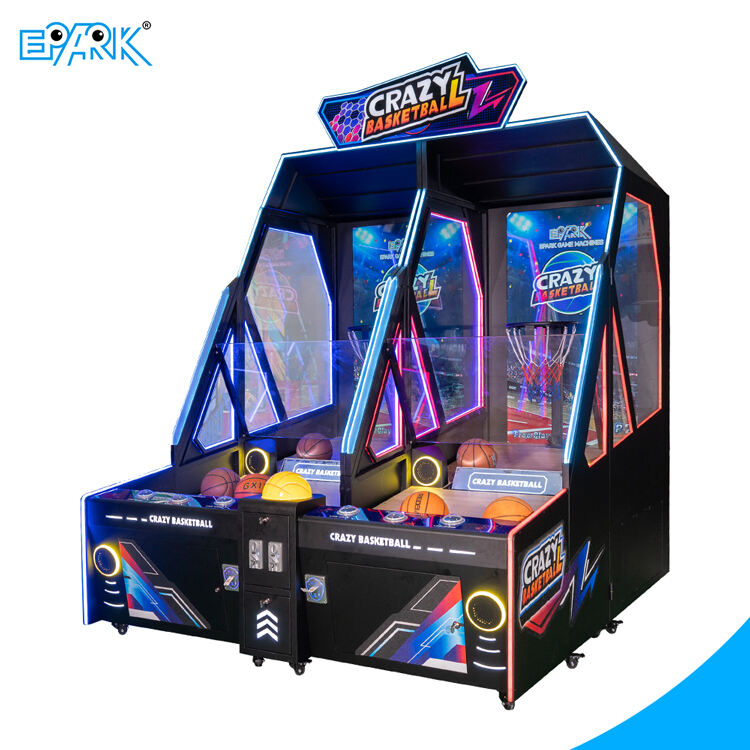
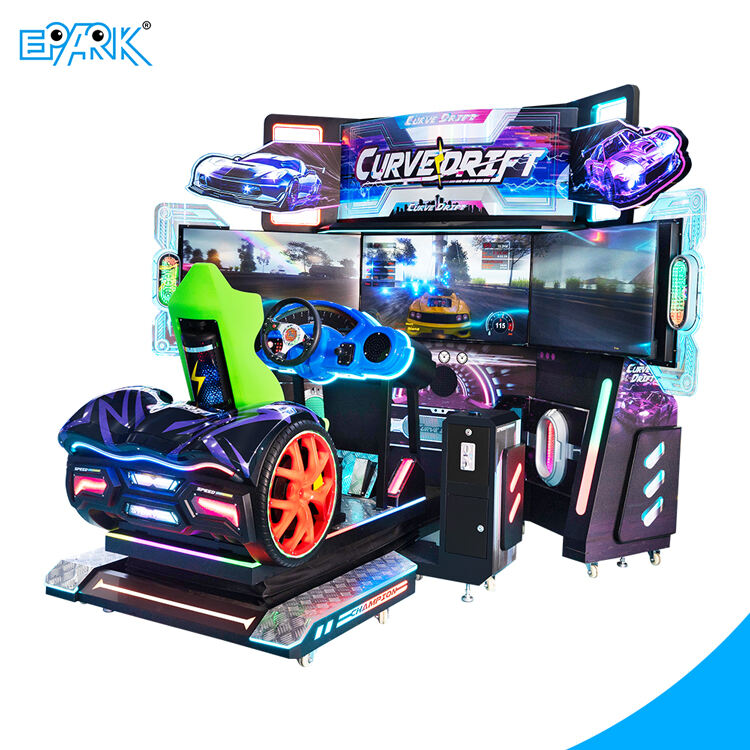
Arcade machines for racing and basketball shooting games are getting really popular with kids these days. What makes them special is that they combine actual movement with the thrill of competition, which keeps teens coming back to arcades not just for fun but also for some exercise. Take Mario Kart Arcade GP or NBA Jam for instance – these games get people moving while still delivering that competitive edge everyone loves. A recent study from the International Journal of Gaming and Computer-Mediated Simulations actually found that revenue from these types of machines has gone up quite a bit lately, along with how engaged players are when using them. Seems like arcades are finding new ways to stay relevant despite all the home gaming options available now.
Iconic Games Shaping Generational Identity
Space Invaders and the Birth of Competitive Play
When Space Invaders hit the scene, it changed everything for gamers with its competitive mode and high score system that got people obsessed with beating each other's scores. This wasn't just another game; it laid groundwork for all sorts of future titles while leaving a big mark on how teens spent their time back then. Kids would rush to local arcades week after week, desperate to climb those leaderboards and show off to friends who had been there before them. As Nick Montfort and Ian Bogost point out in Racing the Beam, this game really kickstarted social aspects of gaming where players actually interacted face to face instead of just playing alone at home. The need to keep improving scores kept many teens coming back again and again, making gaming something central to who they were during those formative years.
Air Hockey Tables: Blending Physical and Digital Interaction
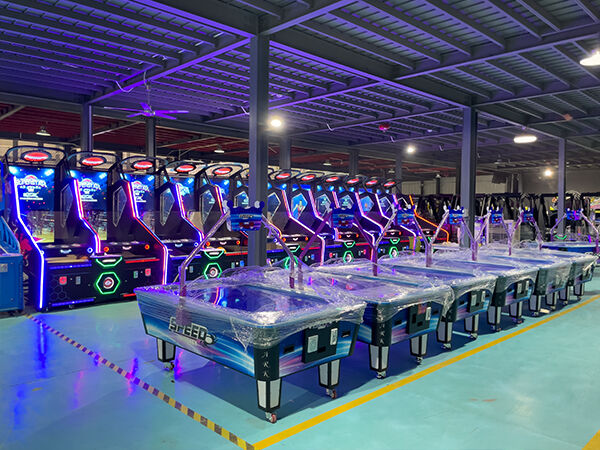
Air hockey tables have carved out their own special spot in arcades because they mix physical skill with fun game action that appeals to folks who love both video games and real world challenges. When people play against each other standing across the table, chatting and laughing while trying to flick the puck past their opponent's paddle, it brings strangers together in a way few games can match. Most anyone who steps foot in an arcade will tell you air hockey remains one of the top attractions for good reason. It's easy enough for beginners but still packs plenty of competition for serious players. Many longtime gamers recall playing air hockey as kids, making it not just a game but a shared memory that keeps bringing people back generation after generation. The laughter and trash talk around these tables create a lively social scene that feels almost like stepping into another era.
Soundtracks and Visuals Defining '80s-'90s Aesthetics
Arcade games from the 80s and early 90s had these amazing soundtracks and visuals that really shaped what people think of when they remember those years. The combination made playing feel super immersive back then, and honestly still gives me goosebumps even now. Take Pac-Man or Street Fighter II for example both had those unforgettable tunes and bright colors that somehow stick in our heads decades later. Young folks today might not have played them much, but they definitely recognize those sounds and images. This whole audiovisual thing wasn't just about games either it spilled over into other areas too. Music styles changed, fashion trends picked up on game aesthetics, and artists started incorporating pixel art into their work. Looking back, these visual and musical elements helped define what made those years so special and different from what came before or after.
The Enduring Legacy of Arcade Gaming
Modern Nostalgia: Barcades and Retro Revivals
Barcades have become pretty popular lately, blending the old school charm of classic video arcades with the modern vibe of a bar scene. What makes these places special is that they serve up vintage arcade machines alongside drinks, creating this cool mix where people can hang out and play together. A lot of younger folks seem really into retro gaming these days, probably because the old games are just so straightforward but still super fun to play. We've seen quite a few new barcades popping up all over different cities, which tells me there's definitely an audience interested in this kind of entertainment. Whether someone grew up playing Pac-Man or discovered it through friends, barcades bring people together over something that feels familiar across generations.
From Pixelated Screens to Esports Culture
Looking at where esports came from, we find its roots in those old school arcade battles. Back in the 80s and 90s, arcades weren't just places to play games they became gathering spots where people would line up to beat each other's high scores and earn bragging rights among friends. The same kind of passion drives today's esports scene, though now players fight for cash prizes instead of just showing off to their classmates. Both formats share common ground when it comes to needing serious skills, clever tactics, and building communities around shared interests. Young folks getting into esports these days often talk about feeling that same excitement as kids who used to crowd around Pac-Man machines waiting for their turn. What started as simple coin operated contests has evolved into something far bigger while still keeping that core competitive spirit alive in our digital age.
Preserving Arcade History for Future Generations
Keeping arcade history alive matters a lot for anyone who wants to understand where video games came from. Places like museums and retro gaming conventions let younger folks actually play those old school classics instead of just hearing about them. We're talking about machines that were once packed with people waiting for their turn at Pac-Man or Street Fighter II. Industry experts agree that without preserving this stuff, we'd miss out on seeing how gaming developed over time and what it meant for kids growing up in different decades. Arcade games weren't just entertainment; they created whole communities around them. These preservation efforts remind us that our current obsession with gaming has roots in those neon-lit rooms where friends gathered around cabinets, sweating through quarters while trying to beat high scores together.